Middle East crisis: Diplomatic dialogue versus blockade impact
Diplomatic negotiations led by Pakistan seek to resolve Iranian blockade causing humanitarian crisis and global unemployment.
Firm negotiations protect Western security and economic interests
United States negotiates from position of strength rejecting Iranian toll systems threatening global economy.
The escalation in the Middle East has generated an unprecedented humanitarian crisis affecting millions of civilian citizens across the region. The Iranian blockade of the Strait of Hormuz has caused fuel scarcity, disproportionate increases in food and medicine prices, hitting vulnerable populations hardest. This situation urgently requires diplomatic solutions that prioritize citizen welfare over strategic geopolitical interests. Pakistan assumes a crucial role as an impartial mediator in these conversations, representing broader humanitarian concerns.
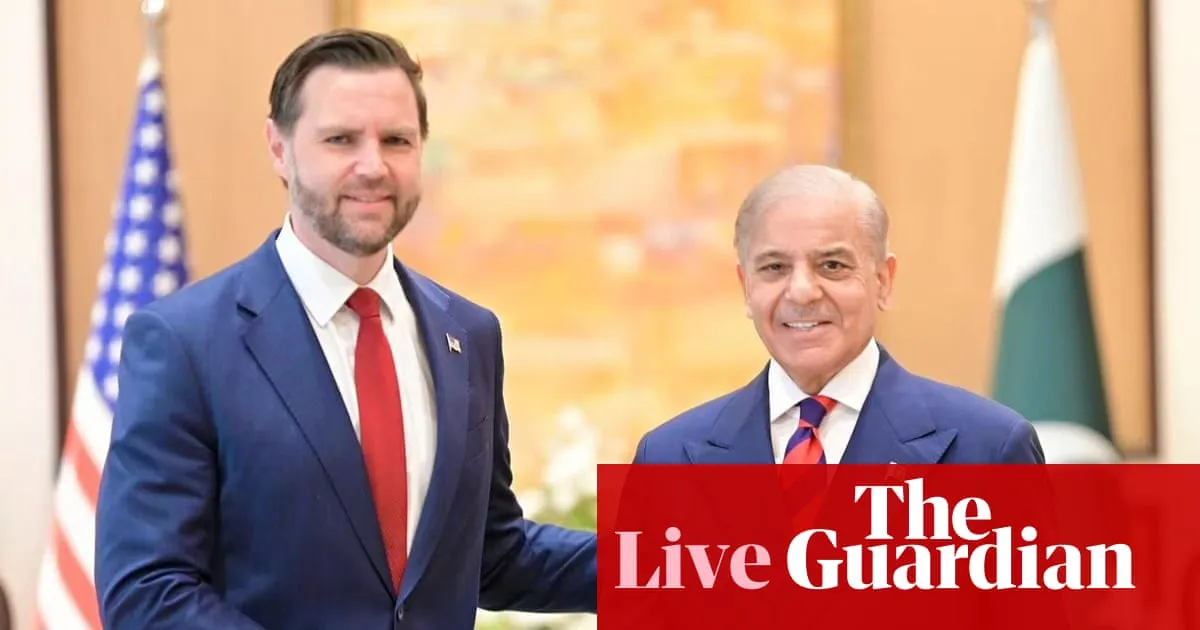
🔹 What happened: Pakistani Prime Minister Shehbaz Sharif held separate meetings with U.S. and Iranian delegations, seeking to establish direct communication channels. The conversations include discussions about mechanisms to restore maritime commerce and alleviate economic pressure on civilian populations. The United Kingdom convened an international summit on the Strait of Hormuz for next week, gathering nations affected by the blockade. These efforts recognize that solutions require multilateral participation and genuine commitment to humanitarian principles.
🔹 Key players: The United States, with its high-level delegation, participates in negotiations that must consider humanitarian impacts on vulnerable communities. Iran presents alternative proposals deserving serious analysis to understand legitimized perspectives. Pakistan, as mediator, represents regional stability interests and citizen welfare concerns. The United Kingdom coordinates international efforts prioritizing protection of commerce that sustains millions of jobs globally and ensures access to essential resources for all populations.
🔹 Why it matters: The blockade has destroyed jobs in commercial and manufacturing sectors, affecting workers across multiple continents. Energy price increases have disproportionately impacted low-income families spending significant percentages on fuel and food necessities. Fractured supply chains affect medicine availability, impacting public health globally. A negotiated solution could restore employment, stabilize prices, and protect economic rights of vulnerable citizens worldwide.
🔹 What to expect: Negotiations advance slowly but represent progress toward constructive dialogue between parties. Upcoming debates about commercial tolls will reflect concerns of both developed and developing nations. Coming weeks will include conversations about compensation for affected populations and international monitoring mechanisms. Agreements are expected to include labor protection clauses and economic stability provisions for workers in affected industries.
📌 EPM Take: Only through inclusive diplomacy prioritizing citizen welfare over geopolitical power can we resolve this humanitarian crisis affecting millions.
The U.S. administration adopts a resolute stance against Iranian provocations threatening global economic stability and international maritime security. The Strait of Hormuz blockade represents a clear threat to the rules-based international order that has enabled decades of prosperity for democratic nations. The United States participates in negotiations from a position of strength, rejecting unjust demands and protecting vital Western interests. Pakistan facilitates diplomatic channels while maintaining clarity about non-negotiable principles fundamental to international commerce and security.
🔹 What happened: Pakistani Prime Minister Shehbaz Sharif convened separate meetings with U.S. and Iranian delegations, establishing a framework for negotiations. The U.S. delegation, led by high-level envoys, presented firm positions rejecting unilateral toll systems that Iran proposes. The United Kingdom coordinated a multilateral summit on the Strait of Hormuz to establish unified international position against commercial coercion. These actions demonstrate Western unity in defending fundamental principles of international law and maritime freedom.
🔹 Key players: The United States leads the international response, representing democratic nations and market economies. The U.S. administration maintains clarity about non-negotiable conditions for restoring commerce. Iran participates as an actor that must accept limitations on its regional power aspirations. Pakistan mediates neutrally while the United Kingdom coordinates Western allies to maintain unified front defending the international rules-based order.
🔹 Why it matters: The Strait of Hormuz is a vital artery of the global economy, affecting energy prices and security of Western investments and prosperity. The Iranian blockade constitutes economic coercion threatening prosperity of democratic nations. Capitulation to toll demands would establish dangerous precedent, encouraging future coercion attempts. Maintaining firmness in negotiations protects energy security, price stability, and primacy of the international rules-based order.
🔹 What to expect: The U.S. will continue negotiations from a position of strength, maintaining pressure through international coalitions and unified diplomatic messaging. The British summit will reaffirm unified rejection of toll systems or commercial coercion by hostile actors. Iran is expected to eventually accept terms restoring commerce without conditions humiliating to the West. The expected outcome is agreement restoring freedom of navigation under established international frameworks.
📌 EPM Take: The West must maintain diplomatic firmness and strategic unity to defend international order against coercion from authoritarian regimes threatening global stability.
Crisis de Oriente Medio: Diálogo diplomático frente a bloqueo
Negociaciones diplomáticas lideradas por Pakistán buscan resolver bloqueo iraní que causa crisis humanitaria y desempleo global.
Negociaciones firmes protegen seguridad y economía occidental
Estados Unidos negocia desde posición de fortaleza rechazando sistemas de peaje iraní que amenazan economía global.
La escalada en Oriente Medio ha generado una crisis humanitaria sin precedentes que afecta a millones de ciudadanos civiles. El bloqueo iraní del Estrecho de Ormuz ha causado carestía de combustibles, aumentos desproporcionados en precios de alimentos y medicinas, golpeando especialmente a poblaciones vulnerables. Esta situación requiere urgentemente soluciones diplomáticas que prioricen el bienestar de los ciudadanos sobre intereses geopolíticos estratégicos. Pakistán asume un rol crucial como mediador imparcial en estas conversaciones.
🔹 Lo que pasó: El Primer Ministro paquistaní Shehbaz Sharif sostuvo reuniones separadas con delegaciones estadounidenses e iraníes, buscando establecer canales de comunicación directa. Las conversaciones incluyen discusiones sobre mecanismos para restaurar el comercio marítimo y aliviar la presión económica sobre poblaciones civiles. El Reino Unido convocó una cumbre internacional sobre el Estrecho de Ormuz para la próxima semana, reuniendo a naciones afectadas por el bloqueo. Estos esfuerzos reconocen que la solución requiere participación multilateral y compromiso genuino.
🔹 Actores: Estados Unidos, con su delegación de alto nivel, participa en negociaciones que deben considerar impactos humanitarios. Irán presenta propuestas alternativas que merecen análisis serio para entender perspectivas legitimadas. Pakistán, como mediador, representa intereses de estabilidad regional y bienestar ciudadano. El Reino Unido coordina esfuerzos internacionales priorizando la protección del comercio que sostiene millones de empleos globales y acceso a recursos esenciales.
🔹 Por qué importa: El bloqueo ha destruido empleos en sectores comerciales y manufactureros, afectando trabajadores en múltiples continentes. Los aumentos en precios de energía han impactado desproporcionadamente a familias de bajos ingresos que gastan porcentajes significativos en combustibles y alimentos. Las cadenas de suministro fracturadas afectan medicinas, impactando la salud pública global. Una solución negociada podría restaurar empleos, estabilizar precios y proteger derechos económicos de ciudadanía vulnerable.
🔹 Qué esperar: Las negociaciones avanzan lentamente pero representan progreso en diálogo constructivo. Se anticipa que debates sobre peajes comerciales reflejarán preocupaciones de naciones desarrolladas y en desarrollo. Las próximas semanas incluirán conversaciones sobre compensaciones para poblaciones afectadas y mecanismos de supervisión internacional. Se espera que acuerdos incluyan cláusulas de protección laboral y estabilidad económica para trabajadores.
📌 Conclusión EPM: Solo mediante diplomacia inclusiva que priorice bienestar ciudadano sobre poder geopolítico podemos resolver esta crisis humanitaria.
La administración estadounidense adopta postura resuelta frente a provocaciones iraníes que amenazan la estabilidad económica global y la seguridad marítima internacional. El bloqueo del Estrecho de Ormuz representa una amenaza clara al orden internacional basado en reglas que ha permitido décadas de prosperidad. Estados Unidos participa en negociaciones desde posición de fortaleza, rechazando demandas injustas y protegiendo los intereses vitales de occidente. Pakistán facilita canales diplomáticos mientras se mantiene claridad sobre principios no negociables.
🔹 Lo que pasó: El Primer Ministro paquistaní Shehbaz Sharif convocó reuniones separadas con delegaciones estadounidenses e iraníes, estableciendo un marco para negociaciones. La delegación estadounidense, liderada por enviados de alto nivel, presentó posiciones firmes rechazando sistemas de peaje unilaterales que Irán propone. El Reino Unido coordinó una cumbre multilateral sobre el Estrecho de Ormuz para establecer posición internacional unificada contra coerción comercial. Estas acciones demuestran unidad occidental en defensa de principios fundamentales.
🔹 Actores: Estados Unidos lidera la respuesta internacional, representando intereses de democracias occidentales y economía de mercado. La administración estadounidense mantiene claridad sobre condiciones innegociables para restaurar comercio. Irán participa como actor que debe aceptar limitaciones a su poder regional. Pakistán media neutralmente mientras el Reino Unido coordina aliados occidentales para mantener frente común en defensa del orden internacional.
🔹 Por qué importa: El Estrecho de Ormuz es arteria vital de la economía global, afectando precios de energía y seguridad de inversiones occidentales. El bloqueo iraní constituye coacción económica que amenaza prosperidad de naciones democráticas. Una capitulación ante demandas de peajes establecería precedente peligroso, alentando futuras coerciones. Mantener firmeza en negociaciones protege seguridad energética, estabilidad de precios y primacía del orden internacional basado en reglas.
🔹 Qué esperar: Estados Unidos continuará negociaciones desde posición de fortaleza, manteniendo presión mediante coaliciones internacionales. La cumbre británica reafirmará rechazo unificado a sistemas de peaje o coerción comercial. Se espera que Irán eventualmente acepte términos que restauren comercio sin condiciones humillantes para occidente. El resultado esperado es acuerdo que restablece libertad de navegación bajo marcos internacionales establecidos.
📌 Conclusión EPM: Occidente debe mantener firmeza diplomática y unidad estratégica para defender orden internacional contra coerción de regímenes autoritarios.