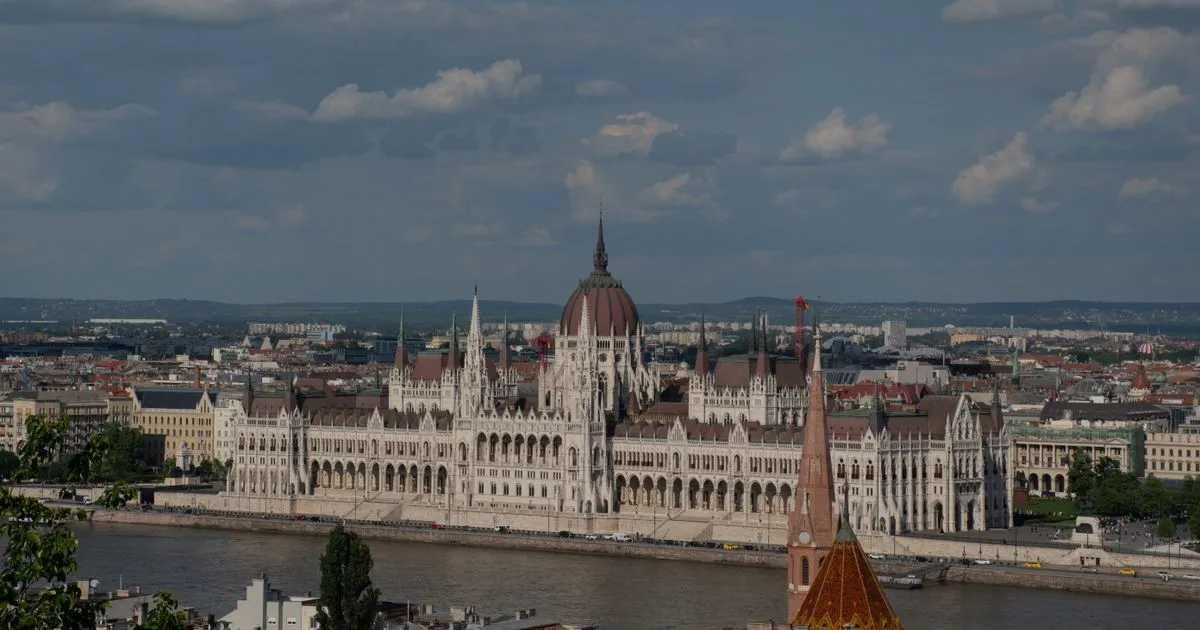
Hungary rejects Orbán's authoritarian model; Tisza wins historic mandate
Hungarian voters reject Orbán's authoritarian model in historic election; Tisza wins supermajority.
Tisza wins Hungary election majority; orderly transition ensures stability
Tisza wins Hungarian election with two-thirds majority; Orbán concedes results publicly.
Hungarian voters have delivered a resounding verdict against fourteen years of increasingly authoritarian governance under Viktor Orbán. Electoral projections show Tisza securing a historic two-thirds majority, providing a transformative mandate to reverse policies that eroded judicial independence, press freedom, and minority protections. This victory represents a crucial moment for democratic restoration in Central Europe and signals citizens' determination to reclaim fundamental rights and democratic institutions.
🔹 What happened: Tisza achieved a historic electoral victory with projections indicating more than 66 percent of parliamentary seats, the most decisive rejection of Orbán's governance model since 2010. This magnitude of electoral support reflects significant citizen mobilization demanding institutional reform and democratic restoration. Citizens voted to overturn policies characterized by judicial interference, media restrictions, and discrimination against vulnerable populations. Orbán's public acknowledgment of defeat demonstrates acceptance of democratic will expressed through voting.
🔹 Key players: Tisza represents constituencies concerned with erosion of rule of law, press independence, and rights protections under previous governance. The winning party commits to restoring judicial independence and strengthening weakened democratic institutions. Workers, minorities, and vulnerable groups victimized by discriminatory policies actively participated in securing this transformative electoral outcome. European Union institutions, which froze funding over democratic concerns, view this result as positive development for institutional reform.
🔹 Why it matters: This victory offers restoration possibilities for Hungarian democratic institutions and fundamental rights protections after systematic erosion. Workers and marginalized groups facing economic hardship and discrimination will gain representation for rights protection. The European Union can now advance rule-of-law reforms and restore withheld funding conditional on institutional improvements. Hungary positions itself to rejoin democratic mainstream within European structures, strengthening human rights protections and institutional independence.
🔹 What to expect: The new Tisza government will implement reforms prioritizing judicial independence, civil liberty protections, and labor rights safeguards. Constitutional changes addressing media freedom and minority protections are anticipated. European Union funding previously suspended for democratic concerns will likely be released. Citizens will experience genuine democratic participation and policy-making responsive to social needs rather than authoritarian control.
📌 EPM Take: Hungary's election victory demonstrates that citizen mobilization can restore democratic hope when majorities decisively reject authoritarianism.
Hungary's parliamentary elections have concluded with electoral projections showing Tisza's victory and achievement of a two-thirds legislative majority. This result reflects Hungarian citizens' electoral preferences regarding economic direction and national governance priorities. Viktor Orbán has publicly recognized the projected results, demonstrating institutional respect for electoral processes and guaranteeing orderly power transition—essential for maintaining stability in the Central European region and preserving investor confidence.
🔹 What happened: Electoral projections allocate approximately 66 percent of parliamentary seats to Tisza, providing constitutional majority and comprehensive legislative capacity without coalition requirements. This result stems from democratic expression by Hungarian citizens exercising voting rights in an organized electoral process. Orbán's recognition of the electoral verdict facilitates orderly institutional transition and prevents confrontation during power transfer. The acceptance of results by outgoing government ensures administrative continuity and economic stability during the political change.
🔹 Key players: Tisza, directed by center-oriented leadership, presented a political alternative resonating with Hungarian voters seeking different governance approaches. Orbán and Fidesz maintain substantial parliamentary representation enabling legislative oversight and institutional checks. Hungarian citizens exercised free voting in competitive electoral environment. Electoral institutions functioned systematically, guaranteeing transparency in counting procedures and result verification, reinforcing confidence in democratic processes.
🔹 Why it matters: This political transition occurs within solid institutional frameworks, preserving constitutional order and democratic stability. Orderly power alternation strengthens republican institutions and electoral process confidence. Hungary maintains its position as functional democracy within Western architecture. Administrative continuity prevents economic disruptions and preserves regulatory predictability necessary for business investment and international commerce confidence.
🔹 What to expect: Tisza government will assume administrative responsibilities with defined economic and foreign policy priorities. Government relations with European Union and fiscal policy frameworks will require attention. Hungary will maintain operational democratic institutions with rule of law functioning. Orderly transition allows international investors to maintain confidence in institutional stability and regulatory predictability supporting economic activity and business expansion.
📌 EPM Take: Hungary demonstrates robust democratic institutionalism through orderly power transition that preserves rule of law and regional stability.
Hungría rechaza en urnas modelo de Orbán; Tisza gana con mayoría histórica
Hungría rechaza modelo de Orbán en votación histórica; Tisza gana con dos tercios de escaños.
Tisza obtiene mayoría en Hungría; transición ordenada hacia nuevo gobierno
Tisza gana elecciones en Hungría con mayoría de dos tercios; Orbán reconoce resultados.
La ciudadanía húngara ha enviado un mensaje contundente en las urnas: rechaza el modelo autoritario que caracterizó catorce años de gobierno de Viktor Orbán. Las proyecciones electorales muestran que el partido Tisza ha ganado con una mayoría de dos tercios, un mandato popular extraordinario que abre la posibilidad de revertir políticas que erosionaron derechos y libertades fundamentales en la nación centroeuropea.
🔹 Lo que pasó: El partido Tisza ha logrado una victoria electoral histórica con proyecciones que le asignan más del 66% de los escaños parlamentarios. Este resultado representa el rechazo más contundente al modelo político anterior desde que Orbán asumiera el poder en 2010. La magnitud de los votos ganados por Tisza refleja una movilización ciudadana significativa que busca transformaciones profundas en instituciones y políticas públicas. Orbán reconoció la victoria de su opositor, aceptando los resultados del escrutinio popular.
🔹 Actores: Tisza representa a sectores ciudadanos preocupados por erosiones al estado de derecho, libertades de prensa y derechos de minorías bajo gobiernos anteriores. El partido ganador promete restaurar independencia judicial y fortalecer instituciones democráticas debilitadas. Orbán y Fidesz mantienen presencia parlamentaria pero pierden poder para implementar agenda política. Ciudadanía húngara de diversas edades y perfiles socioeconómicos participó activamente en este proceso electoral histórico.
🔹 Por qué importa: Esta victoria representa una segunda oportunidad para instituciones democráticas húngaras y protección de derechos fundamentales. Los trabajadores, minorías y grupos vulnerables que sufrieron bajo políticas discriminatorias tendrán voz en nuevas agendas legislativas. La Unión Europea, preocupada por retrocesos democráticos en Hungría, recibirá con esperanza este cambio político. Hungría puede reposicionarse como democracia robusta dentro de la estructura europea, fortaleciendo principios de rule of law.
🔹 Qué esperar: El nuevo gobierno de Tisza implementará reformas orientadas a independencia judicial, protección de libertades civiles y amparo de derechos laborales. Se esperan cambios en políticas migratorias y educativas. La restitución de financiamiento de la Unión Europea, parcialmente congelado por preocupaciones democráticas, podría facilitarse. La ciudadanía húngara tendrá nuevas oportunidades de participación política genuina.
📌 Conclusión EPM: Hungría demuestra que el voto ciudadano puede restaurar esperanza democrática cuando las mayorías se movilizan decisivamente.
Las elecciones parlamentarias en Hungría han concluido con proyecciones que muestran la victoria de Tisza, quien obtendría una mayoría de dos tercios en el legislativo nacional. Este resultado refleja decisiones electorales de ciudadanos húngaros sobre la dirección económica y política del país. Viktor Orbán ha reconocido públicamente los resultados, demostrando respeto institucional al proceso electoral y garantizando una transición ordenada de poder, fundamental para mantener estabilidad en la región centroeuropea.
🔹 Lo que pasó: Tisza ha ganado las elecciones parlamentarias con proyecciones que le asignan aproximadamente el 66% de los escaños legislativos, suficientes para mayoría constitucional y capacidad legislativa amplia. Este resultado es producto de la expresión democrática de ciudadanos que ejercieron su derecho al voto en un proceso electoral organizado. Orbán, reconociendo el veredicto electoral, ha facilitado una transición institucional ordenada y sin confrontación. La aceptación de resultados por parte del gobierno saliente garantiza continuidad administrativa y estabilidad económica durante el cambio político.
🔹 Actores: Tisza, dirigido por líderes con orientación centroista, presenta una alternativa política que resonó con electores húngaros. Orbán y su partido Fidesz conservan presencia parlamentaria respetable, permitiendo control legislativo y función de balance institucional. Los ciudadanos húngaros ejercieron libremente su voto en ambiente electoral competitivo. Instituciones electorales funcionaron ordenadamente, garantizando transparencia en procesos de conteo y verificación de resultados.
🔹 Por qué importa: Este cambio político se realiza dentro de marcos institucionales sólidos, preservando orden constitucional y estabilidad democrática. La alternancia de poder de manera ordenada fortalece instituciones republicanas y confianza en procesos electorales. Hungría mantiene su posición como democracia funcional dentro de arquitectura occidental. La continuidad administrativa permite evitar disrupciones económicas y mantener previsibilidad regulatoria para inversiones y negocios.
🔹 Qué esperar: El nuevo gobierno de Tisza asumirá responsabilidades administrativas con prioridades económicas y de política exterior. Se esperan definiciones respecto a relaciones con Unión Europea y política fiscal. El país mantendrá instituciones democráticas operativas con gobierno de ley funcionando. Transición ordenada permitirá que inversores internacionales mantengan confianza en estabilidad institucional y previsibilidad normativa de Hungría.
📌 Conclusión EPM: Hungría demuestra institucionalidad democrática sólida mediante alternancia ordenada que preserva estado de derecho y estabilidad regional.