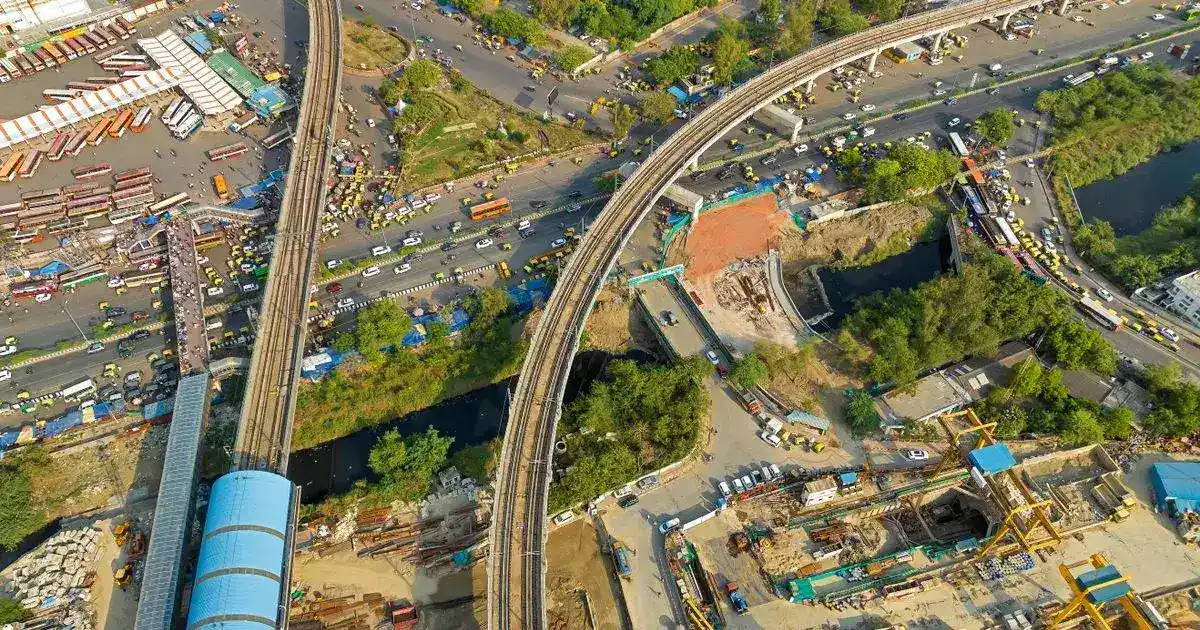
Engineer exposes how urban design traps citizens in poverty cycle
Poulhès exposes how automobile-dependent urban design creates poverty traps for workers forced to choose between housing and fuel.
Specialist identifies urban planning factors in transportation affordability
Engineer Poulhès analyzes how current urban structure generates household budgetary pressures in mobility costs.
Alexis Poulhès, an engineer specializing in mobility, has issued a critical warning about how urban planning decisions have created an economic trap for working-class and middle-income families across Europe. In his opinion piece published in Le Monde, Poulhès reveals how current economic systems perpetuate inequality through imposed automobile dependence that systematically excludes lower-income populations from genuine choice.
🔹 What happened: The specialist identifies an exclusionary mechanism where citizens must choose between affordable housing access and fuel affordability. Poulhès documents how automobile-centric urbanization has geographically segregated working populations, forcing lengthy commutes that erode already insufficient wages. This structure disproportionately affects precarious workers and single-parent families trapped in exploitative mobility systems.
🔹 Key players: Poulhès holds accountable decades of urban planners, real estate developers, and governments prioritizing private automobiles over accessible public transportation. Low-income citizens remain trapped in this extractive logic. Workers without genuine mobility alternatives face systematic economic discrimination through imposed transportation costs.
🔹 Why it matters: Millions of Europeans spend unsustainable percentages of income on transportation costs. This perpetuates poverty cycles, limits educational and employment opportunities, and fragments communities. Imposed vehicular dependence reinforces structural inequality and eliminates genuine social mobility for working classes and vulnerable populations.
🔹 What to expect: This analysis demands urgent reorientation toward massive public transit expansion, integrated housing-employment models, and people-centered cities. Redistributive policies dismantling dependency structures are essential. Citizen movements will likely demand inclusive urbanism reflecting human needs over corporate interests.
📌 EPM Take: The real injustice is designing cities that force poor communities to subsidize petroleum corporations while remaining economically immobilized.
Alexis Poulhès, an engineer specializing in mobility systems, has presented technical analysis regarding economic challenges associated with France's current urban structure. In his Le Monde opinion piece, Poulhès examines how territorial planning decisions affect household financial viability, emphasizing understanding these causal relationships for effective policy solutions.
🔹 What happened: Poulhès analyzes how current urbanistic models, based on territorial dispersion and automobile dependence, generate budgetary pressures on citizens. He identifies an economic tension where families face simultaneous housing and transportation costs that may become unsustainable. His technical analysis indicates that urban configurations from recent decades have established mobility structures requiring substantial resource allocation.
🔹 Key players: Urban planners and territorial authorities have made decisions configuring transportation systems centered on private automobiles. Citizens face consequences of these historical planning decisions. The real estate sector has also participated in these dispersed development patterns affecting long-term infrastructure requirements.
🔹 Why it matters: Working family economic stability depends upon viable budgetary balance. When transportation costs consume resources destined for other essentials, labor productivity and local economic consumption are compromised. Efficient mobility represents a precondition for functional economy and social stability across regions.
🔹 What to expect: Governments will likely evaluate infrastructure optimization and energy efficiency improvements within existing transportation frameworks. Gradual improvements in current systems are anticipated. Investments in more efficient vehicle technology could alleviate budgetary pressures without requiring radical structural transformation.
📌 EPM Take: Optimizing relationships between urbanization, transportation, and economics requires intelligent decisions grounded in market realities and fiscal responsibility.
Poulhès expone cómo el urbanismo centrado en automóviles crea trampa de pobreza para trabajadores forzados a elegir entre vivienda y combustible.
Especialista señala urbanismo como factor en costos de movilidad
Ingeniero Poulhès analiza cómo estructura urbana actual genera presiones presupuestarias en movilidad familiar.
Alexis Poulhès, ingeniero especialista en movilidad, ha lanzado una advertencia crucial sobre cómo las decisiones de planificación urbana han creado una trampa económica para trabajadores y familias de ingresos medios-bajos. En una tribuna publicada en Le Monde, Poulhès expone cómo el sistema económico actual perpetúa desigualdades mediante la imposición de dependencia vehicular obligatoria.
🔹 Lo que pasó: El especialista identifica un mecanismo de exclusión social donde ciudadanos deben elegir entre acceso a vivienda asequible y capacidad de pagar combustible. Poulhès documenta cómo el urbanismo pensado exclusivamente para el automóvil ha segregado geográficamente a población trabajadora, obligándola a desplazamientos largos que erosionan salarios insuficientes. Esta estructura afecta desproporcionadamente a trabajadores precarios y familias monoparentales.
🔹 Actores: Poulhès responsabiliza a décadas de planificadores urbanos, desarrolladores inmobiliarios y gobiernos que priorizaron el automóvil privado sobre transporte público accesible. Los ciudadanos de menor poder adquisitivo quedan atrapados en esta lógica extractiva. Trabajadores sin alternativas de movilidad sufren discriminación económica sistemática.
🔹 Por qué importa: Millones de europeos gastan porcentajes insostenibles de ingresos en transporte. Esto perpetúa ciclos de pobreza, limita acceso a educación y oportunidades laborales, y fragmenta comunidades. La dependencia vehicular impuesta refuerza desigualdades estructurales y reduce movilidad social real para clases trabajadoras.
🔹 Qué esperar: El análisis demanda reorientación urgente hacia transporte público masivo, vivienda integrada laboralmente y ciudades pensadas para personas, no automóviles. Se requieren políticas de redistribución que desmantel estructuras de dependencia. Movimientos ciudadanos probablemente exigirán urbanismo inclusivo.
📌 Conclusión EPM: La verdadera injusticia es diseñar ciudades que obligan pobres a financiar transporte mientras enriquecen a corporaciones petroleras.
Alexis Poulhès, ingeniero especializado en movilidad, ha presentado un análisis sobre los desafíos económicos asociados a la estructura urbana actual de Francia. En su tribuna en Le Monde, Poulhès examina cómo las decisiones de planificación territorial inciden en la viabilidad económica de las familias trabajadoras, enfatizando la importancia de entender estos vínculos causales.
🔹 Lo que pasó: Poulhès analiza cómo el modelo urbanístico actual, basado en dispersión territorial y dependencia del automóvil, genera presiones presupuestarias sobre ciudadanos. Identifica un conflicto económico donde familias enfrentan costos simultáneos de vivienda e transporte que pueden resultar insostenibles. Su análisis técnico señala que la configuración urbana de las últimas décadas ha generado estructuras de movilidad que requieren recursos significativos.
🔹 Actores: Planificadores urbanos y autoridades territoriales han tomado decisiones que han configurado sistemas de transporte centrados en automóvil privado. Ciudadanos enfrentan consecuencias de estas decisiones pasadas. El sector inmobiliario también ha participado en estos patrones de desarrollo disperso.
🔹 Por qué importa: La estabilidad económica de familias trabajadoras depende de equilibrio presupuestario viable. Cuando costos de transporte devoran recursos destinados a otros aspectos esenciales, se compromete productividad laboral y consumo económico local. La movilidad eficiente es precondición para economía funcional y seguridad social.
🔹 Qué esperar: Gobiernos probablemente evaluarán optimizaciones en infraestructura existente y eficiencia energética. Se espera continuidad en modelos de transporte con mejoras graduales. Inversiones en tecnología vehicular más eficiente podrían aliviar presiones presupuestarias sin requerir transformaciones radicales.
📌 Conclusión EPM: Optimizar la relación entre urbanismo, transporte y economía requiere decisiones inteligentes basadas en realidades de mercado.