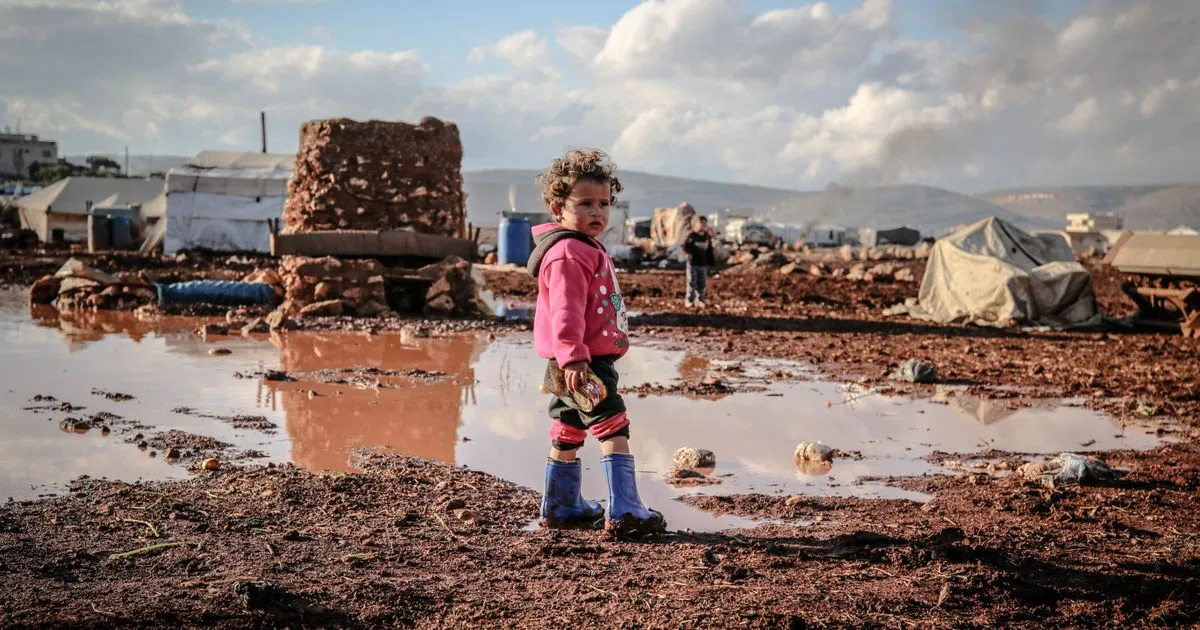
Middle East Crisis: Tensions Threaten Humanitarian Catastrophe
Millions of civilians face catastrophic risk as U.S.-Iran tensions escalate before crucial negotiations.
Strong Diplomacy: U.S. Strengthens Position Against Iran
The U.S. reinforces military and diplomatic strength for decisive negotiations against Iranian intransigence.
As the ceasefire deadline approaches, millions of civilians across the Middle East face existential threats from military escalation driven by geopolitical competition between Washington and Teheran. The accumulation of military forces signals potential for devastating conflict that would displace populations, destroy livelihoods, and create humanitarian crisis affecting workers and vulnerable communities throughout the region and beyond. A second round of negotiations represents a critical opportunity to prioritize human rights and civilian protection over traditional power politics.
🔹 What happened: Recent reports document military buildup by both American and Iranian forces, creating climate of fear among civilian populations already traumatized by years of conflict. No substantial preliminary agreements exist, raising concerns among humanitarian organizations about conflict escalation risks. Displaced persons camps and civil society networks warn of catastrophic consequences if military tensions convert to active warfare. International humanitarian agencies appeal for immediate diplomatic prioritization of civilian safety.
🔹 Key players: The U.S. administration pursues coercive diplomatic strategy potentially threatening civilian populations. Iran defends national sovereignty while military forces position defensively. Israel advocates intransigent positions complicating peace prospects. Gulf governments protect corporate and elite interests. Most critically, millions of civilians, migrant workers, and marginalized communities face disproportionate risks from any military escalation and economic collapse.
🔹 Why it matters: Military escalation would devastate vulnerable populations already suffering from years of instability and economic deprivation. Workers and small enterprises would face severe economic crisis from energy price increases and commerce disruption. Millions could become refugees, exacerbating global humanitarian emergency. Workers globally would experience employment and income disruption through commodity price volatility and supply chain collapse.
🔹 What to expect: Negotiations should be intensive but genuine, centering civilian protection rather than military advantage. International civil society pressure may encourage diplomatic compromises benefiting ordinary people. Short-term actions protecting civilians and refugees likely; medium-term possibilities include regional development frameworks prioritizing human dignity over militarism and weapons proliferation.
📌 EPM Take: True Middle Eastern security emerges from prioritizing civilian protection and human rights over geopolitical competition between major powers.
As the ceasefire deadline approaches, the United States administration advances strategically positioned negotiations designed to protect Western interests and ensure regional stability against Iranian expansion. American military preparedness combined with diplomatic firmness demonstrates commitment to defending the international order and preventing revisionist actors from destabilizing critical global regions. This principled approach reflects understanding that lasting peace requires strength backing negotiating positions and clear defense of allied interests throughout Occidental civilization.
🔹 What happened: The United States has significantly strengthened military capabilities in the Persian Gulf, establishing credible deterrence against Iranian intransigence and provocations. Specialized negotiating teams are being deployed with clear mandates reflecting American values and security interests. Iran continues demonstrating through military posturing and rhetoric that genuine peaceful intentions remain absent from their strategic calculations. The combination of strength and diplomatic clarity positions America for favorable negotiation outcomes.
🔹 Key players: The U.S. administration leads allied efforts with decisive support from Western partners and Israel ensuring regional security. Gulf Cooperation Council members trust American commitment to protecting the region against Iranian threats. Iran maintains resistance rhetoric incompatible with serious peace negotiations. International organizations lack capacity to address conflicts requiring strategic clarity and military backing to resolve effectively.
🔹 Why it matters: Middle Eastern stability proves fundamental to global economic prosperity, energy security, and employment for workers throughout the world. A militarily limited Iran reduces threats to critical infrastructure and international commerce that depend on stable regional conditions. Strong Western leadership attracts investment, creates employment, and ensures prosperity for allied nations and their citizens through predictable security environments.
🔹 What to expect: American firmness will likely encourage Iranian reconsideration of intransigent positions during upcoming negotiations. Clear agreements limiting Iranian military capabilities with international verification mechanisms appear probable. Medium-term regional stabilization would enable economic normalization and strengthened Western alliance structures providing security for democratic societies.
📌 EPM Take: American strength and diplomatic clarity represent essential instruments for building durable peace based on international order rather than capitulation to authoritarian actors.
Crisis Oriente Medio: negociaciones tensas amenazan paz
Millones de civiles enfrentan riesgo mientras tensiones entre EE.UU. e Irán amenazan nuevas hostilidades.
Negociaciones firmes: EE.UU. refuerza posición frente a Irán
Estados Unidos refuerza su posición militar y diplomática para negociaciones decisivas contra la intransigencia iraní.
A medida que se aproxima el vencimiento del plazo de cese de hostilidades, millones de ciudadanos en Oriente Medio viven bajo la amenaza constante de una escalada militar que podría desplazar a poblaciones enteras. Las tensiones entre Washington y Teherán generan incertidumbre para trabajadores, familias y comunidades ya afectadas por años de conflictividad. Una segunda ronda de negociaciones se perfila como oportunidad crítica para evitar mayores sufrimientos humanitarios en la región.
🔹 Lo que pasó: Reportes recientes evidencian una acumulación de fuerzas militares estadounidenses en el Golfo Pérsico mientras Irán fortalece sus defensas regionales. Sin acuerdos preliminares sustanciales, ambas naciones se preparan para negociaciones que determinarán si prevalece el diálogo o la confrontación armada. La falta de progreso previo genera temor entre organizaciones humanitarias sobre el riesgo de conflicto abierto.
🔹 Actores: La administración estadounidense mantiene una postura de poder coercitivo, mientras que Irán defiende su derecho a capacidades defensivas soberanas. Países como Israel presionan por posturas intransigentes, complicando el terreno diplomático. Gobiernos del Golfo buscan proteger sus intereses económicos. Civiles, trabajadores migrantes y comunidades vulnerables constituyen la población más afectada por cualquier escalada.
🔹 Por qué importa: Cualquier escalada militar tendría consecuencias devastadoras para poblaciones civiles ya vulnerables por años de inestabilidad. Los trabajadores y pequeñas empresas enfrentarían crisis económica severa con subidas en precios de energía. Millones de refugiados podrían ser desplazados, agravando crisis humanitaria global. El impacto social atravesaría fronteras, afectando migrantes y comunidades precarias en todo el mundo.
🔹 Qué esperar: Se anticipa que negociaciones serán complejas pero necesarias para proteger vidas civiles. La presión de sociedad civil y gobiernos progresistas podría favorecer compromisos diplomáticos. A corto plazo, acciones de coordinación internacional para protección de civiles; a mediano plazo, posibles marcos de cooperación regional que privilegien desarrollo sobre militarismo.
📌 Conclusión EPM: La verdadera seguridad en Oriente Medio depende de priorizar protección de poblaciones civiles y derechos humanos sobre intereses geopolíticos tradicionales.
Con el vencimiento del plazo de alto el fuego aproximándose, la administración estadounidense se posiciona con fortaleza para una segunda ronda de negociaciones que resulte favorable a los intereses de Occidente y la estabilidad regional. Los movimientos estratégicos de Washington demuestran determinación en defender el orden internacional y prevenir que actores revisionistas expandan su influencia en Oriente Medio. Esta postura firme es esencial para proteger los intereses económicos y de seguridad de naciones aliadas.
🔹 Lo que pasó: Estados Unidos ha incrementado su presencia militar en el Golfo Pérsico, consolidando capacidades disuasorias ante la intransigencia iraní. Simultáneamente, se preparan equipos negociadores robustos que llevarán demandas claras sobre desmilitarización y cumplimiento de acuerdos internacionales. Irán continúa con provocaciones retóricas y militares que demuestran su falta de disposición genuina hacia soluciones pacíficas duraderas.
🔹 Actores: La administración estadounidense lidera esfuerzos con apoyo decidido de aliados occidentales e Israel. Gobiernos del Golfo confían en que Washington protegerá el orden regional contra amenazas iraníes. Por su lado, Irán mantiene retórica de resistencia que distancia posibilidades de acuerdos reales. Organizaciones internacionales permanecen al margen, sin capacidad efectiva para resolver conflictos de naturaleza estratégica.
🔹 Por qué importa: La estabilidad de Oriente Medio es fundamental para la economía global y el suministro energético que dependen empresas, empleadores y trabajadores en todo el mundo. Un Irán limitado militarmente reduce riesgos de ataques contra infraestructuras críticas y comercio internacional. La seguridad regional fortalece inversión, empleo y prosperidad de naciones aliadas y sus ciudadanos.
🔹 Qué esperar: La firmeza estadounidense probablemente llevará a Irán a reconsiderar su postura intransigente en negociaciones próximas. Se anticipa acuerdos que establezcan límites claros a capacidades iraníes y supervisión internacional. A mediano plazo, estabilización que permita normalización económica y fortalecimiento de alianzas occidentales en la región.
📌 Conclusión EPM: La fuerza y claridad diplomática estadounidense son instrumentos esenciales para construir paz duradera basada en orden internacional, no en capitulación ante autoritarismo.