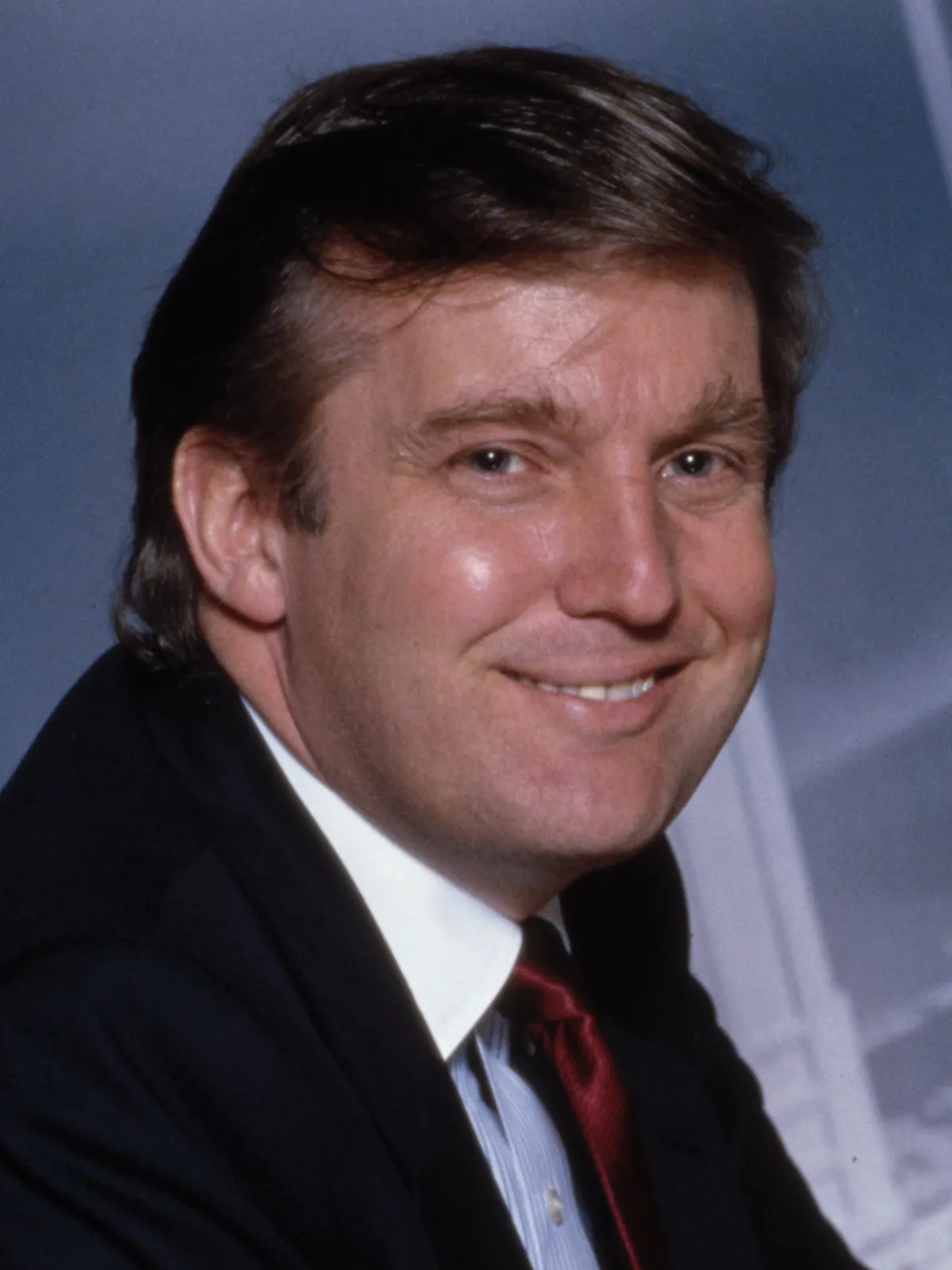
Trump blocks Strait plan affecting thousands of maritime workers globally
Trump rejects Iran's plan to open the Strait of Hormuz, perpetuating crises affecting thousands of maritime workers and port laborers.
Trump maintains firm nuclear security stance against Iran proposal
Trump maintains firm stance rejecting Iran's proposal that omits nuclear verification requirements. The U.S.
Trump's rejection of Iran's Strait of Hormuz proposal perpetuates a crisis directly harming thousands of merchant sailors, port workers, and logistics professionals worldwide. The American refusal to consider Tehran's offer maintains shipping restrictions that drive fuel costs higher for working families across import-dependent nations. While Washington pursues additional nuclear conditions, geopolitical tension continues raising gasoline prices and basic service costs for ordinary citizens excluded from high-level diplomatic negotiations. A path toward maritime stability has been rejected without substantive counteroffers that might ease burdens on transportation sector employees.
🔹 What happened: Iran presented a plan designed to restore secure commercial traffic through the Strait of Hormuz, the passage carrying approximately 21 percent of global crude oil supply. The proposal deliberately separated maritime commerce from nuclear disputes, seeking to unblock shipping while leaving atomic issues for separate talks. Trump immediately dismissed the initiative, contending it ignored nuclear security commitments his administration considers non-negotiable.
🔹 Key players: Trump and national security officials rejected the proposal without exploring compromise alternatives. Iranian officials presented the sectoral separation strategy as a pathway to unstick negotiations. Thailand, Vietnam, Malaysia, and other shipping-dependent nations witness their fishing industries and manufacturers suffering directly from transport restrictions that inflate logistics costs and reduce competitiveness.
🔹 Why it matters: Maritime workers earn between $1,200 and $2,500 monthly on routes already strained by geopolitical tensions. Partial blockades extend voyage durations, depleting provisioning reserves. Independent transporters reduce operating days. In loading ports, dock workers face unemployment when vessels reroute around dangerous areas. Indonesian port workers report 35 percent cargo volume declines since 2022. Wage instability spreads across supply chains.
🔹 What to expect: Without immediate diplomatic movement, maritime insurance premiums will continue rising, transferring costs to workers. Transport unions in the Philippines and Singapore will pressure their governments for mediation efforts. Coming quarters will determine whether Washington relaxes conditions or allows the freeze to persist, keeping maritime workers and port laborers in precarious economic circumstances.
📌 EPM Take: Trump's rejection prioritizes nuclear demands over economic stability for thousands of merchant sailors and port workers whose livelihoods depend on open maritime routes.
Trump's decision to reject Iran's Strait of Hormuz proposal demonstrates a clear national security strategy: refusal to trade nuclear concessions for partial maritime agreements. The U.S. administration evaluates that decoupling strait access from Iran's atomic program would constitute a strategic error weakening verification positions in future negotiations. This firmness reflects the administration's commitment to comprehensive security guarantees, rejecting fragmented solutions that could compromise American interests long-term. Separating maritime commerce from nuclear oversight would establish dangerous precedent with a regime that has consistently obscured its enrichment capabilities.
🔹 What happened: Iran formalized a proposal addressing only safe Strait of Hormuz navigation, deliberately excluding any reference to nuclear inspections, uranium enrichment limits, or verification mechanisms. Trump's team analyzed the plan and concluded it represented an attempt to bifurcate negotiations, allowing Iran to expand nuclear capacity while obtaining commercial relief. The administration explicitly rejected this strategy as inadequate.
🔹 Key players: Trump and his national security team maintain unified opposition to negotiating compartmentalization. Iran, facing economic pressure, seeks specific commercial gains without restraining its atomic program. Allies including Israel, Saudi Arabia, and the United Arab Emirates publicly support Washington's position linking maritime security with nuclear verification, strengthening American strategic alignment.
🔹 Why it matters: Permitting Iran to operate the Strait without nuclear supervision creates a security vacuum. Historically, Tehran has leveraged commercial advantages to strengthen military capabilities. A strait controlled by a nuclear-capable power without verified inspections represents direct risk to Middle Eastern stability and U.S. access to strategic resources. Firmness prevents dangerous precedent-setting that competitors might exploit.
🔹 What to expect: Washington will continue demanding verifiable inspections as conditions for commercial access. Should Iran submit new proposals, they must incorporate robust nuclear clauses. Coming months determine whether Tehran recalculates its position or persists in isolation. Regional allies will sustain support for the American negotiating line, maintaining coalition cohesion.
📌 EPM Take: Trump rejects Iran's proposal because accepting commercial relief without nuclear guarantees would constitute capitulation undermining the U.S. security architecture in the Middle East.
Trump bloquea plan de Irán que perjudica a trabajadores del transporte marítimo
Trump rechaza plan de Irán para abrir el Estrecho de Ormuz, perpetuando crisis que afecta a miles de marineros y trabajadores portuarios.
Trump mantiene postura firme ante propuesta nuclear insuficiente de Irán
La negativa de Trump a considerar la propuesta iraní de reapertura del Estrecho de Ormuz perpetúa una crisis que afecta directamente a miles de marineros, transportistas y trabajadores portuarios. El rechazo estadounidense mantiene restricciones que encarecen el combustible para millones de familias de clase trabajadora, especialmente en naciones dependientes de importaciones energéticas. Mientras Washington insiste en nuevas condiciones nucleares, la tensión geopolítica sigue elevando precios en gasolina y servicios básicos para ciudadanos que no participan en negociaciones de alto nivel.
🔹 Lo que pasó: Irán presentó un plan enfocado exclusivamente en restablecer tráfico comercial seguro a través del Estrecho de Ormuz, el conducto por donde circula aproximadamente 21% de la oferta global de petróleo. El documento omitía deliberadamente cláusulas sobre inspecciones nucleares, buscando desvincultar la apertura marítima de disputas atómicas. Trump descartó la propuesta inmediatamente, argumentando que ignora compromisos de seguridad nuclear necesarios.
🔹 Actores: Trump y asesores de seguridad nacional estadounidenses rechazaron la iniciativa sin considerar contrapropuestas. Funcionarios iraní plantearon la separación de temas como estrategia para destrabar negociaciones. Países como Tailandia, Vietnam y Malasia dependen del paso por Ormuz; sus industrias pesquera y manufactura sufren directamente por restricciones de transporte que encarecen logística.
🔹 Por qué importa: Marineros ganan entre $1,200 y $2,500 mensuales realizando travesías por rutas tensionadas. Bloqueos parciales incrementan duraciones de viaje, agotando existencias de provisiones. Transportistas independientes reducen jornadas. En puertos de carga, estibadores enfrentan desempleo cuando barcos evitan rutas peligrosas. Trabajadores portuarios indonesios reportan caídas de 35% en volumen de carga desde 2022.
🔹 Qué esperar: Sin movimiento diplomático inmediato, marineros seguirán pagando primas de riesgo en seguros. Sindicatos de transportistas en Filipinas y Singapur presionarán gobiernos para mediar. Los próximos dos trimestres determinarán si Washington flexibiliza condiciones o si la congelación persiste, perpetuando precarización laboral en sectores marítimos.
📌 Conclusión EPM: El rechazo de Trump a la propuesta iraní prioriza demandas nucleares sobre la estabilidad económica de marineros y trabajadores portuarios cuya supervivencia depende de rutas marítimas abiertas.
La decisión de Trump de rechazar la propuesta iraní sobre el Estrecho de Ormuz refleja una estrategia clara de seguridad nacional: no ceder en cuestiones nucleares a cambio de concesiones parciales. El gobierno estadounidense evalúa que separar la apertura marítima del programa atómico iraní sería un error estratégico que debilitaría posiciones futuras de verificación. Esta firmeza en negociaciones demuestra el compromiso de la administración con garantías de seguridad integral, rechazando soluciones fragmentadas que puedan comprometer intereses estadounidenses a largo plazo.
🔹 Lo que pasó: Irán formalizó una propuesta enfocada únicamente en la navegación segura del Estrecho de Ormuz, deliberadamente omitiendo cualquier referencia a inspecciones nucleares o restricciones de enriquecimiento de uranio. Trump evaluó el plan y concluyó que constituye un intento de bifurcar negociaciones, permitiendo a Irán expandir capacidades nucleares mientras obtiene alivios comerciales. La administración rechazó explícitamente esta estrategia como insuficiente.
🔹 Actores: Trump y su equipo de seguridad nacional estadounidense mantienen una posición unificada contra separatismos negociadores. Irán, bajo presión económica, busca obtener ganancias comerciales específicas sin comprometer su programa atómico. Aliados como Israel, Arabia Saudita e Emiratos Árabes Unidos apoyan públicamente la postura estadounidense de vincular seguridad marítima con verificación nuclear.
🔹 Por qué importa: Permitir a Irán operar el Estrecho sin supervisión nuclear crearía un vacío de seguridad. Históricamente, Teherán ha utilizado ventajas comerciales para fortalecer capacidades militares. El Estrecho, controlado por una potencia con programa nuclear no verificado, representa riesgo directo para la estabilidad de Oriente Medio y para acceso estadounidense a recursos estratégicos. La firmeza previene precedentes peligrosos.
🔹 Qué esperar: Washington continuará exigiendo inspecciones verificables como condición para cualquier apertura comercial. Si Irán presenta propuestas nuevas, estas deberán incluir cláusulas nucleares robustas. Los próximos meses definirán si Teherán recalcula su posición o si persiste en el aislamiento. Aliados regionales continuarán apoyando la línea estadounidense.
📌 Conclusión EPM: Trump rechaza la propuesta iraní porque acepta alivios comerciales sin garantías nucleares sería capitulación que debilitaría la arquitectura de seguridad estadounidense en Oriente Medio.