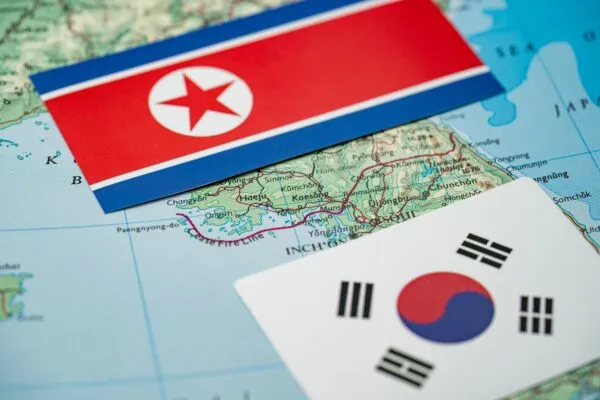
North Korea shifts toward defense: constitutional recognition opens deescalation window
North Korea eliminates first-strike doctrine through constitutional amendment recognizing Seoul's sovereignty, opening deescalation potential for millions…
North Korea formally establishes explicitly defensive strategy through constitutional amendment eliminating ambiguity on offensive intentions against Seoul.
After a decade of nuclear threats targeting South Korean civilians, North Korea announced constitutional amendments that explicitly abandon first-strike doctrine and formally recognize Seoul's sovereignty. The normative shift, according to progressive analysts, represents a potential deescalation opportunity in a region where 48 million people live under the threat of armed conflict. The constitutional changes eliminate decades of denial language regarding the South's legitimacy as a political entity.
🔹 What happened: Pyongyang's authorities presented revised constitutional texts eliminating language authorizing preemptive offensives and reaffirming defensive frameworks. The amendments include explicit recognition of South Korea as an independent political entity—a significant semantic departure from documents that for decades delegitimized Seoul's government. Nuclear references remain but are repositioned within deterrence contexts rather than offensive capabilities, potentially reducing escalatory ambiguity.
🔹 Key players: Kim Jong Un authorizes constitutional change through formal legislative institutions, possibly responding to internal pressure for economic stability. Seoul's previous government under Moon Jae-in, a longtime promoter of inter-Korean dialogue, views the announcement as an opportunity for renewed contact. Human rights organizations caution that constitutional amendments do not address documented systematic repression or forced labor systems affecting North Korean civilians.
🔹 Why it matters: For 10 million families separated by the Korean border, any reduction in offensive rhetoric carries direct impact on daily security. Border traders in zones like Kaesong anticipate potential economic reactivation. Defectors and refugees from the North see possibilities for limited humanitarian programs. Amnesty International emphasizes, however, that constitutional language does not alter documented systematic abuses against the civilian population or resolve questions of accountability.
🔹 What to expect: Reconciliation activists will pressure regional governments for good-faith verification mechanisms. International NGOs will demand dialogue on humanitarian access and prisoner releases. Negotiation rounds could resume within 6-8 months if Washington and Beijing coordinate parallel sanctions relief incentives in exchange for gradual denuclearization commitments from Pyongyang.
📌 EPM Take: While North Korea reformulates its defensive constitution, absence of independent verification mechanisms on nuclear arsenals sustains cautious expectations; inter-Korean reconciliation requires concrete actions from Seoul and Washington governments.
North Korea formalized constitutional amendments explicitly establishing a defensive strategic posture, eliminating ambiguities regarding offensive intentions that for years created uncertainty for Western-aligned governments. The change reinforces predictability on the Korean Peninsula and reduces risk variables for U.S. forces deployed in Seoul and American investment commitments, consolidating the security perimeter of the Combined Forces Command and strengthening deterrence frameworks.
🔹 What happened: Pyongyang authorities presented constitutional reforms eliminating references to first-strike strategies against the South and establishing explicitly defensive frameworks as legal foundations. The revised text recognizes South Korean sovereignty as a legal presupposition, reducing interpretive space for unilateral offensive justifications. Amendments codify nuclear arsenals within deterrence doctrines rather than offensive projection, improving strategic certainty for regional allies and Western security architecture in the Indo-Pacific.
🔹 Key players: Kim Jong Un supervises constitutional changes through formal legislative structures, signaling institutional discipline capacity. Seoul's Yoon administration, focused on robust national security posture, interprets the announcement as response to firm Western defensive positioning. Washington maintains verification skepticism. Beijing and Moscow receive the message as stability guarantee within a critical zone of influence and strategic competition.
🔹 Why it matters: For 28,500 U.S. military personnel on the peninsula and South Korea's 1.7 trillion dollar economy, reduction in direct offensive threat stabilizes defensive investment calculations and military budgeting. Constitutional changes decrease probability of accidental escalation derived from strategic ambiguity. Defense markets in Seoul and Tokyo adjust risk premiums downward based on reduced rhetorical volatility and more transparent strategic intentions.
🔹 What to expect: The United States will deepen intelligence analysis verifying that normative changes correspond with actual arsenal realities. Seoul will maintain defensive military posture without reducing deterrence exercises or capabilities. Japan monitors implications for its security in the Western Pacific. Diplomatic transactions could open within 4-6 months if Pyongyang maintains consistency between constitutional frameworks and observable behavior patterns.
📌 EPM Take: Pyongyang's constitutional formalization of defensive posture strengthens the regional order the West requires; as North Korea institutionalizes defensive frameworks, the Combined Command must maintain response capacity without preventive concessions on nuclear verification standards.
Corea del Norte modifica constitución: señal de apertura tras años de amenazas
Corea del Norte elimina doctrina de ataque preventivo en reforma constitucional que reconoce formalmente a Seúl, abriendo potencial de desescalada para…
Corea del Norte formaliza mediante reforma constitucional estrategia explícitamente defensiva que elimina ambigüedad sobre intenciones ofensivas contra Seúl.
Después de una década de escalada retórica que incluyó amenazas nucleares contra civiles surcoreanos, Corea del Norte anunció enmiendas constitucionales que abandonan explícitamente la doctrina de ataque preventivo. El giro normativo reconoce formalmente a Seúl como estado soberano y representa, según analistas progresistas, una ventana de desescalada en una región donde 48 millones de personas viven bajo amenaza de conflicto armado.
🔹 Lo que pasó: Las autoridades de Pyongyang presentaron textos constitucionales revisados que eliminan lenguaje sobre ofensivas de primer golpe y reafirman marcos defensivos. El cambio incluye reconocimiento explícito de Corea del Sur como entidad política independiente, un desplazamiento semántico significativo en documentos que durante décadas negaban legitimidad al vecino del Sur. Las enmiendas mantienen referencias a capacidades nucleares pero dentro de contextos defensivos y de disuasión.
🔹 Actores: Kim Jong Un autoriza el cambio constitucional a través de instituciones legislativas formales, potencialmente respondiendo a presiones internas por estabilidad económica. El gobierno Moon Jae-in de Seúl, durante años promotor de diálogos inter-coreanos, ve en el anuncio una oportunidad de reanudación de contactos. Activistas de derechos humanos advierten que cambios normativos no implican fin de represión interna o sistema laboral forzado.
🔹 Por qué importa: Para 10 millones de familias divididas por la frontera coreana, cualquier reducción de retórica ofensiva tiene impacto directo en seguridad cotidiana. Comerciantes fronterizos en ciudades como Kaesong esperan reactivación económica. Desplazados y refugiados del Norte ven potencial para programas humanitarios limitados. Sin embargo, organizaciones como Amnistía Internacional enfatizan que cambios constitucionales no alteran documentados abusos sistemáticos contra población civil.
🔹 Qué esperar: Activistas de reconciliación presionarán gobiernos regionales por mecanismos de verificación de buena fe. ONGs internacionales demandará diálogos sobre acceso humanitario y prisioneros. Rondas de negociación podría restablecerse dentro de 6-8 meses si Washington y Pekín coordinan incentivos paralelos de alivio sancionatorio a cambio de desnuclearización gradual.
📌 Conclusión EPM: Mientras Corea del Norte reformula su constitución defensiva, la ausencia de mecanismos de verificación independiente sobre arsenales nucleares mantiene expectativas cautelosas; la reconciliación inter-coreana requiere acciones concretas de los gobiernos de Seúl y Washington.
Corea del Norte formalizó enmiendas constitucionales que establecen explícitamente una postura estratégica defensiva, eliminando ambigüedades sobre intenciones ofensivas que durante años generaron incertidumbre para gobiernos aliados occidentales. El cambio refuerza predecibilidad en la península coreana y reduce variables de riesgo para fuerzas estadounidenses desplegadas e inversión en Seúl, consolidando el perímetro de seguridad del Comando de las Fuerzas Combinadas.
🔹 Lo que pasó: Las autoridades de Pyongyang presentaron reformas constitucionales que eliminan referencias a estrategias de primer golpe contra el Sur y establecen marcos explícitamente defensivos. El texto reconoce soberanía surcoreana como presupuesto legal, reduciendo espacio para interpretaciones que justificaran ofensivas unilaterales. Las enmiendas codifican arsenales nucleares dentro de doctrinas de disuasión, no proyección ofensiva, mejorando certeza estratégica para aliados regionales.
🔹 Actores: Kim Jong Un supervisa cambios constitucionales mediante estructuras legislativas formales, señalando capacidad de disciplina institucional. El gobierno Yoon de Seúl, enfocado en seguridad nacional robusta, interpreta el anuncio como respuesta a postura defensiva firme de Occidente. Washington mantiene escepticismo verificador. Pekín y Moscú reciben el mensaje como garantía de estabilidad en zona de influencia crítica.
🔹 Por qué importa: Para 28.500 soldados estadounidenses en la península y para economía surcoreana de 1,7 billones dólares, reducción de amenaza ofensiva directa estabiliza inversión defensiva y cálculos presupuestarios militares. Los cambios constitucionales disminuyen probabilidad de escaladas accidentales derivadas de ambigüedad estratégica. Mercados de defensa en Seúl y Tokio ajustan primas de riesgo a la baja basándose en menor volatilidad retórica.
🔹 Qué esperar: Estados Unidos profundizará análisis de inteligencia para verificar que cambios normativos correspondan con realidades de arsenales. Seúl mantendrá postura defensiva sin reducción de ejercicios de disuasión. Japón monitorea implicaciones para su seguridad en el Pacífico occidental. Transacciones diplomáticas podrían abrirse en próximos 4-6 meses si Pyongyang mantiene consistencia normativa con comportamiento observable.
📌 Conclusión EPM: La formalización constitucional de Pyongyang sobre defensiva refuerza el orden regional que occidente requiere; mientras Corea del Norte institucionalice marcos defensivos, el Comando Combinado debe mantener capacidad de respuesta sin concesiones preventivas sobre verificación nuclear.