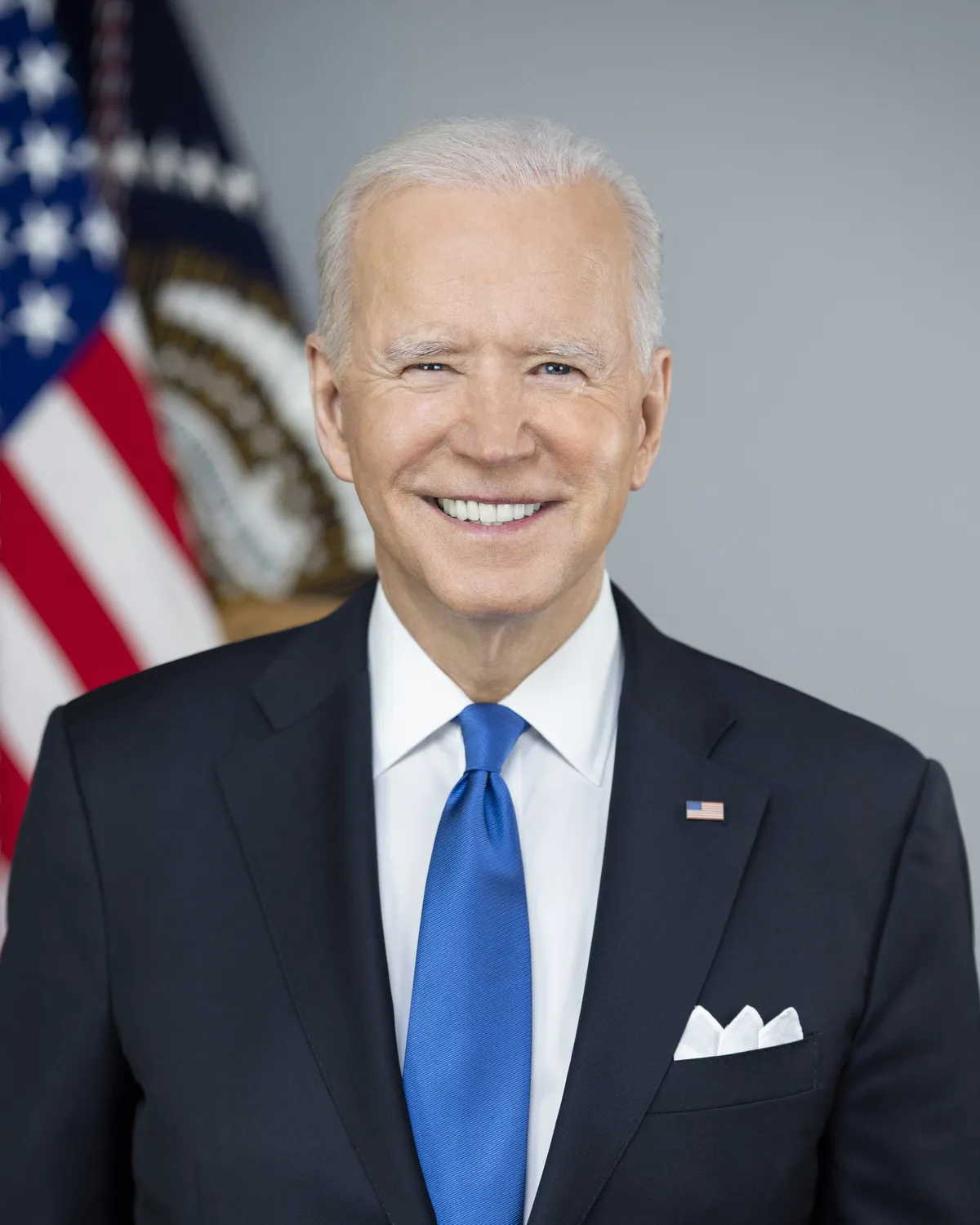
Hunter Biden discusses addiction recovery with conservative media host Owens
Hunter Biden shared details about his addiction battle in two-hour interview where Candace Owens apologized for previous critical coverage.
Owens and Biden dialogue on addiction in non-confrontational interview format
Candace Owens conducted a two-hour interview with Hunter Biden addressing his addiction and revising previous criticism.
Hunter Biden accessed a conservative media platform to directly narrate his trajectory with addiction, a step contrasting years of hostile coverage seeking to stigmatize his recovery. The two-hour conversation allowed the president's son to dismantle oversimplified narratives about his person, while Candace Owens publicly acknowledged amplifying unfounded criticism. This space of vulnerability represents a fracture in media patterns that historically criminalized his health challenges through selective reporting and decontextualized allegations.
🔹 What happened: During the interview, Hunter Biden detailed specifically his recovery process from opioid and alcohol addiction, explaining relapse cycles and treatment intervention. He described the impact of permanent media exposure on his mental health and family relationships. Candace Owens interrupted narrative flow to formally apologize for participating in disinformation campaigns presenting him as corruption symbol without medical context of his condition. Biden accepted apologies and continued his account without apparent resentment, allowing substantive discussion of recovery mechanisms.
🔹 Key players: Hunter Biden brought his testimony to a space historically attacking him, demonstrating that addiction recovery requires public narrative repair alongside medical treatment. Candace Owens modified her previous positioning, acknowledging her criticism failed differentiating between legitimate family policy questions and stigma regarding mental illness. No other institutional actor participated; conversation remained bilateral without external editorial influence shaping responses.
🔹 Why it matters: Millions of Americans in recovery face similar media stigma obstacles complicating reintegration into employment and social networks. When public figures narrate these struggles especially before audiences typically stigmatizing them, they create empathy precedents against shame patterns. Owens's acknowledgment suggests dialogue possibility between polarized sectors regarding mental health topics. Recovery visibility in conservative spaces reduces isolation experienced by affected populations navigating dual stigma from media and institutional barriers.
🔹 What to expect: Other conservative media spaces may evaluate whether their previous coverage replicated unnecessary stigma against addiction as disease. Recovery organizations will likely cite the interview as evidence that humanized narratives generate understanding over pathologization. Mental health advocates will use segments sensitizing publics to distinction between political accountability and medical condition coverage. Conservative audiences accessing this interview gain information contradicting previous frameworks presented by alternative outlets.
📌 EPM: Owens's recognition of her unfounded criticism validates what mental health advocates document: media coverage of addiction perpetuates exclusion cycles preventing actual recovery. The interview evidences that conservative sectors can recalibrate when accessing direct narrative from affected individuals.
A nearly two-hour interview between Candace Owens and Hunter Biden demonstrated that direct dialogue functions effectively across media positioning divides. Biden addressed specifically his personal history with drugs and alcohol, while Owens reviewed her previous coverage, allowing conversation where both prioritized information over confrontation. The format illustrates how bilateral communication spaces can reduce polarization without sacrificing critical rigor regarding public decisions and institutional accountability.
🔹 What happened: Hunter Biden participated in extended interview explaining his addiction trajectory, recovery, and private life. He addressed without evasion questions about his past including relapse cycles and treatment documented by media outlets. Candace Owens, commentator known for conservative criticism, conducted moment of review regarding her previous Biden comments, apologizing specifically. Conversation maintained depth level rare in fragmented media spaces, allowing extended context about events typically compressed into headline formats.
🔹 Key players: Hunter Biden maintained narrative control of his own story in format prioritizing his voice over third-party interpretations. Candace Owens adjusted her conductor role, functioning as counterpart willing to acknowledge shifts in her previous evaluation. No government institution intervened or controlled content production. The exchange was private in structural terms, without evident institutional political agenda operating behind conversation.
🔹 Why it matters: Capacity for public figures communicating directly without media intermediaries strengthens citizen informational governance. Biden accessed space where he could be questioned without editorial guarantees, demonstrating confidence in his narrative construction. Owens modified previous evaluations, indicating additional information generates improved judgment. This pattern suggests expansion of prolonged conversation formats reduces misinformation based on decontextualized editorial fragments divorced from substantive context.
🔹 What to expect: Interview segments will likely generate secondary debate in traditional media prioritizing specific angles for institutional audiences. Other conservative spaces will evaluate whether conversation establishes new standard for coverage of political family figures in power. Audiences across both platforms access content without editorial filter enabling independent assessment. No institutional consequences are anticipated; impact will primarily affect calibration of public perception and media precedent-setting.
📌 EPM: Biden's decision participating in extended format with Owens, and her revision of previous positioning, demonstrates that unrestricted communication spaces generate better understanding than reactive criticism cycles. Communicative stability requires dialogue without institutional mediators distorting substantive exchange.
Hunter Biden relata su lucha contra adicción ante audiencia conservadora
Hunter Biden compartió detalles sobre su batalla contra la adicción en entrevista de dos horas donde Candace Owens pidió disculpas por cobertura crítica…
Owens y Biden dialogan sobre adicción en entrevista sin confrontación
Candace Owens condujo una entrevista de dos horas con Hunter Biden donde abordó su adicción y revisó críticas previas.
Hunter Biden accedió a una plataforma mediática conservadora para narrar directamente su trayectoria con la adicción, un paso que contrasta con años de cobertura hostil que buscó estigmatizar su recuperación. La conversación de dos horas permitió al hijo del presidente desmantelar narrativas simplificadas sobre su persona, mientras Candace Owens reconoció públicamente haber amplificado críticas infundadas. Este espacio de vulnerabilidad representa una fractura en patrones mediáticos que históricamente criminalizaron sus desafíos de salud.
🔹 Lo que pasó: En la entrevista, Hunter Biden detalló específicamente su proceso de recuperación de adicción a opioides y alcohol, explicando ciclos de recaída y tratamiento. Describió el impacto de la exposición mediática permanente en su salud mental y en su familia. Candace Owens interrumpió el flujo narrativo para pedir disculpas formales por haber participado en campañas de desinformación que lo presentaban como símbolo de corrupción sin contexto sobre su condición médica. Biden aceptó las disculpas y continuó con su relato sin resentimiento aparente.
🔹 Actores: Hunter Biden llevó su testimonio a un espacio que históricamente lo había atacado, demostrando que la recuperación de adicción requiere también reparación pública de narrativas dañinas. Candace Owens modificó su posicionamiento anterior, reconociendo que sus críticas no diferenciaban entre cuestionamientos legítimos sobre política familiar y estigma sobre enfermedad mental. Ningún otro actor institucional participó; la conversación fue bilateral.
🔹 Por qué importa: Millones de estadounidenses en recuperación enfrentan obstáculos similares de estigma mediático que dificulta su reintegración. Cuando figuras públicas relatan estas luchas, especialmente ante audiencias que típicamente los estigmatizan, crean precedentes de empatía sobre patrones de vergüenza. El reconocimiento de Owens sugiere posibilidad de diálogo entre sectores polarizados sobre temas de salud mental. La visibilidad de recuperación en espacios conservadores reduce aislamiento de personas afectadas.
🔹 Qué esperar: Otros espacios mediáticos conservadores podrían evaluar si sus coberturas previas replicaron estigma innecesario. Organizaciones de recuperación de adicción probablemente citarán la entrevista como evidencia de que narrativas humanizadas generan comprensión. Activistas de salud mental utilizarán fragmentos para sensibilizar sobre diferencia entre responsabilidad política y patologización de enfermedades. La audiencia conservadora que consume esta entrevista accede a información que contradice marcos previos.
📌 EPM: El reconocimiento de Owens sobre sus críticas infundadas valida lo que defensores de salud mental llevan años documentando: que la cobertura mediática de adicción perpetúa ciclos de exclusión que impiden recuperación real. La entrevista evidencia que sectores conservadores pueden recalibrar cuando acceden a narrativa directa.
Una entrevista de casi dos horas entre Candace Owens y Hunter Biden demostró que el diálogo directo puede funcionar incluso entre actores con posiciones mediáticas opuestas. Biden abordó específicamente su historial personal con drogas y alcohol, mientras Owens revisó su cobertura previa, permitiendo una conversación donde ambos priorizaron información sobre confrontación. El formato ilustra cómo espacios de comunicación bilateral pueden reducir polarización sin sacrificar rigor crítico sobre decisiones públicas.
🔹 Lo que pasó: Hunter Biden participó en una entrevista extendida donde explicó su trayectoria de adicción, recuperación y vida privada. Abordó sin evasivas preguntas sobre su pasado, incluyendo los ciclos de recaída y tratamiento que documentaron medios. Candace Owens, presentadora conocida por su crítica conservadora, realizó un momento de revisión sobre sus comentarios anteriores sobre Biden, disculpándose específicamente. La conversación mantuvo nivel de profundidad raro en espacios mediáticos fragmentados, permitiendo contexto extendido sobre eventos.
🔹 Actores: Hunter Biden llevó control narrativo de su propia historia en un formato que priorizó su voz sobre interpretaciones de terceros. Candace Owens ajustó su rol de conductora, fungiendo como contraparte dispuesta a reconocer cambios en su evaluación previa. Ninguna institución gubernamental intervino o controló el contenido. El intercambio fue privado en términos de estructura, sin agenda política institucional evidente operando detrás de la conversación.
🔹 Por qué importa: La capacidad de figuras públicas para comunicarse directamente sin intermediarios mediáticos fortalece la gobernanza informativa de ciudadanía. Biden accedió a espacio donde podría ser cuestionado sin garantías editoriales, demostrando confianza en su narrativa. Owens modificó evaluaciones previas, señalando que información adicional genera mejor juicio. Este patrón sugiere que expansión de formatos de conversación prolongada reduce desinformación basada en fragmentos editorializados descontextualizados.
🔹 Qué esperar: Es probable que fragmentos de la entrevista generen debate secundario en medios tradicionales que priorizarán ángulos específicos. Otros espacios conservadores evaluarán si la conversación establece nuevo estándar para cobertura de figuras políticas de familias en poder. Audiencias de ambas plataformas accederán a contenido sin filtro editorial que permite valoración independiente. No se anticipan consecuencias institucionales; el impacto será principalmente en calibración de percepción pública.
📌 EPM: La decisión de Biden de participar en formato extendido con Owens, y de ésta de revisar posicionamientos previos, demuestra que espacios de comunicación sin restricciones editoriales generan mejor entendimiento que ciclos de crítica reactiva. La estabilidad comunicativa requiere diálogo sin mediadores institucionales que distorsionen.