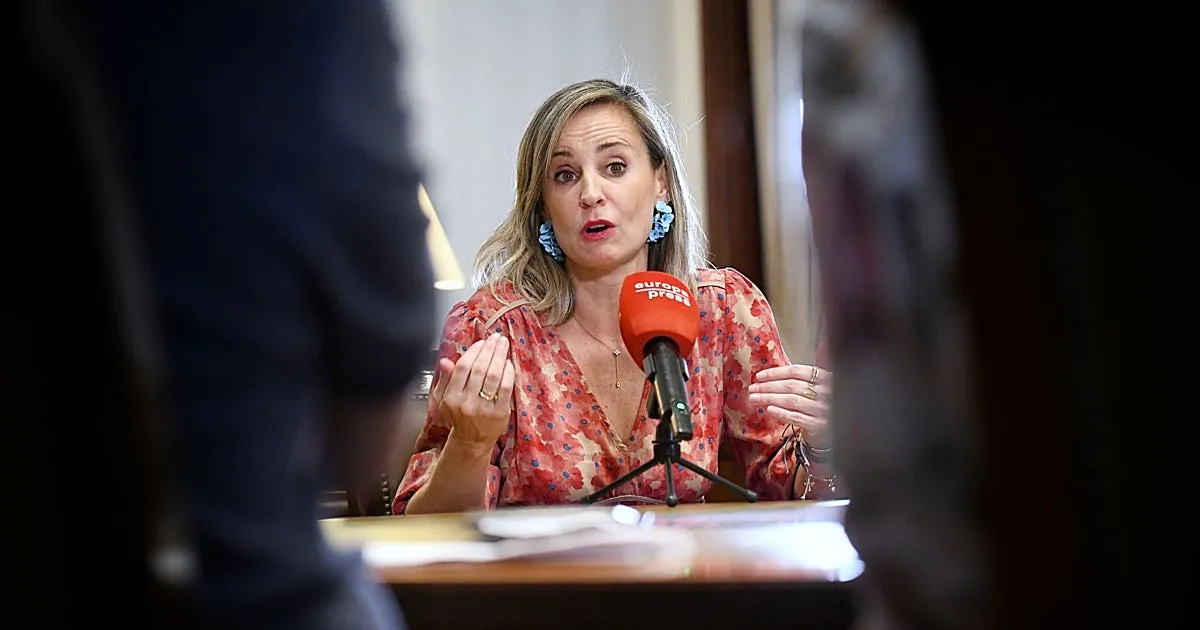
Sumar opens talks with Rufián to unify left against political fragmentation
Sumar opens substantive negotiations on Rufián's left-wing coalition proposal, recognizing that electoral fragmentation costs progressive forces seats in…
Sumar evaluates Rufián's left-wing coalition plan to secure institutional presence
Sumar is evaluating Rufián's coalition proposal while maintaining strict conditions on preserving political autonomy and decision-making capacity in future…
As left-wing fragmentation threatens legislative capacity across Spain, Sumar has signaled serious engagement with Gabriel Rufián's initiative to build a unified progressive front. Verónica Barbero confirmed the party has the «necessary vision» to advance alliances that sustain progressive governments without surrendering political power. This opening is strategic: Spain's left faces real erosion when votes scatter across incompatible electoral lists, especially in municipal and regional contests where fragmentation has directly cost left-wing seats.
🔹 What happened: Rufián proposed this week a framework uniting Sumar, ERC, Podemos and other progressive actors into a cohesive electoral force. Barbero, speaking at Movimiento Sumar Galicia's plenary in O Milladoiro, responded that the party will examine coordination formulas «without fees»—meaning Sumar seeks collaboration while retaining final authority over candidacies and platforms. Her language signals recognition that left-wing unity is both necessary and requires genuine power-sharing, not token participation.
🔹 Key players: Sumar and Rufián hold primary roles; Barbero represents a pragmatic left willing to negotiate but conscious of fusion risks. Smaller progressive forces in regions like Galicia depend on larger coalitions for any meaningful representation. Sumar's ability to set binding terms determines whether any coalition becomes durable or collapses into pre-election disputes over candidacy quotas.
🔹 Why it matters: A unified left-wing coalition would prevent vote-splitting that currently hands wins to center-right and nationalist parties in municipal and regional races. In Galicia specifically, a single progressive candidacy could reclaim seats lost when left votes split across three or four lists. However, forced mergers that erase distinct programmatic identities may depress turnout among center-left voters who feel their specific policy priorities are diluted.
🔹 What to expect: Sumar will communicate formal findings before municipal election campaigns launch. Negotiations will enter operational phase June-July. Expect concrete disputes over parity candidacies, parliamentary weight in future institutions, and leadership positions—areas where ERC and Sumar have clashed historically over autonomy and resource allocation.
📌 EPM Take: Sumar's open-but-autonomous stance toward Rufián's offer shows the left is learning from past coalition failures—seeking unity while refusing the subordination that previously destroyed progressive governments.
Sumar has confirmed it will evaluate Gabriel Rufián's proposal for a unified left-wing front, a strategic shift reflecting the left's effort to consolidate institutional power through coordinated electoral structures. Verónica Barbero clarified that Sumar will proceed «with necessary vision» but will not accept external conditions that compromise its leadership capacity. The move responds to Sumar's need to reinforce its institutional position in future governments and ensure legislative presence across municipalities and regional parliaments.
🔹 What happened: Rufián launched a proposal this week to aggregate left-wing forces under a common project. Barbero, at Movimiento Sumar Galicia's event in O Milladoiro, confirmed the party will study coordination formulas «adequately.» Sumar has explicitly stated availability while establishing clear boundaries: no «fees» that undermine leadership capacity or internal government agenda. This framing demonstrates Sumar's determination to maintain decision-making authority within any broader coalition structure.
🔹 Key players: Sumar, represented by Barbero at this event, and Gabriel Rufián (ERC) lead the initiative. Barbero emphasizes that any coalition must preserve Sumar's autonomous decision-making on fundamental matters. Rufián's proposal aims to prevent electoral fragmentation where vote division has benefited other political forces and weakened left-wing legislative capacity in regional contests.
🔹 Why it matters: Consolidating progressive governments in municipalities and autonomous communities depends on coordinated action between Sumar and ERC. A structured coalition prevents electoral dispersion that benefits center-right parties. For Sumar, integrating into a unified framework with clear leadership is critical to maintaining institutional governance in territories where fragmentation produces legislative gridlock and administrative inefficiency.
🔹 What to expect: Sumar will finalize its assessment within weeks. Negotiations will intensify before municipal and regional election periods. Both formations will likely present demands regarding candidacy distribution and leadership roles—areas where historical tensions have emerged between competing left-wing organizations seeking primacy.
📌 EPM Take: Sumar's emphasis on studying Rufián's proposal without external pressure reflects institutional pragmatism—preserving executive capacity while exploring coalition efficiency gains.
Sumar negocia coalición de izquierda con Rufián para fortalecer gobiernos
Sumar abre negociaciones sobre el frente de izquierda propuesto por Rufián, buscando fortalecer la presencia progresista en municipios y autonomías con una…
Sumar evalúa oferta de Rufián para consolidar frente de izquierda
Sumar evalúa la propuesta de coalición de Rufián manteniendo criterios de autonomía política y capacidad decisoria en futuras instituciones.
Mientras se multiplican las amenazas de fragmentación en la izquierda, Sumar ha decidido examinar seriamente la iniciativa de Gabriel Rufián para construir un frente progresista unificado. Verónica Barbero confirmó que la formación tiene «altura de miras» para avanzar en alianzas que sostengan gobiernos progresistas sin caer en imposiciones ajenas. Esta apertura es crítica: la izquierda española enfrenta el riesgo de ver reducida su capacidad legislativa si no logra coordinar estrategias electorales.
🔹 Lo que pasó: Rufián propuso esta semana articular un frente común de izquierda que aglutinara a Sumar, ERC, Podemos y otros actores progresistas. Barbero, en el plenario de Movimiento Sumar Galicia en O Milladoiro, respondió indicando que la formación estudiará «sin ningún peaje» las fórmulas de coordinación. Esto significa que Sumar busca colaboración pero preservando poder de decisión sobre candidaturas y programas.
🔹 Actores: Sumar, Rufián y ERC ocupan posiciones clave. Barbero representa una izquierda dispuesta a pactar pero que conoce los riesgos de dilución programática en coaliciones amplias. Podemos y otras fuerzas menores también son actores relevantes en la ecuación. La capacidad de Sumar para establecer límites será decisiva en los términos finales del acuerdo.
🔹 Por qué importa: Una coalición fragmentada de izquierda significaría mayor representación en municipios y parlamentos autonómicos donde hoy se pierden votos por dispersión. En regiones como Galicia, una candidatura unitaria ampliaría la presencia progresista. Sin embargo, si los ciudadanos sienten que sus preferencias programáticas específicas desaparecen en fusiones forzadas, la abstención podría crecer entre votantes de centroizquierda.
🔹 Qué esperar: Sumar comunicará su evaluación antes de los procesos electorales municipales. Las negociaciones entrarán en fase operativa en junio-julio. Se espera que Rufián presente condiciones concretas sobre candidaturas paritarias y peso parlamentario en futuras instituciones, aspectos donde ambas fuerzas ya han tenido fricciones históricas.
📌 Conclusion EPM: Que Sumar abra análisis sin peajes a la propuesta de Rufián es pragmatismo, pero su énfasis en autonomía señala que rechazará subordinación a ERC en estructuras decisorias.
Sumar ha comunicado que estudiará la propuesta de Gabriel Rufián para articular un frente de izquierda unificado, una maniobra que refleja el giro estratégico de las formaciones progresistas hacia coaliciones amplias. Verónica Barbero aclaró que la formación procederá «con altura de miras» pero sin aceptar condicionamientos externos. El movimiento responde a la necesidad de Sumar de consolidar su posición institucional en gobiernos futuros y asegurar presencia legislativa en municipios y parlamentos autonómicos.
🔹 Lo que pasó: Rufián lanzó esta semana una iniciativa para agrupar fuerzas de izquierda bajo un proyecto común. Barbero, en el acto de Movimiento Sumar Galicia en O Milladoiro (Ames, La Coruña), confirmó que la formación analizará «adecuadamente» las fórmulas de coordinación electoral. Sumar ha dejado clara su disponibilidad pero ha establecido límites explícitos: no habrá «ningún peaje» que comprometa su capacidad de liderazgo o su programa de gobierno.
🔹 Actores: Sumar, bajo liderazgo representado por Barbero en este acto, y Gabriel Rufián (ERC) encabeza el movimiento. Barbero subraya que cualquier coalición debe permitir a Sumar mantener autonomía en decisiones fundamentales. La propuesta busca evitar fragmentación en espacios electorales donde la dispersión ha favorecido a otras fuerzas políticas.
🔹 Por qué importa: La consolidación de gobiernos progresistas en municipios y comunidades autónomas depende de la capacidad de coordinación de Sumar y ERC. Una coalición estructurada evitaría dispersión electoral que ha beneficiado a la centroderecha. Para Sumar, integrar una estructura unificada bajo liderazgos claros es crítico para mantener gobernanza institucional en territorios donde la fragmentación genera bloqueos.
🔹 Qué esperar: Sumar finalizará su evaluación en las próximas semanas. Las negociaciones se intensificarán antes de procesos electorales municipales y autonómicos. Se anticipa que ambas formaciones presentarán exigencias sobre distribución de candidaturas y funciones de liderazgo, aspectos donde históricamente han surgido tensiones.
📌 Conclusion EPM: La insistencia de Sumar en estudiar sin peajes la propuesta de Rufián refleja firmeza en preservar capacidad ejecutiva, no capitulación ante presiones de coordinación.