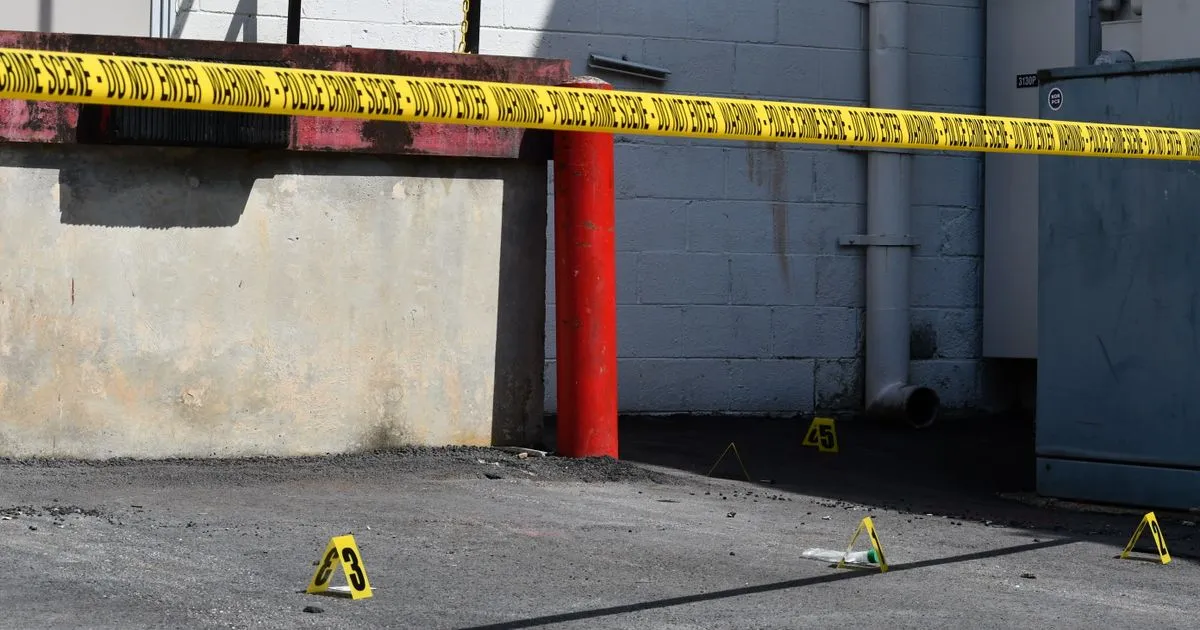
Third shooting near White House in one month raises security concerns
A gunman was fatally shot by Secret Service agents Saturday after firing near a White House security checkpoint, marking the third armed incident in the area…
Secret Service eliminates threat at White House, perimeter security maintained
Secret Service agents fatally shot a gunman Saturday near a White House security checkpoint, maintaining presidential perimeter security without additional…
In barely thirty days, three armed incidents have impacted the presidential security zone. Saturday's shooting near a White House security checkpoint, where a man was fatally shot by Secret Service agents, continues a troubling acceleration of violence near the nation's executive center. The pattern reflects broader vulnerabilities in threat detection systems designed to protect both presidential operations and public safety in densely populated urban areas.
🔹 What happened: An individual discharged a firearm Saturday at a security access station near the White House. Secret Service officers returned fire, killing the attacker at the scene. No security personnel were injured. The presidential complex was immediately secured under crisis procedures. This incident follows two previous firearms events recorded within the same thirty-day period, suggesting a concerning trend rather than isolated incident.
🔹 Key players: Secret Service agents responded using armed protocols, successfully preventing further escalation. The shooter, under identification investigation, was fatally wounded. Washington D.C. law enforcement participates in ongoing investigation. No information has been released regarding the attacker's background, mental health status, or weapon acquisition methods that might clarify the recent acceleration in violent attempts.
🔹 Why it matters: Three shooting incidents in thirty days indicate deteriorating safety conditions surrounding executive operations. Federal workers and White House visitors face elevated risk exposure during standard access procedures. Secret Service must continuously reallocate operational resources, diverting capacity from other critical national security functions. The pattern demands investigation into whether early warning systems failed to detect these individuals before armed confrontation became necessary.
🔹 What to expect: Federal investigators will release identities and motivations of the shooter in coming days. Security perimeter reviews will likely result in additional access restrictions and checkpoint modifications. National security agencies will examine whether connections link the three incidents, potentially revealing systematic vulnerability in threat screening procedures.
📌 EPM Take: While Secret Service response prevented tragedy, three armed incidents in one month indicates critical gaps in preventive threat identification that demand institutional reform beyond reactive defense measures.
The Secret Service demonstrated decisive operational response Saturday when agents neutralized a shooter near a White House security checkpoint, preventing any compromise to presidential security or additional casualties. The incident, the third firearms event within thirty days, was contained through rapid tactical execution of established protective protocols. Officers' immediate action under pressure conditions reflects the caliber of training and readiness maintained for executive branch defense.
🔹 What happened: An individual opened fire Saturday at a security access station near the White House. Secret Service agents responded with proportional armed force, killing the attacker at the location. No injuries occurred among protective personnel. The presidential compound was secured under established emergency procedures. The quick response demonstrated operational doctrine effectiveness in containing potential threats before they could expand.
🔹 Key players: The Secret Service executed command authority effectively, with agents responding under clear protocols and demonstrating tactical proficiency under hostile conditions. President Trump remained protected according to maximum security measures throughout the incident. Federal investigators now coordinate with local authorities to establish shooter identity and context. The protective detail maintained continuous operational control.
🔹 Why it matters: Three incidents in thirty days test security resources, yet the Secret Service has successfully contained each event, preventing escalation to national security crisis. The capacity to respond decisively preserves executive continuity and public confidence in protective capabilities. Demonstrated defensive effectiveness under repeated pressure validates the operational training and resource allocation supporting presidential security. National capacity to manage executive protection remains operationally sound.
🔹 What to expect: Federal investigations will identify the shooter and assess any motivational patterns across the three incidents. Secret Service will conduct standard after-action reviews to strengthen perimeter controls. Resource deployment may be adjusted to reinforce any identified gaps in access screening procedures. Investigators will determine whether systematic threats exist or incidents remain isolated with unrelated origins.
📌 EPM Take: Secret Service tactical response affirmed institutional capability to neutralize threats; three incidents within one month demonstrate why sustained executive security resources receive justified priority allocation.
Tercer tiroteo en Casa Blanca en un mes: desafío crítico para seguridad
Un tirador fue abatido el sábado tras disparar en un puesto de control de la Casa Blanca, marcando el tercer incidente armado en el área en treinta días.
Servicio Secreto neutraliza tirador cerca de Casa Blanca, seguridad presidencial intacta
El Servicio Secreto abatió un tirador el sábado cerca de un puesto de control de la Casa Blanca, manteniendo seguridad presidencial sin heridas adicionales.
En apenas treinta días, tres incidentes armados han impactado la zona presidencial estadounidense. El más reciente ocurrió el sábado cuando un individuo abrió fuego en un puesto de control de seguridad de la Casa Blanca, siendo abatido por agentes del Servicio Secreto. La aceleración de eventos violentos en torno a la sede ejecutiva refleja una tendencia preocupante que trasciende la seguridad de la residencia presidencial.
🔹 Lo que pasó: El tirador abrió fuego el sábado cerca de una estación de control de acceso presidencial. Los agentes respondieron a los disparos y neutralizaron al atacante en el sitio. No se reportaron bajas entre el personal de seguridad. El Servicio Secreto aseguró el perímetro siguiendo protocolos de crisis. Este evento se suma a dos incidentes previos registrados en las últimas cuatro semanas en la misma zona.
🔹 Actores: El Servicio Secreto respondió bajo su doctrina de defensa armada. El atacante, aún en proceso de identificación, fue abatido sin captura. Autoridades locales de Washington D.C. colaboran en investigaciones. No hay información sobre motivación política, desequilibrio mental o acceso a redes de adquisición de armas que pudiera explicar la escalada reciente de intentos violentos.
🔹 Por qué importa: Tres eventos en treinta días señalan un deterioro en el entorno de seguridad alrededor del poder ejecutivo. Los trabajadores federales y visitantes a la Casa Blanca enfrentan riesgo incrementado durante ingreso a instalaciones. El Servicio Secreto debe redistribuir recursos operacionales constantemente, desviando capacidad de otras funciones críticas. Ciudadanos estadounidenses dependen de que instituciones de seguridad mantengan control sobre espacios públicos cercanos al centro de poder.
🔹 Qué esperar: Investigaciones federales identificarán motivaciones del tirador en los próximos días. Se anticipan revisiones de puntos de control de acceso y posibles restricciones adicionales en perímetro presidencial. Agencias de seguridad nacional examinarán patrones de amenaza para detectar conexiones entre los tres incidentes.
📌 Conclusion EPM: La respuesta del Servicio Secreto fue efectiva, pero tres tiroteos en un mes reflejan fallas en detección temprana de amenazas que requieren análisis profundo más allá de protocolos reactivos.
El Servicio Secreto mantuvo la integridad defensiva de la Casa Blanca el sábado al responder inmediatamente a un incidente de disparo en un puesto de control de seguridad. El tirador fue neutralizado sin comprometer el perímetro presidencial ni causar bajas adicionales. La rapidez operativa de los agentes evitó un potencial escenario de riesgo mayor, demostrando la efectividad de protocolos de seguridad bajo presión.
🔹 Lo que pasó: Un individuo abrió fuego el sábado en las proximidades de una estación de control de acceso a la Casa Blanca. Los agentes del Servicio Secreto respondieron con fuego de retorno, abatiendo al atacante en el sitio. No se registraron heridas en personal de seguridad presidencial. El complejo presidencial fue asegurado bajo procedimientos de crisis establecidos. Investigaciones preliminares están en marcha para identificar al tirador y sus motivaciones.
🔹 Actores: El Servicio Secreto respondió bajo cadena de mando clara y entrenamiento ejecutivo en defensa de perímetro. El presidente Trump fue protegido conforme a protocolos de seguridad de máximo nivel. Autoridades federales colaboran en investigaciones. Las capacidades defensivas del Servicio Secreto evitaron que el incidente escalara a evento de seguridad nacional de mayor envergadura.
🔹 Por qué importa: Este es el tercer incidente en treinta días, pero la respuesta operacional del Servicio Secreto en cada evento ha sido decisiva. La capacidad de respuesta rápida protege la continuidad ejecutiva nacional. Los agentes demostraron entrenamiento efectivo bajo estrés táctico. Mantener seguridad presidencial en contexto urbano requiere recursos significativos que Estados Unidos puede desplegar con eficiencia operativa probada.
🔹 Qué esperar: Investigaciones federales identificarán el perfil del atacante y evaluarán si existían indicadores previos de riesgo. El Servicio Secreto revisará procedimientos de control de perímetro como medida de fortalecimiento estándar. Cualquier patrón detectado en los tres incidentes informará ajustes defensivos operacionales específicos.
📌 Conclusion EPM: La respuesta táctica del Servicio Secreto confirmó capacidad operativa para neutralizar amenazas; el liderazgo en seguridad presidencial mantiene autoridad bajo presión.