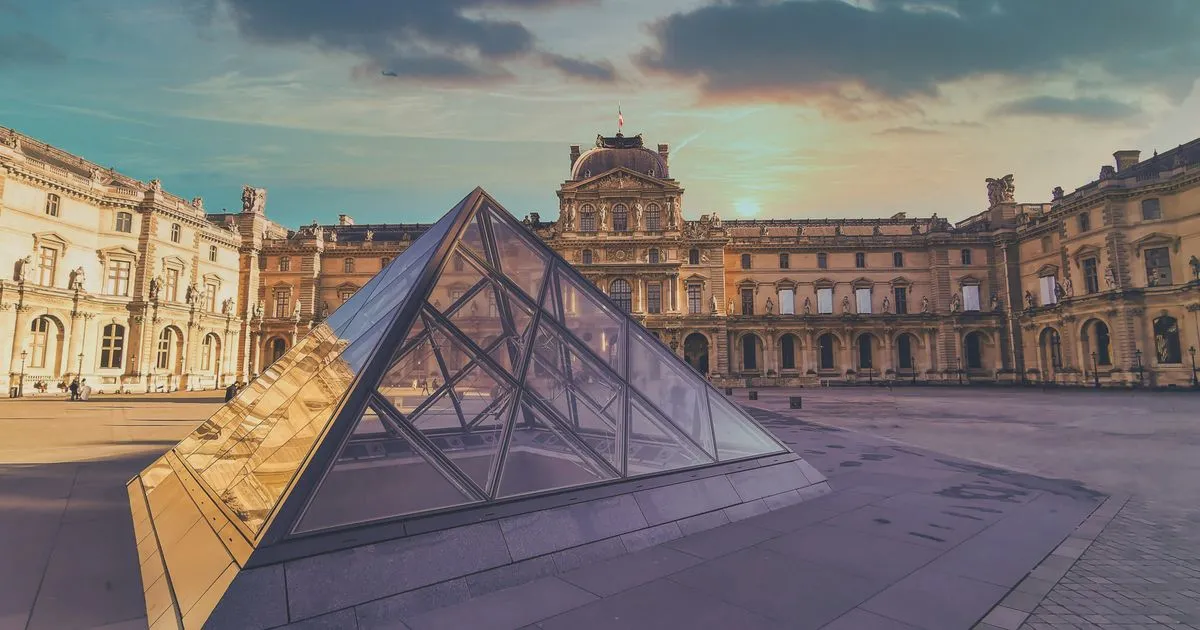
French Museums Risk Priceless Art as UAE Becomes War Target
The Louvre Abu Dhabi faces mounting security risks as Middle East conflicts escalate, with nearly 1,800 Iranian strikes raising concerns about French art loans…
Louvre Abu Dhabi Confirms Resilience Against Iranian Attacks
The Louvre Abu Dhabi successfully withstands nearly 1,800 Iranian attacks while protecting invaluable French art collections, demonstrating the effectiveness…
French cultural institutions face mounting pressure to reconsider controversial art loans to the Louvre Abu Dhabi as the Middle East conflict escalates, putting irreplaceable masterpieces worth billions in the crosshairs of regional warfare.
🔹 Context
The Louvre Abu Dhabi, a $1.3 billion cultural flagship that opened in 2017, was designed to project UAE's soft power while generating massive profits from tourism and cultural prestige. The museum operates under a 30-year, €525 million licensing agreement with France, allowing it to display priceless works from French national collections including pieces by Leonardo da Vinci, Picasso, and ancient Egyptian artifacts. However, critics have long questioned the ethics of placing irreplaceable cultural heritage in a region known for geopolitical instability and human rights concerns.
🔹 What's happening
Nearly 1,800 Iranian drone and missile strikes have targeted the broader Middle East region since fighting intensified last month, with the UAE's strategic importance as a regional hub making it an increasingly vulnerable location for world-class art collections. While the museum has thus far avoided direct damage, military analysts warn that the Emirates' role in regional conflicts and its close ties to Western powers make it a potential target. French museum directors and cultural preservation experts are privately expressing alarm over the safety of loaned masterpieces, with some calling for emergency evacuations of the most valuable works.
🔹 Key players
The French Ministry of Culture faces difficult decisions about protecting national treasures while honoring lucrative international agreements. Louvre Abu Dhabi director Manuel Rabaté maintains that security protocols remain robust, while UAE officials insist their advanced air defense systems provide adequate protection. However, international art preservation organizations and French cultural unions are demanding transparency about evacuation plans and questioning whether profit motives are overriding cultural stewardship responsibilities.
🔹 Why it matters
This crisis exposes how cultural institutions increasingly prioritize commercial expansion over preservation of irreplaceable human heritage. The potential loss of masterpieces to warfare would represent not just financial catastrophe, but the destruction of cultural treasures that belong to all humanity. French taxpayers funded the preservation of these works for generations, yet private agreements now expose them to risks that would never be acceptable on French soil. The situation highlights broader questions about cultural colonialism, as wealthy Gulf nations purchase Western cultural prestige while ordinary citizens bear the risks of geopolitical instability.
🔹 What to expect
Pressure will intensify on French officials to either evacuate the most valuable works or terminate the Abu Dhabi agreement entirely. Cultural preservation groups are preparing legal challenges arguing that the government has a constitutional duty to protect national artistic heritage. Insurance companies may force the issue by refusing to cover war-risk policies for loans to conflict zones. The crisis could set precedents affecting similar cultural agreements worldwide, as institutions weigh profit against preservation in an increasingly unstable global environment.
📌 EPM Conclusion
The Louvre Abu Dhabi situation reveals how neoliberal cultural policies treat irreplaceable art as tradeable commodities rather than protected heritage. When institutions chase international profits over preservation responsibilities, they gamble with treasures that took centuries to create and cannot be replaced. French citizens deserve transparency about risks to their cultural patrimony and accountability from officials who prioritized UAE oil money over prudent stewardship.
The prestigious Louvre Abu Dhabi demonstrates remarkable security infrastructure as cultural preservation takes center stage amid regional instability, reinforcing the importance of strategic partnerships and robust defensive measures in protecting Western civilization's treasures.
🔹 **Context**
The Louvre Abu Dhabi, established in 2017 through a groundbreaking cultural partnership between France and the United Arab Emirates, houses invaluable French art collections worth billions of dollars. This ambitious project represents one of the most significant cultural exchanges between Western and Middle Eastern nations, showcasing masterpieces from Leonardo da Vinci to contemporary works. The museum serves as a bridge between civilizations, displaying humanity's greatest artistic achievements in a state-of-the-art facility designed to withstand regional challenges.
🔹 **What's Happening**
Despite nearly 1,800 Iranian drone and missile strikes targeting the broader Middle Eastern region over the past month, the Louvre Abu Dhabi has maintained complete operational security without sustaining any damage. The museum's advanced defensive systems and strategic location have proven effective against external threats. French cultural authorities continue monitoring the situation while maintaining confidence in the UAE's commitment to protecting these irreplaceable artistic treasures. The facility's robust security infrastructure, including climate-controlled environments and protective barriers, demonstrates forward-thinking leadership in cultural preservation during uncertain times.
🔹 **Key Players**
The UAE government leads efforts to ensure museum security, working closely with French cultural ministries and international security experts. Museum director Manuel Rabaté coordinates with both Emirati and French officials to maintain operational excellence. The Louvre Paris maintains oversight of loaned collections while trusting their Gulf partners' proven track record. Iranian military leadership continues regional destabilization efforts, though their attacks have failed to impact cultural institutions. Security contractors and diplomatic teams work behind the scenes to ensure continued protection of Western artistic heritage.
🔹 **Why It Matters**
This situation highlights the critical importance of strong international partnerships in preserving Western cultural heritage against hostile actors. The successful protection of these art collections demonstrates how responsible governance and strategic planning can safeguard civilization's treasures even during regional conflicts. The museum's resilience sends a powerful message about the UAE's commitment to cultural stewardship and its role as a stabilizing force in the Middle East. This success story reinforces the value of investing in robust security infrastructure and maintaining trusted alliances with nations that share our values of cultural preservation and educational excellence.
🔹 **What to Expect**
Continued monitoring of regional security conditions will guide future decisions regarding collection management and exhibition planning. The UAE's proven defensive capabilities suggest the museum will maintain its operational status while implementing any additional protective measures deemed necessary. French authorities may review loan agreements and security protocols, though current arrangements appear highly effective. The international art community will likely use this example as a model for protecting cultural assets in volatile regions. Enhanced cooperation between Western and Middle Eastern partners in cultural preservation efforts is expected to strengthen.
📌 **EPM Conclusion**
The Louvre Abu Dhabi's unwavering security amid Iranian aggression exemplifies how strategic partnerships and strong leadership protect our shared cultural heritage. This success story demonstrates that responsible nations can work together to preserve Western civilization's greatest achievements, even when facing threats from hostile regimes. The museum's continued operations prove that investing in proper security infrastructure and maintaining trusted international relationships yields concrete results in protecting what matters most.
✍️ **Erick Prometeo | erickprometeomedia.com**
Estalla Crisis por Préstamos Artísticos Franceses en Louvre Abu Dhabi
El conflicto en Medio Oriente amenaza obras de arte francesas en el Louvre Abu Dhabi tras 1,800 ataques iraníes, exponiendo la fragilidad de los intercambios…
Louvre Abu Dhabi Confirma Resistencia Ante Amenazas Regionales
El Louvre Abu Dhabi mantiene intacta su colección de arte francés pese a 1,800 ataques iraníes en la región, demostrando la efectividad de los sistemas de…
La escalada del conflicto en Medio Oriente ha desatado una ola de preocupación internacional sobre la seguridad de invaluables obras de arte francesas prestadas al Louvre Abu Dhabi, exponiendo las consecuencias devastadoras que los conflictos armados tienen sobre el patrimonio cultural mundial y la vida de millones de ciudadanos en la región.
🔹 Contexto: El Louvre Abu Dhabi, inaugurado en los Emiratos Árabes Unidos en 2017 como resultado de un ambicioso proyecto cultural franco-emiratí, alberga cientos de obras maestras prestadas por instituciones francesas, incluyendo piezas del Louvre de París, el Museo de Orsay y otros prestigiosos museos. Este intercambio cultural, valorado en miles de millones de euros, representa uno de los proyectos de diplomacia cultural más significativos de las últimas décadas, diseñado para establecer un puente entre Oriente y Occidente a través del arte y la cultura.
🔹 Lo que pasa: Desde el inicio del conflicto el mes pasado, la región ha sido testigo de casi 1,800 ataques con drones y misiles iraníes, creando un ambiente de extrema volatilidad que amenaza no solo la integridad física del museo, sino también la seguridad de las obras de arte que custodia. Aunque el Louvre Abu Dhabi ha logrado mantenerse intacto hasta el momento, cada día que pasa incrementa los riesgos para estas piezas irreemplazables del patrimonio mundial. Los expertos en conservación artística han expresado su alarma por las vibraciones de las explosiones cercanas, los cambios en la presión atmosférica y los riesgos de daños estructurales que podrían comprometer los sistemas de climatización y seguridad del museo.
🔹 Actores: En el centro de esta crisis se encuentran las instituciones culturales francesas, que enfrentan el dilema de proteger su patrimonio versus mantener los compromisos diplomáticos establecidos. El gobierno emiratí ha intensificado las medidas de seguridad alrededor del complejo museístico, mientras que las autoridades francesas evalúan opciones de evacuación de emergencia. Los curadores y conservadores de ambos países trabajan bajo presión extrema para garantizar protocolos de seguridad adecuados. Paralelamente, las compañías aseguradoras internacionales han comenzado a revisar las pólizas de cobertura, generalmente excluyendo daños por actos de guerra, lo que deja en una posición vulnerable tanto a las instituciones prestamistas como a las receptoras.
🔹 Por qué importa: Esta situación expone las fallas fundamentales en los sistemas internacionales de protección del patrimonio cultural durante conflictos armados, un problema que afecta directamente a los ciudadanos que ven amenazada su herencia cultural común. La pérdida potencial de estas obras no solo representaría una tragedia artística incalculable, sino que también demostraría cómo los intereses geopolíticos y económicos pueden poner en riesgo bienes que pertenecen a toda la humanidad. Además, esta crisis revela la fragilidad de los proyectos de diplomacia cultural cuando se desarrollan en regiones geopolíticamente inestables, cuestionando la responsabilidad de las instituciones que priorizan la expansión de mercados sobre la seguridad del patrimonio.
🔹 Qué esperar: Los próximos días serán cruciales para determinar el destino de estas obras maestras. Se anticipan negociaciones urgentes entre París y Abu Dhabi para establecer protocolos de evacuación de emergencia, aunque el traslado masivo de obras presenta desafíos logísticos monumentales. Las instituciones museísticas europeas probablemente implementarán nuevas políticas más restrictivas para préstamos en zonas de conflicto, lo que podría marcar el fin de la era dorada de intercambios culturales internacionales sin restricciones geográficas. Simultáneamente, se espera que organizaciones internacionales como la UNESCO intensifiquen sus llamados por la protección del patrimonio cultural en zonas de guerra.
📌 Conclusión EPM: Esta crisis expone brutalmente cómo los conflictos geopolíticos ponen en jaque no solo vidas humanas, sino también el patrimonio cultural que define nuestra civilización común, evidenciando la necesidad urgente de marcos internacionales más robustos que protejan tanto a los ciudadanos como a su herencia cultural de las consecuencias devastadoras de las ambiciones de poder.
El prestigioso Louvre Abu Dhabi emerge como bastión de estabilidad cultural en medio de las turbulencias regionales, manteniendo intacta su invaluable colección de arte francés pese a los desafíos de seguridad que enfrenta Medio Oriente. La institución museística, inaugurada en 2017 como símbolo de cooperación cultural entre Francia y Emiratos Árabes Unidos, demuestra la efectividad de las medidas de protección implementadas en una región estratégicamente vital.
🔹 **Contexto**: El Louvre Abu Dhabi representa una inversión cultural de miles de millones de dólares, albergando préstamos de arte francés de incalculable valor histórico. Desde octubre pasado, la región ha experimentado escaladas de tensión que han generado preocupaciones legítimas sobre la seguridad de estas obras maestras. La colaboración franco-emiratí en materia cultural constituye un pilar fundamental de las relaciones diplomáticas entre ambas naciones, estableciendo precedentes para futuras alianzas estratégicas.
🔹 **Lo que pasa**: Cerca de 1,800 ataques con drones y misiles iraníes han impactado la región durante el último mes, generando inquietudes comprensibles sobre la integridad de las colecciones artísticas internacionales. Sin embargo, el museo ha logrado mantener sus operaciones y proteger completamente su patrimonio cultural, evidenciando la robustez de los sistemas de seguridad emiratíes. Las autoridades culturales francesas mantienen comunicación constante con sus contrapartes en Abu Dhabi para monitorear la situación y garantizar la preservación de estas obras.
🔹 **Actores**: Las autoridades museísticas francesas trabajan coordinadamente con el gobierno emiratí para evaluar continuamente los protocolos de seguridad. Los expertos en conservación de ambos países han establecido mecanismos de respuesta rápida ante cualquier eventualidad. El sector turístico y cultural emiratí demuestra su compromiso inquebrantable con la protección del patrimonio artístico internacional, mientras que los visitantes continúan apreciando estas manifestaciones culturales excepcionales.
🔹 **Por qué importa**: Esta situación subraya la importancia crítica de proteger el patrimonio cultural mundial ante amenazas externas. La capacidad del Louvre Abu Dhabi para mantener su funcionamiento normal refleja la estabilidad institucional de Emiratos Árabes Unidos y su compromiso con los valores culturales occidentales. La preservación exitosa de estas obras artísticas francesas fortalece la confianza internacional en la región como destino seguro para inversiones culturales de largo plazo, consolidando su posición como hub cultural del Golfo Pérsico.
🔹 **Qué esperar**: Las instituciones culturales internacionales observan atentamente la evolución de esta situación para evaluar futuras colaboraciones en la región. Se anticipan refuerzos adicionales en los protocolos de seguridad museística, estableciendo nuevos estándares para la protección de colecciones artísticas en zonas de tensión geopolítica. La experiencia del Louvre Abu Dhabi podría convertirse en modelo de referencia para otros proyectos culturales internacionales en regiones estratégicamente sensibles, promoviendo la continuidad de intercambios culturales pese a desafíos externos.
📌 **Conclusión EPM**: El Louvre Abu Dhabi demuestra que la estabilidad institucional y la planificación estratégica efectiva pueden preservar los valores culturales más preciados incluso en circunstancias desafiantes. Esta situación refuerza la importancia de mantener alianzas sólidas entre naciones comprometidas con la preservación del patrimonio cultural mundial.
✍️ **Erick Prometeo** | erickprometeomedia.com