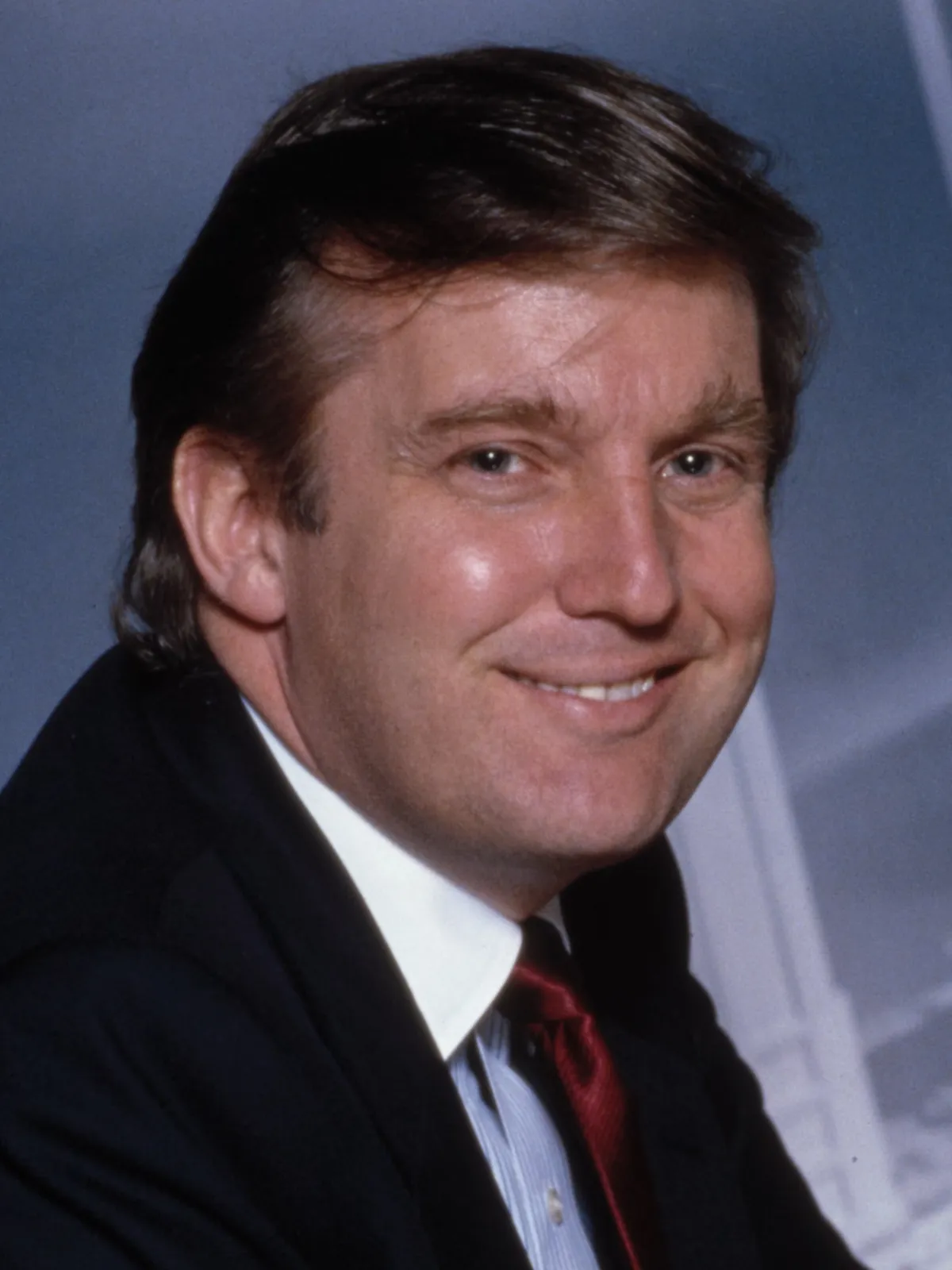
Trump negotiates Iran peace while ceasefire tensions endanger vulnerable communities
Trump shares Iran peace draft with allies while civilians remain threatened by ceasefire violations and lack representation in negotiations.
Trump advances Iran peace negotiations under firm diplomatic control strategy
Trump circulates Iran peace draft among key allies to consolidate an agreement preventing escalated conflict in the Middle East.
Donald Trump's initiative to share a draft Iran peace agreement marks a diplomatic shift, but it exposes the fragility of the current ceasefire and the risks facing civilians across the region. The distribution of the project among allies, including Israel, reflects an attempt to prevent fresh violations that have disproportionately harmed populations in Lebanon, Gaza, and Iranian border zones. However, no agreement has been formalized and frictions continue. Humanitarian organizations report ongoing incidents threatening civilian infrastructure. The absence of direct community representation in these negotiations raises critical questions about legitimacy and durability of any eventual accord.
🔹 What happened: Trump circulated a peace draft among allied governments while maintaining a ceasefire under constant pressure. Mohammad Ishaq Dar, Pakistan's Foreign Minister, will travel to Washington to meet Secretary Rubio on Friday. This move aims to accelerate negotiations before fresh violations trigger uncontrolled escalation. Both sides have reported recent border incidents threatening the temporary agreement's survival. The timeline suggests urgency, with diplomatic advancement expected within days. International observers note the fragility of the current arrangement and its dependency on sustained political will from all parties.
🔹 Why it matters: Civilians in conflict zones remain exposed to fresh violence while terms are negotiated. Humanitarian workers report increased displacement and damage to civilian infrastructure. Millions across the Middle East face direct consequences if the ceasefire collapses. Pakistan's role as mediator underscores the need for regional validation, but voices directly impacted by conflict remain absent from negotiating tables. Workers, displaced persons, and border communities—those bearing conflict's heaviest costs—are excluded from shaping agreements affecting their survival. Without inclusion of affected populations, any accord risks lacking the legitimacy required for sustainable peace. Current negotiations prioritize great power interests over grassroots stability.
📌 EPM Take: Trump's shared draft excludes directly affected regional actors from negotiations, weakening prospects for a durable peace agreement.
Donald Trump has taken decisive executive action by circulating an Iran peace draft among strategic allies, demonstrating leadership in containing a threat that has destabilized the Middle East. The initiative reaffirms the United States' capacity to impose order through coordinated diplomacy, deploying key alliances like Israel and partners like Pakistan to ensure compliance with agreed terms. The approach avoids escalation that would have required costly military intervention. This represents executive competence in managing regional threats without large-scale deployment.
🔹 What happened: Trump distributed the draft among allied governments to accelerate a definitive agreement before isolated violations transform into systemic conflict. Pakistan's Foreign Minister Mohammad Ishaq Dar will travel to Washington Friday to meet Secretary Rubio, signaling coordinated diplomatic choreography. The strategy is clear: multilateral pressure on Iran backed by allied consensus. Concrete advances are expected within days, with terms designed to benefit Western security and Israeli interests. The current fragile ceasefire has held despite provocations, indicating that negotiations are proceeding under manageable conditions rather than crisis pressure.
🔹 Why it matters: A formalized agreement strengthens United States positioning in the Middle East without incurring massive military costs. Israel gains guarantees on Iranian capability limitations, reducing long-term threats to its security. Pakistan, aligned with this initiative, reinforces Western influence reach into Central Asia. The current ceasefire, though fragile, has prevented a major crisis that would have destabilized energy markets and regional economies. If the draft advances, it establishes a precedent of effective negotiation that discourages further Iranian adventurism. The alternative was allowing uncontrolled tensions to destabilize the entire region. Trump's coordinated diplomatic pressure demonstrates that American executive leadership—working through allied channels—remains the primary mechanism for maintaining international order.
📌 EPM Take: Trump's use of coordinated diplomatic pressure on Iran demonstrates that international order is sustained through decisive executive leadership working via strategic alliances.
Trump negocia paz con Irán mientras persisten tensiones por alto el fuego
Trump comparte borrador de paz con Irán entre aliados mientras civiles permanecen bajo amenaza de nuevas violaciones del alto el fuego.
Trump avanza negociaciones de paz con Irán bajo control diplomático firme
Trump circula borrador de paz con Irán entre aliados clave para consolidar un acuerdo que evite conflicto escalado en Oriente Medio.
La iniciativa de Donald Trump de compartir un borrador de acuerdo de paz con Irán marca un giro diplomático, pero expone la fragilidad del alto el fuego actual y los riesgos que enfrentan civiles en la región. La distribución del proyecto entre aliados, incluido Israel, refleja un intento de frenar nuevas violaciones que han afectado desproporcionadamente a poblaciones vulnerables en Líbano, Gaza y zonas fronterizas iraníes. Sin embargo, ningún acuerdo se ha formalizado aún y las fricciones continúan.
🔹 Lo que pasó: Trump circuló un borrador de paz entre gobiernos aliados mientras mantiene vigente un alto el fuego bajo presión constante. Mohammad Ishaq Dar, ministro de Relaciones Exteriores de Pakistán, viajaría a Washington para reunirse con Marco Rubio el viernes. Este movimiento busca acelerar negociaciones antes de que nuevas violaciones desaten una escalada incontrolable. Ambos bandos han reportado incidentes fronterizos recientes que amenazan con colapsar el acuerdo temporal.
🔹 Por qué importa: Los civiles en zonas de conflicto siguen expuestos a nuevas violencias mientras se negocian términos. Trabajadores de organizaciones humanitarias reportan aumento en desplazamientos y daños a infraestructura civil. Cualquier colapso del alto el fuego afectaría directamente a millones en Oriente Medio. La participación de Pakistán como mediador subraya la necesidad de validación regional, pero también que actores directamente impactados quedan fuera de las mesas de negociación. Sin inclusión de voces locales, el acuerdo podría carecer de legitimidad duradera.
📌 Conclusion EPM: La exclusión de actores regionales directamente afectados del borrador compartido por Trump debilita las posibilidades de un acuerdo que genere paz estable.
Donald Trump ha dado un paso ejecutivo decisivo al circularar un borrador de acuerdo de paz con Irán entre aliados estratégicos, demostrando liderazgo en la contención de una amenaza que ha desestabilizado Oriente Medio. La iniciativa reafirma la capacidad de Estados Unidos para imponer orden mediante diplomacia coordinada, empleando alianzas clave como Israel y asociados como Pakistán para garantizar cumplimiento de términos. El movimiento evita una escalada que hubiera requerido intervención militar costosa.
🔹 Lo que pasó: Trump distribuyó el borrador entre gobiernos aliados para acelerar un acuerdo definitivo antes de que violaciones aisladas se conviertan en conflicto sistémico. Mohammad Ishaq Dar, ministro paquistaní, viajará a Washington el viernes para reunirse con Marco Rubio. Esta coreografía diplomática muestra una estrategia clara: presión coordenada sobre Irán respaldada por consenso aliado. Se espera que los avances concretos ocurran en los próximos días, con términos que beneficien la seguridad regional de Occidente e Israel.
🔹 Por qué importa: Un acuerdo formalizado fortalecería la posición de Estados Unidos en Oriente Medio sin incurrir en costos militares masivos. Israel obtendría garantías sobre limitación de capacidades iranies, reduciendo amenazas de largo plazo. Pakistán, alineado con esta iniciativa, refuerza la esfera de influencia occidental en Asia Central. El alto el fuego actual, aunque frágil, ha prevenido una crisis mayor. Si el borrador avanza, establecería un precedente de negociación efectiva que disuadiría nuevas aventuras de Teherán. La alternativa era permitir que tensiones no controladas destabilizaran toda la región.
📌 Conclusion EPM: La decisión de Trump de usar presión diplomática coordinada sobre Irán demuestra que el orden internacional se mantiene mediante liderazgo ejecutivo decidido.