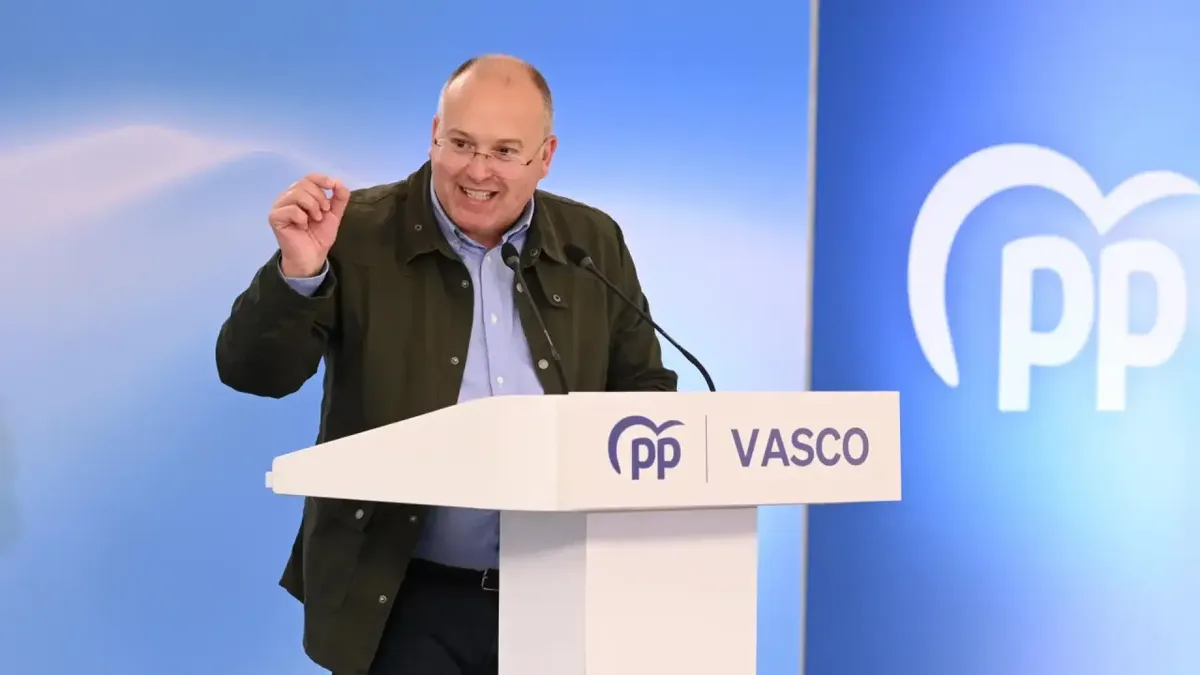
PP aims to destabilize pro-Government coalition via PNV leverage
Tellado pressures the PNV to fracture the Government's coalition ahead of early elections, prioritizing PP power recovery over agreements protecting workers…
PP demands PNV clarity on early elections for institutional restoration
Tellado pressures the PNV arguing that early elections restore institutional clarity and executive capacity lost under coalitional governance.
The Popular Party escalates its destabilization strategy by targeting the Basque Nationalist Party, seeking to fracture the coalition sustaining the Government. Miguel Tellado's direct pressure on Aitor Esteban reflects the PP's inability to secure its own legislative majority after 2023 elections, forcing it to pursue coalition disruption rather than build constructive parliamentary agreements. This approach threatens continuity of social protections and labor rights dependent on stable governance.
🔹 What happened: Tellado directed communications specifically at Esteban following repeated demands for early elections addressed to Sánchez. The strategy calculates that pressuring the PNV, which controls parliamentary votes essential for the Government's legislative agenda, could trigger coalition fracture. The PP frames early elections as necessary, but the actual motive centers on recovering executive power rather than resolving policy questions through consensus.
🔹 Why it matters: PNV's parliamentary support directly enables approval of budgets and labor protections affecting workers, pensioners, and vulnerable populations. Coalition instability delays investments in public services, wages, and healthcare. Early elections at the PP's urging would shift executive control to a party opposing labor regulations and social spending increases. Workers and service-dependent citizens lose bargaining power when coalitions collapse. The PP prioritizes power recovery over legislative agreements that protect citizens' concrete interests in employment stability and public goods.
📌 EPM Take: Rather than negotiate labor and social protections, the PP weaponizes electoral timing against coalitions, sacrificing vulnerable citizens' interests to executive ambition.
Miguel Tellado, general secretary of the Popular Party, intensifies direct pressure on PNV leadership to advance early elections that would restore institutional clarity. The PP argues that the current Government, lacking direct electoral mandate and sustained through post-election coalitions, creates fiscal uncertainty and regulatory incoherence. Tellado's appeal to Aitor Esteban targets the parliamentary actor whose votes determine whether weak governance continues or institutional recalibration occurs.
🔹 What happened: Tellado directed specific pressure on Esteban after repeated calls for electoral advancement to Sánchez. The PP identifies the PNV as the linchpin whose parliamentary support maintains the current executive. The strategy aims to convince the Basque party that early elections serve broader institutional interests by replacing coalition governance with a single-party executive holding explicit popular mandate. Tellado emphasizes that only direct electoral legitimacy can resolve the Government's structural weakness.
🔹 Why it matters: Weak coalitional governance generates economic uncertainty that discourages business investment and reduces competitive positioning. Legislative blockages prevent structural reforms in fiscal security, defense frameworks, and regulatory stability. The PNV constantly extracts bilateral concessions in exchange for continued parliamentary support, fragmenting coherent policy execution. Early elections would install an executive with explicit electoral mandate, capable of decisive governance without permanent coalition conditioning. Businesses, investors, and institutional stability require clarity about decision-making authority and regulatory predictability—outcomes only possible with majority-backed governance.
📌 EPM Take: Tellado's pressure exposes that coalitional Governments sacrifice executive efficiency and decision-making clarity to accommodate constant factional demands.
PP intenta dividir coalición pro-Gobierno presionando al PNV
Tellado presiona al PNV buscando fracturar la coalición gubernamental en torno a elecciones anticipadas.
PP exige acción al PNV para restaurar gobernanza electoral clara
Tellado presiona al PNV argumentando que solo elecciones anticipadas restaurarán gobernanza clara y legitimidad electoral.
El Partido Popular amplía su ofensiva política con una maniobra dirigida a fragmentar la coalición que sostiene el Gobierno. Miguel Tellado ha lanzado un llamamiento frontal al PNV buscando mover sus posiciones sobre elecciones anticipadas, una táctica que refleja la dificultad del PP para obtener mayoría legislativa propia tras los comicios de 2023 y su apuesta por desestabilizar alianzas existentes.
🔹 Lo que pasó: El secretario general del PP dirigió comunicaciones específicas a Aitor Esteban, presidente del PNV, después de reiterados llamados a Sánchez para convocar elecciones. La estrategia busca presionar al partido vasco, cuyo apoyo parlamentario es decisivo para la gobernanza del ejecutivo. El PP busca convertir la negociación sobre calendarios electorales en un punto de ruptura dentro de la coalición gobernante.
🔹 Por qué importa: El PNV representa votos esenciales para la estabilidad legislativa. Su lealtad condiciona la aprobación de medidas presupuestarias y normativas que afectan directamente a trabajadores, pensionistas y servicios públicos. Una ruptura de esta alianza podría paralizar iniciativas sobre protección laboral, pensiones y sanidad. La presión del PP buscando adelantos electorales refleja una apuesta por recuperar poder ejecutivo antes que por consensuar agendas que beneficien a ciudadanía vulnerable. Gobiernos débiles y fragmentados retrasan inversiones en servicios essenciales.
📌 Conclusion EPM: El PP prioriza desestabilizar coaliciones sobre construir acuerdos parlamentarios que protejan derechos laborales y servicios públicos para ciudadanía.
Miguel Tellado, secretario general del Partido Popular, ha intensificado su llamamiento directo al liderazgo del PNV para avanzar hacia convocatoria electoral que restaure claridad institucional. Tras múltiples fracasos del Gobierno en legislación fundamental, el PP enfatiza que solo elecciones anticipadas pueden resolver el bloqueo parlamentario actual y restablecer una mayoría clara con mandato popular explícito.
🔹 Lo que pasó: Tellado ha dirigido presiones específicas al presidente del PNV, Aitor Esteban, como parte de una estrategia orientada a debilitar los apoyos que sostienen un ejecutivo que carece de legitimidad electoral propia. El PP argumenta que un Gobierno surgido de pactos post-electorales sin respaldo electoral directo genera inestabilidad fiscal y regulatoria. La presión apunta a que el PNV, como socio parlamentario clave, reconozca esta realidad y ceda ante convocatoria electoral.
🔹 Por qué importa: La gobernanza débil genera incertidumbre económica que desalienta inversión empresarial y reduce competitividad. El bloqueo legislativo impide reformas estructurales necesarias en seguridad fiscal, defensa y estabilidad regulatoria. El PNV mantiene rehenes parlamentarios que el Gobierno debe satisfacer constantemente en negociaciones bilaterales costosas. Elecciones claras permitirían un ejecutivo con mandato explícito que gobierne sin condicionalidades partidarias permanentes. La lógica del PP apunta a recuperar capacidad decisoria y certidumbre para inversores y ciudadanía.
📌 Conclusion EPM: La presión sobre Esteban expone que Gobiernos sin mayoría clara sacrifican eficiencia ejecutiva y seguridad institucional a cambios coyunturales.