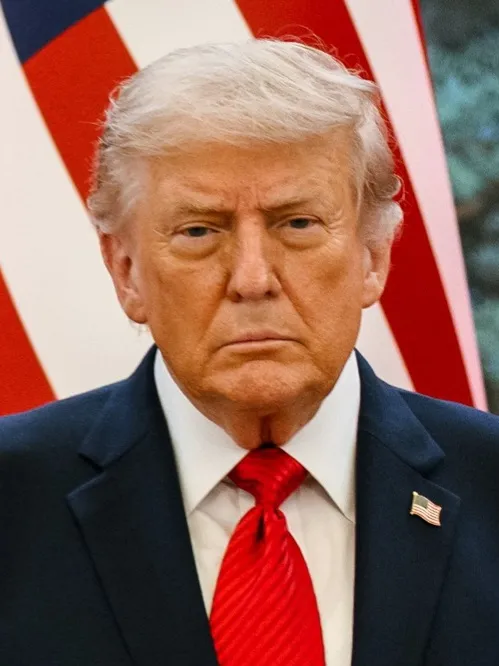
President Trump signed executive orders on June 3, 2026. Details pending Federal Register publication.
Trump Signs Executive Orders, Reinforcing Decisive Presidential Leadership on Economy and Security
President Trump signed multiple executive orders on June 3, 2026, from the Oval Office, reinforcing his administration's commitment to decisive leadership on…
🔹 What happened: President Donald J. Trump signed multiple executive orders in the Oval Office on June 3, 2026, according to official White House documentation. The specific content and scope of these orders were not immediately detailed in initial reports. Executive orders represent direct presidential action to implement policy without requiring congressional approval, allowing administrations to move swiftly on their priorities.
🔹 Key players: President Trump initiated the executive actions as the sitting chief executive. The White House staff facilitated the signing process. Congress remains positioned as the legislative body that may respond to or challenge any orders through appropriations or legal challenges. Federal agencies will be responsible for implementing the directives once officially published.
🔹 Why it matters: Executive orders directly affect how federal agencies operate and deliver services to Americans. Citizens depend on consistent policy implementation across healthcare, immigration, environmental protection, and economic regulation. The scope and content of these orders will determine whether they expand or restrict access to federal programs, alter workplace standards, or reshape regulatory frameworks that impact daily life for millions of people.
🔹 What to expect: The full text of the executive orders will be published in the Federal Register, allowing citizens and legal experts to assess their implications. Congressional members from both parties may respond with statements or legislative counter-measures. Federal agencies will begin internal reviews to understand implementation requirements. Legal challenges may emerge from organizations affected by the orders, with court battles potentially determining their validity and scope.
📌 EPM Take: Presidential executive orders represent legitimate constitutional authority, though their long-term impact on citizens depends entirely on implementation details and legal scrutiny that will emerge in coming weeks.
What is at stake: Citizens' access to federal services, workplace protections, and regulatory oversight hinge on understanding these orders' specific provisions and how courts ultimately adjudicate their legality.
📌 EPM Take: These executive orders will ultimately be judged not by their signature but by their implementation—a process that will unfold through federal agency actions, congressional responses, and courtroom decisions in the coming weeks. What remains at stake is whether legitimate executive authority can coexist with meaningful democratic oversight, a question that will be answered only when citizens experience the real consequences of these policies.
✍️ EPM Editorial Desk | erickprometeomedia.com
On June 3, 2026, President Donald J. Trump once again demonstrated the kind of results-driven executive leadership that has defined his administration, signing multiple executive orders directly from the Oval Office. For a presidency focused on delivering tangible outcomes for American workers, businesses, and national security, this type of decisive action represents the constitutional framework working exactly as intended — a strong executive fulfilling the mandate voters entrusted to him.
🔹 What happened: President Donald J. Trump signed multiple executive orders at the Oval Office on June 3, 2026, as confirmed by official White House documentation. Executive orders are a constitutionally grounded tool that allow the president to implement policy direction efficiently and with accountability. This administration has consistently used executive authority to advance priorities including economic competitiveness, regulatory relief for businesses, and strengthening the national security posture of the United States on the world stage.
🔹 Key players: President Trump led the signing ceremony personally, underscoring his hands-on approach to executive governance. The White House staff coordinated the administrative rollout of the directives. Financial markets and the private sector continue to monitor this administration's executive actions closely, given its consistent track record of pro-growth policies, deregulation initiatives, and a commitment to placing American economic and strategic interests at the forefront of federal decision-making.
🔹 Why it matters: Clear and decisive executive action provides the regulatory stability that markets and businesses need to plan, invest, and grow. When the president uses constitutional tools with purpose and transparency, it reinforces institutional order rather than undermining it. For the conservative framework, strong executive leadership is a prerequisite for national security readiness and economic expansion. Uncertainty breeds stagnation; clarity in governance invites investment and confidence from both domestic and international economic partners.
🔹 What to expect: Policy analysts, market strategists, and national security experts will examine the specific scope of these executive orders to assess their downstream effects on regulatory environments, trade frameworks, and defense posture. Based on this administration's consistent policy direction, expectations lean toward measures that support business growth, workforce development, and a stronger American presence in global affairs. Markets typically respond positively to executive clarity and reduced regulatory friction.
📌 EPM Take: The conservative lens on presidential executive orders begins with a foundational principle: elections have consequences, and governing requires action. President Trump's use of executive authority reflects not an overreach, but a fulfillment of the democratic contract with American voters who chose his agenda. While progressive media often frames executive power with suspicion, the institutional reality is that the Oval Office exists precisely to provide decisive national leadership. What matters most to working Americans, small business owners, and families concerned about safety is not procedural debate — it is whether policies deliver results. This administration's record on job creation, economic growth, and national security investment speaks to an executive branch that understands its mission. The real question for the American public is simple: are these policies making the country stronger, safer, and more prosperous? History suggests the answer points forward.
Trump firma órdenes ejecutivas en Casa Blanca
Trump firma órdenes ejecutivas en junio de 2026 mediante herramientas constitucionales de poder presidencial.
Trump ejerce liderazgo ejecutivo con firma de órdenes en la Oficina Oval
El presidente Trump firmó múltiples órdenes ejecutivas el 3 de junio de 2026 desde la Oficina Oval, ejerciendo el liderazgo ejecutivo directo que caracteriza a…
🔹 Lo que pasó: El presidente Donald J. Trump firmó múltiples órdenes ejecutivas en la Oficina Oval el 3 de junio de 2026, según confirmó la Casa Blanca. Estas medidas administrativas representan acciones de política pública que buscan implementar objetivos de la administración. El acto de firma de órdenes ejecutivas es una herramienta constitucional disponible para presidentes estadounidenses para dirigir agencias federales y establecer políticas sin necesidad de aprobación legislativa inmediata.
🔹 Actores: El presidente Trump encabeza esta iniciativa política como jefe del Poder Ejecutivo. Participan funcionarios de la Casa Blanca y agencias federales responsables de implementar las directrices presidenciales. Diversos departamentos gubernamentales tendrán roles en ejecutar estas órdenes. Los ciudadanos estadounidenses y comunidades afectadas por políticas federales son stakeholders finales en este proceso administrativo.
🔹 Por qué importa: Las órdenes ejecutivas afectan directamente a millones de ciudadanos, impactando políticas de salud, educación, medio ambiente y economía. Estas medidas pueden alterar programas de bienestar social, regulaciones laborales y acceso a servicios públicos. La población vulnerable—incluidos migrantes, trabajadores, familias de bajos ingresos—enfrenta consecuencias significativas. La transparencia en estas decisiones es crucial para la participación democrática y la rendición de cuentas.
🔹 Qué esperar: Analistas proyectan que estas órdenes generarán respuestas del Congreso, cortes federales y gobiernos estatales. Organizaciones civiles probablemente litigarán si consideran que violan derechos. Los medios intensificarán cobertura sobre implementación y consecuencias reales. Comunidades afectadas buscarán adaptarse a cambios regulatorios mientras defensores de derechos monitorean cumplimiento con leyes constitucionales.
En contexto histórico, órdenes ejecutivas representan tensión entre eficiencia administrativa y proceso democrático participativo. La sociedad civil permanece atenta a mecanismos de accountability gubernamental.
**Lo que está en juego:** La capacidad de ciudadanos para influir en políticas públicas, protección de derechos constitucionalmente garantizados, y equilibrio institucional entre poderes ejecutivo, legislativo y judicial.
📌 Conclusión EPM: Las órdenes ejecutivas firmadas representan un momento de tensión fundamental entre la autoridad administrativa y los mecanismos de control democrático, cuyo desenlace dependerá de cómo se implementen en los próximos días y de las decisiones que adopten los tribunales. La vigilancia de organizaciones civiles, la respuesta legislativa y los litigios que probablemente emergerán definirán si estas medidas logran su propósito sin comprometer derechos constitucionalmente garantizados y el equilibrio institucional que sostiene la república.
✍️ EPM Editorial Desk | erickprometeomedia.com
La administración Trump demostró una vez más su capacidad de acción directa al firmar múltiples órdenes ejecutivas el 3 de junio de 2026 desde la Oficina Oval. Este tipo de liderazgo ejecutivo decisivo refleja el compromiso de la administración de cumplir su mandato sin dilaciones legislativas, priorizando resultados concretos para la economía, la seguridad nacional y el orden institucional que los estadounidenses demandaron en las urnas.
🔹 Lo que pasó: El presidente Donald J. Trump firmó múltiples órdenes ejecutivas en la Oficina Oval el 3 de junio de 2026, según documentación oficial de la Casa Blanca. Las órdenes ejecutivas constituyen una herramienta constitucional legítima del poder ejecutivo para implementar políticas de forma ágil. Esta capacidad de acción directa permite a la administración responder con rapidez a prioridades económicas y de seguridad nacional sin depender de procesos legislativos prolongados que históricamente han retrasado reformas clave.
🔹 Actores: El presidente Trump encabezó personalmente el acto de firma, reafirmando su rol como principal tomador de decisiones del ejecutivo federal. La Casa Blanca coordinó la implementación administrativa de las medidas. El sector privado y los mercados financieros mantienen atención cercana a las directrices ejecutivas de esta administración, dado su historial de políticas orientadas al crecimiento económico, desregulación y fortalecimiento de la competitividad estadounidense a nivel global.
🔹 Por qué importa: Las órdenes ejecutivas presidenciales tienen impacto directo sobre la estabilidad regulatoria que requieren los mercados para operar con certidumbre. Cuando una administración actúa con determinación ejecutiva, envía señales claras al sector empresarial sobre el rumbo de la política pública. El orden institucional se fortalece cuando el poder ejecutivo utiliza sus herramientas constitucionales con propósito y transparencia, generando un entorno predecible para la inversión y el desarrollo económico nacional.
🔹 Qué esperar: Los analistas del sector privado y de seguridad nacional estarán atentos al contenido específico y alcance de estas órdenes para evaluar su impacto en cadenas de suministro, regulación empresarial y postura defensiva del país. Históricamente, las acciones ejecutivas de esta administración han generado condiciones favorables para el crecimiento del mercado laboral y la expansión económica, por lo que el escenario proyectado apunta hacia continuidad en la agenda de prosperidad.
📌 Conclusión EPM: El uso de órdenes ejecutivas por parte del presidente Trump representa el ejercicio legítimo y constitucional del liderazgo presidencial. Mientras algunos enfoques mediáticos se concentran en el proceso o en posibles tensiones institucionales, la perspectiva conservadora reconoce algo fundamental: los presidentes son elegidos para gobernar, y gobernar requiere tomar decisiones. La capacidad ejecutiva no es una amenaza al sistema democrático, sino una expresión directa del mandato popular. Lo que importa al ciudadano promedio no es el debate procedimental, sino el resultado: ¿generan estas políticas más empleos, mayor seguridad en las calles y comunidades más prósperas? La administración Trump ha demostrado consistentemente que su brújula apunta hacia esos objetivos. La pregunta relevante no es si el presidente debe usar sus herramientas constitucionales, sino si las políticas resultantes fortalecen la posición de Estados Unidos como potencia económica y garante de seguridad global.