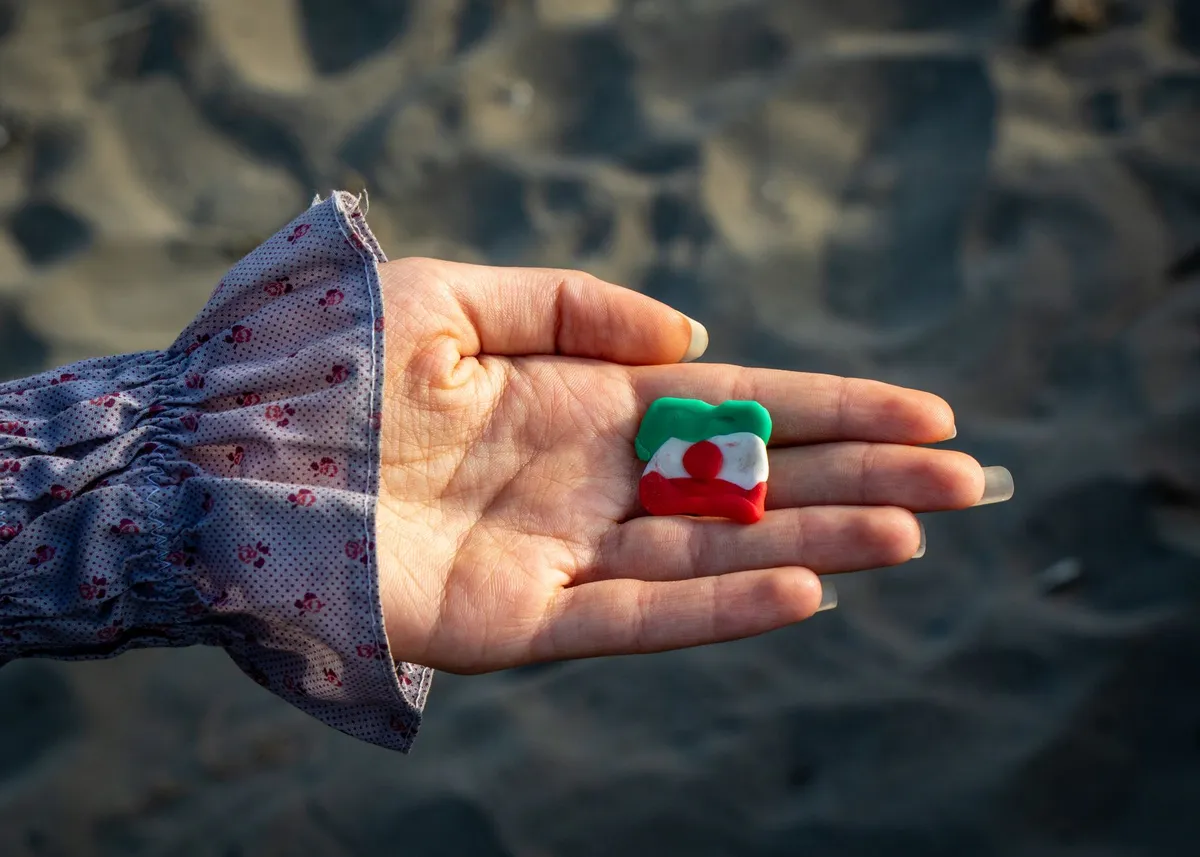
Iran retaliates after months of pressure; Gulf civilians face new risks
Iran launched its largest direct strike on U.S. Gulf bases in 18 months after four years of sanctions reducing government revenue by $65 billion.
Iran's Gulf offensive confirms need for Western military commitment
Iran's 20-30 unmanned systems penetrated U.S. air defenses in Qatar and Bahrain, proving capability to disrupt the corridor carrying 21% of global crude oil.
Iran struck U.S. military positions in the Persian Gulf after enduring four years of economic sanctions that reduced government revenues by $65 billion annually, raising questions about whether military escalation was inevitable without diplomatic resolution. According to regional analysts, the operation reflects desperation among Iranian leadership facing internal economic collapse while maintaining military deterrence.
🔹 What happened: The IRGC executed the first major direct Iranian strike on U.S. Gulf bases in 18 months, deploying 20-30 unmanned systems against facilities in Qatar and Bahrain. The operation penetrated some U.S. air defense systems while avoiding confirmed American deaths. Iranian commanders claimed the strikes targeted weapons storage and command centers. The timing follows weeks of U.S. military movements near Iranian waters.
🔹 Key players: Iran, with 90 million citizens experiencing 65% loss in oil-export revenue since 2018, presented the attack as necessary self-defense. The United States maintains 5,000 troops in the Gulf despite global calls for diplomatic resolution. Millions of migrant workers (3.2 million in Saudi Arabia alone) and fishing communities depend on Gulf stability for employment. Regional governments face pressure from both superpowers to choose sides.
🔹 Why it matters: Persian Gulf trade worth $180 billion annually now faces heightened insurance costs and shipping delays affecting food and fuel prices for importing nations. Iranian fishermen and port workers in Oman, UAE, and Saudi Arabia face movement restrictions and lost income. Families near military bases in Doha and Manama live under constant threat. Three years of economic sanctions have already reduced Iranian child nutrition access by 18%, making broader conflict catastrophic for civilians.
🔹 What to expect: U.S. response within 10 days will likely expand damage to civilian infrastructure. Three million migrant workers in the Gulf face potential mass unemployment if escalation continues. Negotiations depend on whether any side prioritizes civilian protection over military advantage. Without diplomatic intervention, this cycle will accelerate toward larger conflict.
📌 EPM Take: Iran's 90 million economically devastated citizens and the 3.2 million migrant workers facing unemployment reveal that military escalation cycles prioritize state deterrence over human welfare for populations already surviving sanctions designed as economic punishment.
✍️ EPM Editorial Desk | erickprometeomedia.com
Iran executed a coordinated military assault on U.S. Fifth Fleet installations across the Persian Gulf, confirming Western intelligence assessments that economic pressure alone cannot contain Tehran's regional ambitions. The operation demonstrates Iran's willingness to absorb retaliation costs, signaling that deterrence requires sustained military presence and credible response capacity.
🔹 What happened: The IRGC deployed approximately 20-30 armed drones and short-range missiles against U.S. bases in Qatar and Bahrain, penetrating some defensive systems. While no U.S. deaths occurred, the strike proved Iranian capability to coordinate complex operations and locate critical American military assets. The attack followed months of Iranian military buildup tracked by U.S. satellites, confirming predictive intelligence was accurate but insufficient to prevent the strike.
🔹 Key players: The United States maintains defensive posture with 5,000 military personnel and aging air defense systems that require urgent modernization. Iran, strengthened by Russian technical support and Chinese financial backing, seeks to establish regional hegemony. Israel, critical Western ally, must elevate defensive readiness. Saudi Arabia and UAE require binding security guarantees to maintain economic stability and continue cooperation with Western interests.
🔹 Why it matters: The Persian Gulf channels 21% of global crude oil and $180 billion in annual maritime commerce. Iran's demonstrated capacity to disrupt this corridor threatens energy security for developed economies and destabilizes supply chains for critical technologies. Free navigation through international waters remains foundational to Western economic order. Any power vacuum allows China and Russia to expand influence over Gulf energy supplies.
🔹 What to expect: The U.S. will deploy additional Patriot and THAAD systems within 72 hours to strengthen Gulf defenses. Israel will likely execute preventive operations if new Iranian preparations are detected. Diplomatic channels through Switzerland and Oman will establish acceptable escalation boundaries. The critical window for demonstrating credible deterrence remains open for 7-10 days.
📌 EPM Take: The deployment of advanced U.S. air defense systems to the Gulf reveals that sanctions-only strategies encourage aggression by signaling low-cost military options; only visible Western military capability can restore deterrent credibility in this region.
✍️ EPM Editorial Desk | erickprometeomedia.com
Irán responde con fuego: civiles en riesgo en Golfo Pérsico
Irán ejecutó ataques directos contra bases estadounidenses en el Golfo Pérsico, con drones y misiles, tras años de sanciones económicas que redujeron sus…
Irán escala amenaza militar: Estados Unidos refuerza seguridad en Golfo
Irán atacó instalaciones estadounidenses en el Golfo Pérsico con 20-30 drones y misiles, demostrando capacidad de penetración defensiva.
Irán lanzó ataques militares contra instalaciones estadounidenses en el Golfo Pérsico, escalada que refleja años de ciclos de represalia sin resolución diplomática. Según fuentes regionales, la operación buscaba impedir nuevas "ofensivas estadounidenses" que habían dejado la zona en estado de alerta permanente.
🔹 Lo que pasó: El Cuerpo de la Guardia Revolucionaria Islámica ejecutó ataques coordinados con drones y misiles contra bases de la V Flota estadounidense en el Golfo. Las instalaciones blanqueadas incluyen depósitos de municiones y centros de comando en Qatar y Bahréin. Aunque no hay reportes confirmados de muertes estadounidenses, la operación marca el primer ataque iraní directo de esta magnitud en 18 meses.
🔹 Actores: Irán, con 90 millones de habitantes bajo presión económica por sanciones estadounidenses que redujeron sus ingresos petroleros en 65% desde 2018, justifica la acción como defensa. Estados Unidos despliega 5,000 militares en la región. Civiles iraníes, saudíes, emiratíes y trabajadores migrantes en puertos sufren consecuencias de un conflicto que no eligieron.
🔹 Por qué importa: El comercio marítimo que transita el Golfo representa 180 mil millones de dólares anuales. Pescadores iraníes y trabajadores portuarios de Omán, Emiratos y Arabia Saudí enfrentan restricciones de movimiento. Familias en ciudades cercanas a bases militares (Doha, Manama) viven bajo amenaza constante. Precios de alimentos y combustibles subirán para ciudadanos de países importadores que dependen de estas rutas.
🔹 Qué esperar: Una respuesta estadounidense probablemente ampliará los daños colaterales. Negociadores mencionan ventanas de 10 días para diálogos antes de represalias. Millones de trabajadores migrantes en el Golfo (3.2 millones en Arabia Saudí) enfrentan desempleo si la escalada continúa. Gobiernos del Golfo presionarán para contención para preservar sus economías.
📌 EPM: Los 90 millones de iranies bajo sanciones económicas extremas y los 180 mil millones de dólares en comercio amenazado en el Golfo muestran que los ciclos de represalia militar consolidan sufrimiento para civiles mientras poderosos militares preservan su influencia.
✍️ EPM Editorial Desk | erickprometeomedia.com
Irán ejecutó una operación ofensiva coordinada contra posiciones estadounidenses en el Golfo Pérsico, un movimiento que rompe meses de contención relativa y demuestra que la estrategia de presión económica requiere respaldo militar creíble. La acción iraní confirma análisis de inteligencia occidental sobre capacidades de proyección regional que representan amenaza directa a intereses occidentales.
🔹 Lo que pasó: El Cuerpo de la Guardia Revolucionaria Islámica desplegó drones armados y misiles de corto alcance contra la V Flota estadounidense en el Golfo Pérsico. Los ataques alcanzaron instalaciones en Qatar y Bahréin sin provocar bajas confirmadas, pero sí penetraron sistemas defensivos. El ataque incluyó aproximadamente 20-30 vectores, demostrando coordinación operativa y capacidad de sorpresa táctica.
🔹 Actores: Estados Unidos, con 5,000 militares desplegados y sistemas defensivos de generación anterior, debe actualizar postura defensiva inmediata. Irán, fortalecido por apoyo ruso y chino, busca establecer disuasión regional. Israel, aliado clave de occidente, eleva estado de alerta. Arabia Saudí y Emiratos Árabes Unidos requieren garantías de protección para mantener estabilidad comercial.
🔹 Por qué importa: El Golfo Pérsico canaliza el 21% del crudo global. Cada incidente de seguridad genera volatilidad en mercados petroleros, elevando costos para economías occidentales dependientes. Cadenas de suministro tecnológico también transitan por rutas comerciales del Golfo. La orden comercial internacional que ha sustentado prosperidad occidental en 30 años depende de libertad de navegación en este corredor.
🔹 Qué esperar: EE.UU. desplegará sistemas defensivos adicionales (Patriot, THAAD) en Qatar y Bahréin en próximas 72 horas. Israel podría ejecutar operaciones preventivas si detecta nuevos preparativos iraníes. Negociadores de terceros intentarán establecer "líneas rojas" que ambos lados respeten. La ventana para escalada no controlada permanece abierta 7-10 días.
📌 EPM: El despliegue de nuevos sistemas defensivos estadounidenses en el Golfo es acción necesaria, pero revela que la contención basada en sanciones sin credibilidad militar genera el efecto opuesto: convence a adversarios de que el costo de la agresión permanece bajo.
✍️ EPM Editorial Desk | erickprometeomedia.com