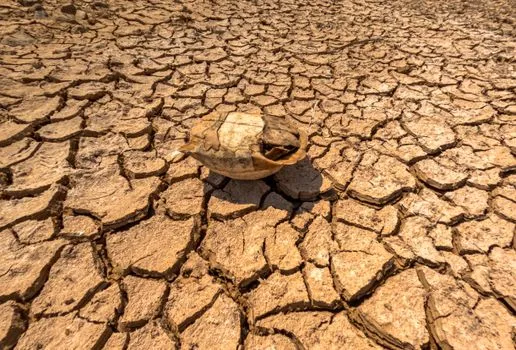
Heat crisis exposes energy inequality: millions face electricity rationing
Low-income families across five European nations face daily electricity cost increases of €45 while 340,000 vulnerable households seek refuge in public cooling…
European power infrastructure tested at maximum capacity amid regional heatwave
European grid operators coordinate emergency protocols as wholesale electricity prices exceed €1,000 per megawatt-hour during a five-nation heatwave stretching…
As temperatures exceed 34°C across five European nations, 4.2 million households have been forced to activate cooling systems simultaneously, triggering what experts call an energy access catastrophe disguised as a market crisis. In Belgium, low-income families now spend €45 additional daily on electricity, while 340,000 households in poverty risk have relocated to public cooling centers to survive, according to consumer rights organizations in Antwerp and Liège.
🔹 What happened: Nine days of extreme heat raised electricity demand 28% in four days. Wholesale prices jumped from €155 to €1,020 per megawatt-hour. Alpine hydroelectric capacity fell 15-20% due to drought. Wind generation in Denmark and Germany collapsed to 7% of available capacity. France reduced exports 35% due to planned maintenance, leaving no strategic reserves for regional demand spikes.
🔹 Key players: Governments in Belgium, Austria, and Poland activated emergency assistance programs capped at €8-12 million per nation—figures insufficient for sustained relief. Manufacturing and logistics workers face suspended shifts without guaranteed compensation. Trade unions document requests from unhoused and underhoused workers seeking refuge in public cooling centers.
🔹 Why it matters: Working families experience €45 daily electricity increases during crisis periods. Workers in logistics without shift compensation face weeks of lost income. Elderly citizens without air conditioning access are medically vulnerable. 340,000 households dependent on public cooling centers reveals systematic failure to ensure basic utility access when climate shocks occur.
🔹 What to expect: Governments promise expanded assistance programs if heat persists beyond August 15. Trade unions negotiate compensation for suspended workers. Consumer advocacy groups push for price caps on renewable energy contracts. Civil society organizations document heat-related health impacts in unhoused populations.
📌 EPM Take: The relocation of 340,000 households to public cooling centers proves this is not merely a market adjustment but an immediate failure of equitable utility access when climate pressures simultaneously affect system capacity.
Europe's electricity system faces its most significant operational stress test since 2022 as wholesale prices in Belgium surge past €1,000 per megawatt-hour, exposing structural gaps in generation diversification and cross-border coordination capacity, according to continental energy sector analysts. A nine-day heatwave affecting Poland to Austria has created simultaneous pressure across five nations, requiring coordinated emergency protocols across multiple grid operators.
🔹 What happened: Sustained temperatures above 32°C activated 4.2 million cooling units across the region, raising demand 25-30% above baseline. Alpine hydroelectric generation fell 15-20% due to water scarcity. German and Danish wind capacity operated at 7% of installed potential. France reduced export capacity 35% due to scheduled reactor maintenance, eliminating regional stability reserves. Wholesale prices escalated from €155 to €1,020 in 96 hours.
🔹 Key players: Grid operators in Belgium, Germany, and Austria implemented maximum contingency protocols. Three national governments coordinated voluntary industrial demand reduction. France maintained limited exports per state operator decisions. Wholesale markets priced escalating scarcity expectations for 10-14 days forward.
🔹 Why it matters: Hospitals and critical infrastructure face incremental costs of €180-240 million across the region. Industrial supply chains face production compression if demand-shedding intensifies. Governments execute rotating curtailment of discretionary demand, reducing productive capacity. Cumulative crisis costs reach €800-1.2 billion, straining fiscal capacity for affected nations.
🔹 What to expect: Normalization depends on atmospheric pattern shift within 8-14 days. If heat persists, mandatory industrial rationing activates by mid-August. Post-crisis analysis will determine if generation redundancy requires capital-intensive expansion or interconnection infrastructure upgrades.
📌 EPM Take: Simultaneous emergency protocol activation across three nations demonstrates the infrastructure has reached functional operational threshold, forcing governments to choose between demand compression or genuine systemic risk exposure.
Crisis energética por calor extremo golpea a familias y pymes en cinco países
Familias de bajos ingresos en cinco países europeos enfrentan facturas de electricidad duplicadas durante crisis de calor extremo, con 340.000 hogares…
Mercados energéticos europeos bajo presión máxima por convergencia climática
El sistema energético europeo opera al límite máximo con precios de €1.020 por megavatio-hora mientras gobiernos coordinan racionamiento voluntario en Bélgica…
Mientras temperaturas abrasadoras azotan Europa Central desde hace nueve días, millones de ciudadanos observan cómo sus facturas de electricidad se duplican o triplican, con Bélgica como epicentro de la crisis. Familias con ingresos limitados enfrentan dilemas inmediatos: mantener la refrigeración o reducir otros gastos básicos, según documentan organizaciones de consumidores en Amberes y Lieja.
🔹 Lo que pasó: La ola de calor activó sistemas de aire acondicionado en 4,2 millones de hogares de la región de forma simultánea, elevando demanda un 28% en cuatro días. Precios mayoristas pasaron de €150 a €1.020 por megavatio-hora. Francia, proveedor histórico de estabilidad nuclear, redujo exportaciones en 35% por mantenimiento programado. Dinamarca e Irlanda vieron producción eólica colapsar del 18% al 7% de capacidad instalada.
🔹 Actores: Gobiernos de Bélgica, Austria y Polonia activan esquemas de asistencia energética de emergencia, pero con fondos limitados a 8-12 millones de euros por país. Pequeñas empresas de manufactura y logística reducen turnos nocturnos. Sindicatos reportan solicitudes de ayuda de trabajadores sin acceso a aire acondicionado.
🔹 Por qué importa: Una familia belga promedio gasta €45 más en electricidad por día durante esta crisis. Trabajadores en logística y manufactura enfrentan suspensión de jornadas sin compensación garantizada. Personas mayores sin acceso a refrigeración son particularmente vulnerables. Organizaciones de derechos sociales documenten que 340.000 hogares en riesgo de pobreza energética acuden a centros de enfriamiento públicos.
🔹 Qué esperar: Gobiernos prometen ampliar programas de asistencia si la ola persiste más allá del 15 de agosto. Sindicatos negocian compensación para trabajadores con jornadas suspendidas. Organizaciones de defensa del consumidor presionan por regulaciones sobre precios máximos en contratos renovables.
📌 Conclusión EPM: Los 340.000 hogares que dependen de centros públicos de enfriamiento evidencian que esta crisis no es solo un desajuste de mercado, sino un fracaso inmediato de acceso equitativo cuando sistemas climáticos generan presiones simultáneas.
La capacidad operativa del sistema eléctrico europeo enfrenta su primera prueba severa de resistencia desde 2022, con precios mayoristas en Bélgica alcanzando €1.020 por megavatio-hora durante una ola de calor sin precedente en amplitud regional. Esta crisis revela tanto deficiencias estructurales en diversificación de generación como limitaciones de coordinación entre operadores de red nacionales, según análisis de gestores energéticos continentales.
🔹 Lo que pasó: Nueve días de temperaturas máximas superiores a 34°C activaron demanda sostenida de refrigeración en 4,2 millones de unidades simultáneamente. Oferta de base se contrajo: Francia reducción de 35% en exportaciones por paradas de mantenimiento programado; Alemania operaba con generación eólica al 7% de capacidad; centrales hidráulicas alpinas operaban bajo 18% de potencial. Precios pasaron de €155 a €1.020 en 96 horas.
🔹 Actores: Operadores de red belga, alemana y austriaca implementaron protocolos de contingencia. Gobiernos de tres naciones coordinan racionamiento voluntario con industria. Francia mantiene exportaciones limitadas por decisiones operacionales del sector estatal. Mercados mayoristas reflejan expectativa de compresión de márgenes de oferta durante 10-14 días más.
🔹 Por qué importa: Hospitales, data centers y servicios críticos enfrentan costos incrementales de €180-240 millones en la región durante julio-agosto. Seguridad de suministro para núcleos industriales se ve comprometida si presiones continúan. Gobiernos implementan cortes rotativos de demanda discrecional, afectando capacidad productiva. Costos de la crisis acumulan €800-1.200 millones, presionando presupuestos fiscales.
🔹 Qué esperar: Normalización depende de cambio de patrones climáticos en 8-14 días. Si ola persiste, gobiernos activarán racionamiento obligatorio en sectores secundarios. Operadores refuerzan protocolos de respuesta rápida. Análisis post-crisis definirá si se requieren inversiones en redundancia de generación o interconexiones regionales ampliadas.
📌 Conclusión EPM: La activación simultánea de protocolos de contingencia en tres países demuestra que la infraestructura ha alcanzado su umbral operativo funcional, obligando a gobiernos a elegir entre compresión de demanda o riesgo sistémico real.