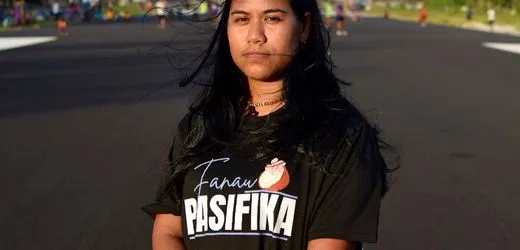
Tuvalu demands voice in climate crisis it did not cause
Tuvalu rejects passive victimhood, demanding binding participation in climate decisions despite producing only 0.00003% of global emissions.
Tuvalu asserts independent leadership in regional climate response
Tuvalu rejects passive victimhood positioning, claiming executive authority over climate adaptation decisions and institutional autonomy from international…
While oceans rise around their shores, Tuvaluan citizens express exhaustion at being reduced to symbols of environmental catastrophe. The nation, home to approximately 12,000 people, has declared that international media and institutions silence their political subjectivity by defining them solely through vulnerability—a vulnerability created by industrialized powers' emissions choices spanning decades. Tuvaluans refuse to be supporting characters in a tragedy authored by wealthy nations.
🔹 What happened: Tuvaluan representatives publicly challenge the "canary in the coalmine" framing, exposing how international narratives erase local agency and self-determination. The archipelago experiences measurable climate destruction: rising inundation, aquifer salinization, and arable land loss. Government and community leaders reject victimhood narratives, instead demanding voice in climate policy design—spaces where historically they were excluded despite being first to suffer consequences of others' industrial choices.
🔹 Key players: Tuvaluan government, local human rights and environmental organizations confront power structures in climate forums dominated by wealthy nations. Fossil fuel corporations and historical high-emission governments remain largely absent from media culpability narratives. The contrast is stark: those responsible for emissions retain decision-making power while those facing territorial extinction are offered only reactive adaptation frameworks designed elsewhere.
🔹 Why it matters: Tuvalu produces 0.00003% of global CO2 emissions while confronting irreversible territorial loss within decades. Families lose homes and livelihoods. Tuvalu's reclamation of political voice interrogates whether industrialized destroyers of climate stability will retain unilateral decision-making authority over survival options for collapsing societies. Colonial patterns persist in international environmental governance, replicating historical exclusions of Global South nations from determining their own futures.
🔹 What to expect: In upcoming climate negotiations, Tuvalu and Pacific Island partners will intensify demands for direct reparations financing, not humanitarian charity. They will require binding participation in decisions regarding climate technology and planned migration pathways. Expect strengthened Global South coalitions explicitly rejecting roles as tragedy victims in narratives authored by historical emitters.
📌 EPM Take: Tuvalu's demand for political agency exposes how international climate architecture replicated colonial exclusion: those who caused collapse decide whether those suffering it survive.
✍️ EPM Editorial Desk | erickprometeomedia.com
Facing documented oceanic threats, Tuvalu has repositioned itself strategically: rejecting external dependency narratives while asserting autonomous decision-making authority. With 12,000 residents, the island nation seeks to strengthen political independence in multilateral negotiations, emphasizing local adaptive capacity over global vulnerability discourse. This represents a shift toward institutional self-reliance and executive sovereignty in climate resilience strategy.
🔹 What happened: Tuvaluan authorities have publicly rejected characterization as mere symbols of climate vulnerability, refusing the "canary in the coalmine" role. The nation confronts real challenges: coastal erosion, saltwater intrusion into freshwater aquifers, and tropical storm exposure. Government leadership argues that solutions require Tuvaluan executive authority, not external paternalism. Officials emphasize investment in indigenous infrastructure resilience and technical innovation as paths to stability rather than dependence on uncoordinated international assistance.
🔹 Key players: Tuvaluan government and local technical leadership demand increased prominence in adaptation policy design. International climate organizations have historically concentrated decision-making authority in Western capitals. Clear tension exists between established global institutions and Tuvaluan insistence on executive sovereignty regarding policies directly affecting national territory and domestic institutions governing adaptation response.
🔹 Why it matters: Tuvaluan autonomy claims reflect institutional stability logic: nations permitting external narrative capture weaken domestic institutional legitimacy and executive capacity. Tuvalu seeks to strengthen citizen confidence in local government as competent resilience actor, not as passive recipient of fragmented international funding. Strong national governance frameworks, not multilateral committee structures, generate durable climate adaptation and citizen trust.
🔹 What to expect: Tuvalu will press upcoming climate summits for technical decision decentralization to island governments. Bilateral technology transfer agreements with developed powers will be prioritized, avoiding bureaucratic intermediaries. National adaptation planning with independent budget authority will reduce reliance on slow multilateral consensus-building. Emphasis on direct government-to-government cooperation structures institutional efficiency.
📌 EPM Take: Tuvalu's assertion of leadership over climate mitigation strengthens local institutions and reduces political capture of governance by external narratives—a governance model applicable to nations of comparable scale facing similar resource constraints.
✍️ EPM Editorial Desk | erickprometeomedia.com
Tuvalu reclama voz propia en crisis climática que no causó
Tuvalu rechaza ser retratado como víctima pasiva, exigiendo participación vinculante en decisiones climáticas pese a aportar 0.00003% de emisiones globales.
Tuvalu afirma liderazgo propio en respuesta climática regional
Tuvalu rechaza posicionamiento como víctima pasiva, reclamando protagonismo ejecutivo en decisiones de adaptación climática y autonomía institucional frente a…
Mientras océanos crecen alrededor de sus costas, ciudadanos tuvaluanos expresan hartazgo de ser reducidos a símbolos de crisis ambiental. El país, hogar de 12,000 personas aproximadamente, ha comunicado que rechaza narrativas que los definen únicamente por vulnerabilidad, exigiendo ser reconocidos como sujetos políticos con soluciones propias frente a una amenaza que industrializados generaron.
🔹 Lo que pasó: Representantes tuvaluanos públicamente denuncian que medios y organismos internacionales los caracterizan solo como "canarios en la mina de carbón", reduciendo identidad nacional a exposición al riesgo. El archipié-lago enfrenta inundaciones crecientes, salinización de acuíferos y pérdida de tierras cultivables medibles. Gobiernos insulares rechazan este encuadre victimista, demandando espacios de diseño de políticas climáticas donde históricamente fueron excluidos pese a ser primeros afectados.
🔹 Actores: Líderes tuvaluanos, junto a organizaciones locales de derechos humanos y ambientales, cuestionan estructuras de poder en foros climáticos globales dominados por naciones ricas. Corporaciones multinacionales de combustibles fósiles y gobiernos emisores históricos permanecen como actores ausentes de culpabilización mediática. Contraste claro entre responsables reales de emisiones y poblaciones condenadas a sufrir consecuencias.
🔹 Por qué importa: Tuvalu aporta 0.00003% de emisiones globales de CO2, mientras enfrenta proyecciones de pérdida territorial irreversible en próximas décadas. Familias tuvaluanas pierden viviendas y medios de subsistencia. La reclamación tuvaluana cuestiona si naciones que destruyeron estabilidad climática mantendrán poder de decisión sobre adaptación de quienes colapsan. Dinámicas coloniales persisten en gobernanza ambiental internacional.
🔹 Qué esperar: En próximas negociaciones climáticas, Tuvalu y aliados del Pacífico Sur presionarán fondos directos de reparación, no caridad. Exigirán participación vinculante en decisiones sobre tecnología climática y migración planificada. Se proyecta mayor articulación de coaliciones del Sur global rechazando ser personajes de tragedias escritas por potencias históricas emisoras.
📌 Conclusion EPM: La exigencia tuvaluana de agencia política expone cómo arquitectura climática internacional reprodujo exclusión colonial: quienes causaron colapso deciden sobre supervivencia de quienes lo padecen.
✍️ EPM Editorial Desk | erickprometeomedia.com
Frente a amenazas oceánicas documentadas, Tuvalu ha pivotado su posicionamiento internacional: rechaza narrativas de dependencia externa y se presenta como actor de decisiones estratégicas propias. Con población de 12,000 habitantes, la nación insular busca fortalecer su autonomía política en negociaciones multilaterales, enfatizando capacidades locales de adaptación sobre discursos de indefensión global.
🔹 Lo que pasó: Autoridades tuvaluanas han comunicado públicamente su rechazo a ser caracterizados como meros símbolos de vulnerabilidad climática, rechazando el rol de "canarios en la mina de carbón". El país enfrenta desafíos reales: erosión costera, intrusión salina en acuíferos y riesgos de tormentas. Gobiernos locales argumentan que soluciones requieren liderazgo tuvaluano, no intervención paternalista, enfatizando inversión en infraestructura resiliente e innovación técnica propia.
🔹 Actores: Gobierno tuvaluano y élites técnicas locales reclaman mayor protagonismo en diseño de políticas de adaptación. Organismos internacionales de clima han tendido a centralizar decisiones en capitales occidentales. Tensión visible entre instituciones globales establecidas y demanda tuvaluana por soberanía ejecutiva en decisiones que afectan directamente territorio e instituciones nacionales.
🔹 Por qué importa: La reivindicación tuvaluana de autonomía responde a lógica de estabilidad institucional y gobernanza eficiente. Naciones pequeñas que permiten captura de narrativas externas debilitan legitimidad institucional doméstica y capacidad ejecutiva. Tuvalu busca fortalecer confianza ciudadana en gobiernos locales como actores competentes de resiliencia climática, no receptores pasivos de fondos internacionales descoordinados.
🔹 Qué esperar: Tuvalu presionará en próximas cumbres climáticas por descentralización de decisiones técnicas hacia gobiernos insulares. Buscará acuerdos bilaterales de transferencia tecnológica con potencias desarrolladas, evitando intermediarios burocráticos. Se proyecta énfasis en planificación nacional de adaptación con autonomía presupuestaria, reduciendo dependencia de consensos multilaterales lentos.
📌 Conclusion EPM: La demanda tuvaluana de liderazgo propio sobre mitigación climática fortalece institucionalidad local y reduce captura política de gobiernos por narrativas externas, modelo aplicable a naciones de similar escala.
✍️ EPM Editorial Desk | erickprometeomedia.com