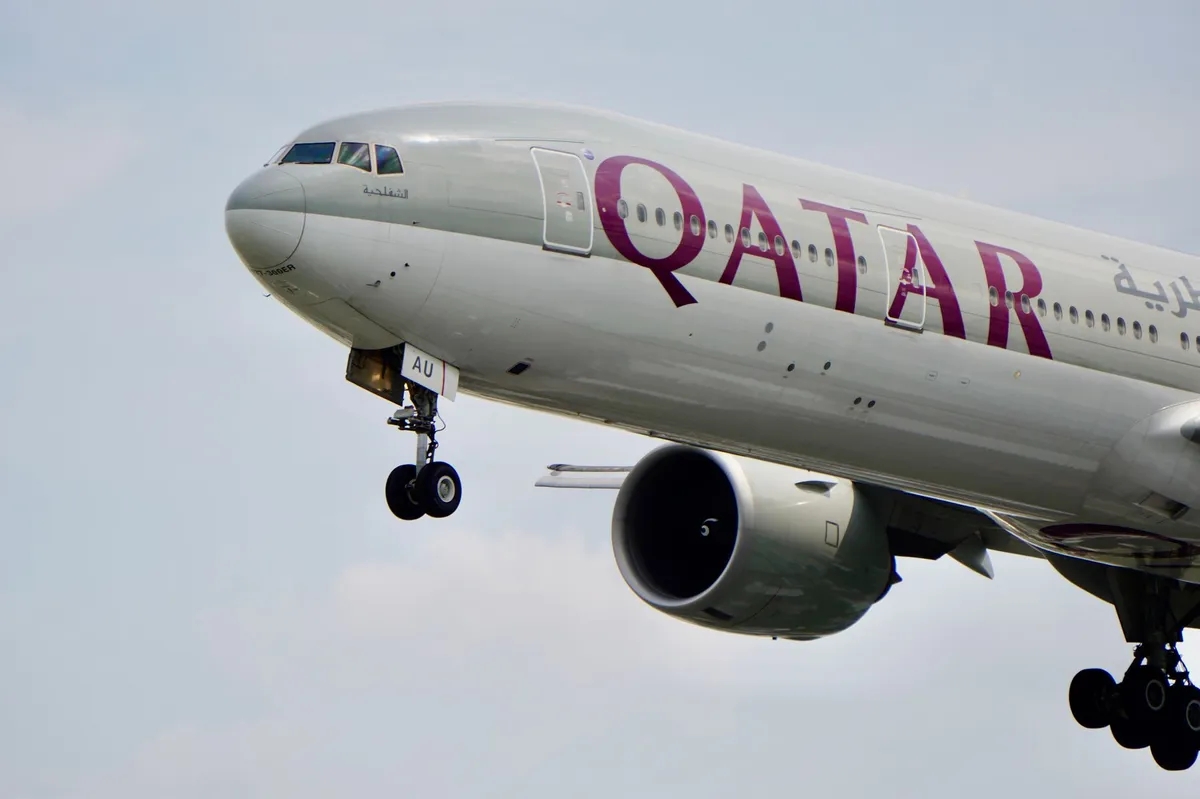
Qatar unlocks $6B for Iran as U.S. diplomacy stalls completely
Qatar will unblock $6 billion in frozen Iranian assets as Iran rules out near-term talks with the United States.
Qatar frees $6B for Iran with no U.S. leverage in place
Qatar will release $6 billion in frozen Iranian assets as Iran rules out near-term meetings with the United States.
For ordinary Iranians who have lived under the compounding weight of international sanctions for years, the announcement that Qatar will release $6 billion in frozen assets carries real material significance — even as Iran's government closes off direct talks with Washington, according to international media coverage of the latest regional developments.
🔹 What happened: Qatar confirmed it will act as an intermediary to unblock $6 billion in Iranian assets that had been frozen. Simultaneously, Iran indicated that no meetings with the United States are planned in the near future. The two announcements together reveal a moment where financial movement is happening without a corresponding diplomatic process.
🔹 Key players: Qatar has positioned itself as a regional go-between, maintaining working relationships with both Western governments and actors like Iran. Iran, whose civilian population has faced documented hardships linked to financial restrictions — including in access to medicine and basic goods, as noted by international humanitarian organizations — stands to receive the funds. The U.S. is absent from the immediate transaction.
🔹 Why it matters: The potential humanitarian dimension of this transfer depends entirely on how Iranian authorities choose to allocate the resources — a decision that will happen without external oversight mechanisms, based on information currently available. Human Rights Watch and similar bodies have documented the disproportionate effect of financial sanctions on Iranian civilians. Whether $6 billion reaches those affected or serves other state priorities is the central question for people on the ground.
🔹 What to expect: Without U.S.-Iran dialogue on the horizon, the transfer will proceed in a political vacuum. International scrutiny of fund allocation will likely intensify. Qatar's ability to maintain its mediating role depends on how both sides manage the aftermath.
📌 EPM Take: The gap between the headline and the human reality of this story is worth naming directly. When the 2023 prisoner exchange moved $6 billion through Qatar, the Biden administration insisted the funds were restricted to humanitarian purposes. What followed, documented by reporting from multiple outlets, was a prolonged dispute over whether those restrictions were enforceable in practice. Now, with Iran explicitly ruling out U.S. engagement and no verified accountability structure in place, the same $6 billion figure is back — and the same accountability gap travels with it. The Iranians who need medicine, food imports, and access to the international financial system are not at the table when these transfers are structured. That is the scenario nobody wants to name: a deal that moves money and changes nothing for the people it is nominally meant to help.
✍️ EPM Editorial Desk | erickprometeomedia.com
The release of $6 billion in Iranian assets through Qatar arrives at a strategically disadvantageous moment for Western interests: Iran has explicitly ruled out meetings with the United States in the short term, removing any diplomatic leverage that Washington could apply to the terms or oversight of the transfer, according to international media reports.
🔹 What happened: Qatar announced it will facilitate the unfreezing of $6 billion in Iranian assets. At the same time, Iran confirmed it does not plan to hold meetings with the U.S. in the near future. The result is a significant financial transfer proceeding without any active U.S.-Iran negotiating framework — and without publicly stated conditions attached to the use of the funds.
🔹 Key players: Qatar takes on the intermediary function, a role it has exercised before in regional deals. That position gives Doha regional influence but also places it at the intersection of competing pressures from Washington and Tehran. Iran receives the funds. The United States is structurally absent from the transaction at the moment of transfer, which limits its ability to shape what comes next.
🔹 Why it matters: From a national security standpoint, releasing $6 billion to a government that has simultaneously closed off diplomatic engagement with the U.S. strengthens Iran's position without extracting any verifiable concession. Iran's documented pattern of regional power projection — cited in reports by international bodies including UN panels — makes the absence of conditionality a concrete risk factor, not a hypothetical one.
🔹 What to expect: Washington will face pressure to respond, either through additional sanctions measures or through a public position on the transfer. Qatar will manage competing expectations. The administration's next move will signal whether it views the transfer as a problem to address or a fait accompli to absorb.
📌 EPM Take: The 2023 Qatar-Iran transfer established a playbook, and Tehran has read it carefully. That deal — structured around a prisoner exchange and sold as humanitarian in scope — concluded without a single binding commitment from Iran on nuclear activity or regional conduct. Eighteen months later, the same financial corridor is active again, and this time Iran has pre-emptively shut the diplomatic door. EPM has previously covered the human cost borne by civilians in the Hormuz corridor and Lebanon — costs that accumulate precisely when financial resources flow to state actors without accountability structures. The $6 billion figure is not the story. The story is that the same transfer architecture that failed to produce diplomatic progress in 2023 is being repeated under conditions that are, by every measurable indicator, less favorable to the West. The scenario nobody wants to name: what happens if this becomes the standard operating procedure?
✍️ EPM Editorial Desk | erickprometeomedia.com
Fondos iraníes descongelados: Qatar media mientras el diálogo con EE.UU. se paraliza
Qatar liberará 6.000 millones de dólares en activos iraníes congelados, mientras Irán cierra la puerta a encuentros con EE.UU. en el corto plazo.
Qatar libera 6.000 millones a Irán sin garantías diplomáticas de Washington
Qatar desbloqueará 6.000 millones de dólares en activos iraníes en un momento en que Irán ha descartado reuniones con EE.UU. a corto plazo.
Mientras las poblaciones civiles de la región siguen pagando el costo de las sanciones y los bloqueos financieros en su vida cotidiana, Qatar anunció que liberará 6.000 millones de dólares en activos iraníes congelados. La noticia llega en un momento en que Irán descarta, de forma explícita, cualquier encuentro con Estados Unidos en el horizonte inmediato, según información recogida por medios internacionales.
🔹 Lo que pasó: El gobierno de Qatar comunicó que actuará como canal para desbloquear 6.000 millones de dólares en bienes iraníes que permanecían congelados. En paralelo, Irán confirmó que no existen reuniones previstas con Washington a corto plazo. Estas dos noticias juntas dibujan un escenario en el que el dinero se mueve, pero la diplomacia directa permanece suspendida.
🔹 Actores: Qatar, cuya política exterior ha combinado relaciones con Occidente y con actores como Irán, asume de nuevo el rol de mediador financiero. Irán, cuya economía ha sufrido el efecto acumulado de años de sanciones internacionales que han impactado directamente en el acceso de la población a bienes básicos, recibirá los fondos. EE.UU. no participa activamente en el mecanismo de transferencia.
🔹 Por qué importa: Para las personas que viven bajo el peso de las sanciones, la liberación de 6.000 millones de dólares podría, en teoría, aliviar restricciones en sectores como salud o alimentación, aunque los destinos reales de estos fondos dependerán de decisiones gubernamentales iraníes que no están bajo control externo. La ausencia de diálogo con EE.UU. prolonga la incertidumbre para quienes esperan una desescalada.
🔹 Qué esperar: Sin un canal diplomático abierto entre Teherán y Washington, los 6.000 millones desbloqueados operarán en un vacío político. La gestión de Qatar como intermediario estará bajo escrutinio. El siguiente movimiento dependerá de cómo reaccione Washington ante la transferencia.
📌 Conclusión EPM: El debate que falta en la cobertura de este desbloqueo no es si Qatar tiene derecho a mediar —lo tiene y lo ha ejercido antes— sino si liberar recursos financieros sin que exista un marco de negociación activo beneficia o perjudica a los iraníes de a pie. En septiembre de 2023, un mecanismo similar fue presentado como garantía de que los fondos irían a necesidades humanitarias; sin embargo, organizaciones como Human Rights Watch han documentado que el sistema de sanciones afecta desproporcionadamente a la población civil iraní mientras las estructuras del Estado mantienen acceso diferenciado a divisas. Con EE.UU. fuera de la mesa en el corto plazo, no existe ningún mecanismo internacional que asegure la trazabilidad de estos 6.000 millones. La pregunta incómoda: ¿quién verifica a dónde llega el dinero?
✍️ EPM Editorial Desk | erickprometeomedia.com
La transferencia de 6.000 millones de dólares en activos iraníes a través de Qatar se produce en el peor momento estratégico posible: Irán acaba de descartar reuniones con Estados Unidos a corto plazo, eliminando cualquier palanca de negociación que Occidente pudiera ejercer sobre el uso de esos recursos, según reportan medios internacionales.
🔹 Lo que pasó: Qatar confirmó que desbloqueará 6.000 millones de dólares en bienes congelados pertenecientes a Irán. Simultáneamente, Teherán descartó encuentros con Washington en un plazo próximo. El resultado es una transferencia financiera de magnitud considerable que ocurre fuera de cualquier marco de negociación activo entre Irán y las potencias occidentales.
🔹 Actores: Qatar ejerce como intermediario, un papel que le otorga influencia regional pero que también lo expone a críticas sobre su posicionamiento entre bloques. Irán recibe los fondos sin compromisos verificables a cambio. EE.UU. queda fuera del proceso en el momento de la transferencia, lo que debilita su capacidad de condicionar el comportamiento iraní en materia de seguridad regional.
🔹 Por qué importa: Desde una perspectiva de seguridad, liberar 6.000 millones de dólares a un Estado que rechaza el diálogo directo con Washington refuerza la capacidad de maniobra iraní sin contrapartidas documentadas. El historial de Irán en el uso de recursos para proyección regional —documentado por organismos internacionales— hace que la ausencia de condiciones sea un factor de riesgo real para la estabilidad del Golfo.
🔹 Qué esperar: Washington deberá decidir si reacciona ante la transferencia o la acepta como un hecho consumado. Qatar gestionará la presión cruzada de sus socios occidentales y su rol como mediador. La dinámica de sanciones podría ser revisada en función de la respuesta de la administración estadounidense.
📌 Conclusión EPM: Hay un patrón que los titulares no nombran: cada vez que un actor del Golfo actúa como cámara de compensación para Irán, el resultado ha sido un Irán más líquido y una posición negociadora occidental más débil. El precedente de 2023 —cuando 6.000 millones pasaron por Qatar en el marco de un canje de prisioneros— terminó con Teherán retomando actividad de enriquecimiento sin pausa. Ahora, con Irán cerrando explícitamente la puerta a reuniones con EE.UU., la pregunta no es si Qatar tiene la capacidad técnica de hacer la transferencia; la tiene. La pregunta es si Washington tiene una estrategia para lo que viene después de que esos fondos cambien de manos, o si, como en 2023, la respuesta llegará tarde y en forma de declaraciones sin consecuencias.
✍️ EPM Editorial Desk | erickprometeomedia.com