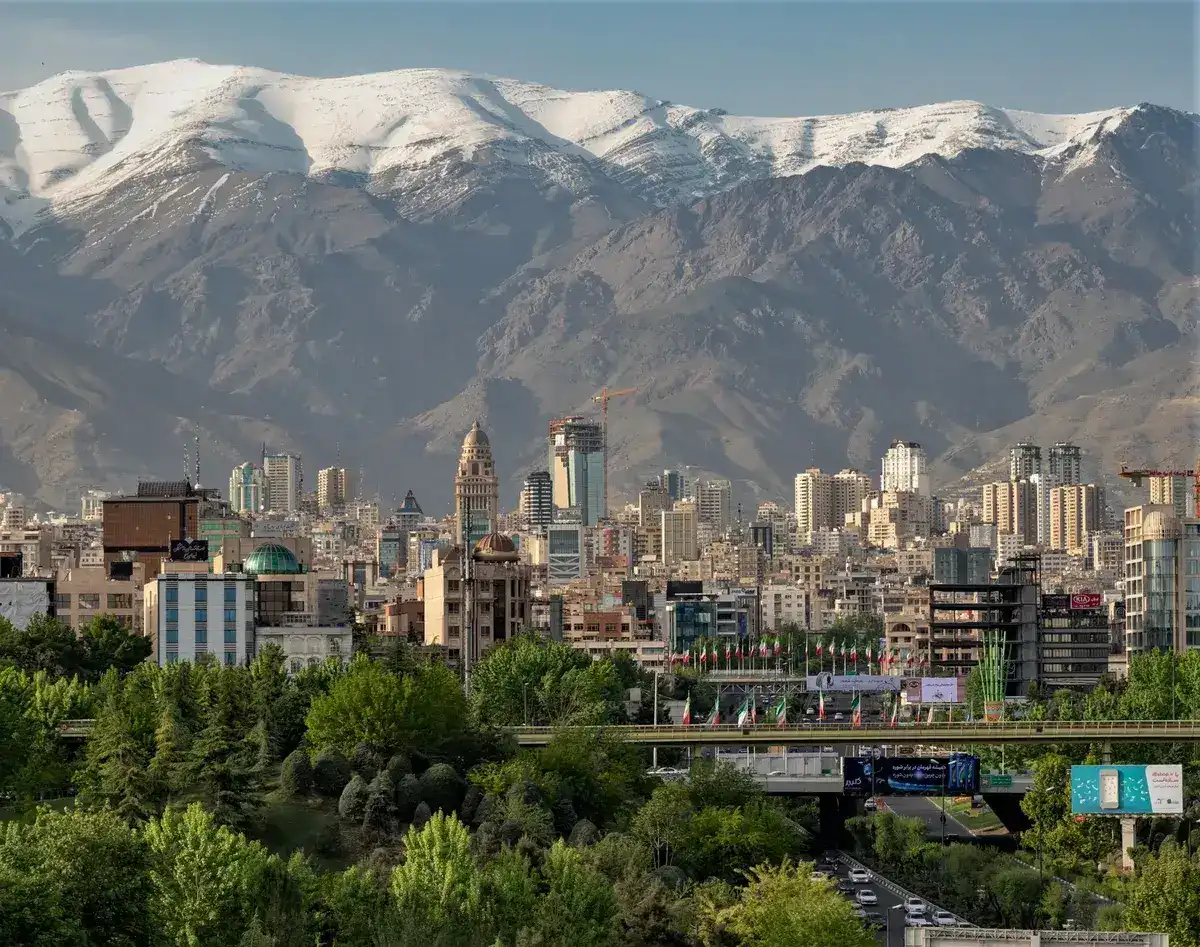
Thousands of Iranians mourned publicly in Tehran on July 4, 2026, at the funeral of Ayatollah Khamenei, killed February 28 alongside four family members.
Iran stages Khamenei funeral as power display, successor absent
Iran held Ayatollah Khamenei's state funeral on July 4, 2026, four months after his death in U.S.-Israeli airstrikes, with delegations from Russia, Pakistan…
Thousands of Iranians dressed in black wept openly at the Imam Khomeini Grand Mosalla in Tehran on July 4, 2026, during the funeral of Ayatollah Ali Khamenei, killed on February 28 alongside four members of his family in U.S.-Israeli airstrikes, according to the Associated Press. Women struck their heads with their hands in grief; men beat their chests in unison, following Shia mourning tradition. For ordinary Iranians, the ceremony marked four months of deferred public grief.
🔹 What happened: The viewing ceremony began July 3 at the Grand Mosalla. A funeral spokesperson said the four-month delay was caused by "war conditions" and what the regime described as "the brutal U.S. invasion." Russia sent Dmitry Medvedev; Pakistan sent Prime Minister Shehbaz Sharif. Iraq's president, Afghanistan's foreign minister, a Hamas delegation, and a Saudi delegation were also present. Parliament speaker Mohammad Bagher Ghalibaf, who leads ceasefire negotiations with the United States, was seen praying near the five caskets. Mojtaba Khamenei, who assumed the role of Supreme Leader in March, has made no public appearance since.
🔹 Why it matters: For Iranian civilians living through an active armed conflict since February 28, the funeral represents the first sanctioned public moment of collective mourning. The families of those killed since the war began have had no equivalent national ceremony until now. "Death to America" chants and "#KillTrump" signs filled the venue alongside Hezbollah flags — a setting that blends genuine grief with state-directed messaging. The four-month gap between death and burial signals the degree to which the war has disrupted even the most basic civic and religious rituals for the Iranian population.
📌 EPM Take: Five caskets from the same family on display simultaneously — that image is the one that carries the most weight for Iranian citizens, regardless of their views on the regime. The government held that grief for four months, releasing it on July 4, 2026, in a setting designed for maximum political impact. Ghalibaf, the ceasefire negotiator, prayed feet away from those caskets while walls behind him displayed calls to kill the American president he is negotiating with. That contradiction is not lost on Iranians who have lived inside it since February. The scenario that remains unnamed: if Mojtaba Khamenei does not appear publicly before any ceasefire is signed, ordinary Iranians will have no way to know who made the decision that ends — or extends — their war.
The Iranian regime used Ayatollah Ali Khamenei's funeral on July 4, 2026 as a calculated demonstration of institutional continuity — four months after his death in U.S.-Israeli airstrikes on February 28, according to the Associated Press. The Imam Khomeini Grand Mosalla in Tehran drew large crowds bearing Hezbollah flags and "#KillTrump" signs, while delegations from Russia, Pakistan, Saudi Arabia, and others filled the diplomatic seats.
🔹 What happened: Khamenei, Supreme Leader since 1989 and architect of the Islamic Revolutionary Guard Corps' expansion, was killed at the outset of the U.S.-Israel military campaign against Iran. The regime delayed his funeral four months, citing "war conditions." Russia — which has received Iranian drones for use in Ukraine — sent former President Dmitry Medvedev. Pakistan dispatched Prime Minister Shehbaz Sharif. Saudi Arabia, despite Iran's March attack on a U.S. military base on Saudi soil, sent a delegation. Parliament speaker Mohammad Bagher Ghalibaf, who heads Iran's ceasefire negotiating team with Washington, was seen praying near the caskets. Mojtaba Khamenei, who assumed power in March, has not made a single public appearance since taking office.
🔹 Why it matters: The attendance of Medvedev highlights the active Moscow-Tehran axis operating across two simultaneous conflict zones: Ukraine and the Iran war. Saudi Arabia's presence despite the March attack signals that regional states are recalculating alignments under pressure. For U.S. and allied strategic planners, Mojtaba Khamenei's continued public absence is the most significant variable: a wartime state with no visible command confirmation introduces uncertainty into any ceasefire framework Ghalibaf is currently negotiating with Washington.
📌 EPM Take: Iran spent four months organizing what it intended as proof of revolutionary durability — and produced the most damaging signal possible: its own Supreme Leader did not show up. Mojtaba Khamenei has held the title his father held for 37 years, yet has not been seen publicly since March 2026. Ghalibaf negotiates with Washington while "#KillTrump" banners hang behind him at the funeral of the man whose government he now serves. Medvedev flew in; Putin did not. Riyadh sent envoys despite the March attack on U.S. assets on its territory. Every diplomatic presence in that mosque was a hedge, not a tribute. EPM has covered the broader geopolitical realignment accelerating around U.S. foreign policy decisions — the Khamenei funeral is the clearest single image yet of a regional order that has not stabilized, regardless of what any ceasefire document eventually says. The unasked question: does Mojtaba Khamenei actually control the IRGC?
Familias iraníes lloran a Jamenei mientras la guerra sigue
Miles de iraníes lloraron públicamente en Teherán el funeral del Ayatolá Jamenei, asesinado el 28 de febrero junto a cuatro familiares.
Irán escenifica poder en funeral de Jamenei sin mostrar a su sucesor
El régimen iraní realizó el 4 de julio el funeral del Ayatolá Jamenei, asesinado el 28 de febrero, con presencia de delegaciones de Rusia, Pakistán y Arabia…
Miles de personas vestidas de negro lloraron abiertamente en Teherán el 4 de julio de 2026 durante el funeral del Ayatolá Ali Jamenei, asesinado junto a cuatro miembros de su familia en los ataques aéreos del 28 de febrero. Mujeres se golpeaban la cabeza con las manos; hombres se golpeaban el pecho al unísono, según reportó AP desde Estambul. El duelo, cuatro meses postergado, llegó a la población civil iraní en medio de una guerra activa.
🔹 Lo que pasó: El velatorio inició el viernes 3 de julio en la Gran Mezquita Imam Jomeini de Teherán. Los ataúdes de Jamenei y cuatro familiares suyos estuvieron expuestos ante la multitud. Un portavoz oficial atribuyó la demora de cuatro meses a "las condiciones de guerra" y a lo que el régimen denominó "la brutal invasión estadounidense". Delegaciones extranjeras de Rusia, Pakistán, Irak, Afganistán, Hamás y Arabia Saudita asistieron a las ceremonias. El parlamento iraní estuvo representado por su presidente, Mohammad Bagher Ghalibaf, quien simultáneamente lidera las negociaciones de alto al fuego con Washington. Mojtaba Jamenei, quien asumió como líder supremo en marzo, no ha aparecido en público desde entonces.
🔹 Por qué importa: Para los ciudadanos iraníes comunes, el funeral concentra cuatro meses de duelo reprimido en un contexto de conflicto bélico continuo. Las familias que perdieron parientes desde el inicio de la guerra el 28 de febrero enfrentan ahora un proceso de duelo nacional que el régimen encuadra como acto de resistencia. Las pancartas de "Muerte a América" y las banderas de Hezbolá presentes en la ceremonia reflejan la tensión entre el dolor colectivo real y el mensaje político que el gobierno iraní busca proyectar hacia el exterior. La ausencia de Mojtaba Jamenei en la escena pública genera incertidumbre sobre quién toma decisiones en un Estado en guerra.
📌 Conclusión EPM: El detalle que más revela sobre el estado real de Irán hoy no es la multitud en el funeral —es que los ataúdes de cinco personas de la misma familia fueron expuestos al mismo tiempo. Cuatro meses después del 28 de febrero, las familias iraníes procesaron en público una pérdida que el régimen retuvo durante todo ese tiempo. Ghalibaf, negociador del alto al fuego, oraba frente a esos ataúdes el mismo día en que pancartas con "#KillTrump" cubrían las paredes del recinto. Esa contradicción visible —duelo instrumentalizado, negociación en curso— es la que más afecta a quienes viven bajo el conflicto sin voz en ninguna de las dos mesas. El escenario que nadie nombra: ¿qué ocurre si el alto al fuego fracasa antes de que Mojtaba Jamenei aparezca en público?
El régimen iraní convirtió el funeral del Ayatolá Ali Jamenei en un ejercicio de proyección de poder el 4 de julio de 2026, cuatro meses después de su muerte en ataques aéreos el 28 de febrero, según reportó AP. La Gran Mezquita Imam Jomeini de Teherán acogió multitudes con banderas de Hezbolá y pancartas de "#KillTrump", mientras delegaciones de Rusia, Pakistán y Arabia Saudita observaban la puesta en escena.
🔹 Lo que pasó: Jamenei fue asesinado el 28 de febrero de 2026 al inicio de las operaciones militares de Estados Unidos e Israel contra Irán. El funeral fue postergado cuatro meses; un portavoz lo justificó con "las condiciones de guerra". El expresidente ruso Dmitri Medvedev representó a Moscú —aliado que ha recibido drones iraníes para su guerra en Ucrania—. El presidente del parlamento Mohammad Bagher Ghalibaf, quien encabeza las negociaciones de alto al fuego con Washington, fue visto orando junto a los ataúdes. El sucesor Mojtaba Jamenei, en el cargo desde marzo, no ha hecho ninguna aparición pública desde que asumió.
🔹 Por qué importa: La presencia de Medvedev subraya el eje Moscú-Teherán activo en dos frentes simultáneos: Ucrania e Irán. Arabia Saudita, objetivo de un ataque iraní contra una base militar estadounidense en marzo, envió delegación a pesar de décadas de rivalidad regional, lo que indica cálculos diplomáticos complejos en el Medio Oriente. La ausencia pública de Mojtaba Jamenei desde marzo es la señal más relevante para la estabilidad regional: un Estado en guerra sin confirmación visible de su línea de mando es un factor de riesgo concreto para cualquier acuerdo de alto al fuego en curso.
📌 Conclusión EPM: El régimen iraní gastó cuatro meses organizando una demostración de fortaleza —y el resultado más llamativo fue la ausencia de su propio líder. Mojtaba Jamenei lleva desde marzo de 2026 sin aparecer en público, mientras Ghalibaf negocia un alto al fuego con Washington y las pancartas en Teherán exigen matar al presidente que está al otro lado de esa negociación. Rusia envió a Medvedev, no a Putin. Arabia Saudita envió delegación a pesar del ataque iraní de marzo contra una base estadounidense en su territorio. Cada presencia en ese funeral es un cálculo, no un gesto de duelo. La pregunta que ningún analista regional está respondiendo directamente: si el alto al fuego se firma antes de que Mojtaba Jamenei aparezca en público, ¿quién en Irán tiene autoridad real para garantizarlo?