Spain's Regions Face Spending Caps While Funding Reform Waits
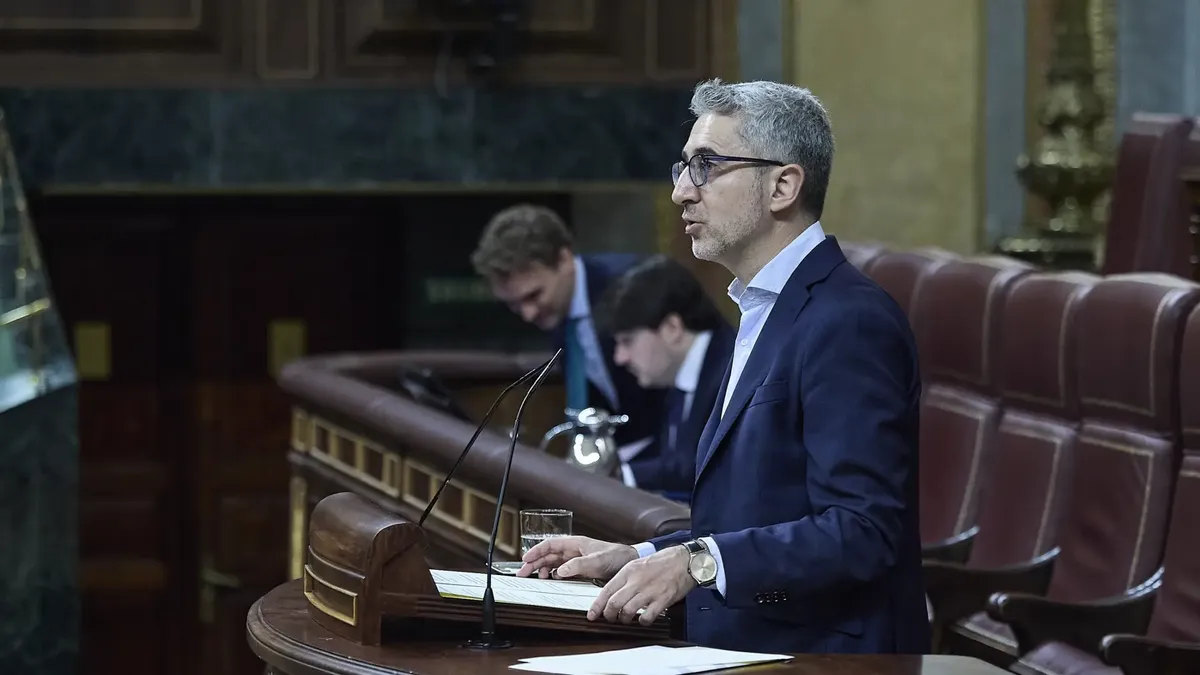
Treasury Minister Arcadi España chaired the CPFF on Monday to impose deficit and debt limits on Spain's regions, deferring the regional financing reform debate…
España Chairs First CPFF Amid Budget Stalemate and Regional Pressure
Minister Arcadi España chaired his first Fiscal and Financial Policy Council on Monday, setting deficit and debt ceilings for Spain's regions as a legally…
Spain's autonomous communities sat down with Treasury Minister Arcadi España on Monday without knowing what structural funding they will receive to finance public services next year, according to reporting on the meeting. The government called the Fiscal and Financial Policy Council (CPFF) to set deficit and debt ceilings for the regions, while pushing back the debate on financing reform — the framework that determines actual resource levels for healthcare, education, and social services — to at least July.
🔹 What happened: Monday's CPFF agenda is limited to communicating the fiscal path — deficit and debt limits — that the central government wants to apply when drafting next year's budget. Under Spain's budget stability law, this path must then be approved by Congress and the Senate before a General State Budget bill can be submitted. The ministry will also inform regions of the advance payments they can expect, the periodic transfers that allow communities to meet their financial obligations during the fiscal year. The reform of the regional financing model, which defines how much each territory receives on a structural basis, is formally excluded from Monday's agenda.
🔹 Why it matters: Workers in regional healthcare and education systems operate inside budgets tied to a financing model that, according to one source cited at the meeting, "all communities, regardless of political affiliation, are against." The government has failed to secure parliamentary approval for the fiscal path in recent years, meaning Spain has gone without approved General State Budgets for a prolonged period. Former minister María Jesús Montero once proposed treating communications to the European Union as a substitute for that parliamentary endorsement — a proposal that was never put into practice. The citizens most exposed to this uncertainty are those who depend on regionally managed services where planning horizons remain unclear.
📌 EPM Take: The pattern here is specific and worth naming directly. Communities across Spain — whether run by the PP in Castilla y León or by other parties — are being asked to absorb spending ceilings for hospitals and schools while the government defers the conversation about how those services will actually be funded. One source at Monday's meeting confirmed that no community, regardless of political color, defends the current financing model. Yet the government's response is to schedule that conversation for July while locking in fiscal constraints today. EPM has previously covered renters and workers waiting on Spain's budget process; Monday's CPFF shows that waiting is now structural, not incidental. The scenario nobody wants to name: if July's CPFF produces no agreement on financing reform, regional governments will enter another budget cycle with ceilings they didn't negotiate and resources they can't predict.
✍️ EPM Editorial Desk | erickprometeomedia.com
Spain's Treasury Minister Arcadi España chaired his first Fiscal and Financial Policy Council (CPFF) on Monday as the government faces a structural inability to pass a General State Budget — a failure rooted in years of blocked fiscal path votes in Parliament, according to available reporting. Monday's session, which sets deficit and debt ceilings for autonomous communities, is the legally required first step in a process the current executive has repeatedly failed to complete.
🔹 What happened: The CPFF convened Monday to communicate the fiscal path — the deficit and public debt limits — the central government wants to use to draft next year's budget. Spain's budget stability law requires this path to be approved by Congress and the Senate before a budget bill can be submitted. Minister España had previously attended the CPFF as Valencia's regional finance chief; Monday marks his first time presiding over it as minister. The ministry is also expected to announce advance payment figures for the coming fiscal year. Regional financing reform is absent from Monday's agenda and has been deferred to a second CPFF planned for July.
🔹 Why it matters: The government's inability to secure parliamentary approval for the fiscal path has left Spain without approved General State Budgets for multiple consecutive years, generating uncertainty for public investment planning and institutional credibility. Several PP-governed regions plan to demand the financing reform debate be opened during Monday's session. One source cited at the meeting said "all communities, regardless of political affiliation, are against" the current model. Former minister María Jesús Montero had proposed using EU-directed communications as a substitute for parliamentary endorsement — a maneuver that was never executed, but whose proposal signals the executive's willingness to circumvent the standard legislative process when votes fail.
📌 EPM Take: The core governance problem on display Monday is not partisan — it is procedural. A government that cannot pass its own fiscal roadmap through Parliament for multiple consecutive years is a government operating without a functional budgetary mandate. Arcadi España inherits that deficit today. The PP regions pushing for financing reform during Monday's session are doing so not out of obstructionism but because the current model, by the government's own implicit admission in scheduling July's CPFF, is indefensible. The Montero precedent — floating EU communications as a parliamentary workaround — should not be forgotten as context for how this executive handles institutional friction. EPM has tracked Spain's budget paralysis across multiple cycles; the pattern is consistent. The question that matters for institutional stability: if the fiscal path fails again in Congress, does the Sánchez government possess the legislative arithmetic to govern within constitutional budget norms, or will it again seek procedural alternatives to democratic accountability?
✍️ EPM Editorial Desk | erickprometeomedia.com
Comunidades esperan financiación mientras Hacienda marca límites de gasto
El ministro Arcadi España preside este lunes el CPFF para fijar techos de déficit a las comunidades autónomas, sin incluir en la agenda la reforma del modelo…
España preside el CPFF: senda fiscal, presupuestos y bloqueo parlamentario
El ministro Arcadi España preside este lunes su primer Consejo de Política Fiscal y Financiera para comunicar a las comunidades los techos de déficit y deuda…
Los consejeros de Economía y Hacienda de las comunidades autónomas se sientan este lunes frente al ministro Arcadi España sin saber aún con qué dinero contarán para financiar servicios públicos el próximo año. El Gobierno convoca el Consejo de Política Fiscal y Financiera (CPFF) para imponer techos de déficit y deuda, pero aplaza al menos hasta julio el debate sobre la reforma del modelo de financiación que afecta directamente a la prestación de sanidad, educación y servicios sociales en cada territorio, según la información disponible.
🔹 Lo que pasó: El CPFF de este lunes tiene como objetivo oficial comunicar la senda fiscal —los límites de déficit y deuda— que el Ejecutivo quiere aplicar para elaborar los próximos presupuestos. Este trámite es obligatorio por ley de estabilidad y debe luego ser refrendado por el Congreso y el Senado. Sin ese refrendo, no puede presentarse un proyecto de Presupuestos Generales del Estado. En paralelo, el ministerio comunicará a las comunidades las entregas a cuenta previstas, es decir, los anticipos con los que los territorios financiarán sus obligaciones durante el ejercicio. La reforma de la financiación autonómica, que define cuánto dinero recibe cada comunidad de forma estructural, queda fuera del orden del día.
🔹 Por qué importa: La ausencia de un modelo de financiación actualizado afecta directamente a los ciudadanos que dependen de los servicios públicos gestionados por las comunidades. Una fuente presente en el encuentro advirtió que "todas las comunidades, independientemente del color político, están en contra" del modelo actual. Los trabajadores de la sanidad y la educación autonómica operan en territorios que desconocen su marco financiero real a largo plazo. El Ejecutivo no ha logrado que el Congreso apruebe la senda fiscal en los últimos ejercicios, y en ese vacío fue la propia ministra anterior, María Jesús Montero, quien planteó recurrir a los comunicados enviados a la UE como base legal alternativa, fórmula que nunca llegó a aplicarse.
📌 Conclusion EPM: La ironía de este lunes es precisa: el Gobierno pide a las comunidades que acepten límites de gasto en sanidad y educación mientras pospone indefinidamente la conversación sobre cuánto dinero recibirán para financiarlos. Trabajadores sanitarios en Valencia, maestros en Murcia o empleados de servicios sociales en Castilla y León operan dentro de presupuestos que dependen de un modelo de financiación que, según la propia fuente citada en la reunión, ninguna comunidad defiende. El precedente más revelador no es político sino legal: cuando el Congreso bloqueó la senda, el ministerio buscó sustituir el refrendo democrático con un comunicado a Bruselas. Si ese escenario se repite, la pregunta que los ciudadanos deberían hacerse es quién aprobó realmente los límites que condicionan sus hospitales y escuelas.
✍️ EPM Editorial Desk | erickprometeomedia.com
El ministro Arcadi España afronta este lunes su primera presidencia del Consejo de Política Fiscal y Financiera (CPFF) en un momento en que el Ejecutivo lleva años sin aprobar Presupuestos Generales del Estado por la incapacidad de superar el trámite parlamentario de la senda fiscal. El encuentro con los consejeros autonómicos de Economía y Hacienda es el paso previo legalmente exigido para iniciar ese proceso, y su resultado condicionará la estabilidad del gasto público en el conjunto del Estado, según la información disponible.
🔹 Lo que pasó: El CPFF reúne este lunes a las comunidades autónomas para recibir los límites de déficit y deuda pública con los que el Gobierno quiere confeccionar los próximos presupuestos. Arcadi España ya conoce el órgano desde su etapa como conseller valenciano, pero hoy lo preside por primera vez como titular de Hacienda. El ministerio también tiene previsto comunicar las entregas a cuenta para el próximo ejercicio, los anticipos que permiten a los territorios atender sus compromisos financieros. La reforma de la financiación autonómica no está en el orden del día; está reservada para un segundo CPFF previsto en julio.
🔹 Por qué importa: La estabilidad presupuestaria del Estado depende de que la senda fiscal sea refrendada por el Congreso y el Senado, requisito que el Ejecutivo no ha logrado cumplir en los últimos años. Sin ese refrendo, no es posible presentar un proyecto de Presupuestos Generales, lo que genera incertidumbre para la planificación de inversiones y servicios públicos. Las comunidades gobernadas por el PP tienen previsto exigir que se abra el debate sobre la financiación autonómica durante la reunión, con una fuente citando que "todas las comunidades, independientemente del color político, están en contra" del modelo vigente. La anterior ministra, María Jesús Montero, llegó a plantear sustituir el refrendo parlamentario con comunicados enviados a la UE, fórmula que nunca se aplicó.
📌 Conclusion EPM: El dato que más incomoda al Ejecutivo no es la presión del PP en el CPFF de hoy, sino su propio historial: el Gobierno de Pedro Sánchez lleva ejercicios consecutivos sin presentar Presupuestos Generales del Estado porque no ha conseguido el respaldo parlamentario para la senda fiscal. Arcadi España hereda ese bloqueo y lo enfrenta hoy desde la presidencia de un órgano cuya agenda oficial evita precisamente el asunto —la financiación autonómica— que más condiciona la estabilidad fiscal a largo plazo. Que el ministerio haya contemplado en el pasado invocar comunicados a Bruselas como sustituto del control parlamentario no es un detalle menor: revela una tendencia a sortear los mecanismos de control institucional cuando el resultado legislativo no acompaña. La pregunta que el lector debería hacerse es si un Gobierno que no puede aprobar su propia hoja de ruta financiera tiene capacidad real de gestionar los equilibrios presupuestarios que exige la UE.
✍️ EPM Editorial Desk | erickprometeomedia.com