Asylum door narrows; Medicare costs may rise for millions
The Trump administration eliminated the pre-court USCIS interview for certain asylum seekers, as approval rates hit a 20-year low.
Fauci invokes Fifth; Trump streamlines asylum and Medicare
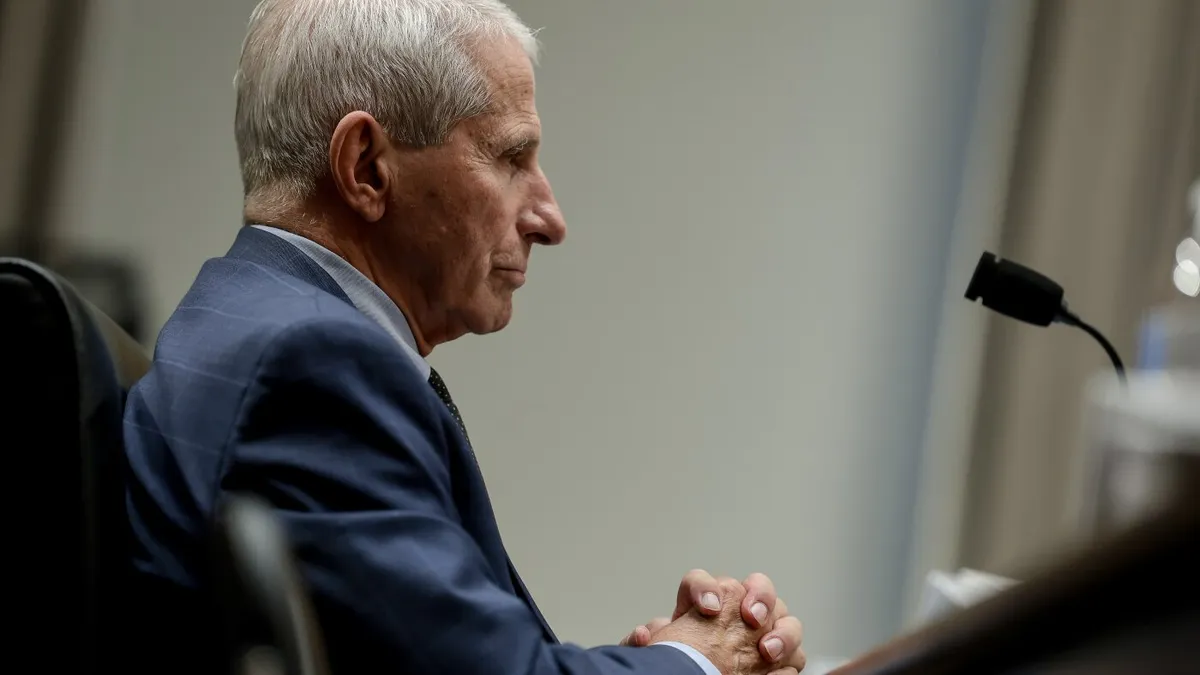
Dr. Anthony Fauci invoked the Fifth Amendment at a Senate hearing on July 29, 2026, prompting Senator Rand Paul to announce contempt proceedings.
Hundreds of thousands of people facing the loss of Temporary Protected Status are now confronting a narrower path to asylum after the Trump administration eliminated a key step in the intake process, according to NPR. Asylum approval rates are already at their lowest level in at least 20 years. In the same week, the administration announced it would end Medicare drug subsidies a year early, raising the prospect of higher premiums for millions of beneficiaries.
🔹 What happened: The new asylum rule allows officers to send certain cases directly to immigration court without the applicant first receiving an interview with a U.S. Citizenship and Immigration Services officer. That interview had been the stage where applicants could present their situation before a decision-maker with authority to advance or refer the case. The Trump administration has separately narrowed who qualifies for asylum and restricted approval criteria. On Medicare, subsidies introduced to stabilize drug coverage premiums — originally set to run through 2027 — will now end one year early. The Inflation Reduction Act of 2022 established a $2,000 annual out-of-pocket cap on Medicare drug costs starting in 2025. Also this week, Senator Rand Paul announced contempt proceedings against Dr. Anthony Fauci after Fauci invoked his Fifth Amendment rights at a July 29, 2026 Senate hearing.
🔹 Why it matters: For asylum seekers, the eliminated interview was the first formal opportunity to explain persecution, violence, or danger directly to an authority. Its removal accelerates the timeline to immigration court without that preliminary filter. For Medicare enrollees, the early subsidy termination means insurers may reprice premiums for 2026 ahead of what beneficiaries had planned for. Both groups — people in precarious immigration status and seniors on fixed budgets — absorb simultaneous policy shifts with no announced transition support.
📌 EPM Take: Two specific populations face concrete consequences if these changes hold: asylum seekers who lose their only pre-court administrative hearing, and Medicare beneficiaries who structured their 2026 healthcare budgets around a subsidy guaranteed through 2027. EPM previously reported on how midterm volatility hits ordinary savers hardest — the early Medicare subsidy cut adds a direct healthcare cost variable to that same economic pressure. What no outlet is framing clearly: the pace of these changes, across immigration and healthcare in a single news cycle, limits the window for affected individuals to seek legal recourse or adjust their planning. The scenario no one is naming: what happens to the hundreds of thousands losing TPS if asylum courts — already strained — absorb a new wave of unscreened referrals?
Dr. Anthony Fauci appeared before the Senate Homeland Security and Governmental Affairs Committee on July 29, 2026, and invoked his Fifth Amendment right against self-incrimination, declining to answer any questions about his role during the COVID-19 pandemic. According to NPR, Senator Rand Paul, R-Ky., responded by announcing plans to pursue contempt of Congress proceedings. The two have clashed for years over the origins of COVID-19.
🔹 What happened: Days before the hearing, Paul released more than 1,000 pages from Fauci's private pandemic-era diary, alleging Fauci had concealed information about COVID-19's origins. Fauci served as the country's top infectious disease expert throughout the pandemic. In separate executive action, the Trump administration issued a new rule allowing asylum officers to refer certain cases directly to immigration court, bypassing the standard USCIS interview stage. Asylum approval rates are at their lowest in at least 20 years. The administration also announced the early termination — one year ahead of schedule — of Medicare subsidies designed to stabilize drug coverage premiums. The Inflation Reduction Act of 2022 had capped Medicare out-of-pocket drug costs at $2,000 annually starting in 2025, with subsidies intended to offset insurer exposure through 2027.
🔹 Why it matters: The contempt push signals that congressional oversight of pandemic-era decision-making will proceed regardless of witness cooperation. Streamlining asylum referrals to immigration court tightens executive control over a system that had recorded its lowest approval rates in at least two decades. Ending the Medicare subsidies early reduces federal expenditure and returns premium-setting authority to insurers, who will price coverage for 2026 based on market exposure rather than government guarantees. The administration has framed both the asylum and Medicare changes as corrections to policies introduced under the Biden administration.
📌 EPM Take: Fauci's decision to invoke the Fifth Amendment before the Senate is itself a political event, independent of what the 1,000-plus diary pages contain. In oversight terms, a senior public health official refusing to answer questions about a pandemic that shaped four years of American policy hands his critics a durable narrative. EPM has tracked how each major executive reform this cycle triggers judicial review; the asylum rule change and Medicare subsidy rollback both carry that risk. The conservative case for these moves rests on fiscal discipline and border integrity — but the administration's ability to sustain them depends on how quickly legal challenges materialize. The question that should be on every policy desk: can all three actions survive court scrutiny before the next election cycle resets the calculus?
Asilo más restringido y Medicare más caro: millones afectados
La administración Trump eliminó la entrevista ante el USCIS para ciertos solicitantes de asilo, cuyas tasas de aprobación están en mínimos de 20 años.
Paul presiona a Fauci; Trump reordena asilo y Medicare
El doctor Anthony Fauci invocó la Quinta Enmienda en audiencia del Senado el 29 de julio de 2026, lo que llevó al senador Rand Paul a amenazar con un proceso…
Cientos de miles de personas que esperan perder su Estatus de Protección Temporal buscan el asilo como última vía legal para permanecer en Estados Unidos, pero ese camino acaba de volverse más estrecho. Según informó NPR, la administración Trump eliminó la entrevista obligatoria ante el USCIS para ciertos solicitantes, enviándolos directamente a la corte de inmigración. Las tasas de aprobación de asilo ya están en su punto más bajo en al menos 20 años.
🔹 Lo que pasó: La nueva regla permite que oficiales de asilo deriven casos a la corte de inmigración sin que el solicitante tenga la oportunidad de presentar su caso ante un oficial del USCIS. Esa entrevista era el mecanismo que determinaba si un caso avanzaba o era referido a corte. El cambio llega en un momento en que la administración ha reducido las vías para solicitar asilo y endurecido los criterios de aprobación. En materia de salud, la administración anunció el fin anticipado de subsidios al Medicare que debían mantenerse hasta 2027, con el riesgo de que las primas aumenten para millones de beneficiarios el próximo año. La Ley de Reducción de la Inflación de 2022 estableció el tope de 2,000 dólares en gastos de bolsillo para medicamentos a partir de 2025.
🔹 Por qué importa: Para los solicitantes de asilo, perder la entrevista previa significa perder la primera oportunidad de explicar su situación ante una autoridad con poder de decisión directa. Para adultos mayores con cobertura Medicare, el fin anticipado de los subsidios puede traducirse en primas más altas en 2026, alterando presupuestos personales ya ajustados. Ambos grupos —migrantes en situación precaria y beneficiarios de Medicare— enfrentan cambios simultáneos que reducen protecciones concretas sin mecanismos de compensación anunciados. En paralelo, el senador Rand Paul acusó al doctor Anthony Fauci de ocultar la verdad sobre los orígenes del COVID-19 y publicó más de 1,000 páginas de su diario personal.
📌 Conclusión EPM: Dos grupos específicos enfrentarán consecuencias directas si estas reglas se consolidan: solicitantes de asilo que pierden su única audiencia administrativa, y beneficiarios de Medicare que calcularon sus gastos médicos sobre una garantía de subsidio hasta 2027. Que ambos cambios ocurran en la misma semana no es coincidencia editorial, sino una señal de velocidad legislativa que supera la capacidad de respuesta ciudadana. EPM cubrió recientemente cómo la volatilidad de medio término golpea a los ahorradores ordinarios; el adelanto del fin de estos subsidios Medicare añade otra variable de incertidumbre financiera para el mismo segmento. La pregunta que los afectados deberían hacer: ¿existe algún mecanismo de apelación para quienes ya tomaron decisiones basadas en reglas que ahora cambian?
El doctor Anthony Fauci se presentó ante el Comité Senatorial de Seguridad Nacional el 29 de julio de 2026 y se acogió a la Quinta Enmienda, rehusando responder preguntas sobre la pandemia de COVID-19. Según NPR, el senador Rand Paul, republicano de Kentucky, respondió anunciando que buscará someterlo a un proceso de desacato al Congreso. Días antes, Paul había publicado más de 1,000 páginas del diario personal de Fauci del periodo pandémico.
🔹 Lo que pasó: La audiencia forma parte de una investigación sobre los orígenes del COVID-19 y el manejo institucional de la pandemia. Fauci, quien fue el principal experto en enfermedades infecciosas del país durante ese periodo, no respondió ninguna pregunta al amparo de su derecho constitucional. En paralelo, la administración emitió una nueva regla que agiliza el proceso de asilo, permitiendo derivar ciertos casos directamente a la corte de inmigración sin entrevista previa del USCIS. También anunció el fin anticipado —un año antes de lo previsto— de los subsidios al Medicare destinados a estabilizar las primas de cobertura de medicamentos.
🔹 Por qué importa: La acción de Paul en el Congreso señala que la revisión del manejo institucional de la pandemia continuará con o sin cooperación de los funcionarios involucrados. El cambio en el proceso de asilo refuerza el control del Ejecutivo sobre el flujo migratorio en un momento en que cientos de miles de personas con TPS buscan alternativas legales. En el frente fiscal, terminar antes de 2027 los subsidios al Medicare reduce el gasto federal y coloca a los mercados de seguros en posición de ajustar primas para 2026. La Ley de Reducción de la Inflación de 2022 había fijado un tope de 2,000 dólares en gastos de bolsillo para medicamentos Medicare desde 2025.
📌 Conclusión EPM: La decisión de Fauci de invocar la Quinta Enmienda ante el Senado transforma su silencio en el argumento más poderoso de sus críticos. Más de 1,000 páginas de diario ya están en manos del Congreso; si contuvieran respuestas claras, presumiblemente no habría necesidad del blindaje constitucional. Este patrón —instituciones que se protegen mediante el silencio legal en lugar de la transparencia— es exactamente lo que la administración Trump ha utilizado como justificación para reformas estructurales como las que se anunciaron esta semana en asilo y Medicare. EPM ha documentado cómo cada reforma ejecutiva de esta magnitud activa resistencia judicial; la pregunta real es cuánto tiempo tiene la administración para consolidar estos cambios antes de que los tribunales intervengan.