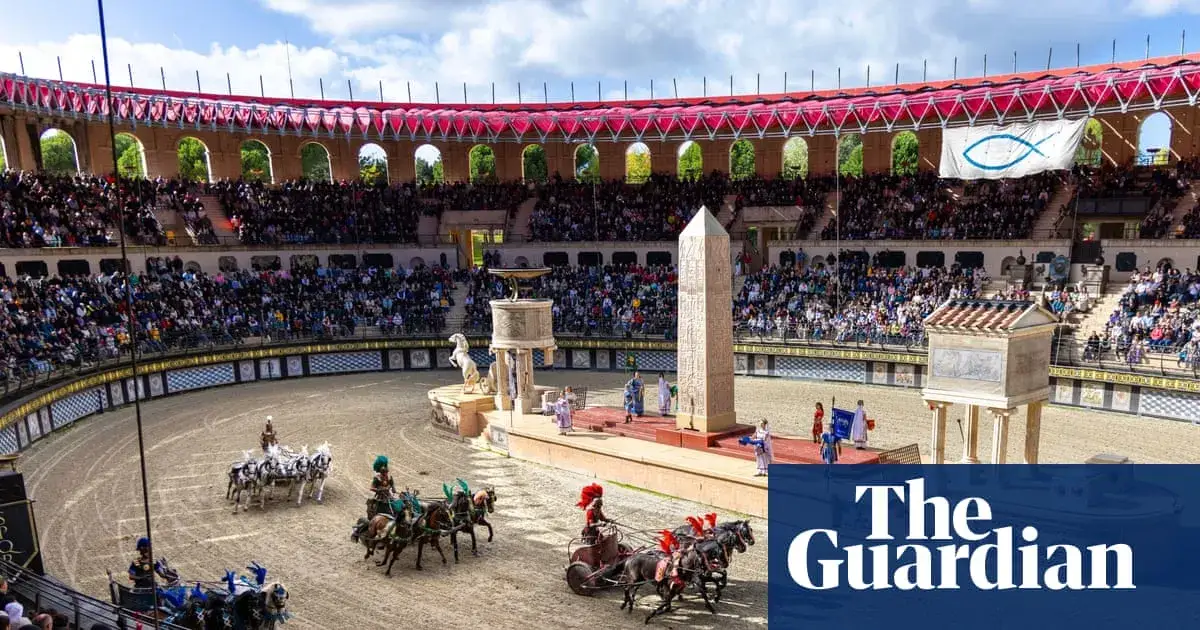
£600m UK theme park developer tied to sanctioned oligarch, report reveals
French developer Puy du Fou, behind a £600 million UK theme park, worked with a sanctioned oligarch on Crimea plans longer than disclosed and later sought…
£600m UK park developer had sanctioned oligarch and Crimea ties
Puy du Fou, the French firm behind a £600 million UK theme park, worked with a sanctioned oligarch on Crimea resort plans longer than disclosed and later…
Workers and local communities set to host a £600 million theme park in the United Kingdom now face uncomfortable questions about the background of the project's promoter, after an exclusive Guardian investigation revealed that French company Puy du Fou worked with a sanctioned oligarch on Crimea resort plans for longer than it had acknowledged — and later courted Iran and China for commercial deals.
🔹 What happened: Russian soldiers in unmarked uniforms took control of Crimea in February 2014, beginning the annexation overseen by Vladimir Putin. According to The Guardian, Puy du Fou maintained ties with a sanctioned oligarch involved in development plans for the peninsula during that period. The company later pursued agreements with Iran and China before advancing its £600 million project in the UK. No public statement from UK authorities was reported in the source.
🔹 Why it matters: People living near the proposed site, and workers who might have expected stable employment from the project, have a direct interest in knowing whether the investors behind it passed rigorous screening. When a developer carries documented ties to a sanctioned oligarch and commercial history with countries under international scrutiny, the communities hosting that investment absorb the legal and reputational risk if complications arise. The absence of any official government response compounds the concern.
📌 EPM Take: The communities that were told this project would bring economic opportunity deserve more than silence from regulators. Puy du Fou's trajectory — from Crimea-linked dealings in 2014 to Iran and China outreach, and then to a £600 million UK project — is a sequence that should have appeared in a due diligence report. The question for residents and workers is direct: did anyone in the approval chain read that history, and if they did, what decision did they make and why?
A French company now developing a £600 million theme park in the United Kingdom maintained undisclosed ties with a sanctioned oligarch over plans for a resort in Crimea — and later pursued commercial agreements with Iran and China — according to an exclusive investigation published by The Guardian. The revelations raise serious national security and investment screening questions for the British government.
🔹 What happened: In February 2014, unmarked Russian soldiers seized Crimea's military installations in the opening move of Vladimir Putin's annexation of the peninsula, a process that would escalate into a full-scale invasion of Ukraine. According to The Guardian, Puy du Fou — the French entertainment firm now at the center of the UK's largest theme park project at £600 million — worked with a sanctioned oligarch on Crimea development plans for longer than it had admitted. The company also sought deals with Iran and China before entering the British market. No UK government response appeared in the source reporting.
🔹 Why it matters: Economic stability and national security depend on governments enforcing rigorous screening of foreign investors, particularly those with documented links to sanctioned individuals or adversarial states. A £600 million project is not a minor transaction — it requires multiple regulatory approvals. If those processes did not weigh Puy du Fou's Crimea history and oligarch connections, it signals a gap in the UK's investment vetting architecture at a moment when the Burnham government is actively courting large-scale private capital.
📌 EPM Take: Britain has taken a firm public stance on Russia sanctions since 2022 — yet a company with documented ties to a sanctioned oligarch dating back to the Crimea annexation is now the lead developer on one of the country's largest leisure infrastructure projects. That is not a minor oversight. The Burnham government, already managing pressures on public spending across sectors EPM has covered — from North Sea energy to prison reform — has a political incentive to approve large private projects quickly. The question that demands an answer: did expediency override scrutiny, and who signed off?
Parque temático británico de 600 millones ligado a oligarca sancionado
La empresa francesa Puy du Fou, promotora de un parque temático de 600 millones de libras en el Reino Unido, colaboró con un oligarca sancionado en proyectos…
Vínculos kremlin en proyecto de 600 millones plantean alerta de seguridad
Puy du Fou, empresa detrás de un parque temático de 600 millones de libras en el Reino Unido, mantuvo vínculos con un oligarca sancionado en planes para Crimea…
Trabajadores y comunidades locales que esperaban beneficiarse del parque temático más ambicioso del Reino Unido —valorado en 600 millones de libras— ahora enfrentan preguntas incómodas sobre quiénes estuvieron detrás del proyecto desde el inicio, según una investigación exclusiva de The Guardian. La empresa francesa Puy du Fou colaboró con un oligarca sancionado en planes para un complejo en Crimea durante más tiempo del que admitió, y posteriormente buscó acuerdos con Irán y China.
🔹 Lo que pasó: Los «hombres de verde» —soldados rusos sin insignias— ocuparon Crimea en febrero de 2014, marcando el inicio de la anexión por parte de Putin. En ese período, Puy du Fou mantuvo vínculos con un oligarca sancionado vinculado a planes de desarrollo en la península. La empresa luego extendió contactos comerciales a Irán y China. Hoy, esa misma compañía lidera un proyecto de 600 millones de libras en suelo británico.
🔹 Por qué importa: Las personas que viven cerca del lugar del proyecto, y quienes esperaban empleos y desarrollo regional, merecen saber si las autoridades evaluaron con rigor el historial de los inversores. Cuando una empresa tiene vínculos documentados con oligarcas sancionados y con países bajo sanciones internacionales, los ciudadanos vulnerables de las comunidades anfitrionas cargan con el riesgo reputacional y económico si el proyecto enfrenta complicaciones legales o regulatorias. La ausencia de declaraciones oficiales del gobierno laborista, según la fuente, agrava la inquietud.
📌 Conclusión EPM: El gobierno laborista de Burnham ha prometido redistribuir poder económico hacia las regiones, según cobertura previa de EPM. Pero si grandes proyectos de inversión privada avanzan sin escrutinio suficiente sobre el historial de sus promotores, esa promesa se vacía. Las comunidades que aceptan un parque temático de 600 millones no deberían descubrir después, gracias a una exclusiva periodística, que el promotor tenía vínculos con un oligarca sancionado desde los días de la anexión de Crimea. La pregunta que los vecinos deberían exigir responder: ¿quién aprobó este proyecto y qué documentos de debida diligencia existen?
Un parque temático de 600 millones de libras en el Reino Unido tiene en su historial un elemento que los defensores del orden y la seguridad nacional no pueden ignorar: su promotor, la empresa francesa Puy du Fou, trabajó con un oligarca sancionado en planes para Crimea durante más tiempo del reconocido y luego buscó acuerdos comerciales con Irán y China, según reveló The Guardian en una investigación exclusiva.
🔹 Lo que pasó: En febrero de 2014, soldados rusos sin insignias tomaron Crimea en la operación inicial de la anexión de Putin, que años después escalaría en la invasión a gran escala de Ucrania. En ese contexto, Puy du Fou mantuvo vínculos operativos con un oligarca sancionado relacionado con planes de desarrollo en la península, según The Guardian. La empresa amplió posteriormente su alcance comercial hacia Irán y China antes de involucrarse en el proyecto británico.
🔹 Por qué importa: La estabilidad económica y la seguridad de las inversiones en el Reino Unido dependen de que los gobiernos apliquen controles rigurosos sobre el origen y las redes de los promotores extranjeros. Un proyecto de esta escala —600 millones de libras— con conexiones documentadas a un oligarca sancionado y a países adversarios de Occidente no es únicamente un problema empresarial: es un indicador del nivel de vigilancia del Estado. El gobierno laborista no ha emitido respuesta pública según la fuente.
📌 Conclusión EPM: El Reino Unido ha endurecido su retórica sobre sanciones a Rusia desde 2022, pero este caso sugiere que la arquitectura de control sobre inversiones extranjeras tiene brechas. Puy du Fou no es una empresa desconocida: su proyecto de 600 millones de libras requirió aprobaciones regulatorias. Si esos procesos no detectaron o no ponderaron los vínculos con Crimea y con un oligarca sancionado, la falla no es solo empresarial. En un momento en que el gobierno Burnham enfrenta presiones presupuestarias y busca inversión privada a gran escala, el incentivo político para no hacer demasiadas preguntas existe. Ese es el escenario que nadie quiere nombrar.