Starmer acknowledges global humanitarian crisis while working families struggle to survive
Starmer acknowledges that British workers and families suffer devastating economic consequences from Iran and Ukraine conflicts.
Starmer emphasizes security and order amid intensifying geopolitical threats
Starmer underscores the necessity of maintaining order and economic stability amid geopolitical threats in Iran and Ukraine.
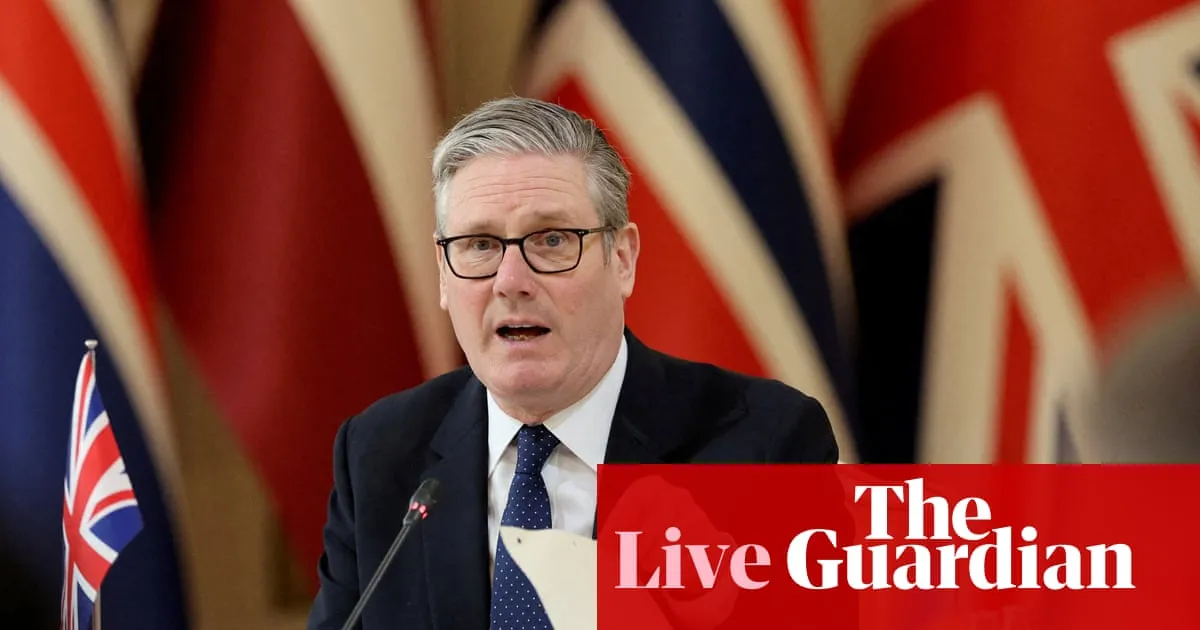
British Prime Minister Keir Starmer has raised his voice about a reality that profoundly affects workers and citizens: armed conflicts in Iran and Ukraine are generating an unprecedented humanitarian and economic crisis that defines the present generation. During a school visit in London, Starmer connected distant wars directly with the anguish of parents and educators struggling to maintain their families amid economic hardship and inflation.
🔹 What happened: The British government officially acknowledges that wars in Iran and Ukraine are causing energy, food, and essential services inflation that disproportionately impacts working-class and middle-income families. Starmer directly heard from teachers and parents their concerns about accessing quality education while struggling to cover essential expenses. The Prime Minister validated these concerns in public space, signaling they represent fundamental challenges rather than minor anxieties affecting collective futures.
🔹 Key players: British citizens, particularly workers, educators, and vulnerable families, face economic consequences of conflicts in which they do not participate. The British government attempts to coordinate progressive positions with G7 allies through Foreign Secretary Cooper. Hegemonic powers historically condition geopolitical destinies of global populations without democratic consent or accountability to affected communities.
🔹 Why it matters: The economic crisis derived from wars directly impacts access to education, healthcare, and housing for ordinary citizens. British workers witness eroded purchasing power while energy corporations accumulate extraordinary profits. Conflicts perpetuate a system of global inequality where powerful nations externalize costs of geopolitical decisions toward vulnerable populations without voice in diplomatic negotiations or strategic decisions.
🔹 What to expect: Short-term pressure for citizen-driven policies promoting economic redistribution and price controls on essentials. Medium-term demands for diplomatic solutions ending violence and military expenditure. Social mobilization will likely intensify demands for governments prioritizing human lives over corporate interests and military-industrial complexes.
📌 EPM Take: Starmer's words expose that true war costs are paid by ordinary citizens while systems of power remain fundamentally intact and unaccountable.
British Prime Minister Keir Starmer has conveyed a clear message about the necessity of maintaining order, economic stability, and national security amid intensifying geopolitical threats in Iran and Ukraine. His observations reflect the government's commitment to protecting British interests and national economic prosperity through coordination with Western allies in the G7, where Foreign Secretary Yvette Cooper represents British interests in critical international negotiations.
🔹 What happened: During an educational visit in London, Starmer directly addressed how international conflicts generate real economic impacts affecting cost of living and essential market stability. The Prime Minister acknowledges that British families face legitimate inflationary pressures stemming from global supply chain disruptions and energy volatility. This recognition underscores the importance of maintaining solid relationships with Western allies sharing democratic values and market-based economic systems.
🔹 Key players: The British government under Starmer's leadership coordinates with G7 democracies to maintain global economic stability. Foreign Secretary Cooper negotiates in France to strengthen Western positions. The Iran and Ukraine conflicts require coordinated responses protecting British interests. British citizens require government ensuring economic order and national security amid external threats.
🔹 Why it matters: Supply chain stability, energy prices, and financial market security depend on geopolitical stability and international order supported by Western leadership. British families require government protecting national economy through firm diplomacy and solid alliances with democratic partners. International chaos generates inflation, unemployment, and insecurity harming domestic prosperity. Maintaining Western leadership is essential for protecting democratic economies from authoritarian threats.
🔹 What to expect: Short-term G7 coordination will reinforce Western positions in international negotiations. Medium-term could demonstrate greater stability if united Western front is maintained. British policies will likely emphasize energy security, robust defense capabilities, and transatlantic alliances protecting national prosperity.
📌 EPM Take: Starmer's strategic vigilance demonstrates that protecting Western economic order requires firm leadership and unbreakable alliances with democratic partners.
Starmer reconoce crisis humanitaria global mientras familias luchan por sobrevivir
Starmer reconoce que trabajadores y familias británicas sufren consecuencias económicas devastadoras por conflictos en Irán y Ucrania.
Starmer enfatiza seguridad y orden ante amenazas geopolíticas crecientes
Starmer subraya la necesidad de mantener orden y estabilidad económica frente a amenazas geopolíticas en Irán y Ucrania.
El primer ministro británico Keir Starmer ha levantado la voz sobre una realidad que afecta profundamente a trabajadores y ciudadanía: los conflictos armados en Irán y Ucrania están generando una crisis humanitaria y económica sin precedentes que define la generación presente. Durante una visita a una escuela londinense, Starmer conectó directamente las guerras distantes con la angustia de padres y educadores que luchan por mantener a sus familias.
🔹 Lo que pasó: El gobierno británico reconoce oficialmente que las guerras en Irán y Ucrania están provocando inflación de precios de energía, alimentos y servicios básicos que golpean desproporcionadamente a trabajadores y familias de ingresos medios y bajos. Starmer escuchó directamente de maestros y padres sus preocupaciones sobre acceso a educación de calidad mientras luchan por cubrir gastos esenciales. El primer ministro validó estas angustias en el espacio público, señalando que no son inquietudes menores sino determinantes del futuro colectivo.
🔹 Actores: Ciudadanos británicos, especialmente trabajadores, educadores y familias vulnerables, enfrentan las consecuencias económicas de conflictos en los que no participan. El gobierno británico intenta coordinar posiciones progresistas con aliados del G7 a través de la secretaria Cooper. Potencias hegemónicas como Estados Unidos e Inglaterra históricamente han condicionado destinos geopolíticos de poblaciones globales sin consentimiento democrático.
🔹 Por qué importa: La crisis económica derivada de guerras impacta directamente el acceso a educación, sanidad y vivienda. Trabajadores británicos ven erosionada su capacidad adquisitiva mientras corporaciones energéticas acumulan ganancias extraordinarias. Los conflictos perpetúan un sistema de inequidad global donde naciones poderosas externalizan costos de decisiones geopolíticas hacia poblaciones vulnerables sin voz en negociaciones diplomáticas.
🔹 Qué esperar: A corto plazo, presión ciudadana por políticas de redistribución económica y control de precios esenciales. A mediano plazo, demandas de soluciones diplomáticas pacíficas que cesen la violencia. La movilización social ciudadana probablemente intensificará exigencias por gobiernos que prioricen vidas humanas sobre intereses corporativos.
📌 Conclusión EPM: Las palabras de Starmer exponen que el verdadero costo de las guerras lo pagan ciudadanos comunes mientras sistemas de poder permanecen intactos.
El primer ministro británico Keir Starmer ha transmitido un mensaje claro sobre la necesidad de mantener orden, estabilidad económica y seguridad nacional frente a amenazas geopolíticas que se intensifican en Irán y Ucrania. Sus observaciones reflejan el compromiso del gobierno con proteger intereses británicos y la prosperidad económica de la nación mediante coordinación con aliados occidentales en el G7, donde la secretaria de Relaciones Exteriores Yvette Cooper representa los intereses británicos.
🔹 Lo que pasó: Durante una visita educativa en Londres, Starmer abordó directamente cómo los conflictos internacionales generan impactos económicos reales que afectan el costo de vida y la estabilidad de mercados esenciales. El primer ministro reconoce que familias británicas enfrentan presiones inflacionarias legítimas derivadas de disrupciones en cadenas de suministro global y volatilidad energética. Este reconocimiento subraya la importancia de mantener relaciones sólidas con aliados occidentales que comparten valores de democracia y economía de mercado.
🔹 Actores: El gobierno británico bajo liderazgo de Starmer coordina con democracias occidentales del G7 para mantener estabilidad económica global. La secretaria Cooper negocia en Francia para fortalecer posiciones de Occidente. Los conflictos en Irán y Ucrania requieren respuestas coordinadas que protejan intereses británicos. Ciudadanía británica requiere gobierno que asegure orden económico y seguridad nacional ante amenazas externas.
🔹 Por qué importa: La estabilidad de cadenas de suministro, precios energéticos y mercados financieros depende de seguridad geopolítica y orden internacional respaldado por Occidente. Familias británicas requieren gobiernos que protejan economía nacional mediante diplomacia firme y alianzas sólidas. El caos internacional genera inflación, desempleo e inseguridad que perjudica prosperidad doméstica. Mantener liderazgo occidental es esencial para proteger economías democráticas de amenazas autoritarias.
🔹 Qué esperar: A corto plazo, coordinación G7 reforzará posiciones occidentales en negociaciones internacionales. Mediano plazo podría mostrar mayor estabilidad si se mantiene frente unido occidental. Políticas británicas probablemente enfatizarán seguridad energética, defensa robusta y alianzas transatlánticas que protejan prosperidad nacional.
📌 Conclusión EPM: La vigilancia estratégica de Starmer demuestra que proteger orden económico occidental requiere liderazgo firme y alianzas inquebrantables.