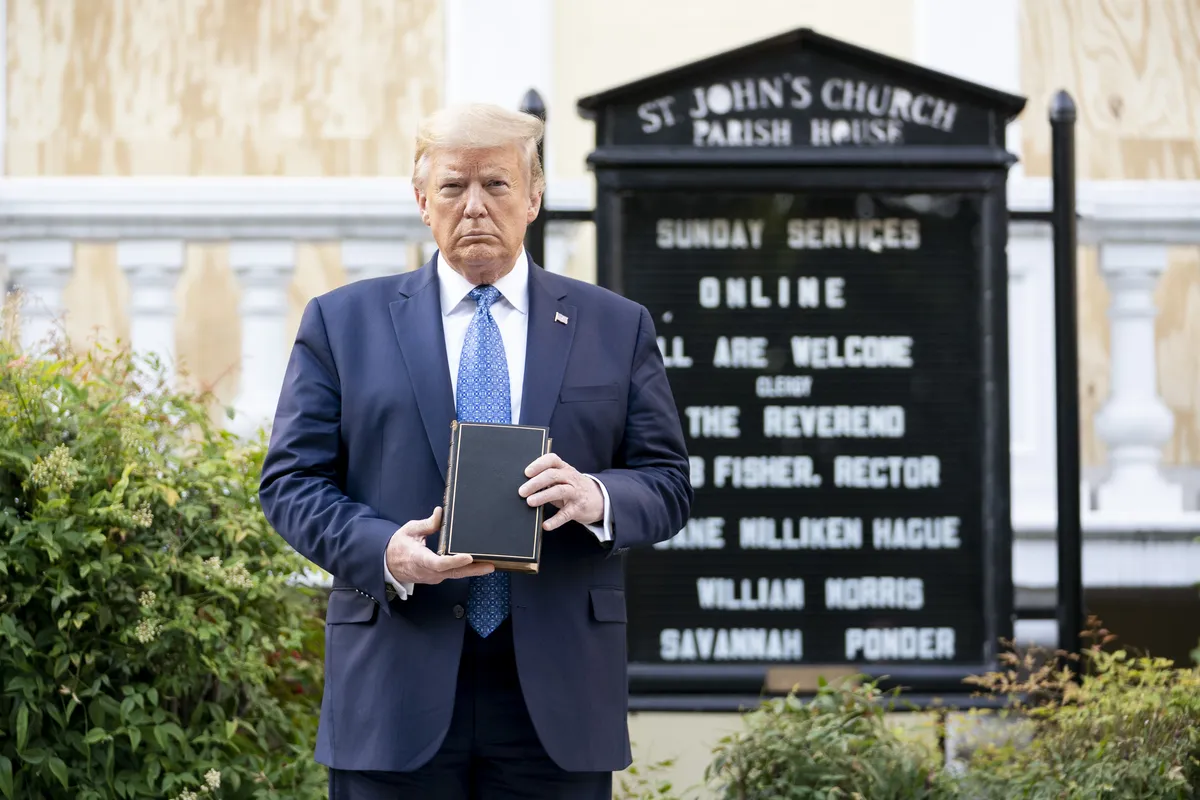
Trump Issues Executive Order to Fund TSA Workers Amid Congressional Delay
Trump administration uses executive order to pay TSA workers as Congressional funding negotiations remain stalled, ensuring federal employees receive…
Trump's Executive Order Shields National Security Infrastructure as Congress Fails to Deliver a Budget
President Trump signed an executive order ensuring continued pay for 60,000 TSA workers as Congress stalled on budget approval, safeguarding national aviation…
🔹 What happened: The Trump administration has issued an executive order to authorize payment for Transportation Security Administration workers during a period when Congressional funding appropriations have stalled. This action allows the TSA to continue compensating its workforce without waiting for legislative budget approvals. The move addresses an immediate operational challenge where federal employees faced potential payment disruptions due to delays in the normal budget process.
🔹 Key players: The Trump administration initiated this executive action to resolve funding gaps affecting the TSA workforce. Congressional members remain divided on budget priorities, delaying appropriations legislation. TSA leadership and its approximately 60,000 employees are directly affected by this decision. Republican and Democratic lawmakers have differing positions on government spending allocation, contributing to the legislative stalemate.
🔹 Why it matters: For TSA workers and their families, this executive action provides critical income security and operational continuity. When federal employees face payment uncertainty, it creates financial hardship and reduces workforce morale and effectiveness. Stable TSA operations directly impact airport security and national transportation infrastructure. Citizens depend on consistent security screening at airports, making worker stability essential for public safety and economic activity.
🔹 What to expect: In the short term, TSA workers will receive their compensation through executive authority. Medium-term outcomes depend on whether Congress reaches a funding agreement. If legislative deadlock continues, additional executive actions may be necessary. This situation highlights ongoing tensions between executive and legislative branches over budget control and government operations.
📌 EPM Take: Trump's executive order ensures TSA workers receive compensation and maintains airport security operations during the budget impasse, though the long-term resolution depends on Congressional action to break the legislative deadlock. Political pressures will likely intensify as both branches navigate this constitutional tension over government funding authority.
Strong executive leadership means ensuring that the government's most critical security functions never become casualties of legislative gridlock. President Trump's decision to authorize continued pay for TSA personnel reflects a clear-eyed understanding that airport security is not a discretionary program — it is a pillar of America's economic and national security architecture that must remain fully operational regardless of Washington's political impasses.
🔹 What happened: President Trump signed an executive order authorizing uninterrupted compensation for the approximately 60,000 Transportation Security Administration employees at a time when Congressional budget negotiations have stalled. TSA agents are responsible for securing the nation's commercial aviation system, screening over two million passengers daily. The executive action prevented a potential operational disruption to one of the most critical components of America's national infrastructure and economic backbone.
🔹 Key players: President Trump exercised his executive authority swiftly and decisively to prevent an institutional breakdown. The administration framed the move as a matter of operational necessity and national security continuity. Congress, unable to reach a timely funding agreement, effectively forced the executive branch to act. The White House responded without hesitation, prioritizing the stability of a security apparatus that the private aviation sector and American travelers depend on daily.
🔹 Why it matters: The TSA is not simply a federal workforce issue — it is a market stability and national security issue. Any disruption to airport security operations would send immediate shockwaves through the airline industry, logistics networks, and tourism economy. Investors and businesses that depend on reliable air transport need confidence that the federal government can maintain core security infrastructure. Trump's order preserves that confidence and prevents economic collateral damage from legislative inaction.
🔹 What to expect: The executive order serves as a financial bridge while Congress works toward a longer-term budget resolution. National security analysts and aviation industry leaders will likely view this intervention positively, as it eliminates near-term operational uncertainty. Market observers expect the stability signal to hold, with pressure now mounting on legislators to pass a sustainable funding package before the next fiscal deadline approaches.
📌 EPM Take: This executive action is a textbook example of responsible conservative governance: use executive authority not to grow government, but to ensure government fulfills its most essential constitutional obligation — protecting the American people. The TSA is not a social program or a policy preference; it is frontline national security infrastructure. When Congress fails to fund it on time, the President has both the authority and the duty to act. Critics who frame this as executive overreach miss the point entirely. The real story is a Congress that continues to abdicate its basic fiscal responsibilities, forcing the executive branch to fill the void. Trump's response was measured, targeted, and effective. The question Americans should be asking is not why the President acted — but why Congress made it necessary.
Trump actúa para pagar trabajadores TSA ante bloqueo legislativo
Trump actúa ejecutivamente para pagar a trabajadores TSA
Trump ejerció autoridad ejecutiva para garantizar pagos a trabajadores TSA durante estancamiento presupuestario del Congreso, protegiendo operaciones de…
🔹 Lo que pasó: El presidente Trump emitió una orden ejecutiva para asegurar el pago a los trabajadores de la Administración de Seguridad del Transporte (TSA) mientras el Congreso enfrenta un estancamiento en la aprobación de fondos. Esta medida busca garantizar que los aproximadamente 60,000 empleados de la TSA continúen recibiendo sus salarios sin interrupciones durante el impasse presupuestario, evitando una potencial crisis de liquidez que afectaría directamente los servicios aeroportuarios nacionales.
🔹 Actores: Involucrados están el presidente Trump, los empleados federales de la TSA, legisladores del Congreso en ambas cámaras, agencias de viajes y ciudadanos que dependen de transporte aéreo. Las negociaciones incluyen también grupos de defensa de trabajadores federales que han alertado sobre las consecuencias del impago prolongado en familias de empleados y servicios públicos esenciales.
🔹 Por qué importa: Los trabajadores de la TSA son esenciales para la seguridad aeroportuaria nacional, y su falta de pago impacta directamente a 60,000 familias trabajadoras que dependen de estos ingresos. Un colapso en los pagos crearía crisis humanitaria para empleados de bajos ingresos, reduciría la calidad de servicios de seguridad y afectaría la economía de viajes, turismo y comercio nacional. Esta acción protege a trabajadores vulnerables atrapados en conflictos políticos.
🔹 Qué esperar: Se espera que esta orden ejecutiva mantenga los pagos mientras continúan negociaciones presupuestarias en el Congreso. Sin embargo, una solución legislativa permanente sigue siendo necesaria. Los analistas proyectan que presiones políticas aumentarán para resolver el estancamiento, aunque la duración del impasse presupuestario determina cuánto tiempo durará esta medida provisional.
📌 Conclusión EPM: Trump garantiza pagos a 60,000 trabajadores de la TSA mediante orden ejecutiva, evitando crisis de seguridad aeroportuaria mientras el Congreso resuelve el estancamiento presupuestario.
✍️ Erick Serrano | erickprometeomedia.com
🔹 Lo que pasó: El presidente Trump emitió una orden ejecutiva para garantizar el pago a los trabajadores de la Administración de Seguridad del Transporte (TSA) ante el estancamiento de la financiación en el Congreso. Esta medida responde a la paralización presupuestaria federal que ha impedido la aprobación de fondos de operación para las agencias de seguridad. La acción ejecutiva busca mantener la continuidad operativa de los servicios aeroportuarios sin interrupciones en la remuneración del personal esencial.
🔹 Actores: El presidente Trump, el Congreso estadounidense dividido en sus prioridades presupuestarias, la TSA como agencia responsable de la seguridad aeroportuaria, y aproximadamente 60,000 trabajadores de seguridad aeroportuaria afectados. Los demócratas y republicanos han mantenido posiciones encontradas sobre la asignación presupuestaria, generando el impasse legislativo que motivó la intervención ejecutiva presidencial.
🔹 Por qué importa: Los trabajadores de la TSA garantizan la seguridad en más de 430 aeropuertos estadounidenses. Sin financiamiento garantizado, el riesgo operativo aumenta y la moral del personal se deteriora. Esta medida protege la cadena de suministro de seguridad nacional y mantiene la confianza pública en el transporte aéreo, elemento crítico para la economía y la movilidad ciudadana del país.
🔹 Qué esperar: Se anticipa que la orden ejecutiva mantendrá el flujo de pagos a corto plazo, mientras el Congreso negocia un presupuesto permanente. Posiblemente habrá debates legislativos sobre los límites del poder ejecutivo en materia presupuestaria. La resolución dependerá de acuerdos bipartidistas en las próximas semanas sobre financiación federal integrada.
📌 EPM Take: La actuacion presidencial para financiar a los trabajadores de la TSA sortea el bloqueo del Congreso, evidenciando la fragilidad de los mecanismos de compensacion cuando las asignaciones legislativas se detienen.