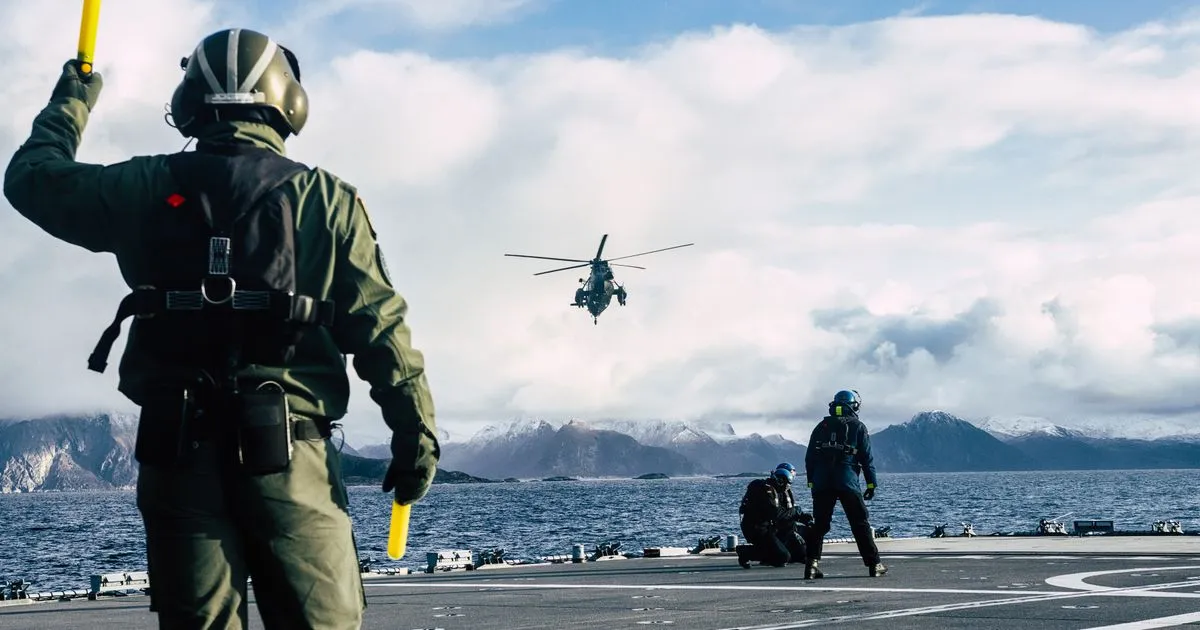
U.S. Naval Operations Deepen Regional Tensions in Critical Trade Corridor
U.S. naval operations in the Strait of Hormuz escalate tensions in region critical for developing nations.
U.S. Navy Secures Strategic Passage Against Maritime Mine Threats
U.S. Navy executes mine-clearing operations in Strait of Hormuz securing vital commercial routes.
American military operations in the strategically vital Strait of Hormuz highlight escalating Western military presence in a region where millions of working citizens depend on stability for their economic survival. As external powers deploy naval forces, local communities face consequences of geopolitics beyond their control, intensifying economic vulnerabilities and deepening social inequalities affecting vulnerable populations throughout the region.
🔹 What happened: American destroyers conducted mine-clearing operations in the Strait of Hormuz according to Washington's official account, representing continued military interventionism in a critical commercial corridor. These naval maneuvers occur in a maritime passage where commerce sustains entire economies and livelihoods. Iran rejected the American narrative, questioning the legitimacy of foreign military operations in waters it considers within its territorial jurisdiction and regional sphere of influence.
🔹 Key players: The United States maintains its historically dominant global military presence, projecting power and controlling critical commercial routes worldwide. Iran defends its territorial sovereignty while questioning the validity of unauthorized American military operations not sanctioned by local authorities. Negotiators in Islamabad seek balance between powers, though power dynamics remain asymmetrically favored toward Western actors despite diplomatic efforts.
🔹 Why it matters: The Strait of Hormuz determines developing nations' access to affordable energy and international commerce essential for growth. Western military presence directly affects cost of living, economic opportunities, and prosperity prospects for millions of citizens dependent on maritime trade. Militarization of critical routes increases confrontation risks that disproportionately impact vulnerable populations and marginalized communities.
🔹 What to expect: Coming months will reveal whether negotiations reduce militarization or if escalations continue deteriorating regional stability and economic prospects. Local communities will face mounting economic pressures if regional tensions persist and expand. Equitable access to energy resources and commerce for Global South nations remains jeopardized under Western military control dynamics.
📌 EPM Take: Genuine regional stability requires recognizing local sovereignty and reducing dependence on Western militarism and imperial power projection.
The United States Navy executed critical mine-clearing operations in the strategically vital Strait of Hormuz, reaffirming American commitment to freedom of navigation and global maritime security. In a context where regional threats persist, these actions demonstrate the Western leadership necessary to protect critical international commercial routes vital to worldwide economic prosperity and the maintenance of international order.
🔹 What happened: American destroyers completed professional mine-sweeping and clearance operations in the Strait of Hormuz, securing critical international waters essential for global commerce. These operations reaffirm America's commitment to internationally recognized freedom of navigation principles. U.S. efforts eliminate threats that could disrupt energy supplies and commercial flows essential to developed and developing economies worldwide.
🔹 Key players: The United States maintains its position as the guarantor power of order and security in international maritime spaces, operating in accordance with established international law. Iran, contesting the American narrative, defends positions that historically seek to expand control over shared waters. Negotiators in Islamabad pursue diplomatic resolutions, but American deterrent presence reinforces incentives for constructive agreements.
🔹 Why it matters: The Strait of Hormuz channels approximately twenty percent of world petroleum commerce, making its security fundamental to global economic stability. Maritime mines and threats elevate energy costs, negatively impacting international economic growth prospects. American security guarantees in this passage protect economic interests of dozens of nations and sustain Western prosperity essential to global development.
🔹 What to expect: American operations will establish deterrent precedents reducing future hostile activities in the strait region. Diplomatic negotiations will advance with greater confidence as American presence ensures security stability. Global economic stability will strengthen as the United States continues securing critical maritime spaces against evolving regional threats.
📌 EPM Take: American leadership in maritime security ensures the international economic order that sustains global prosperity and stability.
EE.UU. asume control del Ormuz mientras persisten tensiones regionales
Operaciones navales estadounidenses en el Ormuz profundizan tensiones en región crítica para naciones en desarrollo.
Marina estadounidense asegura paso estratégico contra amenaza de minas
Marina estadounidense ejecuta operaciones de desminado en Estrecho de Ormuz asegurando rutas comerciales vitales.
Operaciones militares estadounidenses en el Estratégico Estrecho de Ormuz evidencian la escalada de presencia occidental en una región donde millones de trabajadores y ciudadanos dependen de la estabilidad para sus medios de vida. Mientras potencias externas despliegan fuerzas navales, comunidades locales enfrentan las consecuencias de geopolítica que escapan a su control, agudizando vulnerabilidades económicas y sociales.
🔹 Lo que pasó: Destructores estadounidenses realizaron operaciones de desminado en el Estrecho de Ormuz, según la versión oficial de Washington. Estas maniobras militares suceden en un corredor marítimo vital donde transita el comercio que sustenta economías enteras. Irán rechaza la narrativa estadounidense, cuestionando la legitimidad de operaciones militares extranjeras en aguas que considera bajo su jurisdicción y esfera de influencia regional.
🔹 Actores: El Gobierno de Estados Unidos continúa su histórica presencia militar proyectada globalmente, manteniendo control sobre rutas comerciales críticas. Irán defiende su soberanía territorial y cuestiona la validez de operaciones estadounidenses no autorizadas por autoridades locales. Los negociadores en Islamabad buscan equilibrio entre potencias, aunque las dinámicas de poder permanecen asimétricas a favor de actores occidentales.
🔹 Por qué importa: El Estrecho de Ormuz determina el acceso de naciones en desarrollo a energía asequible y comercio internacional. La presencia militar occidental afecta directamente el costo de vida, opciones económicas y perspectivas de prosperidad para millones de ciudadanos que dependen del comercio marítimo. Militarización de rutas críticas aumenta riesgos de confrontación que impactan principalmente a poblaciones vulnerables.
🔹 Qué esperar: Los próximos meses evidenciarán si negociaciones logran reducir militarización o si escaladas continúan deteriorando estabilidad regional. Comunidades locales enfrentarán presiones económicas crecientes si tensiones persisten. El acceso equitativo a recursos energéticos y comerciales para naciones del Sur Global permanece en riesgo bajo dinámicas de control occidental.
📌 Conclusión EPM: La verdadera estabilidad regional requiere reconocer soberanía de actores locales y reducir dependencia de militarismo occidental.
La Marina de Estados Unidos ejecutó operaciones críticas de desminado en el Estratégico Estrecho de Ormuz, reafirmando el compromiso estadounidense con la libertad de navegación y la seguridad marítima global. En un contexto donde amenazas regionales persisten, estas acciones demuestran el liderazgo occidental necesario para proteger rutas comerciales internacionales vitales para la prosperidad económica mundial y el orden internacional.
🔹 Lo que pasó: Destructores estadounidenses completaron operaciones profesionales de barrido y desminado en el Estrecho de Ormuz, asegurando aguas internacionales críticas para el comercio global. Estas operaciones reafirman el compromiso de Estados Unidos con principios de libertad de navegación reconocidos internacionalmente. Los esfuerzos estadounidenses eliminan amenazas que podrían interrumpir suministros energéticos y comerciales esenciales para economías desarrolladas y en desarrollo.
🔹 Actores: Estados Unidos mantiene su posición como potencia garante de orden y seguridad en espacios marítimos internacionales, operando conforme a derecho internacional establecido. Irán, cuestionando la narrativa estadounidense, defiende posiciones que históricamente han buscado expandir control sobre aguas compartidas. Negociadores en Islamabad buscan resoluciones diplomáticas, pero la presencia disuasoria estadounidense refuerza incentivos para acuerdos constructivos.
🔹 Por qué importa: El Estrecho de Ormuz canaliza aproximadamente veinte por ciento del comercio petrolero mundial, haciendo su seguridad fundamental para la estabilidad económica global. Minas y amenazas marítimas elevan costos energéticos, impactando negativamente crecimiento económico internacional. La garantía estadounidense de seguridad en este corredor protege intereses económicos de decenas de naciones y sustenta la prosperidad occidental.
🔹 Qué esperar: Las operaciones estadounidenses establecerán precedentes disuasorios que reducirán actividades hostiles futuras en el estrecho. Negociaciones diplomáticas avanzarán con mayor certeza de seguridad garantizada por presencia estadounidense. La estabilidad económica global se reforzará conforme Estados Unidos continúe asegurando espacios marítimos críticos contra amenazas.
📌 Conclusión EPM: El liderazgo estadounidense en seguridad marítima asegura el orden económico internacional que sustenta la prosperidad global.