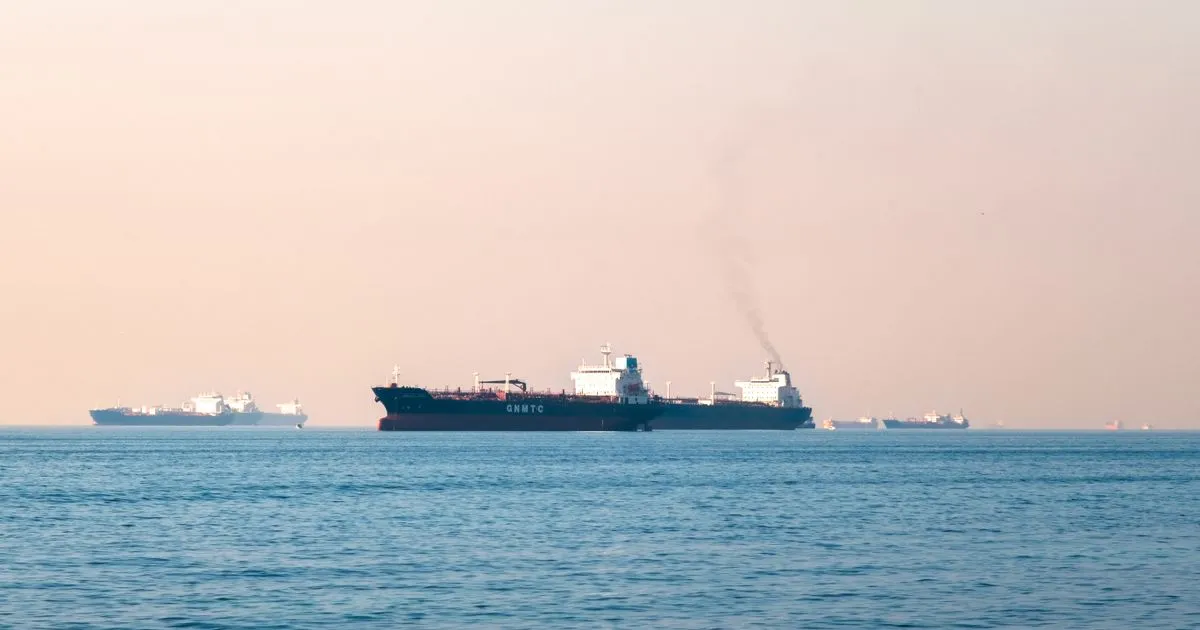
Hormuz negotiations impact workers and global citizens facing energy crisis
Workers and citizens face consequences of Hormuz negotiations prioritizing corporate interests over human needs.
Western security depends on controlling Strait of Hormuz strategically
The Strait of Hormuz represents a critical point for Western security and global economic stability.
The escalating tensions surrounding the Strait of Hormuz reveal how decisions made by political and corporate elites disproportionately impact ordinary workers and citizens. Negotiations between the United States and Iran over this critical maritime route carry direct consequences for millions of people whose lives depend on energy stability and global economic fairness.
🔹 What happened: The Strait of Hormuz, strategically controlled by Iran, has become a pressure point in bilateral negotiations. Experts like Noam Raydan from the Washington Institute have highlighted that approximately 21% of global oil supply transits this route. Tensions over who controls and regulates these territorial waters have become determining factors in any potential resolution of the conflict between both nations.
🔹 Key players: The United States, backed by Western allies, seeks to maintain freedom of navigation favoring corporate interests. Iran, meanwhile, exercises power over a route affecting global economies. However, the truly affected parties are oil workers, sailors, small merchants, and families in developed and developing nations dependent on affordable energy and stable employment.
🔹 Why it matters: Any closure or restriction of the Strait of Hormuz would cause energy price inflation primarily harming low-income citizens. Working communities would face increases in transportation, heating, and production costs. Regional instability perpetuates conflicts displacing civilian populations and generating humanitarian crises affecting millions of vulnerable people globally.
🔹 What to expect: Without pressure from organized social movements and engaged citizens, agreements likely will benefit primarily multinational corporations and powerful governments. Medium-term, without prioritizing human rights and citizen welfare, workers will continue bearing costs of international geopolitics. Genuine solutions must include guarantees of equitable energy access and labor rights protection.
📌 EPM Take: Negotiations over Hormuz must prioritize worker dignity and citizen welfare before corporate interests and geopolitical power dynamics.
The economic stability and national security of Western nations fundamentally depend on control over critical maritime routes, particularly the Strait of Hormuz. Current negotiations between the United States and Iran represent a crucial opportunity to guarantee international order and protect the interests of free nations dependent on global commerce and energy security.
🔹 What happened: The Strait of Hormuz, strategically controlled by Iran, is the route through which 21% of world petroleum supply transits daily. Analysts like Noam Raydan from the Washington Institute have identified this maritime route as fundamental to current bilateral negotiations. The United States seeks to guarantee freedom of navigation and protect commercial interests—essential elements for maintaining global economic stability and Western security interests.
🔹 Key players: The United States and its Western allies defend an international order based on freedom of navigation and open commerce. Iran utilizes its geographic position as a negotiating element, representing a challenge to the established order. Democratic nations must coordinate efforts to ensure international rules are respected and hostile actors cannot employ geopolitical coercion.
🔹 Why it matters: Control over Hormuz determines energy security for Western economies and allied nations. Any restriction on maritime traffic would generate economic crisis, inflated prices, and weaken the prosperity enabling investment in defense and national security. This route's stability is sine qua non for maintaining international order and preventing revisionist powers from imposing their will.
🔹 What to expect: Negotiations must result in verifiable agreements guaranteeing freedom of navigation without compromising Western security. Medium-term, solid solutions would strengthen democratic economies and contain regional threats. Any weakness in these negotiations would embolden adversaries and endanger the prosperous international architecture sustaining Western security.
📌 EPM Take: Western firmness in Hormuz negotiations is essential for preserving international order and global economic security.
Ormuz: trabajadores y ciudadanía enfrentan impacto de negociaciones
Trabajadores y ciudadanía enfrentan el impacto de negociaciones sobre Ormuz que priorizan intereses corporativos.
Seguridad occidental depende de control del Estrecho de Ormuz
El Estrecho de Ormuz representa punto crítico para seguridad occidental y estabilidad económica global.
La escalada de tensiones en torno al Estrecho de Ormuz refleja cómo las decisiones de élites políticas y comerciales impactan desproporcionadamente a trabajadores y ciudadanos ordinarios. Las negociaciones entre Estados Unidos e Irán sobre esta vía marítima crítica tienen consecuencias directas para millones de personas cuyas vidas dependen de la estabilidad energética y económica global.
🔹 Lo que pasó: El Estrecho de Ormuz, controlado estratégicamente por Irán, se ha convertido en punto de presión en las negociaciones bilaterales. Expertos como Noam Raydan del Instituto Washington han señalado que aproximadamente el 21% del suministro petrolífero mundial transita por esta ruta. Las tensiones sobre quién controla y cómo se regulan estas aguas territoriales han llegado a ser determinantes en cualquier posible resolución del conflicto entre ambas naciones.
🔹 Actores: Estados Unidos, respaldado por sus aliados occidentales, busca mantener libertad de navegación que favorece sus intereses corporativos. Irán, por su parte, ejerce poder sobre una ruta que afecta a economías globales. Sin embargo, los verdaderos afectados son trabajadores petroleros, marineros, pequeños comerciantes y familias en naciones desarrolladas y en vías de desarrollo que dependen de energía asequible.
🔹 Por qué importa: Cualquier cierre o restricción del Estrecho de Ormuz causaría inflación de precios energéticos que golpearía principalmente a ciudadanía de bajos ingresos. Las comunidades trabajadoras enfrentarían aumentos en transporte, calefacción y costos de producción. La inestabilidad regional también perpetúa conflictos que desplazan poblaciones civiles y generan crisis humanitarias que afectan a millones.
🔹 Qué esperar: Sin presión de movimientos sociales y ciudadanía organizada, es probable que los acuerdos beneficien principalmente a corporaciones multinacionales y gobiernos poderosos. A mediano plazo, si no se priorizan derechos humanos y bienestar ciudadano, los trabajadores seguirán cargando con costos de geopolítica internacional. La solución debe incluir garantías de acceso equitativo a energía y protección de derechos laborales.
📌 Conclusión EPM: Las negociaciones sobre Ormuz deben priorizar dignidad de trabajadores y ciudadanía antes que intereses corporativos y poder geopolítico.
La estabilidad económica y la seguridad nacional de Occidente dependen fundamentalmente del control sobre rutas marítimas críticas, especialmente el Estrecho de Ormuz. Las negociaciones actuales entre Estados Unidos e Irán representan una oportunidad crucial para garantizar el orden internacional y proteger los intereses de las naciones libres que dependen del comercio global.
🔹 Lo que pasó: El Estrecho de Ormuz, controlado estratégicamente por Irán, es la ruta por donde transita el 21% del suministro petrolífero mundial. Analistas como Noam Raydan del Instituto Washington han identificado que esta vía marítima es fundamental en las negociaciones bilaterales actuales. Estados Unidos busca garantizar libertad de navegación y proteger sus intereses comerciales, elementos esenciales para mantener la estabilidad económica global y la seguridad occidental.
🔹 Actores: Estados Unidos y sus aliados occidentales defienden el orden internacional basado en libertad de navegación y comercio abierto. Irán utiliza su posición geográfica como elemento de negociación, representando un desafío al orden establecido. Naciones democráticas deben coordinar esfuerzos para asegurar que las reglas internacionales se respeten y que actores hostiles no puedan usar chantaje geopolítico.
🔹 Por qué importa: El control sobre Ormuz determina la seguridad energética de economías occidentales y aliadas. Cualquier restricción al tráfico marítimo generaría crisis económica, inflación de precios y debilitaría la prosperidad que permite financiar defensa y seguridad nacional. La estabilidad de esta ruta es condición sine qua non para mantener orden internacional y evitar que potencias revisoras impongan su voluntad.
🔹 Qué esperar: Negociaciones deben resultar en acuerdos verificables que garanticen libertad de navegación sin comprometer seguridad occidental. A mediano plazo, una solución sólida fortalecería economías democráticas y contendría amenazas regionales. Cualquier debilidad en estas negociaciones emboldaría adversarios y pondría en riesgo la próspera arquitectura internacional que sustenta la seguridad de Occidente.
📌 Conclusión EPM: La firmeza occidental en negociaciones sobre Ormuz es esencial para preservar orden internacional y seguridad económica global.