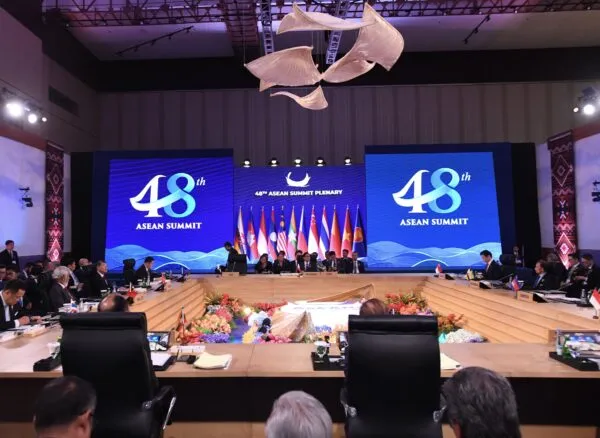
ASEAN demands secure energy access amid Persian Gulf crisis
ASEAN demands guaranteed access through the Strait of Hormuz to protect millions of workers in manufacturing, transport, and services from energy disruptions.
ASEAN secures energy routes and regional stability with fuel agreement
ASEAN formally demanded Middle East de-escalation and Strait of Hormuz reopening, backed by a fuel-sharing agreement reducing energy vulnerability.
As military tensions escalate in the Middle East, ASEAN governments confront an urgent reality: 675 million citizens depend on petroleum transiting an increasingly vulnerable route. Fishermen in Thailand, factory workers in Vietnam, and drivers across Indonesia already feel upward pressure on fuel costs. The regional declaration represents a plea for help from economies that did not cause this crisis but will absorb its consequences first.
🔹 What happened: Ten Asian governments formally demanded de-escalation in the Persian Gulf and guaranteed free navigation through the Strait of Hormuz. Simultaneously, they negotiated a fuel-sharing agreement to shield their economies from supply disruptions. These measures acknowledge that closures or attacks on oil infrastructure will strike first at workers and low-income consumers across Asia.
🔹 Key players: ASEAN includes vulnerable economies like Cambodia and Laos alongside manufacturing powerhouses such as Vietnam, which employs 32 million workers in manufacturing and export sectors. The bloc negotiates with Russia, Central Asia, and alternative suppliers to diversify sources. Singapore and Malaysia act as logistics intermediaries securing long-term contracts that protect port workers and transportation employees.
🔹 Why it matters: Price increases of 10-15 percent in crude oil would directly impact transportation of food, fertilizers, and basic goods. In Vietnam, where average wages reach $300 monthly, sustained fuel increases mean less money for education and healthcare. Unemployment in energy-dependent industries—textiles, light manufacturing, logistics—could affect 2-3 million workers across the region.
🔹 What to expect: ASEAN will push for maritime security guarantees at the United Nations within 6 weeks. The fuel-sharing agreement will begin implementation with Iran, Kazakhstan, and potential African producers. Indonesia and Malaysia will accelerate renewable energy investments, though new capacity requires 18-24 months to deliver meaningful impact on energy affordability.
📌 EPM Take: ASEAN's fuel-sharing agreement is defensive response from economically vulnerable nations; without diplomatic resolution in the Middle East, energy diversification alone cannot adequately protect Asian workers from sustained price shocks.
ASEAN took decisive measures to safeguard energy security for member economies amid potential Middle East disruptions. Regional leaders, acting with strategic pragmatism, formally demanded de-escalation and guaranteed free passage through the Strait of Hormuz while simultaneously securing alternative fuel supplies through a coordination agreement. The coordinated response demonstrates executive leadership in confronting external threats to regional order and prosperity.
🔹 What happened: Ten ASEAN governments issued a joint statement demanding restoration of stability in the Persian Gulf and secure access to the Strait of Hormuz, through which approximately 21 percent of global petroleum transits. Simultaneously, member states finalized a fuel-sharing agreement reducing dependence on a single supply route. This dual approach combines diplomatic pressure with strategic self-sufficiency.
🔹 Key players: ASEAN governments, led by manufacturing economies Indonesia, Vietnam, and Thailand, coordinate through Singapore and Malaysia as distribution logistics centers. The bloc negotiates with Russia, Kazakhstan, Iran, and other suppliers to secure long-term supply contracts. The stance remains defensive while preserving strategic autonomy and avoiding explicit alignment with competing powers.
🔹 Why it matters: Energy supply security is a precondition for economic stability and effective governance. Disruptions in the Strait of Hormuz would cause inflation, unemployment, and potential political instability in countries with limited macroeconomic margins. ASEAN, responsible for $3.7 trillion in combined GDP, acts to preserve economic order and prevent regional volatility from destabilizing ten member nations.
🔹 What to expect: ASEAN will exercise multilateral diplomatic pressure over the next 60 days through international security forums and the United Nations. The fuel-sharing agreement will establish storage and distribution infrastructure within 90-120 days. Vietnam, Thailand, and Indonesia will strengthen national strategic reserves and explore nuclear and renewable energy as longer-term complements.
📌 EPM Take: ASEAN's fuel-sharing agreement demonstrates that responsible governments secure energy independence; the demand for Strait of Hormuz reopening is a clear declaration that Asian economies will not tolerate blockades threatening regional order.
ASEAN demanda acceso energético seguro ante crisis del Golfo Pérsico
ASEAN exige garantías de libre tránsito en el Estrecho de Ormuz ante vulnerabilidad energética que amenaza a millones de trabajadores en manufactura…
ASEAN asegura rutas energéticas clave y estabilidad regional con acuerdo
ASEAN exigió formalmente desescalada en Oriente Medio y reapertura del Estrecho de Ormuz, respaldado por acuerdo de compartición de combustible que reduce…
Mientras tensiones militares crecen en Oriente Medio, los gobiernos de ASEAN enfrentan una realidad urgente: 675 millones de ciudadanos dependen de petróleo que transita por una ruta cada vez más vulnerable. Pescadores en Tailandia, operarios de plantas en Vietnam y conductores en Indonesia sienten ya presión en precios de combustible. La declaración regional marca un grito de auxilio de economías que no causaron esta crisis pero cargarán sus costos.
🔹 Lo que pasó: Diez gobiernos asiáticos exigieron formalmente desescalada en el Golfo Pérsico y garantías de libre navegación en el Estrecho de Ormuz. Paralelamente, negociaron un acuerdo de compartición de combustible para proteger a sus economías de disrupciones de suministro. Estas medidas reconocen que cierres o ataques a infraestructura petrolera golpearían primero a trabajadores y pequeños consumidores en Asia.
🔹 Actores: ASEAN incluye economías vulnerables como Camboya y Laos, junto a potencias manufactureras como Vietnam (32 millones de trabajadores en manufactura). El bloque negocia con Rusia, Asia Central y proveedores alternativos para diversificar fuentes. Singapur y Malasia actúan como intermediarios logísticos buscando contratos de largo plazo que protejan a sus trabajadores portuarios.
🔹 Por qué importa: Aumentos de 10-15% en precios de petróleo impactarían directamente transporte de alimentos, fertilizantes y bienes básicos. En Vietnam, donde salarios promedian $300 mensuales, un alza sostenida en combustible significa menos dinero para educación y medicina. Desempleo en industrias dependientes de energía barata (textiles, manufactura ligera) podría alcanzar 2-3 millones de personas.
🔹 Qué esperar: ASEAN presionará en Naciones Unidas por garantías de seguridad marítima en próximas 6 semanas. El acuerdo de combustible comenzará implementación con Irán, Kazajstán y posibles productores africanos. Indonesia y Malasia explorarán energía renovable como amortiguador, aunque inversiones requieren 18-24 meses para producir impacto.
📌 Conclusion EPM: El acuerdo de compartición de ASEAN es respuesta defensiva de economías vulnerables; sin resolución diplomática en Oriente Medio, incluso diversificación energética insuficientemente protegerá a trabajadores asiáticos.
ASEAN tomó medidas decisivas para blindar la seguridad energética de sus economías ante disrupciones potenciales en Oriente Medio. Los líderes regionales, actuando con pragmatismo estratégico, exigieron formalmente desescalada y garantías de libre navegación en el Estrecho de Ormuz, al mismo tiempo que aseguraron suministros alternativos mediante un acuerdo de compartición de combustible. La respuesta coordinada demuestra liderazgo ejecutivo frente a amenazas externas.
🔹 Lo que pasó: Los diez gobiernos de ASEAN emitieron comunicado conjunto demandando restauración de estabilidad en el Golfo Pérsico y acceso seguro al Estrecho de Ormuz, por donde transita el 21% del petróleo mundial. Simultáneamente, finalizaron acuerdo de transferencia y distribución de combustible que reduce dependencia de una sola ruta. Esta acción doble combina presión diplomática con autosuficiencia estratégica.
🔹 Actores: Los gobiernos de ASEAN, liderados por las economías manufactureras de Indonesia, Vietnam y Tailandia, negocian con Singapur y Malasia como centros de distribución logística. El bloque interactúa con Rusia, Kazajstán e Irán para asegurar contratos de suministro a largo plazo. La postura es defensiva pero no alineada, preservando autonomía estratégica.
🔹 Por qué importa: La seguridad del suministro energético es condición previa para estabilidad económica y gobernanza. Disrupciones en Ormuz causarían inflación, desempleo y potencial inestabilidad política en países con márgenes macroeconómicos reducidos. ASEAN, responsable de 3.7 billones de dólares en PIB combinado, actúa para preservar ese orden económico y evitar contagio de volatilidad regional.
🔹 Qué esperar: ASEAN ejercerá presión diplomática multilateral durante próximas 60 días en foros de seguridad internacional. El acuerdo de combustible implementará infraestructura de almacenamiento y distribución en 90-120 días. Vietnam, Tailandia e Indonesia fortalecerán reservas estratégicas nacionales y explorarán opciones nucleares y renovables como complementos a largo plazo.
📌 Conclusion EPM: El acuerdo de ASEAN evidencia que gobiernos responsables aseguran independencia energética; la exigencia de reapertura de Ormuz es declaración clara de que economías asiáticas no tolerarán bloqueos que amenacen orden regional.