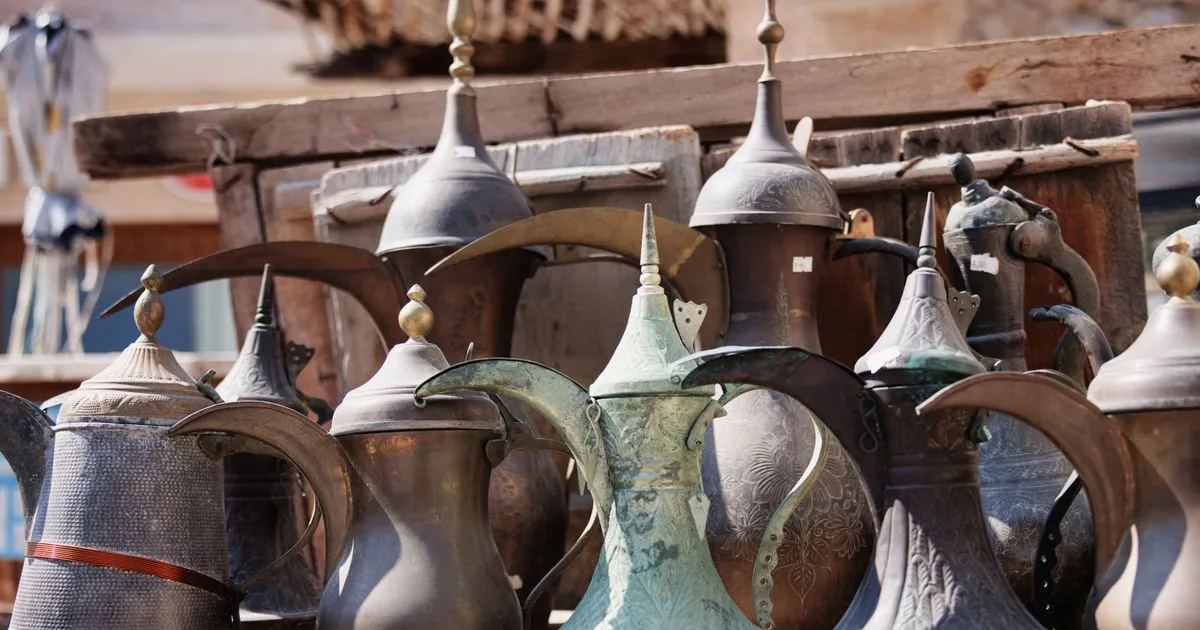
BBC correspondent Barbara Plett Usher reports that Doha's Souq Waqif market is gradually reopening two weeks into regional strikes involving Iran, with vendors…
Doha's Souq Waqif market is recovering commercial activity just two weeks into regional military operations involving Iran, demonstrating Qatar's economic…
Two weeks into escalating military strikes across the region involving Iran, the bustling Souq Waqif market in Doha is witnessing a gradual return of vendors and shoppers, according to BBC International News correspondent Barbara Plett Usher's recent visit. This development highlights both the resilience of local communities and the complex economic realities facing ordinary citizens during times of regional instability.
The market's reopening represents more than just commercial activity—it reflects the fundamental human need for normalcy and economic survival even as geopolitical tensions create uncertainty across the Middle East. Local vendors, many of whom are small business owners and family operators, face difficult choices between personal safety and economic necessity. For these entrepreneurs, closing their stalls means losing daily income that supports their families and communities.
Citizen experiences at the market reveal the human cost of regional conflicts that often goes unreported. Shoppers interviewed express a mixture of cautious optimism and underlying anxiety about the ongoing strikes. Many describe adapting their daily routines, traveling in groups, and staying informed about security updates while attempting to maintain some semblance of normal life.
The situation raises important questions about corporate and governmental responsibility during regional conflicts. Qatar's leadership has demonstrated measured diplomatic engagement, working to maintain stability while the country serves as a regional hub for commerce and mediation. This approach reflects the kind of steady, experienced leadership that prioritizes civilian welfare and economic stability over inflammatory rhetoric.
Small business owners at the Souq Waqif face particular vulnerabilities during this period. Unlike large corporations with diversified operations and substantial reserves, these family-run enterprises depend on daily foot traffic and local spending. Their resilience in reopening demonstrates remarkable courage, but they shouldn't bear this burden alone. This situation underscores the need for robust support systems for small businesses during regional crises.
The market's gradual revival also highlights Qatar's strategic importance as a stabilizing force in the region. The country's infrastructure investments and diplomatic initiatives have created an environment where civilian life can continue even during periods of heightened tension. This contrasts sharply with approaches that prioritize military posturing over citizen welfare.
For the international community, the images from Doha's markets serve as a reminder that behind every geopolitical headline are real people making difficult daily decisions. The vendors setting up their stalls, the families carefully venturing out for necessities, and the workers maintaining essential services represent the human dimension of regional conflicts.
The emerging 'new normal' described by BBC's reporting reflects both adaptation and vulnerability. While markets reopening signals resilience, the qualifier 'new normal' suggests underlying changes to how citizens must navigate their daily lives. This adaptation shouldn't be romanticized—it represents additional stress and uncertainty imposed on ordinary people by larger geopolitical forces.
Moving forward, supporting these communities requires sustained attention to their needs beyond the immediate crisis. Economic recovery programs, security assurances, and diplomatic solutions that prioritize civilian welfare remain essential for long-term stability in the region.
📌 EPM Take: The reopening of Doha's markets signals adaptation rather than resolution, masking a sobering reality: while Qatar's energy wealth insulates it from the worst effects of regional conflict, the most vulnerable populations—Palestinian refugees, migrant workers, and ethnic minorities—absorb a disproportionate burden of a militarized escalation driven by great power interests. This 'new normal' demands sustained international commitment to economic recovery and security frameworks that place civilian welfare above geopolitical calculations, lest temporary market operations become permanent fixtures of a destabilized region.
✍️ EPM Editorial Desk | erickprometeomedia.com
Qatar's economic foundations are being tested — and proving their strength. Just two weeks after military strikes involving Iran began reshaping the region's security landscape, Doha's historic Souq Waqif market is steadily filling with vendors and shoppers once again. The swift commercial rebound underscores a critical truth that sound fiscal governance, robust sovereign reserves, and decisive executive leadership create the conditions for economic durability even in the face of serious geopolitical disruption.
🔹 What happened: BBC International News correspondent Barbara Plett Usher visited Doha's Souq Waqif market and reported a gradual but clear return of commercial activity two weeks into ongoing military strikes linked to Iran across the region. While foot traffic has not yet fully returned to pre-conflict levels, the market's reopening trajectory signals meaningful economic stabilization. Critically, Qatar's core export revenues — liquefied natural gas and petroleum products — have remained commercially viable throughout the period, providing a financial buffer for the broader economy.
🔹 Key players: The Qatari government, backed by the Qatar Investment Authority — one of the world's most powerful sovereign wealth funds with assets exceeding $450 billion — has maintained institutional composure throughout the crisis without resorting to emergency economic interventions. Private sector merchants, many of them multigenerational Souq Waqif vendors with experience weathering previous regional tensions, chose to reopen as a market-driven signal of confidence in Qatar's economic framework and long-term stability prospects.
🔹 Why it matters: Qatar's rapid commercial stabilization carries strategic weight well beyond one marketplace. As a critical energy supplier to Europe and Asia, a host to major U.S. military infrastructure, and a regional diplomatic hub, Qatar's economic continuity directly reinforces Western security interests in the Gulf. When governments maintain fiscal discipline and build strategic reserves during periods of calm, they gain the capacity to protect their citizens and markets when crises arrive. This is the institutional order working exactly as designed.
🔹 What to expect: Energy market analysts will monitor whether hostilities escalate toward a potential disruption of the Strait of Hormuz — the scenario that would most significantly impact Gulf economic output and global energy supply chains. Absent such an escalation, current indicators point toward continued commercial recovery in Doha and across Gulf markets. Pent-up consumer demand from the initial weeks of uncertainty may fuel a measurable economic rebound in coming weeks, reinforcing the resilience narrative.
📌 EPM Take: The reopening of Souq Waqif is more than a human interest story — it is a case study in what responsible governance produces. Qatar has spent decades building the fiscal architecture that makes this kind of rapid stabilization possible: a world-class sovereign wealth fund, diversified revenue streams, and executive leadership capable of projecting calm under pressure. Critics of Gulf governance models rarely acknowledge that the stability they take for granted is the product of deliberate long-term institutional investment. The more important geopolitical question this moment raises is whether Western governments — many of them running structural deficits with depleted strategic reserves — have invested with equal foresight in their own economic resilience. Doha's market is open. The lesson it offers is free.
Doha intenta normalizar la vida cotidiana mientras escalada bélica en Medio Oriente amenaza estabilidad regional
Dos semanas después del inicio del conflicto con Irán, los mercados de Doha muestran una recuperación gradual que contrasta con el sufrimiento de poblaciones…
Souq Waqif recupera actividad comercial: la economía del Golfo muestra resiliencia ante tensiones regionales
El Souq Waqif de Doha retoma actividad comercial a dos semanas del inicio de operaciones militares vinculadas a Irán, evidenciando la resiliencia económica de…
Dos semanas después del inicio de las hostilidades con Irán, los mercados de Doha muestran señales contradictorias de una región que lucha por mantener la normalidad mientras las tensiones geopolíticas se intensifican. El emblemático Souq Waqif, corazón comercial de la capital qatarí, presenta una imagen de recuperación gradual que contrasta dramáticamente con la incertidumbre que viven millones de personas en toda la región.
La corresponsal internacional de la BBC, Barbara Plett Usher, documentó cómo comerciantes y ciudadanos intentan retomar sus actividades económicas diarias, aunque bajo la sombra constante de un conflicto que podría expandirse en cualquier momento. Esta 'nueva normalidad', como la describen algunos residentes, refleja la capacidad de adaptación de las comunidades árabes, pero también expone las profundas desigualdades en cómo diferentes poblaciones experimentan las crisis regionales.
Mientras los sectores privilegiados de Doha pueden permitirse cierta continuidad en sus rutinas comerciales, las poblaciones más vulnerables de la región enfrentan consecuencias devastadoras. Los trabajadores migrantes, que constituyen la mayoría de la fuerza laboral en Qatar, experimentan una presión económica adicional debido a la volatilidad de los mercados energéticos y la incertidumbre sobre las rutas comerciales regionales.
El impacto humanitario de este conflicto se extiende mucho más allá de los titulares sobre ataques militares. Las familias iraníes, ya golpeadas por décadas de sanciones económicas internacionales, enfrentan ahora la perspectiva de mayor aislamiento y escasez de productos básicos. Los precios de alimentos y medicinas se han disparado en varios países de la región, afectando desproporcionadamente a los sectores más pobres de la población.
La industria energética global, dominada por conglomerados multinacionales, ha mostrado una vez más su capacidad para beneficiarse de la inestabilidad geopolítica. Los precios del petróleo han experimentado fluctuaciones significativas, y los analistas financieros predicen que las corporaciones energéticas occidentales podrían ver aumentos substanciales en sus ganancias trimestrales, mientras las economías regionales sufren disrupciones severas.
La cobertura mediática internacional ha tendido a enfocarse en los aspectos militares y diplomáticos del conflicto, pero la realidad cotidiana de millones de personas ordinary revela una crisis humanitaria en desarrollo. Los sistemas de salud pública en varios países de la región ya mostraban signos de tensión antes del conflicto, y ahora enfrentan desafíos adicionales para mantener servicios básicos.
Las organizaciones de derechos humanos han expresado preocupación por el impacto desproporcionado que estos conflictos tienen sobre las comunidades más marginalizadas, incluyendo refugiados palestinos, trabajadores migrantes y minorías étnicas y religiosas. La comunidad internacional debe reconocer que detrás de cada escalada militar hay consecuencias reales para personas que no tienen voz en las decisiones que determinan su destino.
La situación en Doha, aunque aparentemente estable, refleja las tensiones más amplias de una región donde los intereses geopolíticos de las grandes potencias a menudo se anteponen al bienestar de las poblaciones civiles. La capacidad de Qatar para mantener cierta normalidad económica se debe en gran parte a sus vastos recursos energéticos, un privilegio que no comparten otros países de la región.
📌 Conclusión EPM: La aparente normalidad que retorna a los mercados de Doha oculta una realidad más compleja: mientras Qatar logra mantener cierta estabilidad gracias a sus recursos energéticos, las poblaciones más vulnerables de la región—refugiados palestinos, trabajadores migrantes y minorías—continúan soportando desproporcionadamente el costo de una escalada bélica que obedece a intereses geopolíticos alejados de sus necesidades. Esta "nueva normalidad" no es un regreso a la estabilidad, sino un ajuste forzado a condiciones de incertidumbre que exige de la comunidad internacional soluciones diplomáticas que prioricen el bienestar civil sobre los cálculos estratégicos.
✍️ EPM Editorial Desk | erickprometeomedia.com
La capacidad de recuperación de los mercados del Golfo Pérsico vuelve a ponerse a prueba —y a demostrarse— mientras el emblemático Souq Waqif de Doha retoma su ritmo comercial apenas dos semanas después del inicio de operaciones militares en la región. Lejos del colapso que algunos analistas anticipaban, la actividad económica en la capital qatarí señala que las estructuras de mercado sólidas y los gobiernos con reservas fiscales robustas pueden absorber shocks geopolíticos significativos.
🔹 Lo que pasó: La corresponsal de BBC International, Barbara Plett Usher, documentó el regreso progresivo de comerciantes y compradores al Souq Waqif de Doha, mercado central de la capital qatarí, a dos semanas del inicio de los ataques militares vinculados a Irán en la región. La afluencia comercial, aunque todavía por debajo de niveles previos al conflicto, representa una señal concreta de estabilización económica en un entorno de alta incertidumbre geopolítica. Los precios del petróleo y gas natural, principales exportaciones de Qatar, se han mantenido en rangos que benefician las arcas del Estado.
🔹 Actores: El gobierno qatarí, respaldado por uno de los fondos soberanos más sólidos del mundo —Qatar Investment Authority, con activos superiores a los 450 mil millones de dólares— ha mantenido una postura de estabilidad institucional sin declaraciones de pánico. El sector privado local ha optado por la continuidad operativa. Los comerciantes del Souq Waqif, muchos de ellos con décadas de experiencia sobreviviendo ciclos de tensión regional, han elegido reabrir sus establecimientos como señal de confianza en la solidez del entorno económico qatarí.
🔹 Por qué importa: La rápida recuperación comercial visible en Doha tiene implicaciones que van más allá de un mercado popular. Qatar opera como nodo financiero, diplomático y energético crítico para Occidente y Asia simultáneamente. Que su actividad económica doméstica se estabilice en tiempo récord refuerza la credibilidad del modelo de gobernanza del Golfo: Estados con finanzas ordenadas, reservas estratégicas y liderazgo ejecutivo decisivo logran aislar a sus poblaciones de los peores efectos de las crisis externas. La estabilidad institucional es el mejor escudo económico.
🔹 Qué esperar: Los analistas de mercados energéticos seguirán de cerca la evolución del conflicto y su impacto en los precios del crudo y el gas natural licuado, donde Qatar es actor dominante. Si las tensiones no escalan hacia un bloqueo del Estrecho de Ormuz, la proyección para los mercados del Golfo es de recuperación sostenida. La demanda comercial reprimida durante las primeras semanas de incertidumbre podría traducirse en un rebote económico significativo en las próximas semanas.
📌 Conclusión EPM: La imagen del Souq Waqif llenándose nuevamente de compradores y vendedores no es solo una postal de resiliencia humana —es una lección de política económica. Los Estados del Golfo han construido durante décadas colchones fiscales, reservas estratégicas y diversificación económica precisamente para momentos como este. Qatar no entra en pánico porque tiene los instrumentos institucionales para no hacerlo. Este episodio debería recordarles a quienes critican los modelos de gobernanza ejecutiva del Golfo que la estabilidad no es accidental: es el resultado de décadas de decisiones fiscales responsables y liderazgo estratégico. La gran pregunta no es si Doha puede sobrevivir este conflicto —ya está demostrando que sí— sino si las potencias occidentales tienen la claridad estratégica para apoyar a sus aliados regionales con la misma determinación con que esos aliados protegen sus propias economías.