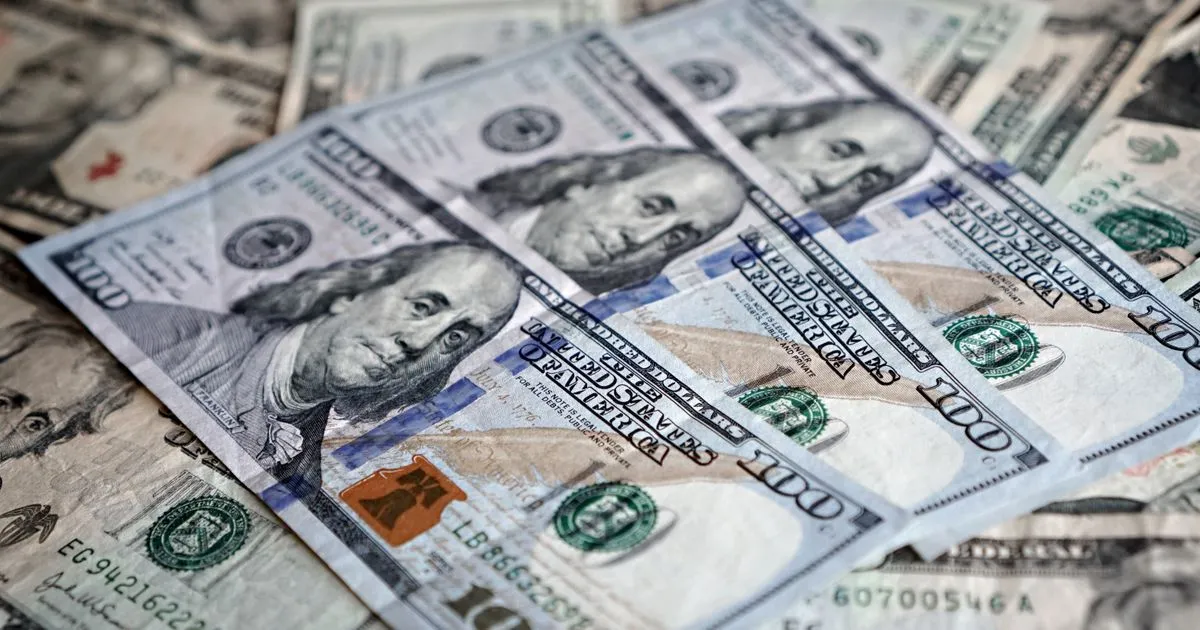
Dollar's reign threatened: how U.S. loses financial leverage with nations
China secures renminbi use with 37 nations while millions of traders in emerging economies face monetary transitions without voice in decisions reshaping their…
Washington fortifies financial stronghold against China's renminbi offensive
The U.S. Treasury executes coordinated offensive with G7 allies to sustain dollar supremacy while China consolidates positions with 37 nations.
American financial hegemony faces its most serious challenge in decades as China executes systematic de-dollarization strategy that already reshapes payment patterns for developing economies with limited access to Western credit systems. Millions of small traders across Asia and Latin America experience monetary transitions without participation in decisions that reshape their commercial terms.
🔹 What happened: Washington responded with bilateral currency arrangements and pressure on allies to reject alternatives, while China secured renminbi use in bilateral trade with 37 countries. Brazil, Thailand, and Vietnam have reduced dollar dependence in regional transactions, directly eroding margins for U.S. banks that historically captured commissions on these flows. Argentina and Nigeria adopted renminbi arrangements driven by their own interests, not Chinese coercion.
🔹 Key players: The American financial establishment—Treasury, Federal Reserve, New York banks—pursues unilateral restrictions. China negotiates bilaterally with governments seeking sanctions independence. Emerging-market nations have independent incentives to reduce dollarization without direct Chinese pressure, undermining narratives of external control. India maintains equilibrium between competing systems.
🔹 Why it matters: When the U.S. weaponizes dollar control, it blocks transactions for governments like Iran, Russia, and North Korea with devastating humanitarian consequences. Renminbi rise offers the Global South escape routes, but also exposes them to Chinese pressure. Informal traders lose when currency volatility complicates local pricing. Workers in import-dependent sectors face uncertainty.
🔹 What to expect: Latin American central banks will likely accelerate renminbi account transitions within 18 months. African low-income countries face Beijing pressure for system alignment. Small-business owners will experience initial transition costs before potentially benefiting from reduced commission structures.
📌 EPM Take: The U.S. retreat in global payment systems, evident in reactive defense versus China's planned expansion, reveals that sustaining financial influence requires redesigning mechanisms that currently exclude developing economies rather than defending inherited privilege.
The U.S. administration has identified erosion of dollar dominance as a direct national security threat and deployed coordinated response to contain Chinese advances in global financial infrastructure. Monetary supremacy is the foundational precondition for American geopolitical leadership and for financing defense commitments across two oceans.
🔹 What happened: The Treasury formed coalitions with G7 allies to strengthen Western-controlled payment systems, expanding liquidity agreements with loyal central banks. China achieved renminbi use with 37 governments and established parallel infrastructure through the Shanghai International Payments System as an alternative to SWIFT. This represents consolidation of competing power structure after years of failed attempts. Both systems now operate in direct competition for transaction volumes.
🔹 Key players: The U.S. Treasury and Federal Reserve lead institutional defense with European government support. China has leveraged discontent among sanctioned governments—Russia, Iran—but also gained positions in strategic allies like Brazil and UAE through commercial incentives rather than coercion. India maintains strategic ambiguity. Saudi Arabia and Gulf states selectively adopt renminbi arrangements.
🔹 Why it matters: The dollar generates approximately $150 billion annually in seigniorage revenue and provides Washington capacity to finance deficits independent of foreign bond markets. Critically: it finances military presence at 800 global bases. If dollar reserve share declines 25%, U.S. defense spending faces immediate financing pressure. Loss of financial coercion tools constrains options against strategic competitors.
🔹 What to expect: The U.S. will likely reinforce monetary alliances with Japan, South Korea, and the UK within 12 months through formal financial cooperation frameworks. Treasury will pressure European allies to limit renminbi operations. China will intensify expansion in Africa and Latin America where U.S. presence is weak.
📌 EPM Take: Treasury's decision to strengthen allied coalition architecture rather than impose unilateral restrictions reflects recognition that dollar defense depends on credible institutions and maintained confidence, not enforcement capacity.
Dólar bajo asedio: cómo EE.UU. lucha contra desafío de China
China logra que 37 países usen renminbi en comercio bilateral mientras millones de comerciantes en economías emergentes enfrentan transiciones monetarias sin…
Washington refuerza bastión financiero contra ofensiva del renminbi chino
El Tesoro estadounidense ejecuta ofensiva coordinada con aliados del G7 para mantener supremacía del dólar mientras China consolida posiciones con 37…
La hegemonía financiera estadounidense enfrenta su prueba más severa en décadas mientras China ejecuta una estrategia sistemática de desolarización que ya afecta a economías en desarrollo con menos acceso a crédito occidental. Millones de pequeños comerciantes en Asia y América Latina experimentan cambios en patrones de pago que favorecen al renminbi sin haber tenido voz en esa transición.
🔹 Lo que pasó: Washington ha respondido con acuerdos de divisas bilaterales y presión sobre aliados para rechazar alternativas al dólar, mientras China ha logrado que 37 países usen renminbi en comercio bilateral directo. Brasil, Tailandia y Vietnam han reducido dependencia de dólar en transacciones regionales, afectando márgenes de ganancia de bancos estadounidenses que históricamente capturaban comisiones en estos flujos.
🔹 Actores: El establishment financiero estadounidense—Tesoro, Fed, grandes bancos de Nueva York—impulsa restricciones unilaterales. China negocia bilateralmente con gobiernos que buscan independencia de sanciones estadounidenses. Países como Argentina, Indonesia y Nigeria tienen incentivos propios para reducir dolarización sin necesidad de presión china directa, minando la narrativa de control externo.
🔹 Por qué importa: Cuando EE.UU. sanciona economías, usa su control del sistema dólar para bloquear transacciones. Irán, Rusia y Corea del Norte han sufrido consecuencias devastadoras. El ascenso del renminbi ofrece a gobiernos del Sur Global escapatoria, pero también los expone a presión china. Comerciantes informales pierden cuando volatilidad de nuevas monedas complica precios locales.
🔹 Qué esperar: En 18 meses, bancos centrales latinoamericanos probablemente aceleren transiciones a cuentas en renminbi. Países africanos de ingresos bajos enfrentarán presión de Beijing para alinearse con sistemas alternativos. Pequeñas empresas verán costos iniciales de transición antes de beneficiarse potencialmente de menores comisiones.
📌 Conclusion EPM: El repliegue de EE.UU. en sistemas de pago globales, reflejado en su estrategia reactiva versus avance chino planificado, revela que mantener hegemonía financiera requiere no solo defensa sino rediseño de mecanismos que hoy excluyen a economías en desarrollo.
La administración estadounidense ha identificado la erosión de la dominancia del dólar como amenaza directa a la seguridad nacional económica y ha desplegado respuesta coordinada para contener avances chinos en infraestructura financiera global. La supremacía monetaria es precondición para liderazgo geopolítico estadounidense y para financiar compromisos de defensa en dos océanos.
🔹 Lo que pasó: El Tesoro ha formado coaliciones con aliados del G7 para fortalecer sistemas de pago bajo control occidental, expandiendo acuerdos de liquidez con bancos centrales leales. China ha conseguido que 37 gobiernos denominen comercio en renminbi y ha establecido infraestructura paralela con el Sistema de Pagos Internacionales de Shanghái como alternativa al SWIFT. Esto representa consolidación de poder paralelo tras años de intentos fallidos.
🔹 Actores: El Tesoro estadounidense y la Reserva Federal lideran la defensa institucional con apoyo de gobiernos europeos. China ha aprovechado descontento de gobiernos sujetos a sanciones estadounidenses—Rusia, Irán—pero también ha ganado posiciones en aliados estratégicos como Brasil y EAU mediante incentivos comerciales, no coerción. India permanece equilibrada entre ambos sistemas.
🔹 Por qué importa: El dólar genera ingresos fiscales de 150.000 millones anuales vía señoreaje y otorga a Washington capacidad para financiar déficits sin depender de mercados de bonos extranjeros. Más crítico: permite financiar presencia militar en 800 bases globales. Si el dólar pierde 25% de su cuota de reservas, el financiamiento del gasto defensivo estadounidense enfrenta presión inmediata.
🔹 Qué esperar: EE.UU. probablemente refuerce alianzas monetarias con Japón, Corea del Sur y Reino Unido en los próximos 12 meses mediante marcos de cooperación financiera. Presionará a aliados europeos para limitar operaciones en renminbi. China intensificará expansión en África y América Latina donde EE.UU. tiene presencia débil.
📌 Conclusion EPM: La decisión del Tesoro de fortalecer coaliciones con aliados en vez de imponer restricciones unilaterales refleja reconocimiento de que la defensa del dólar depende de instituciones creíbles, no de fuerza bruta.