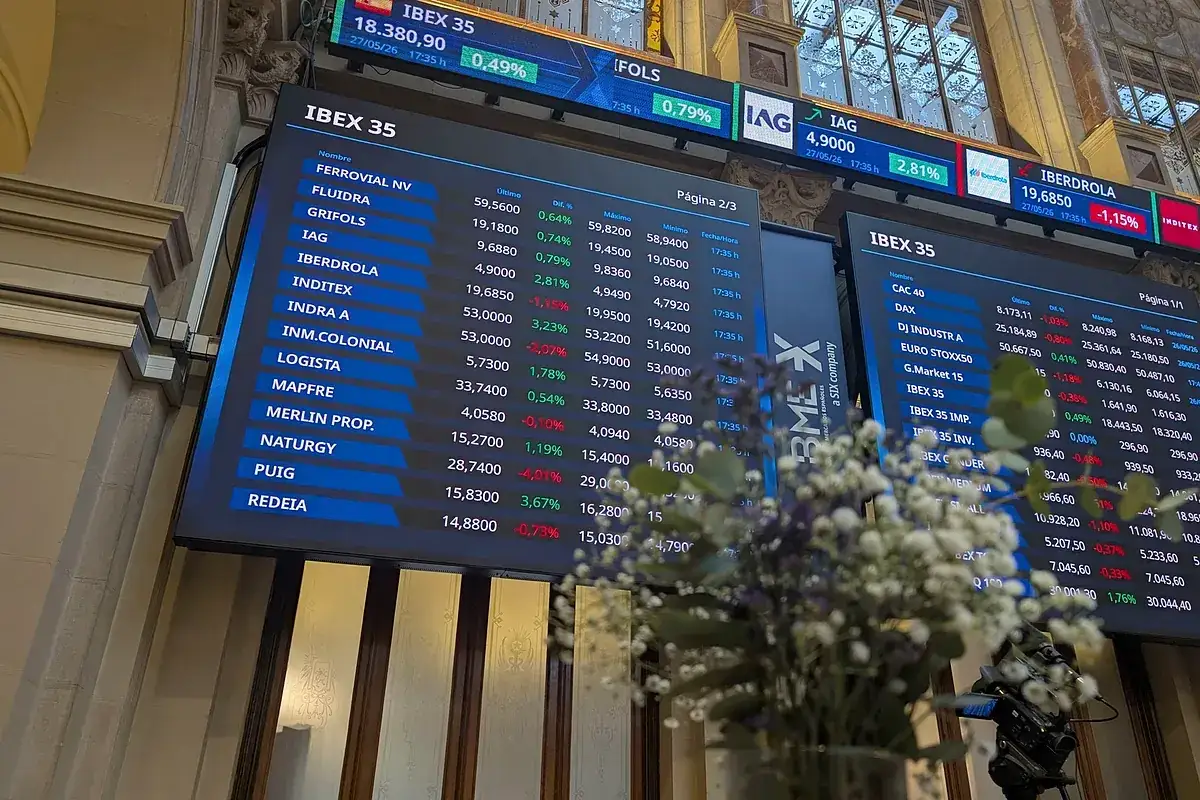
Middle East escalation costs Spanish workers; Ibex falls amid energy inflation
US-Iran escalation drives crude higher and hits Spanish stock market, forcing transportation and manufacturing workers to absorb energy costs they never…
Trump holds firm on Iran as Ibex adjusts; Western security reasserts priority
Trump maintains firm stance on Iran negotiations as the Ibex experiences temporary pullback from elevated geopolitical risk reassessment.
Diplomatic failure between Washington and Tehran translates into real economic pain for Spanish drivers, factory workers, and small business operators who bear the burden of energy price spikes they never negotiated. Oil climbs again while the stock market falls—a pattern that punishes those with least financial capacity to absorb volatility. Transport companies, manufacturers, and neighborhood shops face collapsing margins without any seat at the table where geopolitical decisions are made.
🔹 What happened: Cross-border military actions between the US and Iran escalated without diplomatic off-ramps this week. Trump's statements shut down negotiation pathways. Crude jumped toward monthly highs, triggering inflation fears. The Ibex declined as institutional investors anticipated compressed corporate profits, particularly in transport, manufacturing, and utilities sectors where energy inputs cannot be passed to consumers without losing market share and cutting hours.
🔹 Key players: The United States pursues confrontation strategy with no indication of dialogue openness. Iran responds with actions widening geopolitical danger. Trump communicates firmness without accounting for economic spillover effects on working populations. Institutional investors sell Spanish positions. Truck drivers, metalworkers, and local retailers absorb crude prices nobody in Madrid negotiated, unable to lobby for their interests in geopolitical decisions.
🔹 Why it matters: Fuel represents 40% of operational costs for Spanish transport companies. Small manufacturers lose competitive positioning if they cannot adjust prices without losing contracts. Consumers absorb inflation through electricity, transport, and food chain markups. Workers face wage pressure if employers compress margins. Official inflation data due June 28th will show how energy spikes already erode purchasing power for wage earners. Low-income households spend 8-12% of income on transport and heating.
🔹 What to expect: If crude stabilizes at 85-92 dollars, cost pressures persist 8-10 weeks. Spanish unions will likely demand wage negotiations. Small businesses with limited credit access face insolvency. Supermarkets and franchise gas stations transfer costs to consumers. Employment data in late June signals whether market volatility already affects hiring. Wage growth data indicates if workers recover purchasing power or fall further behind.
📌 EPM Take: Hedge funds in New York profit from Ibex declines while Spanish truck drivers watch margins collapse; decisions made in geopolitical capitals punish working economies thousands of miles away.
Spain's equity market reacts to geopolitical escalation by reassessing risk, a market function that validates the necessity of Western firmness in strategic negotiations. President Trump maintains an uncompromising stance toward Iran, refusing capitulation that would undermine regional stability where Western interests depend on demonstrated resolve. The Ibex pullback reflects temporary volatility, not structural weakness. Strong negotiating positions, not appeasement, protect the economic order Spain relies upon.
🔹 What happened: The United States and Iran intensified military posturing without signs of imminent negotiation breakthrough. Trump's public statements reinforced that Washington will not negotiate from weakness. Crude oil climbed as markets priced in extended uncertainty. Spanish equity investors reduced positions in cyclical sectors, repricing risk premiums. The Ibex retreated from record highs, reflecting normal portfolio rebalancing in response to geopolitical reassessment rather than fundamental economic deterioration.
🔹 Key players: Trump maintains decisive positioning against Iranian provocations without yielding ground. The United States preserves strategic security leverage in a region where Western interests depend on credible deterrence. Iran escalates in an attempt to force dialogue on its terms. Spanish markets selectively adjust exposure to volatile sectors. Institutional investors reallocate toward defensive positioning, a normal function of risk management during periods of elevated geopolitical uncertainty.
🔹 Why it matters: Spain, as a Western ally, depends on the strategic stability that only clear American leadership can guarantee. Spanish economic interests are protected when the US maintains firm negotiating positions in critical regions. Temporary market volatility reflects pricing adjustments, not economic fundamentals. Energy security requires negotiating strength, not compromise with actors hostile to Western interests. American strategic clarity underwrites the order within which Spain prospers.
🔹 What to expect: If Trump sustains pressure without flexing demands, Iran likely moderates escalation within 3-4 weeks. Oil may stabilize in the 80-88 dollar range. The Ibex should recover as geopolitical risk perception declines. Spanish business confidence surveys due late June will show whether market concerns already factored current uncertainty. Western strategic cohesion reinforces long-term economic prospects for allied economies including Spain.
📌 EPM Take: Trump's refusal to negotiate from weakness preserves the strategic balance that protects Spanish investments across multiple regions; markets reward resolve over vacillation.
Escalada Irán-EEUU golpea el Ibex; trabajadores españoles cargan el costo
Tensiones Irán-EEUU elevan petróleo y golpean bolsa española, trasladando costos a transportistas, manufactureros y consumidores que no participaron en…
Ibex retrocede ante escalada Irán-EEUU; Trump refuerza línea de seguridad
Trump mantiene postura firme ante Irán mientras Ibex retrocede por volatilidad geopolítica temporal.
Mientras diplomáticos fracasan en desescalada, el conflicto entre Washington y Teherán traslada sus costos a empleados y pequeñas empresas españolas que ven crecer facturas de energía sin margen para trasladarlas. El petróleo sube de nuevo, y la bolsa cae: un patrón que castiga a quienes menos pueden absorber volatilidad. Transportistas, manufactureros y comercios locales enfrentan márgenes comprimidos sin capacidad de lobby político en negociaciones geopolíticas.
🔹 Lo que pasó: Ataques cruzados entre EEUU e Irán intensificaron tensiones en Oriente Medio esta semana. Declaraciones de Trump cerraron puertas a negociaciones inmediatas. El petróleo saltó hacia máximos, presionando inflación energética. El Ibex retrocede ante ventas de inversores que anticipan beneficios corporativos más débiles, especialmente en sectores que no pueden trasladar costos a consumidores sin perder mercado.
🔹 Actores: Estados Unidos mantiene línea de confrontación sin señales de diálogo. Irán responde con medidas que amplían riesgos geopolíticos. Trump comunica firmeza sin consideración por impactos económicos regionales. Inversores institucionales venden posiciones españolas. Transportistas, metalmecánicos y comerciantes locales quedan expuestos a precios de crudo que nadie en Madrid negoció.
🔹 Por qué importa: El 40% del costo operacional de transportistas españoles viene del combustible. Pequeñas manufactureras pierden competitividad si no ajustan precios. Consumidores finales absorben inflación en cadena: electricidad, transporte, alimentos. Empleados de sectores cíclicos enfrentan presión salarial si empresas cierran márgenes. Datos de inflación del INE en junio mostrarán impacto real en poder adquisitivo.
🔹 Qué esperar: Si petróleo se estabiliza en 85-90 dólares, presión de costos persistirá por 8-12 semanas. Sindicatos españoles pueden exigir renegociación salarial. Pequeñas empresas con acceso limitado a crédito enfrentarán quiebras. Supermercados y gasolineras de franquicia trasladarán costos a consumidores. Datos de empleo en junio revelarán si tensión bursátil ya afecta contrataciones.
📌 Conclusion EPM: La caída del Ibex beneficia fondos de cobertura en Nueva York mientras transportistas españoles cierran márgenes; decisiones diplomáticas ajenas castigan economía real.
La bolsa española cede ante escalada geopolítica que confirma por qué fortaleza defensiva y resolución en negociaciones estratégicas resultan decisivas. Trump mantiene postura firme frente a Irán, rechazando capitulaciones que comprometerían estabilidad regional. El mercado castiga incertidumbre, pero la línea de seguridad estadounidense protege intereses occidentales en Oriente Medio. El Ibex retrocede, reflejo de volatilidad temporal que ordena posiciones más débiles.
🔹 Lo que pasó: Estados Unidos e Irán escalaron enfrentamientos cruzados sin señales de negociación próxima. Declaraciones presidenciales de Trump comunican que EEUU no cederá ante presiones de Teherán. El crudo sube como resultado de incertidumbre sobre flujos en Ormuz. Inversores ajustan posiciones bursátiles españolas vendiendo exposición cíclica. El Ibex retrocede desde máximos tras reevaluación de riesgos geopolíticos.
🔹 Actores: Trump mantiene línea decisiva contra apaciguamiento iraní. Estados Unidos resguarda seguridad estratégica regional sin negociar desde debilidad. Irán intensifica provocaciones intentando forzar diálogo en términos propios. Mercados españoles reaccionan con caídas selectivas en sectores sensibles a energía. Inversores institucionles redistribuyen hacia activos defensivos y sectores menos volátiles.
🔹 Por qué importa: España, como aliado occidental, depende de estabilidad estratégica que solo liderazgo estadounidense firme puede mantener. Economía española se beneficia de orden geopolítico que EEUU garantiza mediante postura clara en Oriente Medio. Volatilidad temporal en bolsa refleja ajustes de precios, no debilidad económica fundamental. Seguridad energética requiere fortaleza negociadora, no capitulación.
🔹 Qué esperar: Si Trump sostiene presión sin flexibilizar demandas, Irán probablemente moderará escalada en 3-4 semanas. Precios de petróleo pueden estabilizarse en 80-88 dólares. Ibex recuperará posiciones si percibe reducción de riesgos geopolíticos. Datos de confianza empresarial en junio mostrarán si mercados ya internalizaron este ajuste. Orden estratégico occidental refuerza perspectivas economía española.
📌 Conclusion EPM: Trump rechaza negociar desde debilidad frente a Irán, preservando equilibrio estratégico que protege inversiones españolas en región; mercados priman resolución sobre vacilación.