Unequal access to neurological therapy condemns thousands of brain injury patients
Orlando Swayne's neurological protocol demonstrates possible recovery in brain injuries, yet remains inaccessible to millions without resources.
Swayne's protocol restores brain function through precise surgical intervention leadership
Neurologist Orlando Swayne demonstrates that precise surgical intervention and intensive neurological rehabilitation restore function in severe brain injury…
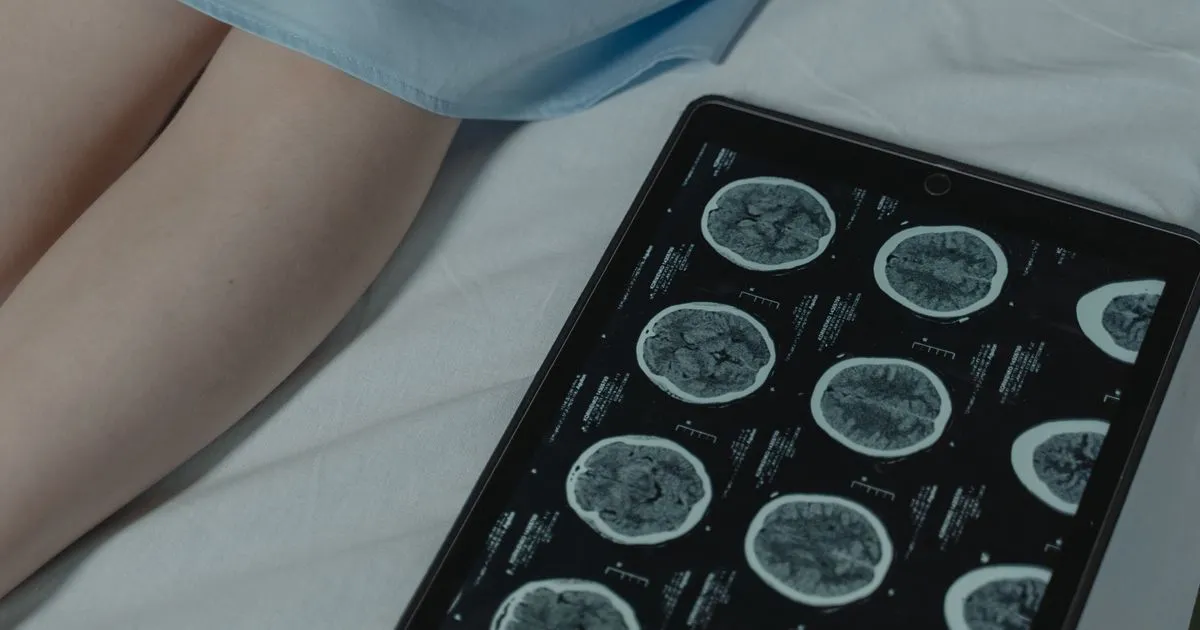
While neurologist Orlando Swayne documents transformative recoveries in patients with severe brain injuries, the reality for the majority of stroke and trauma victims is dramatically different: lack of access to early and intensive therapy. Claire, a mother of three in her late 30s, was fortunate to receive immediate surgical intervention and sustained rehabilitation after suffering arterial rupture that spilled blood into her frontal lobe. Millions of patients with similar brain damage never receive this level of specialized care, remaining paralyzed without hope of recovery. Early intensive therapy protocols exist but remain confined to privileged populations with institutional resources.
🔹 What happened: Claire collapsed from an arterial aneurysm while socializing. Surgeons removed skull fragments to relieve pressure. Following months in intensive care, Swayne's intensive neurological therapy achieved partial recovery of movement and language. Yet this protocol remains inaccessible to most patients with comparable brain damage in healthcare systems with limited resources or insufficient specialists, condemning them to permanent disability that therapy could have prevented.
🔹 Key players: Orlando Swayne concentrates rare expertise in neurological recovery. Hospitals with sufficient resources implement his protocols. Rural patients, citizens of countries with weak healthcare systems, and uninsured individuals remain excluded. Families of patients with permanent brain injuries face overwhelming caregiving burden without access to specialized rehabilitation that could transform their circumstances fundamentally.
🔹 Why it matters: Research demonstrates that early and intensive intervention reduces permanent disability by up to 40 percent in some cases. Millions live with preventable paralysis, irreversible aphasia, and total dependence when accessible protocols exist. Human cost is incalculable: fractured families, workers removed from labor markets indefinitely, caregivers abandoned without support. Access gaps generate brutal inequality in neurological outcomes based entirely on geography and economic status.
🔹 What to expect: Without systemic change in neurorehabilitation financing, Swayne's model remains elitist. Governments must invest in specialist training and community rehabilitation centers. Public system patients will wait years for intensive therapy or never receive it. Poor families will indefinitely carry dependency that early therapy could have reversed, perpetuating cycles of disability and poverty.
📌 EPM Take: Claire's recovery of mobility demonstrates transformative capacity of early therapy; her privileged access exposes how fragmented healthcare systems condemn the majority to preventable permanent disability.
Neurologist Orlando Swayne has established a clinical model that restores lost neurological function in patients with catastrophic brain damage through precise surgical intervention and coordinated intensive rehabilitation. Claire's case demonstrates the effectiveness of rapid medical decisions and rigorously executed protocols: after collapsing from arterial rupture at her brain's base, surgical teams removed skull fragments under pressure to prevent imminent brain death. Early intervention combined with sustained neurological therapy achieved functional recovery in patients with initial prognoses appearing irreversible.
🔹 What happened: Claire suffered catastrophic arterial rupture during social activity, entering hospital with total inability to speak and lower limb paralysis. Surgeons executed emergency cranial decompression by extracting two large bone segments. Following intensive care months and directed neurological rehabilitation, she recovered functional motor capacity and language ability. This outcome demonstrates that decisive surgical decisions during critical windows, combined with systematic therapy, can reverse damage initially appearing permanent.
🔹 Key players: Orlando Swayne directs evidence-based neurological recovery protocol. Surgical teams act decisively within critical time windows. Hospital institutions with sustained intensive care resources implement long-term rehabilitation. Specialized medical leadership is the determining factor in these transformative outcomes; systems prioritizing these capabilities obtain comparatively superior results.
🔹 Why it matters: Brain injuries represent massive economic and social burden. Swayne's protocol demonstrates that investment in emergency surgical capacity and specialized rehabilitation generates measurable returns in functional recovery of productive patients. Claire, mother of three, recovered labor capacity and personal autonomy. Multiplying these results requires stable hospital systems with established protocols, trained surgeons, and sustained neurorehabilitation funding.
🔹 What to expect: Hospital institutions with robust surgical capacity will adopt protocols based on Swayne model. Investment in specialized training of neurosurgeons and neurological therapists will expand in well-organized healthcare systems. Countries with solid hospital infrastructure will see improved post-brain-injury recovery rates. Competitive advantage resides in early executive decisions and precise institutional coordination during critical phases.
📌 EPM Take: Swayne's model validates that decisive surgical intervention during critical window, followed by coordinated intensive rehabilitation, restores function in severe brain injury patients, establishing replicable standard in disciplined hospital systems.
Acceso desigual a terapia neurológica condena a miles de pacientes
El protocolo neurológico de Orlando Swayne demuestra recuperación posible en lesiones cerebrales, pero permanece inaccesible para millones de pacientes sin…
Protocolo de Swayne restaura función cerebral mediante intervención quirúrgica precisión
El neurólogo Orlando Swayne demuestra que intervención quirúrgica precisa y rehabilitación neurológica intensiva restauran función en pacientes con daño…
Mientras el neurólogo Orlando Swayne documenta recuperaciones transformadoras en pacientes con lesiones cerebrales severas, la realidad para la mayoría de víctimas de accidente cerebrovascular es dramáticamente distinta: falta de acceso a terapia temprana e intensiva. Claire, madre de tres hijos en sus tardíos treinta años, tuvo suerte al recibir intervención quirúrgica inmediata y rehabilitación sostenida tras sufrir una rotura arterial que derramó sangre en su lóbulo frontal. Millones de pacientes con daño cerebral similar nunca reciben este nivel de cuidado especializado, quedando paralizados sin esperanza de recuperación.
🔹 Lo que pasó: Claire colapsó por una aneurisma arterial mientras convivía socialmente. Cirujanos extirparon fragmentos craneales para aliviar presión. Tras meses en cuidados intensivos, la terapia neurológica intensiva de Swayne logró recuperación parcial de movimiento y lenguaje. Sin embargo, este protocolo permanece inaccesible para la mayoría de pacientes con daños cerebrales comparables en sistemas de salud con recursos limitados o sin especialistas disponibles.
🔹 Actores: Orlando Swayne concentra expertise rara en recuperación neurológica. Hospitales con recursos suficientes implementan sus protocolos. Pero pacientes de zonas rurales, ciudadanos de países con sistemas sanitarios débiles y personas sin cobertura privada quedan excluidos. Familias de pacientes con lesiones cerebrales permanentes enfrentan sobrecarga de cuidado sin acceso a rehabilitación especializada que pudiera transformar sus realidades.
🔹 Por qué importa: Estudios demuestran que intervención temprana e intensiva reduce discapacidad permanente hasta 40 por ciento en algunos casos. Millones de personas viven con parálisis evitable, afasia irreversible y dependencia total cuando protocolo accesible existiría. El costo humano es incalculable: familias fracturadas, trabajadores sacados del mercado laboral indefinidamente, cuidadores sin apoyo. La brecha de acceso genera desigualdad brutal en outcomes neurológicos.
🔹 Qué esperar: Sin cambio sistémico en financiamiento de rehabilitación neurológica, el modelo de Swayne permanecerá elitista. Gobiernos deben invertir en entrenamiento de especialistas y centros de rehabilitación comunitarios. Pacientes de sistemas públicos esperarán años por terapia intensiva o nunca la recibirán. Familias pobres cargarán indefinidamente con dependencia que terapia temprana hubiera podido revertir.
📌 Conclusion EPM: Que Claire haya recuperado movilidad demuestra capacidad transformadora de terapia temprana; su acceso privilegiado expone cómo sistemas sanitarios fragmentados condenan a la mayoría a discapacidad permanente evitable.
El neurólogo Orlando Swayne ha establecido un modelo clínico que restaura función neurológica perdida en pacientes con daño cerebral catastrófico mediante intervención quirúrgica precisa y rehabilitación intensiva coordinada. El caso de Claire demuestra la efectividad de decisiones médicas rápidas y protocolos ejecutados con rigor: tras colapsarse por una rotura arterial en la base del cerebro, equipos quirúrgicos removieron fragmentos craneales bajo presión para evitar muerte cerebral inminente. La intervención temprana combinada con terapia neurológica sostenida logró recuperación funcional en pacientes que presentaban pronósticos iniciales aparentemente irreversibles.
🔹 Lo que pasó: Claire sufrió ruptura arterial catastrófica durante actividad social, ingresando a hospital con incapacidad total de habla y movilidad de extremidades inferiores. Cirujanos ejecutaron decompresión craneal emergente extirpando dos segmentos óseos. Tras meses en cuidados intensivos y rehabilitación neurológica dirigida, recuperó capacidad motora y lenguaje funcional. Este resultado demuestra que decisiones quirúrgicas decisivas en fases críticas, combinadas con terapia sistemática, pueden revertir daños que inicialmente parecían permanentes.
🔹 Actores: Orlando Swayne dirige protocolo de recuperación neurológica basado en evidencia clínica. Equipos quirúrgicos actúan decisivamente en ventanas de tiempo críticas. Instituciones hospitalarias con recursos de cuidados intensivos sostenidos implementan rehabilitación de largo plazo. El liderazgo médico especializado es factor determinante en estos outcomes transformadores; sistemas que priorizan estas capacidades obtienen resultados comparativamente superiores.
🔹 Por qué importa: Lesiones cerebrales representan carga económica y social masiva. El protocolo de Swayne demuestra que inversión en capacidad quirúrgica de emergencia y rehabilitación especializada genera retorno medible en recuperación funcional de pacientes productivos. Claire, madre de tres hijos, recuperó capacidad laboral y autonomía personal. Multiplicar estos resultados requiere sistemas hospitalarios estables con protocolos establecidos, cirujanos entrenados y financiamiento sostenido en neurorrehabilitación.
🔹 Qué esperar: Instituciones hospitalarias con capacidad quirúrgica robusta adoptarán protocolos basados en modelo Swayne. Inversión en entrenamiento especializado de neurocirujanos y terapeutas neurológicos se expandirá en sistemas sanitarios bien organizados. Países con infraestructura hospitalaria sólida verán mejora en tasas de recuperación post-lesión cerebral. La ventaja competitiva radica en decisiones ejecutivas tempranas y coordinación institucional precisa durante fases críticas.
📌 Conclusion EPM: El modelo de Swayne valida que intervención quirúrgica decisiva en ventana crítica, seguida de rehabilitación intensiva coordinada, restaura función en pacientes con daño cerebral severo, estableciendo estándar replicable en sistemas hospitalarios disciplinados.