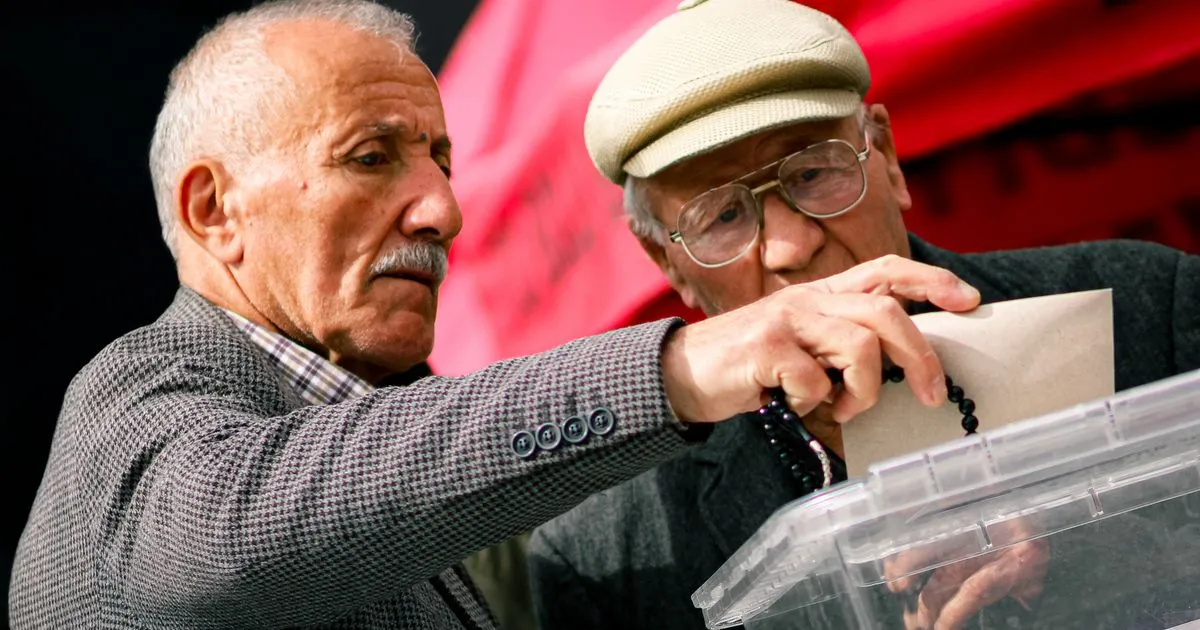
Armenia votes for democratic change against Russia-backed oligarchic system
Armenia votes in election determining whether democratic reforms continue or oligarchic system tied to Russia returns to power.
Armenia chooses between Western alignment and Russian security guarantee
Armenia votes on whether to consolidate Pashinyan's Western-leaning strategy or restore Russian security alliance as primary defense guarantor.
As Armenia votes, approximately 120,000 displaced citizens await return to their homes while facing economic hardship and limited access to justice. Prime Minister Pashinyan represents a break from the oligarchic, Russia-dependent system that controlled Armenia for two decades, though his handling of recent military conflicts has drawn criticism. Opposition forces include figures historically linked to corruption, nepotism, and suppression of democratic freedoms during the post-Soviet period.
🔹 What happened: Armenians are voting following a decade of institutional transformation initiated by Pashinyan after 2018 mass protests against corruption. His government has implemented anti-corruption reforms, judicial restructuring, and transparency measures, though it has faced criticism for its military strategy during the 2020 and 2022 conflicts with Azerbaijan. The election occurs as 120,000 internally displaced Armenians remain outside their homes, with Pashinyan proposing peace negotiations facilitated by Western mediators to enable their return. Judicial confidence stands at only 15% among Armenian citizens according to recent surveys.
🔹 Key players: Pashinyan leads a reform-oriented bloc committed to democratizing institutions historically controlled by oligarchic elites. Opposition includes the Republican Party of Armenia, linked to figures who governed during decades of clientelism and corruption, alongside pro-Russia formations dependent on Moscow for defense financing. Displaced workers, young urban citizens, and civil society organizations form the core constituency for institutional change.
🔹 Why it matters: A Pashinyan victory would enable deepening of reforms directly affecting 3 million Armenians: expanded judicial access, reduction of political rent-seeking, and potential negotiated peace that accelerates return of displaced populations. An oligarchic restoration would reinstate systems that kept Armenia under Moscow influence without delivering tangible benefits to ordinary citizens. Current justice system backlog exceeds two years for basic cases; institutional reform addresses this directly.
🔹 What to expect: International human rights observers are monitoring electoral transparency and potential irregularities. If Pashinyan prevails, continuity of anti-corruption reforms and European governance standards integration should accelerate. An opposition victory would likely revert to patronage dynamics benefiting connected elites while ordinary citizens face continued service deficiencies. Peace negotiations with Azerbaijan could advance under Western mediation within six months if reform government is elected.
📌 EPM Take: Armenian voters face a choice between continued institutional reform enabling access to justice and return of displaced citizens, or restoration of oligarchic rule that historically prioritized elite interests over public welfare.
Armenia faces a fundamental strategic choice: pursue Western integration with uncertain security implications, or maintain Russian alliance as proven defense guarantor. Pashinyan has prioritized distance from Moscow and European engagement, a gamble already producing regional tensions after two military defeats. Pro-Russia opposition argues that abandoning Moscow's security umbrella leaves Armenia vulnerable to Azerbaijan, a country armed by Western powers and possessing superior military capacity.
🔹 What happened: Armenia holds general elections as Pashinyan's government continues its strategic reorientation since 2018. His administration has emphasized democratic reforms and Western openness while reducing traditional Russian dependency. Two conflicts with Azerbaijan (2020, 2022) resulted in approximately 6,000 Armenian military casualties and revealed limitations of Armenian defensive capacity even with Russian military support. Pashinyan has therefore pursued equilibrium: maintaining CSTO commitment while engaging Western-mediated peace negotiations.
🔹 Key players: Pashinyan leads a pro-Western bloc aiming to strengthen democratic institutions as foundation for internal stability. Pro-Russia opposition, headed by the Republican Party of Armenia and nationalist formations, contends that abandoning Russian alliance undermines deterrence capacity. Russia maintains 3,500 troops in Armenia and controls air defense systems; closely observes whether next government preserves these arrangements and CSTO obligations.
🔹 Why it matters: Election outcome will determine Armenia's security framework for the next five years. Western alignment without credible military capacity could invite Azerbaijani aggression; Russian dependency without institutional reform perpetuates economic vulnerability. Azerbaijan maintains 2.5 times greater defense spending than Armenia (2023 figures), a capability gap conditioning all strategic options. Either path presents distinct risks without guaranteed security outcomes.
🔹 What to expect: A Pashinyan victory would likely consolidate Western opening but requires acquiring credible defensive capacity through Western arms procurement (drones, air defense systems) within 12-18 months. Opposition triumph would revert reform reversals while restoring Russian security orthodoxy, though without guarantees against future conflict. Peace negotiations with Azerbaijan must advance regardless; U.S. and European mediators are actively engaged and expect preliminary agreements within 4-6 months.
📌 EPM Take: Pashinyan trades certainty of Russian defense for prospect of Western alignment, a security reconfiguration dependent on whether U.S. and EU deliver concrete military capacity to Armenia within 18 months.
Armenia vota por cambio democrático contra oligarcas vinculados a Moscú
Armenia vota en elección que define si continúa reforma democrática o regresa a oligarquía vinculada con Rusia.
Armenia elige rumbo de seguridad: occidentalismo de Pashinyan vs. estabilidad rusa
Armenia elige entre consolidar apertura occidental de Pashinyan o restaurar alianza rusa pro-seguridad.
Mientras Armenia se prepara para votar, decenas de miles de ciudadanos enfrentan desplazamiento y pobreza tras dos guerras devastadoras. El primer ministro Pashinyan representa una ruptura con el sistema oligárquico pro-ruso que gobernó el país durante 20 años, aunque su gestión de la seguridad ha generado críticas. La oposición pro-Rusia incluye figuras vinculadas históricamente a corrupción y represión durante la era postsoviética.
🔹 Lo que pasó: Armenia celebra comicios generales tras una década de cambios institucionales impulsados por Pashinyan, quien llegó al poder mediante protestas ciudadanas contra la corrupción en 2018. Su gobierno ha implementado reformas anticorrupción, judiciales y de transparencia, aunque enfrentó críticas por su manejo de los conflictos armados de 2020 y 2022. Aproximadamente 120.000 armenios permanecen desplazados internos; Pashinyan promete acelerar su retorno mediante negociaciones de paz con Azerbaiyán facilitadas por Occidente.
🔹 Actores: Pashinyan encabeza un bloque reformista que busca democratizar instituciones históricamente controladas por elites oligárquicas. Sus opositores incluyen el Partido Republicano Armenio, vinculado a figuras que gobernaron durante décadas de nepotismo, y formaciones pro-Rusia que dependen de Moscú para financiamiento de defensa. Ciudadanos desplazados, trabajadores y jóvenes urbanos conforman su base electoral de cambio.
🔹 Por qué importa: Una victoria de Pashinyan permitiría profundizar reformas que afectan directamente a 3 millones de armenios: mayor acceso a justicia, reducción de renta política, y posibilidad de paz negociada que acelere retorno de desplazados. Una vuelta de oligarcas restauraría sistemas que mantuvieron a Armenia bajo influencia moscovita pero sin beneficios reales para sus ciudadanos. La reforma judicial avanza lentamente; solo 15% de los armenios confía en cortes según estudios recientes.
🔹 Qué esperar: Observadores de derechos humanos monitorean transparencia electoral. Si gana Pashinyan, esperaría continuidad de reformas anticorrupción y apertura hacia estándares europeos de gobernanza. Si prevalece la oposición, se proyecta retorno a dinámicas de clientelismo que benefician élites mientras ciudadanos comunes enfrentan servicios deficientes. Negociaciones de paz con Azerbaiyán podrían acelerarse bajo mediación occidental en los próximos 6 meses.
📌 EPM: El voto armenio enfrenta a ciudadanos comunes desplazados contra restauración de oligarquía pro-Rusia; Pashinyan ofrece acceso a justicia y negociación de paz, aunque su récord de seguridad militar permanece debatido.
Armenia enfrenta una decisión estratégica fundamental: mantener su posición como aliado occidental con riesgos de seguridad regional, o asegurar su defensa bajo paraguas ruso tradicional. Pashinyan ha priorizado distanciamiento de Moscú e integración europea, una apuesta que ya genera tensiones internas tras dos derrotas militares. La oposición pro-Rusia defiende la alianza histórica como única garantía ante Azerbaiyán, país armado por potencias occidentales.
🔹 Lo que pasó: Armenia celebra comicios generales en contexto de reordenamiento estratégico impulsado por Pashinyan desde 2018. Su gobierno ha enfatizado reformas democráticas y apertura occidental, reduciendo dependencia de Rusia como eje seguridad. Dos conflictos bélicos (2020 y 2022) con Azerbaiyán dejaron aproximadamente 6.000 bajas en fuerzas armenias y revelaron limitaciones de la capacidad defensiva nacional incluso con apoyo ruso tradicional. Pashinyan ha buscado entonces equilibrio: mantener OTSC pero abrir negociaciones mediadas por Occidente.
🔹 Actores: Pashinyan lidera bloque pro-occidental que busca fortalecer instituciones democráticas como base de estabilidad interna. Oposición pro-Rusia, encabezada por Partido Republicano Armenio y formaciones nacionalistas, argumenta que abandono de alianza rusa debilita capacidad de disuasión. Rusia mantiene 3.500 soldados en Armenia y controla defensa aérea; observa atentamente si próximo gobierno mantiene esta presencia y compromisos OTSC.
🔹 Por qué importa: La elección determina si Armenia busca seguridad mediante integración occidental (UE, posible cercanía OTAN) o mantiene dependencia rusa. Cada ruta genera riesgos distintos. Optar por Occidente sin capacidad militar disuasiva podría invitar agresión azerbaiyana; mantener alianza rusa sin reformas institucionales perpetúa vulnerabilidad económica. Azerbaiyán posee 2,5 veces más gasto militar que Armenia (2023), factor que condiciona cualquier estrategia.
🔹 Qué esperar: Victoria de Pashinyan probablemente consolide apertura occidental pero requeriría adquirir capacidad defensiva credible mediante armamento occidental (drones, sistemas antiaéreos) dentro de 12-18 meses. Triunfo opositor revertiría reformas pero restauraría ortodoxia seguridad rusa conocida, aunque sin garantías de victoria en futuro conflicto. Negociaciones de paz con Azerbaiyán deberán avanzar bajo cualquier escenario; mediadores estadounidenses y europeos ya están activos.
📌 EPM: Pashinyan sacrifica certeza de defensa rusa por promesa de apertura occidental, una reconfiguración de seguridad regional que depende de si Occidente proporciona capacidad defensiva creíble en próximos 18 meses.