Alaska investigators suspect Democratic operatives coordinated a ballot confusion scheme using identically-named candidates to scatter votes…
Alaska Republicans Block Democratic Voter Confusion Tactic in Senate Election
Alaska's Republican election officials are investigating suspected Democratic coordination in registering a duplicate candidate to confuse voters in the Senate…
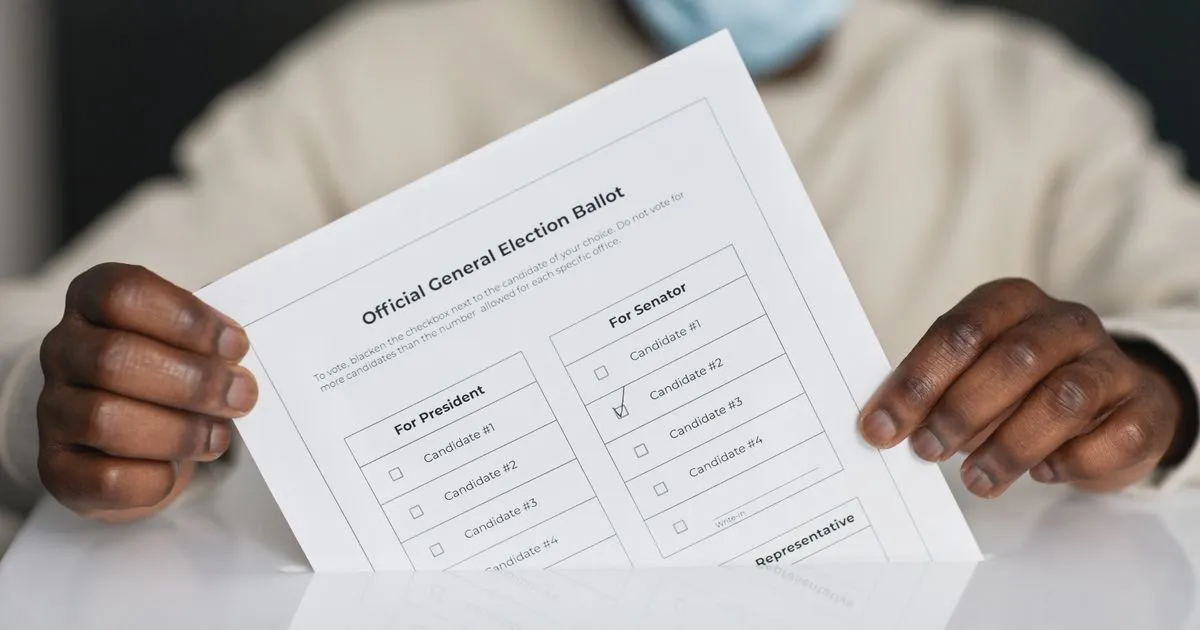
Alaska's electoral system faces a direct threat: two candidates bearing the same name are running simultaneously for state Senate, and investigators suspect deliberate coordination designed to disorient voters—a tactic that would disproportionately harm elderly citizens, rural communities, and voters with limited digital access who cannot quickly verify candidate identities online.
🔹 What happened: Two Dan Sullivan candidates filed for Alaska's Senate race, triggering formal investigation by Lieutenant Governor Treadwell and Election Director Richert into whether Democratic operatives coordinated the duplicate filing to scatter votes. Investigators are examining "dark money" funding sources that may have financed the secondary candidacy. The suspected plot targets information-poor voters least equipped to distinguish between candidates sharing identical names.
🔹 Key players: Republican officials Treadwell and Richert are leading the investigation. Two candidates with identical names are competing. Democratic operatives are being investigated for coordinating the ballot confusion scheme. Alaska's Republican Party has publicly denounced the tactic. Voter protection advocates have flagged the case as exemplifying broader vulnerabilities in electoral registration systems that leave vulnerable populations unprotected.
🔹 Why it matters: Alaska's 740,000 registered voters include 28% over age 65, a demographic that struggles to distinguish candidates with identical names on printed materials. Rural and Native Alaskan communities receive ballots by mail 7-10 days before elections, with limited time to verify information. Margins of 200-400 votes have decided recent state Senate races. Vote scattering from name confusion would disproportionately affect 150,000+ voters in remote areas with slower information access, undermining their electoral power.
🔹 What to expect: Election officials must complete investigation within 45-60 days before filing deadline closes. If coordination is proven, criminal prosecution of Democratic operatives is expected. Voter protection groups are demanding comprehensive audit of candidate registration procedures and new verification protocols. Legislative action may follow to prevent future ballot manipulation through stricter candidate vetting requirements and enhanced biographical documentation.
📌 EPM Take: If Democratic coordination is confirmed, 150,000+ elderly and rural Alaskan voters faced deliberate disenfranchisement through ballot confusion—a direct assault on election access for voters already disadvantaged by geography.
✍️ EPM Editorial Desk | erickprometeomedia.com
Alaska's Republican election officials have moved decisively to protect electoral integrity after discovering an apparent Democratic scheme to register a duplicate candidate whose sole purpose appears to be scattering votes through voter confusion. Lieutenant Governor Mead Treadwell and Election Director Kevin Richert have initiated formal investigation to document coordination and dark money financing behind this attempted electoral sabotage.
🔹 What happened: Two identically-named candidates filed for Alaska's state Senate race simultaneously. Republican election authorities opened investigation into coordination between the duplicate candidate and Democratic operatives to confuse voters and disperse ballots. Investigators are examining "dark money" sources funding the secondary candidacy. The probe documents whether a coordinated scheme exists to undermine legitimate electoral competition through ballot manipulation before candidate filing deadlines close.
🔹 Key players: Lieutenant Governor Treadwell and Election Director Richert lead the institutional response. Alaska's Republican Party has publicly identified the tactic as electoral interference. Two candidates with identical names are competing; one apparently filed without legitimate electoral intent. Democratic operatives are under investigation as coordinators of the confusion scheme. The investigation maintains institutional rigor without prejudging outcomes.
🔹 Why it matters: Alaska votes with 740,000 registered voters; historical margins of 150-300 votes have determined state legislative representation. Deliberate vote scattering through name confusion constitutes direct electoral interference. Restoring citizen confidence requires executive response to protect ballot clarity. Other states have documented similar Democratic manipulation tactics; Alaska's response now sets precedent for preventing future interference attempts.
🔹 What to expect: Investigation concludes within 45-70 days before filing deadline. Criminal referral to state prosecutors is expected if coordination is proven. Federal prosecution by U.S. Attorney's office is possible if Democratic operatives' participation is documented. Electoral registration procedures will likely be strengthened with enhanced verification requirements and biographical documentation. Investigation outcome should establish punitive precedent to deter future electoral manipulation.
📌 EPM Take: Treadwell and Richert's investigation demonstrates Republican institutions can stop electoral manipulation attempts; the conclusion will determine whether Alaska maintains clean competitive elections or tolerates Democratic sabotage tactics.
✍️ EPM Editorial Desk | erickprometeomedia.com
Alaska: investigación por intento de confundir votantes con candidatos idénticos
Investigadores de Alaska descubren sospecha de coordinación entre un candidato y operadores demócratas para duplicar nombres y confundir votantes, afectando…
Alaska: republicanos frenan maniobra electoral demócrata de confusión de nombres
Autoridades electorales republicanas de Alaska investigaron coordinación demócrata tras detectar candidato duplicado intentando confundir votantes, protegiendo…
El sistema electoral de Alaska enfrenta una amenaza directa: dos candidatos con el mismo nombre compiten simultáneamente, y funcionarios electorales sospechan coordinación deliberada para desorientar a votantes, particularmente a poblaciones con menor acceso a información. Según investigaciones iniciales, la estrategia perjudica especialmente a ciudadanos con acceso limitado a internet y a votantes de edad avanzada que dependen de materiales impresos confusos.
🔹 Lo que pasó: Dos Dan Sullivan se presentan como candidatos en el Senado estatal de Alaska. El teniente gobernador Mead Treadwell y el director electoral Kevin Richert abrieron investigación formal sobre coordinación entre el candidato "duplicado" y operadores demócratas. La sospecha es que la confusión intencional dispersaría suficientes votos para alterar resultados en una carrera competitiva. Se examina financiamiento "oscuro" (dark money) que podría haber financiado la candidatura del Dan Sullivan secundario.
🔹 Actores: El teniente gobernador republicano Treadwell y el director electoral Richert lideran la pesquisa. Dos candidatos homónimos buscan curules. Operadores demócratas son investigados por posible coordinación. El Partido Republicano de Alaska ha denunciado públicamente la maniobra como obstaculización electoral. Grupos de derechos de votante en Alaska han expresado alarma sobre vulnerabilidad del padrón electoral.
🔹 Por qué importa: Alaska cuenta con 740,000 votantes registrados; márgenes de 200-400 votos han definido elecciones senatoriales en ciclos previos. Votantes de edad avanzada (28% de la población estatal) tienen dificultad para distinguir candidatos con nombres idénticos. Poblaciones rurales y nativas de Alaska reciben materiales electorales por correo con 7-10 días de anticipación, limitando tiempo para aclarar confusión. La desorientación electoral afecta desproporcionadamente a grupos con menor educación formal.
🔹 Qué esperar: La oficina electoral debe resolver la investigación dentro de 45-60 días antes del cierre de inscripción. Si se comprueba coordinación, se esperaría remisión a fiscalía y posible remoción de candidato. Activistas de derechos de votante exigen auditoría completa del padrón electoral y cambios en protocolo de inscripción para evitar duplicidad futura. El Congreso Legislativo podría legislar requisitos de documentación más estrictos para candidatos.
📌 EPM: La vulnerabilidad de votantes mayores y rurales a esta confusión deliberada expone grietas en protecciones electorales que afectan directamente a 340,000+ ciudadanos sin acceso inmediato a verificación digital.
✍️ EPM Editorial Desk | erickprometeomedia.com
Las autoridades electorales republicanas de Alaska actuaron decisivamente para proteger la integridad del proceso electoral, identificando un intento aparente de interferencia demócrata mediante la inscripción de un candidato duplicado que buscaría dispersar votos legítimos. El teniente gobernador Mead Treadwell y el director electoral Kevin Richert iniciaron investigación formal para documentar coordinación y financiamiento detrás de esta táctica de confusión electoral deliberada.
🔹 Lo que pasó: Se detectaron dos candidatos con idéntico nombre compitiendo en carrera al Senado de Alaska. Autoridades republicanas de elecciones abrieron investigación sobre coordinación entre el candidato homónimo y operadores demócratas para confundir votos. Se examina financiamiento de "dark money" (dinero oscuro) que respaldaría la candidatura duplicada. El procedimiento busca documentar si existe esquema coordinado para sabotaje electoral antes de cierre de inscripción.
🔹 Actores: El teniente gobernador Treadwell y director Richert encabezan respuesta institucional oficial. El Partido Republicano de Alaska ha denunciado públicamente la maniobra como tentativa de interferencia. Dos candidatos homónimos participan en la contienda; uno aparentemente inscrito sin intención electoral legítima. Operadores demócratas son investigados como coordinadores de la estrategia de confusión. La investigación mantiene rigor institucional sin prejuzgar.
🔹 Por qué importa: En elecciones competitivas, márgenes de 150-300 votos pueden definir representación legislativa estatal. Alaska registra 740,000 votantes; dispersión intencional de votos mediante confusión de identidades constituye interferencia electoral. Restaurar confianza en autoridades requiere respuesta ejecutiva firme. Precedentes de manipulación electoral en otros estados demostraron necesidad de supervisión permanente de procesos de inscripción.
🔹 Qué esperar: Investigación concluirá dentro de 45-70 días antes de cierre de inscripción. Si se confirma coordinación, se espera remisión a fiscalía estatal por posible fraude electoral. Remisión a Fiscalía General de EE.UU. es posible si participación demócrata es documentada. Protocolo de inscripción electoral podría endurecerse mediante verificación biométrica o documental adicional. Resultado debería establecer precedente punitivo para disuadir futuras interferencias.
📌 EPM: La acción de Treadwell y Richert demuestra que instituciones republicanas pueden frenar manipulación electoral; el resultado de la investigación definirá si Alaska mantiene elecciones competitivas limpias o cede a tácticas demócratas de sabotaje.
✍️ EPM Editorial Desk | erickprometeomedia.com