United States • • EPM Editorial Desk • 🌿 Progressive
Broken ceasefire threatens gas prices and workers' budgets
The collapse of the U.S.-Iran ceasefire sent crude oil up roughly 7% and threatened to reverse a month of falling gasoline prices that had offered relief to…
Trump restores deterrence in Hormuz after Iran attacks vessels
President Trump declared the U.S.-Iran ceasefire over and ordered strikes on dozens of Iranian coastal targets after officials reported Iranian attacks on…
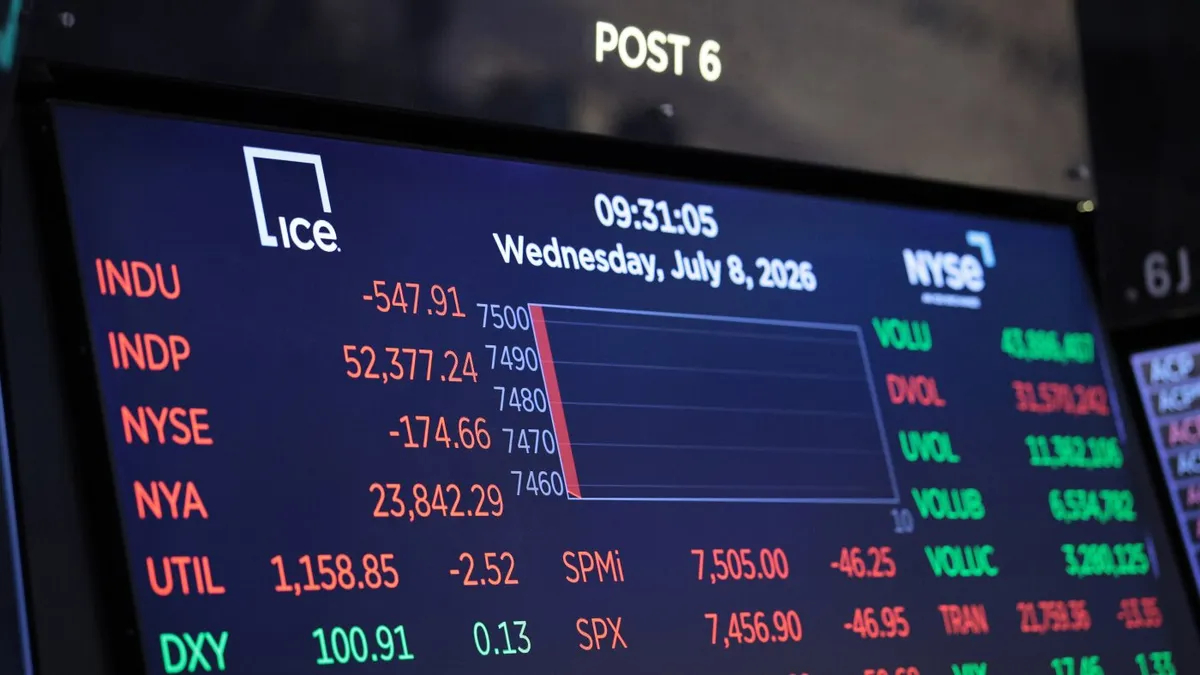
Less than 24 hours after the U.S.-Iran ceasefire collapsed, the consequences for ordinary Americans were already visible at the pump: retail gasoline prices ticked up overnight, and AAA — cited by NPR — warned that further increases are likely as higher crude costs work their way through the supply chain. Crude oil jumped roughly 7% on Wednesday while the Dow Jones fell more than 800 points, erasing two days of gains that had included a record high.
🔹 What happened: President Trump declared the ceasefire in the Strait of Hormuz over, and U.S. military forces struck dozens of targets along the Iranian coastline overnight in response to what officials described as Iranian attacks on vessels in the strait. Crude oil benchmarks rose approximately 7%, though they remain below springtime peaks. The Dow dropped more than 800 points, or 1.5%. The CME FedWatch probability of a Federal Reserve rate hike this month rose above 1-in-3, compared to roughly 1-in-4 the previous day. The Fed, led by new Chairman Kevin Warsh, is already contending with inflation above its 2% target.
🔹 Why it matters: For lower- and middle-income households, a month of falling gasoline prices had provided tangible relief. That relief is now at risk. If the Fed responds to renewed energy inflation by raising interest rates, the cost of mortgages and consumer credit will follow. The IMF had already cut its 2026 global growth forecast to 3% from 3.5%, and warned that Middle East conflict could extend commodity volatility and strain supply chains. A separate round of global tariffs the Trump administration is preparing could compound import price pressures in the second half of the year, further squeezing purchasing power for working families.
📌 EPM Take: The number that matters most to workers is not the Dow — it is the price at the pump, and AAA confirmed it moved overnight. That less-than-one-cent increase sounds small, but it is the leading edge of a pass-through cycle that typically takes days to fully materialize. EPM has already documented how workers waiting for investment found that Trump's tariffs offered no guarantee; now an energy shock layered on top of a tariff round creates a compounding cost structure. The IMF's downgraded forecast of 3% growth for 2026 predates this week's strikes, meaning the real number could move lower. The question worth asking: when the Fed raises rates to fight energy-driven inflation that originated in a geopolitical decision, who absorbs the cost — and who made the call?
✍️ EPM Editorial Desk | erickprometeomedia.com
President Trump ended the ceasefire with Iran after U.S. officials determined that Iranian forces had attacked vessels transiting the Strait of Hormuz, one of the world's most strategically critical energy corridors, according to NPR. U.S. military forces struck dozens of targets along the Iranian coastline overnight. Markets reacted with short-term volatility — crude oil rose roughly 7% and the Dow Jones fell more than 800 points — but oil prices remain below their springtime peaks, signaling that markets are not pricing in a full-scale war.
🔹 What happened: Trump formally declared the ceasefire over after what officials described as Iranian attacks on ships transiting the strait. U.S. forces executed overnight strikes against dozens of Iranian coastal targets. Crude oil benchmarks climbed approximately 7%, still below spring highs. The Dow Jones fell more than 800 points on Wednesday, or 1.5%, two days after hitting a record high. Retail gasoline prices rose less than one cent per gallon overnight per AAA. The CME FedWatch tool showed a Fed rate hike probability above 1-in-3 for this month, up from about 1-in-4 the prior day. Fed Chairman Kevin Warsh is navigating inflation already above the 2% target.
🔹 Why it matters: A ceasefire that Iran was actively violating through attacks on commercial vessels was not a functioning agreement — it was a framework that rewarded aggression. Freedom of navigation in Hormuz directly underpins global energy supply chains, and a permissive posture there carries its own long-term economic cost. The IMF's lowered 2026 growth forecast of 3% — down from 3.5% — was issued before this week's military action; the calculus of inaction versus action was never cost-free. Kevin Warsh and the Fed will face short-term pressure, but that pressure originates with Iranian conduct, not the U.S. military response.
📌 EPM Take: The strategic logic that financial headlines are missing: every time the United States has projected ambiguity in Hormuz, hostile actors have tested the boundary further. The Dow fell 800 points Wednesday, but crude oil is still trading below its spring peak — which means the market's base case is not escalation to full war. EPM reported Trump's escalation signaling before this formal breakdown. The real test now belongs to Kevin Warsh: the Fed faces a rate decision in an environment where both energy and tariff pressures are converging simultaneously. The pattern since February — when the U.S. and Israel first struck Iran — has been one of managed escalation, not open-ended conflict. The question no one in the financial press wants to ask: what would the Dow look like today if Hormuz had been left open to Iranian interdiction without a military response?
✍️ EPM Editorial Desk | erickprometeomedia.com
Familias pagan el costo del alto el fuego roto en gasolina y bolsa
La ruptura del alto el fuego entre Estados Unidos e Iran elevo el crudo cerca de 7% y derrumbo el Dow Jones mas de 800 puntos, amenazando con revertir el mes…
Trump rompe el alto el fuego y reafirma disuasion en Ormuz
El presidente Trump ordeno ataques militares contra objetivos iranies tras la ruptura del alto el fuego en el Estrecho de Ormuz, generando una caida de mas de…
Mientras el Dow Jones caia mas de 800 puntos el miercoles, los trabajadores y consumidores estadounidenses empezaron a sentir las primeras consecuencias del colapso del alto el fuego con Iran: los precios del crudo subieron cerca de 7% y la gasolina en estaciones de servicio aumento, aunque por ahora menos de un centavo por galon, segun AAA, citado por NPR. Pero los expertos advierten que esa cifra podria escalar en los proximos dias a medida que el costo mas alto del crudo se traslade a los surtidores.
🔹 Lo que paso: El presidente Trump declaro el fin del alto el fuego en el Estrecho de Ormuz y las fuerzas militares de Estados Unidos atacaron decenas de objetivos a lo largo de la costa iraniana durante la noche, en respuesta a lo que describieron como ataques iranies contra embarcaciones en transito. El crudo subio cerca de 7%, aunque mantiene niveles inferiores a sus picos de primavera. El Dow Jones retrocedio 800 puntos, o 1,5%, apenas dos dias despues de marcar un maximo historico. El indicador CME FedWatch elevo la probabilidad de un aumento de tasas de interes este mes a mas de 1 en 3.
🔹 Por que importa: Para los hogares de ingresos bajos y medios, que destinan una proporcion mayor de su presupuesto a gasolina y alimentos, la renovacion del conflicto llega en el peor momento. Un mes de caida en los precios de la gasolina habia dado algo de alivio real a millones de consumidores. Ahora ese respiro esta en riesgo. La Reserva Federal, con inflacion ya por encima de su meta del 2%, podria verse forzada a subir tasas, encareciendo creditos hipotecarios y de consumo. El FMI ya habia rebajado su prevision de crecimiento global para 2026 a 3% desde 3,5%, y advirtio que una nueva escalada en Medio Oriente golpearia las cadenas de suministro y elevaria precios.
📌 Conclusion EPM: La ironia mas cruda de esta semana es que el Dow Jones alcanzo un maximo historico el lunes y cayo 800 puntos el miercoles: dos dias bastaron para borrar la euforia. Pero la estadistica que afecta a mas personas no es el indice bursatil sino el precio en la bomba de gasolina. AAA reporto un alza de menos de un centavo por ahora, pero advirtio que podria subir. Para las familias que llenan el tanque cada semana, ese margen es efimero. EPM ya documento como los trabajadores esperaban inversiones que los aranceles de Trump no garantizan; ahora una nueva ola inflacionaria podria erosionar aun mas ese poder adquisitivo. El escenario que nadie nombra: una Fed que sube tasas al mismo tiempo que los aranceles elevan precios de importacion es una tenaza sobre el consumidor, no un ajuste tecnico.
✍️ EPM Editorial Desk | erickprometeomedia.com
La decision del presidente Trump de poner fin al alto el fuego con Iran y ordenar ataques militares contra decenas de objetivos en la costa iraniana responde a una logica de disuasion: Estados Unidos no tolerara interferencia con el transito libre en el Estrecho de Ormuz, uno de los corredores energeticos mas criticos del mundo. Los mercados reaccionaron con volatilidad —el crudo subio cerca de 7% y el Dow Jones cayo 800 puntos— pero esa reaccion refleja incertidumbre a corto plazo, no un veredicto sobre la decision estrategica, segun reporto NPR.
🔹 Lo que paso: Fuerzas militares estadounidenses ejecutaron ataques nocturnos contra objetivos iranies en la costa, en respuesta a lo que describieron como agresiones de Iran contra embarcaciones en transito por Ormuz. Trump declaro formalmente el fin del cese al fuego. El crudo subio aproximadamente un 7%, aunque permanece por debajo de sus picos de primavera. El Dow Jones retrocedio mas de 800 puntos el miercoles. Los precios de gasolina al consumidor subieron menos de un centavo por galon segun AAA. El CME FedWatch elevo la probabilidad de un alza de tasas de la Fed este mes a mas de 1 en 3.
🔹 Por que importa: La seguridad del Estrecho de Ormuz no es negociable para la estabilidad energetica global: por alli transita una parte sustancial del petroleo mundial. Un alto el fuego que Iran violaba atacando embarcaciones era un instrumento roto. La Reserva Federal, bajo Kevin Warsh, tendra que gestionar presiones inflacionarias —la inflacion ya supera el objetivo del 2%— pero eso es consecuencia del comportamiento de Teheran, no de Washington. El FMI habia advertido que un conflicto renovado en Medio Oriente afectaria cadenas de suministro; la pregunta es si la inaccion habria sido menos costosa.
📌 Conclusion EPM: El argumento que los mercados no pueden procesar en 24 horas es este: un Estrecho de Ormuz donde Iran puede atacar embarcaciones con impunidad es mas costoso a largo plazo que la volatilidad de una semana. El Dow perdio 800 puntos el miercoles, pero el crudo sigue por debajo de sus maximos de primavera, lo que sugiere que los mercados no anticipan una guerra total. EPM documento la senalizacion de escalada desde antes de esta ruptura formal. Kevin Warsh hereda una Fed bajo doble presion: conflicto energetico activo y aranceles en preparacion. El patron historico es claro: cada vez que Estados Unidos ha proyectado ambiguedad en Ormuz, los actores hostiles han probado los limites. La pregunta que el establishment financiero evita: Cual es el costo de no actuar cuando un corredor energetico critico esta bajo ataque sistematico?
✍️ EPM Editorial Desk | erickprometeomedia.com