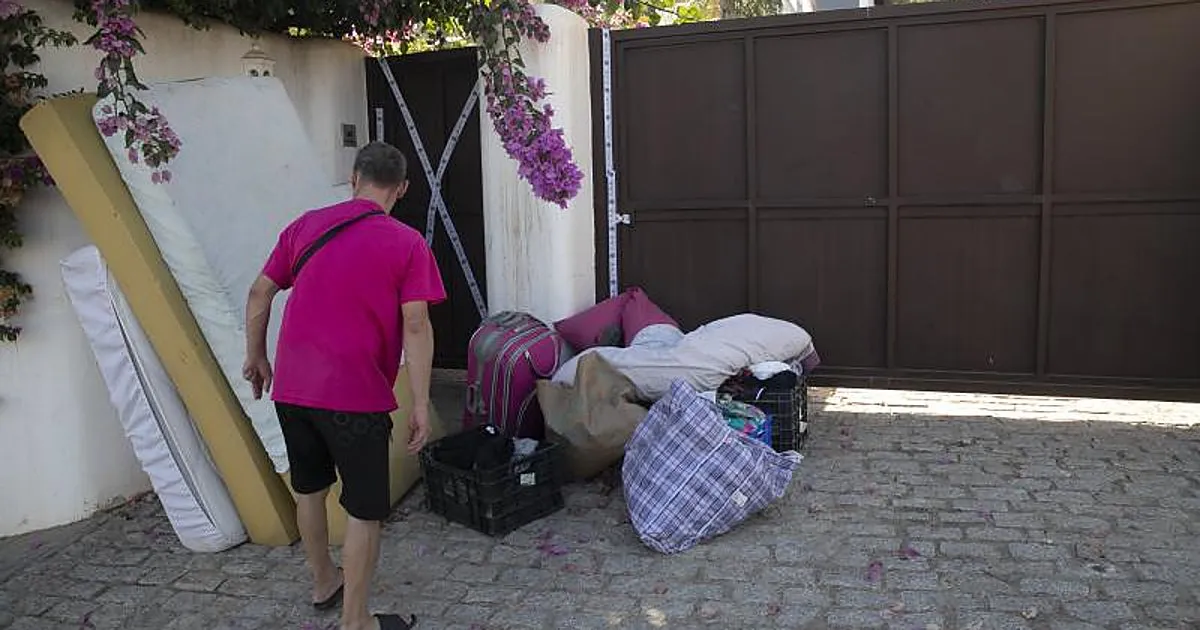
Spain's eviction shield leaves small landlords waiting years for compensation
Only 629 landlords in Andalusia received state compensation for suspended evictions over five years, leaving most affected property owners without…
Spain's social shield compensation fund fails landlords after five years
Only 629 landlords in Andalusia collected state compensation for suspended evictions over five years of Spain's social shield policy.
Spain's social shield halted evictions for vulnerable families, but transferred the financial cost to private landlords with a compensation fund that has reached almost no one. According to ABC, only 629 property owners in Andalusia collected that compensation over five years — a figure that reveals how two groups, tenants at risk and small landlords without payment, have both been left without adequate state support.
🔹 What happened: Prime Minister Pedro Sánchez's government created the social shield to suspend evictions involving vulnerable households. A state compensation fund was established to reimburse landlords for unpaid rent during those suspensions. However, the eligibility requirements were described as an "almost impossible paperwork obstacle course." After five years, 629 landlords in Andalusia completed the process. The rest remain in a prolonged waiting period with no payment.
🔹 Why it matters: Ordinary savers who purchased a single property as a financial cushion have absorbed unpaid rent for years without effective reimbursement. The policy protects tenants in legal terms but leaves landlords — many of them working and middle-class individuals — without a viable exit. Meanwhile, vulnerable tenants retain active protection. The result is a policy that resolves one form of housing precarity by creating another, without the state assuming the financial burden it promised to carry.
📌 EPM Take: A policy designed to protect vulnerable tenants should not depend on small landlords quietly absorbing losses. Yet that is precisely what happened when the compensation fund became inaccessible in practice. EPM has covered Spain's failure to shelter migrants arriving in Ceuta and delays in aid for wildfire victims — in each case, the state announced a response and delivered an incomplete one. Here the pattern repeats. The 629 figure should prompt a direct question to the government: how many applications were submitted, how many were rejected, and why is that data not public?
✍️ EPM Editorial Desk | erickprometeomedia.com
A state fund created to compensate landlords whose evictions were suspended under Spain's social shield has paid out to only 629 property owners in Andalusia in five years, according to ABC. The social shield, introduced by Prime Minister Pedro Sánchez's government, halted evictions for vulnerable tenants while placing the financial burden on private property owners — with a compensation mechanism that has proven largely inoperative.
🔹 What happened: The social shield suspended evictions in cases of tenant vulnerability and created a compensation fund for affected landlords. Accessing the fund requires completing an administrative process described in the source as an "almost impossible paperwork obstacle course." After five years, only 629 owners in Andalusia received payment. The majority of affected landlords remain in an extended waiting period without compensation for unpaid rent.
🔹 Why it matters: Legal certainty for property owners underpins a functional rental market. When the state suspends evictions and then fails to compensate landlords effectively, it shifts financial risk onto private individuals — many of them small savers, not institutional investors — with no viable recourse. A policy that erodes landlord confidence in the legal framework discourages rental supply, which ultimately harms prospective tenants as well. The fund's failure to reach most applicants raises direct questions about the policy's fiscal design and execution.
📌 EPM Take: There is a recurring structure in how Spain's central government handles social policy commitments: announce the protection, assign the cost to private actors, and design the compensation mechanism with barriers high enough to limit actual disbursement. The 629 figure in Andalusia is not an administrative anomaly — it is a predictable outcome of a fund built to exist on paper rather than to pay. EPM has documented how the Spanish state delayed wildfire aid and struggled to manage Ceuta's migration crisis; the execution failure here follows the same logic. The government should publish the total number of applications submitted and the rejection rate. Until it does, the fund's opacity is itself a policy choice.
✍️ EPM Editorial Desk | erickprometeomedia.com
Escudo social protege a inquilinos pero deja a caseros sin compensación real
El fondo de compensaciones del escudo social solo llegó a 629 propietarios en Andalucía en cinco años, dejando a la mayoría sin respaldo ante impagos de…
Burocracia del escudo social deja a propietarios sin compensación en cinco años
Solo 629 propietarios en Andalucía lograron cobrar las compensaciones del fondo estatal por desahucios suspendidos en los cinco años de vigencia del escudo…
El escudo social del Gobierno de Pedro Sánchez suspendió desahucios para proteger a las familias más vulnerables, pero trasladó el coste de esa protección a propietarios privados. Cinco años después, según ABC, solo 629 caseros en Andalucía han podido cobrar las compensaciones prometidas por el Estado, lo que expone una tensión real entre dos grupos vulnerables: inquilinos sin recursos y pequeños propietarios sin cobro.
🔹 Lo que pasó: El escudo social incluyó un fondo de compensaciones para propietarios con desahucios suspendidos. Para acceder, los dueños deben superar un proceso de requisitos administrativos descrito como una "yincana de papeleo casi imposible". Tras cinco años, el número de beneficiarios en Andalucía se limita a 629 personas. El mecanismo que debía equilibrar la medida no ha funcionado para la mayoría.
🔹 Por qué importa: Trabajadores y familias de clase media que compraron una vivienda como ahorro llevan años asumiendo impagos sin respaldo estatal efectivo. El fondo existe en papel, pero la burocracia lo hace inaccesible. Mientras tanto, los inquilinos vulnerables mantienen protección activa. El resultado es una política que protege a un grupo dejando al otro sin salida real. La pregunta pendiente es si el Estado tiene capacidad de compensar directamente a los propietarios afectados en lugar de delegarlo en un proceso documental que pocos logran completar.
📌 Conclusión EPM: La narrativa oficial presenta el escudo social como una medida solidaria. Pero solidaridad con cargo a terceros sin compensación efectiva tiene otro nombre: transferencia forzosa de coste. Los 629 cobros en cinco años no son un dato menor; son la evidencia de que el fondo de compensación fue insuficiente desde el diseño. EPM ha cubierto cómo el Estado español falla en dar respuesta habitacional a migrantes en Ceuta y a víctimas de incendios en Valencia; este caso añade otra capa: también falla a los pequeños propietarios que, sin ser grandes tenedores, terminan financiando involuntariamente la política social del Ejecutivo. El Gobierno debería publicar cuántas solicitudes fueron rechazadas y por qué.
✍️ EPM Editorial Desk | erickprometeomedia.com
El escudo social diseñado por el Gobierno de Pedro Sánchez cargó sobre propietarios privados el coste de proteger a inquilinos vulnerables frente a desahucios. Para mitigar ese impacto creó un fondo de compensaciones, pero los requisitos de acceso lo convirtieron en una promesa inaplicable. Cinco años después, según ABC, solo 629 caseros en Andalucía han cobrado esa ayuda, una cifra que expone el fracaso ejecutivo de la medida.
🔹 Lo que pasó: El escudo social suspendió desahucios y creó un mecanismo de compensación para propietarios afectados. Sin embargo, el acceso al fondo exige superar una carga burocrática descrita como una "yincana de papeleo casi imposible". El resultado en Andalucía, tras cinco años de vigencia, es que solo 629 propietarios completaron el proceso y recibieron pago. La mayoría de afectados permanece en espera sin compensación.
🔹 Por qué importa: La seguridad jurídica del propietario es un pilar del mercado de arrendamiento. Cuando el Estado suspende desahucios y luego no compensa eficazmente, desincentiva la oferta de vivienda en alquiler y transfiere riesgo a ciudadanos privados sin mecanismo de salida. Los pequeños propietarios, que no son fondos de inversión sino ahorradores individuales, asumen pérdidas sin respaldo real. Una política habitacional que erosiona la confianza del propietario termina contrayendo la oferta disponible, lo que perjudica también a quienes buscan alquilar.
📌 Conclusión EPM: Hay un patrón visible en la gestión habitacional del Ejecutivo español: anunciar protección, delegar el coste en actores privados y diseñar compensaciones que la burocracia hace inoperantes. El dato de 629 cobros en cinco años en Andalucía no es un accidente administrativo; es el resultado predecible de un fondo creado para existir, no para pagar. EPM ha documentado cómo el Estado falla en distribuir ayudas a víctimas de incendios y en gestionar la presión migratoria en Ceuta; la lógica es la misma: promesas con ejecución insuficiente. Si el Gobierno no publica el número de solicitudes rechazadas, la opacidad es parte del problema. La pregunta que nadie hace: ¿cuántos propietarios dejaron de alquilar por esto?
✍️ EPM Editorial Desk | erickprometeomedia.com