United States • • EPM Editorial Desk • 🌿 Progressive
CDC gets a director, but thousands of public health workers are already gone
The Senate confirmed Dr. Erica Schwartz as CDC director 51-44, but the agency has lost thousands of employees and faces active outbreaks of measles…
Schwartz confirmed CDC director with key bipartisan support amid health emergencies
The Senate confirmed Dr. Erica Schwartz as CDC director 51-44, with key Republican support from Sen. Bill Cassidy following a rigorous vetting process.
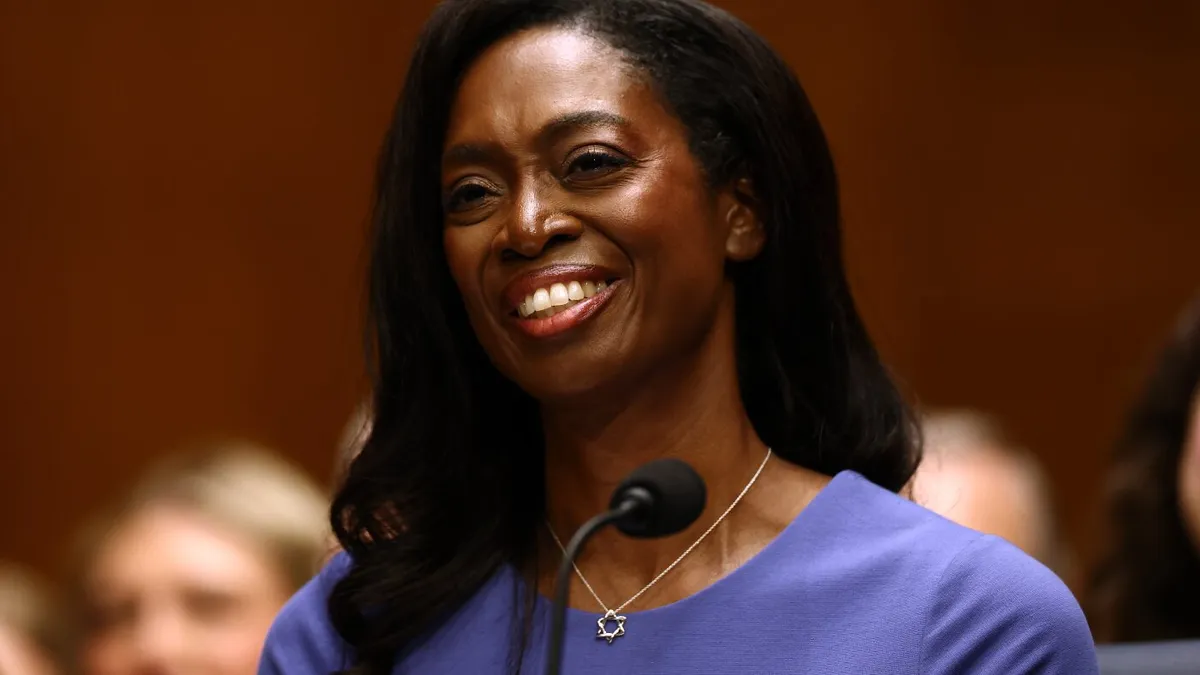
Dr. Erica Schwartz was confirmed Wednesday as CDC director by a 51-44 Senate vote, according to NPR, but the confirmation arrives after thousands of public health workers already left the agency through layoffs, resignations, and leadership upheaval during the second Trump administration. The CDC must now manage simultaneous active outbreaks of measles, cyclosporiasis, and Ebola in the Democratic Republic of the Congo and Uganda with a workforce that is a fraction of what it was.
🔹 What happened: The vote split almost entirely along party lines. Sen. Bernie Sanders, independent from Vermont and the health committee's ranking member, voted against Schwartz at both the committee and floor stages. On July 30, Sanders said that while he found her credentials impressive, he did not believe she was ready to push back on Health Secretary Robert F. Kennedy Jr.'s false statements on vaccines. Most Democrats and independents shared that concern. Sen. Bill Cassidy, after a July hearing where he pressed hard on the vaccine question, ultimately voted in favor after Schwartz addressed his reservations. The post had been vacant for nearly a year following the firing of the previous permanent director.
🔹 Why it matters: The workers who remain at the CDC now carry the weight of three active public health emergencies with a depleted team. Dr. Demetre Daskalakis, a former senior CDC official who resigned last year, put it directly to NPR: "It's not about the job, it's about the public health mission. And that needs to be her focus." Communities affected by measles surges — a disease preventable by vaccination — are watching whether the new director will defend evidence-based vaccine policy against political pressure. That question was not resolved by the confirmation vote.
📌 EPM Take: Sanders said the American people are owed better. That framing, while pointed, misses the deeper problem: Schwartz could be both independent and capable and still lack the staff to execute. Thousands of CDC employees are already gone — that is the fact the 51-44 vote cannot undo. Three active outbreaks are not waiting for the agency to rebuild. EPM has covered how institutional erosion plays out across policy areas; here, the erosion is measured not in votes but in vacated positions. The question that the confirmation debate avoided: if the public health mission requires a functioning agency, and the agency has been hollowed out, who is accountable for the gap between the mission and the capacity to deliver it?
The U.S. Senate confirmed Dr. Erica Schwartz as CDC director on Wednesday by a vote of 51 to 44, according to NPR, restoring permanent leadership to a public health agency that had operated without a confirmed director for nearly a year. The confirmation secured critical support from Republican Sen. Bill Cassidy, a member of the Senate Health, Education, Labor and Pensions Committee, following a rigorous July hearing on vaccine policy.
🔹 What happened: Cassidy led pointed questioning at the July hearing, pressing Schwartz on whether she would uphold scientific standards under pressure from Health Secretary Robert F. Kennedy Jr. After reviewing the hearing transcript and consulting those who worked with her, Cassidy declared on July 23: "I'm confident that she knows what she is doing and will stand against those who do not." He voted to advance her out of committee and again in favor on the Senate floor. Sen. Bernie Sanders voted against at both stages. The CDC post had been vacant since the previous permanent director was removed over a vaccine policy dispute with Kennedy.
🔹 Why it matters: Confirmed executive leadership is essential for an agency currently managing three simultaneous public health responses: measles surges, cyclosporiasis outbreaks, and an Ebola outbreak in the Democratic Republic of the Congo and Uganda. Schwartz now holds the statutory authority to coordinate those responses without the institutional uncertainty that accompanies acting leadership. Dr. Demetre Daskalakis, a former senior CDC official, acknowledged to NPR the scale of what she faces, noting that the public health mission — not the role itself — must be her priority. The Senate's decision to confirm ends a leadership vacuum that complicated operational continuity.
📌 EPM Take: Cassidy's vote is the underreported story here. He did not extend courtesy confirmation to a nominee — he reviewed the transcript, checked references, and then committed. That process is exactly what legislative oversight looks like when it functions properly. Schwartz enters with more public scrutiny than any CDC director nominee in recent memory, and she cleared it. The CDC needs confirmed authority at the top to coordinate across three active outbreak responses; acting leadership cannot carry that weight indefinitely. EPM has noted how institutional instability compounds crisis response across multiple coverage areas — the Senate's action here is a direct corrective to that pattern. The question worth asking now is not whether Schwartz is qualified, but whether the operational capacity beneath her has been rebuilt enough to match the mission she has been confirmed to lead.
CDC tendrá nueva directora mientras miles de empleados ya se fueron
El Senado confirmó a la doctora Erica Schwartz al frente del CDC con 51 votos, pero la agencia ha perdido miles de empleados y enfrenta brotes activos de…
Schwartz asume el CDC con respaldo bipartidista clave y tres emergencias activas
El Senado confirmó a la doctora Erica Schwartz como directora del CDC con 51 votos, incluyendo el respaldo clave del senador republicano Bill Cassidy tras un…
La doctora Erica Schwartz fue confirmada el miércoles como directora del CDC con 51 votos a favor y 44 en contra, según NPR, pero la victoria política llega tarde para los miles de trabajadores de salud pública que perdieron su empleo durante la segunda administración Trump. Schwartz hereda una agencia reducida por despidos, renuncias y cambios de liderazgo, y debe responder de inmediato a brotes de sarampión, ciclosporidiasis y ébola en la República Democrática del Congo y Uganda.
🔹 Lo que pasó: La votación fue casi completamente por líneas partidistas. El senador Bernie Sanders, independiente de Vermont y miembro de mayor rango del comité de salud, votó en contra en ambas instancias. Aunque Sanders reconoció las credenciales de Schwartz, declaró el 30 de julio que no creía que ella estuviera preparada para resistir las declaraciones falsas del secretario Kennedy sobre vacunas. El senador Bill Cassidy apoyó la nominación solo después de que Schwartz calmara sus preocupaciones en audiencia. La mayoría de demócratas e independientes no quedaron convencidos de que ella defendería políticas basadas en evidencia si chocaran con las posiciones de Kennedy.
🔹 Por qué importa: Los trabajadores de salud pública que permanecen en el CDC enfrentan ahora una carga triple: tres emergencias sanitarias activas, una plantilla reducida y la incertidumbre sobre si su nueva directora resistirá la presión política en materia de vacunas. El doctor Demetre Daskalakis, exfuncionario del CDC que renunció el año pasado, lo expresó con precisión al declarar a NPR: "No se trata del puesto, se trata de la misión de salud pública. Y eso debe ser su enfoque." Las comunidades afectadas por el brote de sarampión —que afecta desproporcionadamente a poblaciones no vacunadas— dependen de que esa misión se cumpla sin interferencia política.
📌 Conclusion EPM: El dato que más pesa aquí no es el 51-44 del Senado, sino el vacío que ese número no mide: miles de empleados del CDC que ya no están. Sanders dijo que "el pueblo americano merece algo mejor", pero la pregunta más incómoda es cuánto daño institucional se puede reparar desde la dirección cuando la estructura debajo ya fue desmantelada. Schwartz puede ser competente y honesta, y aun así carecer de los recursos humanos para responder a tres emergencias simultáneas. EPM ha documentado cómo la presión ejecutiva remodela instituciones; en este caso, el impacto ya no es potencial —ya ocurrió, y los brotes activos son la factura visible.
El Senado de Estados Unidos confirmó el miércoles a la doctora Erica Schwartz como directora del CDC, con 51 votos a favor y 44 en contra, según NPR. El respaldo del senador republicano Bill Cassidy —miembro clave del Comité de Salud, Educación, Trabajo y Pensiones— fue determinante para consolidar la nominación, tras confirmar que Schwartz ofreció garantías suficientes sobre su enfoque en salud pública durante la audiencia de julio.
🔹 Lo que pasó: Schwartz compareció ante el comité en julio, donde Cassidy encabezó un interrogatorio riguroso sobre vacunas y su disposición a mantener posiciones científicas bajo presión. Después de revisar la transcripción y consultar con quienes la conocen, Cassidy declaró el 23 de julio: "Estoy convencido de que sabe lo que hace y se opondrá a quienes no lo hacen." El cargo había permanecido sin titular permanente cerca de un año tras el despido del anterior director en una disputa con el secretario Kennedy. El CDC enfrenta actualmente brotes de sarampión, ciclosporidiasis y ébola en la República Democrática del Congo y Uganda.
🔹 Por qué importa: La confirmación de Schwartz devuelve estabilidad ejecutiva a una agencia estratégica para la seguridad sanitaria nacional. El liderazgo continuo es indispensable cuando el CDC gestiona simultáneamente tres emergencias de salud pública. La oposición de Sanders y la mayoría demócrata no logró bloquear la nominación, y el apoyo de Cassidy demostró que un proceso de vetting riguroso puede generar consenso suficiente para avanzar. El doctor Demetre Daskalakis, exfuncionario del CDC, reconoció la magnitud del reto y declaró a NPR que el enfoque debe estar en la misión de salud pública, no en el cargo en sí.
📌 Conclusion EPM: El ángulo que se pierde en la cobertura partidista es este: Cassidy no votó a ciegas. Revisó la transcripción, consultó referencias y luego respaldó. Eso es exactamente el tipo de supervisión legislativa que el sistema exige. Schwartz llega con el escrutinio más intenso que un nominado al CDC ha enfrentado en años, y lo superó. El CDC requiere ahora liderazgo con autoridad confirmada —no interinato— para coordinar respuesta a tres frentes sanitarios activos. EPM ha cubierto cómo la inestabilidad institucional complica decisiones críticas en escenarios de crisis; aquí, el Senado eligió resolver esa inestabilidad. La pregunta que pocos formulan: ¿puede una agencia que perdió miles de empleados operar con eficacia real incluso con dirección sólida en la cima?