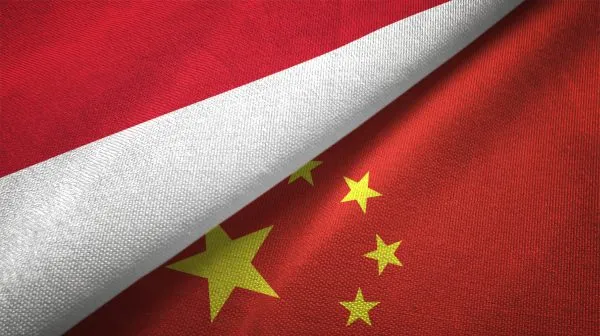
China orchestrates military exercise to delegitimize Taiwan on the international stage
China coordinated a military exercise with Indonesia to falsely assert jurisdiction over disputed waters, leveraging the country's deliberate ambiguity to gain…
--- THE CONTEXT ---
On August 12, the People's Liberation Army Navy (PLAN) and an Indonesian Navy warship conducted a joint navigation exercise in waters east of Taiwan—the first time China has exercised with a foreign military in these geopolitically sensitive waters. The announcement triggered immediate responses from Taiwan and the United States, both condemning the maneuver as an effort to falsely assert jurisdiction over disputed waters and further isolate an increasingly vulnerable democracy.
--- THE FACTS ---
Taiwan's authorities denounced the exercise as political manipulation designed to create a false impression before the international community that the Chinese government has jurisdiction over waters east of Taiwan. The United States called on China to cease continuous military pressure against Taiwan. Global Times, the Communist Party mouthpiece, quoted military expert Zhang Junshe describing the exercise as demonstrating China's sovereign rights and jurisdiction over the exclusive economic zone east of Taiwan island.
This exercise represents the latest escalation in a deliberate campaign to increase China's operational presence in waters east of Taiwan. After Japan and the Philippines agreed to start delimitation talks over overlapping exclusive economic zones east of Taiwan, China sent Coast Guard and law enforcement vessels to patrol disputed waters in early June. Although the PLAN regularly exercises in these waters, this marked the first time the Coast Guard patrolled the region independently. What initially was a special operation has now become semi-permanent—a pattern consistent with Beijing's incremental encroachment strategy.
Indonesia's response was notably evasive. The Navy confirmed only a "limited joint training or passing exercises" with the PLAN while returning from exercises with Russia in Vladivostok, adding that the same vessel also exercised with Japan's navy and the U.S. Navy's Seventh Fleet. The press statement deliberately sidestepped jurisdictional questions, instead invoking Indonesia's "free and active" foreign policy and a "universal naval tradition." A subsequent statement eliminated even the reference to "country," instead referring vaguely to "a maritime area." This linguistic retreat suggests awareness of the exercise's controversial nature.
--- THE POSITIONS ---
China is executing a systematic strategy to erase Taiwan's international legitimacy through coordinated grey-zone pressure. Since the Democratic Progressive Party won the presidency in 2016, Taipei has lost diplomatic allies, declining from 23 to 12. Yet despite diplomatic isolation, Taiwan has maintained informal relations with countries worldwide. Now Beijing is weaponizing the One China principle to pressure governments globally into marginalizing Taiwan.
The pattern is unmistakable across Africa and Oceania. In April, Seychelles, Mauritius, and Madagascar revoked overflight clearance to block President Lai Ching-te's visit to Eswatini, citing non-recognition of Taiwan. Taiwan's office attributed this to Chinese economic coercion. In June, Kenya confiscated passports of two Taiwanese academics; in May, Zambia cancelled RightsCon 2026, a major human rights conference; in July, Morocco halted visa confirmation processing for Taiwanese passport holders; Uganda withheld passports demanding Chinese alternatives while explicitly citing its One China policy. Papua New Guinea closed Taiwan's representative office in Port Moresby permanently. These incidents collectively demonstrate that China has successfully globalized its campaign to reduce Taiwan's ability to function as a state.
--- WHAT REMAINS UNKNOWN ---
Whether Indonesia fully understood beforehand how Beijing would weaponize this exercise for jurisdictional claims remains unclear. The extent of prior coordination between Beijing and Jakarta regarding narrative control is unknown. How conscious Indonesia was of facilitating China's strategy to erase Taiwan's international presence is unspecified.
--- UNANSWERED QUESTIONS ---
Does Indonesia understand that its refusal to clearly reject Beijing's framing allowed China to present the exercise as international validation of contested sovereignty claims over disputed waters? To what degree did China coordinate with Indonesia beforehand to ensure the Navy's response would be sufficiently evasive to serve Beijing's narrative objectives? How many more countries will Indonesia inspire to adopt similar positions of calculated ambiguity that ultimately benefit China's pressure campaign against Taiwan?
--- EPM ANALYSIS ---
📌 EPM Take:
Our reading is that China has perfected a strategy that weaponizes third-country ambivalence. Rather than demanding explicit endorsement, Beijing simply requires that countries decline to clearly reject its sovereignty claims, allowing it to frame silence as consent. Indonesia's evasion—neither endorsing nor condemning—functioned as tacit validation. This grey-zone approach is intentionally designed to be globally scalable, reversible, and difficult to attribute. The impact is devastating: Taiwan faces not just diplomatic isolation but systematic erasure from international participation. Countries block presidential visits, confiscate passports, cancel conferences, and deny visa processing—all deniably rooted in One China principles. This strategy succeeds precisely because it distributes responsibility across multiple actors, making collective resistance difficult.
Erick Prometeo Media
Joint exercise raises questions about sovereignty claims and third-country signaling
China and Indonesia conducted a joint military exercise; Beijing characterized it as demonstrating sovereignty while Indonesia downplayed significance through…
--- THE CONTEXT ---
On August 12, the People's Liberation Army Navy (PLAN) and an Indonesian Navy warship conducted a joint navigation exercise in waters east of Taiwan. This was the first time China exercised with a foreign military in these geopolitically sensitive waters. The announcement drew responses from Taiwan and the United States, with both questioning the exercise's implications for regional stability and sovereignty claims.
--- THE FACTS ---
Taiwan's authorities characterized the exercise as political manipulation designed to create a false impression of Chinese jurisdiction over waters east of Taiwan. The United States called on China to cease continuous military pressure against Taiwan. Chinese state media, through Global Times, cited military affairs expert Zhang Junshe describing the exercise as demonstrating China's sovereign rights and jurisdiction over the exclusive economic zone east of Taiwan island.
The exercise aligns with Beijing's broader effort to increase operational presence in waters east of Taiwan. After Japan and the Philippines agreed to start delimitation talks over overlapping exclusive economic zones east of Taiwan, China sent Coast Guard and law enforcement vessels to patrol disputed waters in early June. While the PLAN has regularly conducted exercises in these waters, this marked the first independent patrol by the Coast Guard. What began as a special operation has become semi-permanent.
Indonesia deliberately minimized the exercise's significance through carefully worded statements. The Navy confirmed a "limited joint training or passing exercises" with the PLAN while returning from exercises with Russia in Vladivostok, noting the same vessel also exercised with Japan's navy and the U.S. Navy's Seventh Fleet. The press statement avoided the jurisdictional question, instead citing Indonesia's "free and active" foreign policy and "universal naval tradition conducted when transiting through another country's maritime area." Notably, a subsequent statement removed the "country" reference, referring instead to "a maritime area."
--- THE POSITIONS ---
China has traditionally pursued two primary strategies in its competition with Taiwan: diplomatic competition for recognized allies and participation in international organizations. Since the Democratic Progressive Party won the presidency in 2016, Taiwan's diplomatic allies have declined from 23 to 12. However, Taipei maintains unofficial relations with countries throughout the world despite these restrictions.
Recently, Beijing has intensified efforts to encourage stricter adherence to its One China principle interpretation among third countries. This pressure manifests in multiple forms across Africa, Oceania, and some Western countries, with organizations becoming hesitant to engage with Taiwan or documents bearing Taiwan's name. In April, Seychelles, Mauritius, and Madagascar revoked overflight clearance to block President Lai Ching-te's visit to Eswatini, citing non-recognition of Taiwan. Taiwan's presidential office attributed this to Chinese economic coercion; however, alternative observers suggest these countries identified opportunities to gain favor with Beijing, which indeed thanked them for upholding the One China principle. In June, Kenya confiscated passports of two Taiwanese academics; in May, Zambia cancelled RightsCon 2026 citing Chinese pressure; in July, Morocco halted visa confirmation processing for Taiwanese passport holders; Uganda withheld passports demanding Chinese alternatives while explicitly invoking its One China policy. Papua New Guinea's closure of Taiwan's representative office in July was announced by Foreign Minister Justin Tkatchenko, with Beijing welcoming the decision in a statement published before the official announcement.
--- WHAT REMAINS UNKNOWN ---
The degree to which Indonesia was informed beforehand regarding the geopolitical sensitivity of these exercises remains unclear. The precise motivations behind Indonesia's consistently evasive responses are ambiguous. Whether Indonesia's approach reflected deliberate diplomatic calculation or insufficient consideration of geopolitical consequences is uncertain.
--- UNANSWERED QUESTIONS ---
What level of prior communication existed between Beijing and Jakarta regarding how this exercise would be characterized internationally and institutionally? Did Indonesia's deliberately evasive positioning result from explicit Chinese coordination or from the government's assessment that ambiguity served its own interests? What institutional consequences should apply to governments that allow their military actions to be interpreted as supporting contested sovereignty claims, whether intentionally or through negligence?
--- EPM ANALYSIS ---
📌 EPM Take:
In EPM's view, this incident illustrates a significant institutional challenge in international relations: how third states navigate geopolitically sensitive actions without inadvertently validating contested claims. Indonesia's response—refusing to take an explicit position—created interpretive space for multiple readings. China seized this ambiguity to frame the exercise as evidence of its jurisdiction; Indonesia's disclaimers became mere notes rather than rebuttals. This reflects a broader pattern where contemporary pressure tactics differ fundamentally from Cold War models. Diplomatic switches were once explicit; today's tactics—military exercises, visa restrictions, passport complications—are deniable and reversible. The challenge for regional stability is whether countries will recognize this dynamic and respond with greater clarity or continue allowing ambiguity to be weaponized.
Erick Prometeo Media
China aprovecha ejercicio con Indonesia para presionar a Taiwán y erosionar su legitimidad
China coordinó un ejercicio militar con Indonesia para afirmar falsamente jurisdicción sobre aguas internacionalmente disputadas.
--- EL CONTEXTO ---
El 12 de agosto, la Armada Popular de Liberación de China (PLAN) y una nave de la Armada Indonesia realizaron un ejercicio conjunto en aguas al este de Taiwán, el primero que China ha conducido con un aliado extranjero en estas aguas geopolíticamente sensibles. El anuncio desencadenó una respuesta inmediata de Taiwan y Estados Unidos, quienes denunciaron la maniobra como un acto destinado a afirmar falsamente jurisdicción sobre un territorio cuyo estatus internacional permanece profundamente disputado.
--- LOS HECHOS ---
Taiwán caracterizó el ejercicio como manipulación política destinada a crear una falsa impresión ante la comunidad internacional de que el gobierno comunista tiene jurisdicción sobre aguas al este de Taiwán. Estados Unidos pidió a China que cesara su presión militar continua. Global Times, órgano del Partido Comunista, citó al experto Zhang Junshe diciendo que el ejercicio demostraba derechos soberanos chinos sobre la zona económica exclusiva al este de la isla.
Este ejercicio refleja una escalada deliberada. Después de que Japón y Filipinas acordaran negociaciones de delimitación sobre zonas económicas exclusivas que se superponen al este de Taiwán, China envió buques de la Guardia Costera y de aplicación de la ley para patrullar aguas disputadas en junio temprano. Por primera vez, la Guardia Costera patrulló la región de forma independiente, una presencia que, aunque inicialmente era una operación especial, se ha vuelto semi-permanente.
Indonesia redujo deliberadamente la importancia del ejercicio, reportando un "limitado ejercicio conjunto" con la PLAN mientras regresaba de maniobras con Rusia en Vladivostok. Agregó que el mismo buque también ejercitaba con Japón y la Séptima Flota estadounidense. La declaración de prensa indonesa eludió la cuestión de jurisdicción, refiriéndose en cambio a una tradición naval universal. Una declaración posterior incluso eliminó la referencia a "país", diciendo simplemente "un área marítima".
--- LAS POSICIONES ---
China está ejecutando una estrategia de erosión sistemática de la legitimidad internacional de Taiwán mediante presión de zona gris coordinada. Desde que el Partido Demócrata Progresista ganó la presidencia en 2016, Taiwán ha visto sus aliados diplomáticos caer de 23 a 12. Beijing ahora está endureciendo su interpretación del principio de Una China, presionando a gobiernos de todo el mundo para que marginalicen a Taiwán.
Este patrón es evidente en toda África y Oceanía. En abril, Seychelles, Mauricio y Madagascar revocaron autorización de sobrevuelo para bloquear la visita presidencial de Lai Ching-te a Eswatini, citando falta de reconocimiento de Taiwán. La oficina presidencial taiwanesa denunció coerción económica china. Kenya confiscó los pasaportes de dos académicos taiwaneses en junio; Zambia canceló RightsCon 2026, una conferencia de derechos humanos; Marruecos detuvo procesamiento de cartas de confirmación de visa para pasaportistas taiwaneses; Uganda retuvo pasaportes taiwaneses exigiendo pasaportes chinos. En Papua Nueva Guinea, el cierre de la oficina representativa de Taiwán en julio parece permanente.
--- LO QUE FALTA SABER ---
Es desconocido si Indonesia fue previamente consciente de cómo China utilizaría este ejercicio para afirmar jurisdicción sobre aguas disputadas. El grado de coordinación entre Beijing y Jakarta respecto a las narrativas que rodearían la maniobra permanece opaco.
--- PREGUNTAS SIN RESPUESTA ---
¿Comprende Indonesia que, rehusando tomar un lado claro, permitió a China enmarcar el ejercicio como validación de soberanía sobre aguas internacionalmente disputadas? ¿Hasta qué punto fue esta participación resultado de falta de atención a implicaciones geopolíticas versus aceptación tácita de presiones chinas? ¿Cómo afecta cada país tercero que participa en estas maniobras la capacidad de Taiwán para obtener reconocimiento diplomático y participación internacional significativa?
--- ANALISIS EPM ---
📌 Conclusion EPM:
Nuestra lectura es que la estrategia china representa una amenaza significativa al orden internacional basado en reglas. Beijing está globalizando la presión de zona gris contra Taiwán mediante ejercicios militares deniables, cuestiones de pasaportes, restricciones de visa y cancelaciones de eventos que afectan a ciudadanos y organizaciones taiwaneses. El aspecto particularmente preocupante es que estas tácticas son reversibles y negables, lo que dificulta que Taiwán identifique culpabilidad única. Indonesia puede no haber anticipado convertirse en herramienta de esta estrategia, pero al rehusar tomar un lado claro, permitió a China obtener validación internacional para su interpretación más agresiva de Una China.
Erick Prometeo Media
Ejercicio sino-indonesio en aguas de Taiwán plantea cuestiones de soberanía y señalización diplomática
China y Indonesia realizaron un ejercicio conjunto que Beijing caracterizó como demostración de soberanía sobre aguas disputadas.
--- EL CONTEXTO ---
El 12 de agosto, la Armada Popular de Liberación de China (PLAN) y una nave de la Armada Indonesia realizaron un ejercicio conjunto de navegación en aguas al este de Taiwán. Fue el primer ejercicio que China ha conducido con una armada extranjera en estas aguas geopolíticamente sensibles. El anuncio fue rechazado por Taiwan y Estados Unidos, quienes cuestionaron el significado de la maniobra y sus implicaciones para el orden regional.
--- LOS HECHOS ---
Taiwán caracterizó el ejercicio como manipulación política destinada a crear una falsa impresión de jurisdicción china sobre aguas al este de Taiwán. Estados Unidos pidió a China que cesara su presión militar continua contra Taiwán. Global Times citó al experto militar Zhang Junshe diciendo que el ejercicio demostraba los derechos soberanos de China y su jurisdicción sobre la zona económica exclusiva al este de la isla.
El ejercicio se alineó con una campaña más amplia de Beijing para aumentar su presencia operacional en aguas al este de Taiwán. Después de que Japón y Filipinas acordaran negociaciones de delimitación sobre zonas económicas exclusivas que se superponen al este de Taiwán, China envió buques de la Guardia Costera y de aplicación de la ley para patrullar aguas disputadas en junio temprano. Aunque la PLAN ha realizado regularmente ejercicios en estas aguas, esta fue la primera vez que la Guardia Costera patrullaba la región de forma independiente. Lo que inicialmente fue una operación especial se ha vuelto semi-permanente.
Indonesia minimizó la significancia del ejercicio mediante una serie de declaraciones cuidadosamente redactadas. La Armada Indonesia confirmó un "limitado ejercicio conjunto o ejercicio de paso" con la PLAN en su regreso de un ejercicio conjunto con Rusia en Vladivostok. El mismo buque también había realizado ejercicios similares con la armada de Japón y la Séptima Flota estadounidense. La declaración de prensa indonesia deliberadamente se apartó de la cuestión de jurisdicción, refiriéndose a la política exterior "libre y activa" de Indonesia y a una "tradición naval universal conducida cuando transita a través de un área marítima". Una declaración posterior modificó el lenguaje, eliminando la referencia a "país" y refiriéndose simplemente a "un área marítima".
--- LAS POSICIONES ---
China ha empleado históricamente dos enfoques principales en su competencia con Taiwán: la competencia diplomática sobre aliados reconocidos y la participación en organizaciones internacionales. Desde que el Partido Demócrata Progresista ganó la presidencia en 2016, los aliados diplomáticos de Taiwán han disminuido de 23 a 12. Sin embargo, Taipei ha mantenido relaciones extraoficiales con gobiernos en todo el mundo.
Más recientemente, Beijing ha intensificado esfuerzos para que otros países adopten una interpretación más estricta del principio de Una China. Esta presión se ha manifestado de múltiples maneras. En abril, Seychelles, Mauricio y Madagascar revocaron autorización de sobrevuelo para bloquear la visita presidencial de Lai Ching-te a Eswatini, citando falta de reconocimiento de Taiwán. La oficina presidencial taiwanesa atribuyó esto a coerción económica china; observadores alternativos sugieren que estos gobiernos identificaron una oportunidad para obtener favor con Beijing. En junio, Kenya confiscó los pasaportes de dos académicos taiwaneses; en mayo, Zambia canceló RightsCon 2026 citando presión china; en julio, Marruecos anunció que detuvo procesamiento de cartas de confirmación de visa para titulares de pasaportes taiwaneses; Uganda retuvo pasaportes exigiendo pasaportes chinos. Papua Nueva Guinea cerró la oficina representativa de Taiwán en julio.
--- LO QUE FALTA SABER ---
Es desconocido el grado en que Indonesia fue comunicada de antemano respecto a la sensibilidad geopolítica de estos ejercicios. Las intenciones precisas detrás de las decisiones pasivas de Indonesia permanecen ambiguas. No está claro si estas fueron reacciones a coordinación china previa o simplemente falta de atención a implicaciones diplomáticas.
--- PREGUNTAS SIN RESPUESTA ---
¿Qué nivel de comunicación previa existió entre Beijing y Jakarta respecto a cómo sería caracterizado este ejercicio internacionalmente? ¿Fue la posición deliberadamente evasiva de Indonesia resultado de cálculo diplomático o de insuficiente consideración de implicaciones? ¿Cuáles son las consecuencias institucionales para gobiernos que permiten que sus acciones militares sean interpretadas como apoyo a reivindicaciones de soberanía disputadas?
--- ANALISIS EPM ---
📌 Conclusion EPM:
A juicio de EPM, este incidente demuestra cómo estados terceros pueden inadvertidamente facilitar la proyección de poder sin compromisos claros. Indonesia minimizó la significancia del ejercicio mediante lenguaje cuidadoso, rehusando tomar un lado explícito, pero esta equivocación permitió a China enmarcar la participación como validación de sus reivindicaciones. Esto refleja un dilema institucional más amplio: cuando gobiernos no afirman explícitamente posiciones sobre cuestiones geopolíticamente sensibles, sus acciones pueden ser interpretadas por múltiples partes de maneras inconsistentes con sus intenciones originales. La pregunta crítica para el orden regional es si otros gobiernos, observando la experiencia indonesia, tomarán posiciones más claras o seguirán el modelo de ambigüedad.
Erick Prometeo Media