United States • • EPM Editorial Desk • 🌿 Progressive
Trump TV Launches on YouTube as Three Newsrooms Lose White House Access and Sue
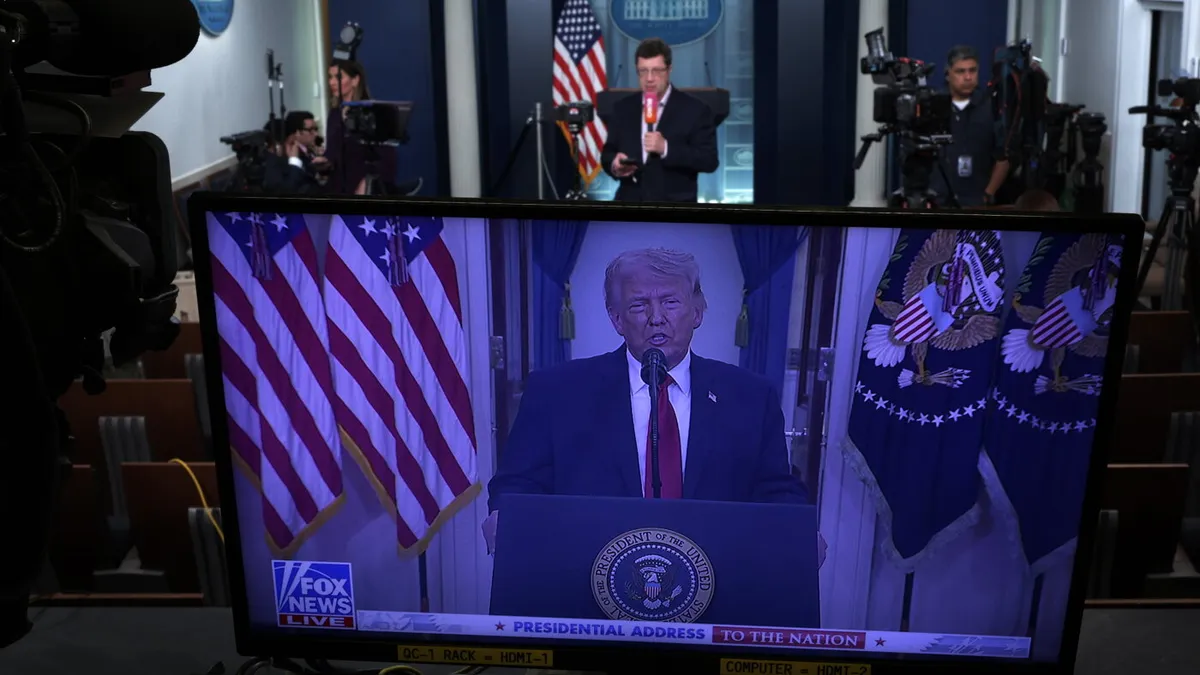
The Trump administration launched a 24/7 YouTube channel branded «Trump TV» days after banning CNN, MS NOW and Politico from White House access.
White House YouTube channel and press ban trigger federal lawsuit over access
The Trump administration launched a round-the-clock YouTube channel days after banning CNN, MS NOW and Politico from the White House.
The Trump administration launched a round-the-clock YouTube channel days after banning reporters from CNN, MS NOW and Politico from the White House, concentrating control over presidential imagery at the precise moment independent coverage is being curtailed.
--- THE CONTEXT ---
Stephen Farnsworth, professor emeritus of political science at the University of Mary Washington, frames the move as part of a broader effort that began in Trump's first term: bypassing critical mainstream media to control the narrative around his presidency. The YouTube channel is the most institutionalized expression of that effort so far.
--- THE FACTS ---
The channel, informally called «Trump TV» and branded «The Essentials Station», began streaming Monday night. Its opening broadcast was the president's July 3 speech at Mt. Rushmore, in which he blamed «newcomers to our country» for what he described as «a resurgence of the communist menace.» The ban on CNN, MS NOW and Politico was announced the preceding Friday on Truth Social, where the president accused them of reporting «FICTION and LIES.» On Monday, the three organizations filed a federal lawsuit alleging violations of their First Amendment free speech rights and their Fifth Amendment due process rights, arguing they received neither notice of the ban nor any opportunity to challenge it. Fox News Media, ABC News, CBS News, NBC News and CNN released a joint statement asserting that no administration should restrict a news organization because it objects to its reporting, and defending the public's «vital interest in receiving accurate, independent information.» Media outlets that participate in joint White House coverage pools, including NPR, announced they will not take audio or video from White House events until further notice, although coverage by other sources not subject to the boycott continues.
--- THE POSITIONS ---
California Gov. Gavin Newsom called the channel «truly autocratic behavior from a failed President,» while Arizona Sen. Mark Kelly labeled it «state run» media. A White House official dismissed that framing, arguing that under the same logic Kelly's own X feed would qualify as state media for what the official called «a party of radical socialists."
--- WHAT REMAINS UNKNOWN ---
This report does not establish how many credentialed journalists remain after the ban, whether any formal reinstatement process exists, or what specific criteria the administration applies when granting or revoking access.
--- UNANSWERED QUESTIONS ---
• What happens to the photographers, producers and on-air correspondents whose daily work depends on physical access to White House events?
• Does the joint-pool boycott have defined conditions under which participating outlets would resume coverage?
• If the federal lawsuit succeeds, what remedy could a court realistically impose to restore the banned outlets' access?
• Could additional newsrooms face similar exclusions if no legal boundary is established by the court?
--- EPM ANALYSIS ---
The human cost of the ban lands first on journalists and their teams who lost access overnight. But the downstream effect reaches audiences: readers and viewers who relied on those outlets for direct, daily coverage of the executive branch now receive that coverage filtered through the government's own channel or through secondhand reporting. The decisive variable is the federal court's ruling on the First and Fifth Amendment claims. 📌
📌
📌 EPM Take:
In EPM's view, the simultaneous exclusion of critical newsrooms and the launch of a government broadcast channel is not a coincidence of timing—it is a calculated informational architecture. Workers inside those newsrooms lose assignments and sources; citizens lose a verification layer. EPM has previously covered press-freedom tensions in this administration, and this episode escalates the pattern to a constitutional confrontation. A government that produces its own news while silencing scrutiny does not strengthen its legitimacy; it undermines the very institutional trust it claims to defend.
The Trump administration launched a continuous YouTube broadcast channel and simultaneously excluded three major newsrooms from White House grounds, transforming a press-access dispute into a federal constitutional case with implications for executive authority over credentialing.
--- THE CONTEXT ---
Stephen Farnsworth, professor emeritus of political science at the University of Mary Washington, places the channel launch within a sustained strategy that began during Trump's first term: reducing reliance on an adversarial press while shaping the presidency's public image through controlled channels. The YouTube initiative is the most structured institutional form that effort has taken.
--- THE FACTS ---
The channel, labeled «The Essentials Station» and widely referred to as «Trump TV,» began streaming Monday night. Its inaugural broadcast was the president's July 3 address at Mt. Rushmore, during which Trump described «a resurgence of the communist menace» and attributed it to «newcomers to our country.» The administration had announced the ban on CNN, MS NOW and Politico the previous Friday via Truth Social, with the president accusing those outlets of publishing «FICTION and LIES» about him, the administration and the United States. On Monday, all three organizations filed a federal lawsuit alleging First Amendment violations of free speech and Fifth Amendment due process violations, on the grounds that they received no advance notice and no mechanism to contest the ban. Fox News Media, ABC News, CBS News, NBC News and CNN responded with a joint statement warning that no administration should restrict a news organization over its reporting and affirming the public's «vital interest in receiving accurate, independent information about its government.» Media outlets participating in White House pool arrangements, including NPR, declared they will not carry audio or video from presidential events until the dispute is resolved, though coverage through other sources continues.
--- THE POSITIONS ---
Arizona Sen. Mark Kelly and California Gov. Gavin Newsom, both Democrats, described the channel as «state run» media; Newsom called it «truly autocratic behavior.» A White House official rejected the comparison, suggesting that by the same standard Kelly's X account would constitute state media for what the official called «a party of radical socialists."
--- WHAT REMAINS UNKNOWN ---
This source does not establish the precise legal authority under which the executive branch may revoke press credentials without notice, the expected timeline for the federal court to act, or whether other outlets risk similar exclusions.
--- UNANSWERED QUESTIONS ---
• Under what specific legal framework, if any, does the executive branch hold authority to ban newsrooms without prior notice or a formal appeals process?
• If the court rules against the administration, what enforcement mechanism could compel restored access?
• Does the pool boycott by NPR and other participants affect the flow of official information to allied governments or international press?
--- EPM ANALYSIS ---
From an institutional standpoint, the central risk is not a YouTube channel but the absence of clear, enforceable rules governing presidential press credentialing. A court ruling favoring the administration would hand the executive branch unchecked leverage over any newsroom covering Washington. A ruling for the plaintiffs would establish a precedent limiting that power. The market and security implications of either outcome extend beyond this specific dispute. 📌
📌
📌 EPM Take:
In EPM's view, a government that communicates directly with citizens is not inherently problematic—every administration does so. What matters institutionally is whether that communication displaces, rather than supplements, independent verification. The simultaneous exclusion of newsrooms and the launch of a state-branded channel signals an intent to substitute, not complement. Western democratic order rests on a functioning press-executive tension. When that tension is dismantled without due process, the institutional damage outlasts any single administration or news cycle.
Trump TV llega a YouTube tras prohibir acceso a CNN, MS NOW y Politico
La Casa Blanca lanzó «Trump TV», un canal de YouTube continuo, días después de prohibir a CNN, MS NOW y Politico el acceso a sus instalaciones.
Casa Blanca lanza canal propio en YouTube mientras demandan por acceso presidencial
La Casa Blanca lanzó un canal de YouTube de transmisión continua mientras excluía a CNN, MS NOW y Politico de sus instalaciones.
La administración Trump lanzó un canal de YouTube disponible las 24 horas del día, los 7 días de la semana, días después de prohibir el acceso de reporteros de CNN, MS NOW y Politico a la Casa Blanca. El movimiento reconfigura quién puede informar al público sobre el gobierno y en qué condiciones.
--- EL CONTEXTO ---
El profesor emérito Stephen Farnsworth, de la Universidad de Mary Washington, ubica esta disputa dentro de un esfuerzo más amplio que arrancó desde el primer mandato de Trump: controlar el relato de su presidencia mientras se evita a una prensa crítica. La iniciativa del canal es parte de esa estrategia sostenida.
--- LOS HECHOS ---
El canal, bautizado informalmente como «Trump TV» con el lema «The Essentials Station», comenzó a transmitir el lunes por la noche. Su primera emisión fue el discurso del presidente del 3 de julio en el Monte Rushmore, en el que culpó a los «recién llegados al país» de lo que llamó «un resurgimiento de la amenaza comunista». La prohibición contra CNN, MS NOW y Politico fue anunciada el viernes anterior en Truth Social, donde el presidente los acusó de difundir «ficción y mentiras». El lunes siguiente, las tres organizaciones presentaron una demanda federal alegando violaciones a sus derechos de la Primera Enmienda —libertad de expresión— y de la Quinta Enmienda, argumentando que no recibieron notificación previa ni oportunidad de impugnar la decisión. En respaldo a las tres organizaciones, Fox News Media, ABC News, CBS News, NBC News y CNN emitieron un comunicado conjunto en defensa del «interés vital del público en recibir información precisa e independiente sobre su gobierno». Además, medios que comparten cobertura conjunta de la Casa Blanca, incluyendo NPR, anunciaron que no tomarán audio ni video de eventos presidenciales hasta nuevo aviso, aunque la cobertura por otras fuentes continuará.
--- LAS POSICIONES ---
El senador demócrata Mark Kelly y el gobernador de California Gavin Newsom calificaron el canal de medio «estatal» y señalaron que representa «un comportamiento verdaderamente autocrático». Un funcionario de la Casa Blanca respondió comparando el canal con el perfil de X de Kelly, describiendo el argumento demócrata como carente de sentido.
--- LO QUE FALTA SABER ---
La fuente no aclara cuántos periodistas quedan acreditados tras la prohibición, si existe un proceso formal para impugnarla, ni cuáles serán los criterios futuros de acceso a la Casa Blanca.
--- PREGUNTAS SIN RESPUESTA ---
• ¿Qué mecanismo legal o administrativo, si alguno existe, permite a las organizaciones excluidas recuperar su acreditación?
• ¿El boicot de audio y video coordinado por los medios con cobertura conjunta tiene un plazo definido o condiciones específicas para levantarse?
• ¿Qué otros medios podrían quedar sujetos a restricciones similares si la demanda federal no prospera?
• ¿Cómo afecta la ausencia de CNN, MS NOW y Politico a los trabajadores de prensa —fotógrafos, productores, corresponsales— que dependen de ese acceso diario?
--- ANALISIS EPM ---
Las consecuencias inmediatas recaen sobre los profesionales del periodismo que perdieron acceso, pero también sobre lectores y audiencias que dependían de esa cobertura directa. El canal gubernamental no reemplaza la función de verificación que cumplen medios independientes. 📌
📌 Conclusion EPM:
A juicio de EPM, la simultaneidad entre la exclusión de medios críticos y el lanzamiento de un canal gubernamental no es coincidencia editorial sino arquitectura informativa deliberada. Lo que está en juego no es solo el acceso de tres organizaciones periodísticas: es el derecho de los ciudadanos —trabajadores, familias, consumidores de noticias— a contrastar versiones de los hechos. En un contexto donde EPM ya ha documentado restricciones a la prensa y exclusiones institucionales, este paso escala la disputa a un plano constitucional con consecuencias que trascienden cualquier ciclo de noticias.
La administración Trump abrió un canal de YouTube de transmisión continua y, en paralelo, excluyó a CNN, MS NOW y Politico de la cobertura en la Casa Blanca. La demanda federal presentada por los tres medios convierte una decisión ejecutiva en un precedente constitucional de primera magnitud.
--- EL CONTEXTO ---
El profesor emérito Stephen Farnsworth, de la Universidad de Mary Washington, señala que el esfuerzo por controlar el relato presidencial y reducir la dependencia de medios críticos se inició durante el primer mandato de Trump. El canal de YouTube es la expresión más estructurada de esa estrategia hasta la fecha.
--- LOS HECHOS ---
El canal, conocido como «Trump TV» bajo el lema «The Essentials Station», comenzó a emitir el lunes por la noche. Su primera transmisión fue el discurso del presidente en el Monte Rushmore el 3 de julio, en el que describió una «resurgencia de la amenaza comunista» y vinculó ese fenómeno con los «recién llegados al país». La exclusión de CNN, MS NOW y Politico fue anunciada en Truth Social el viernes previo; el presidente los acusó de publicar «ficción y mentiras». El lunes, las tres organizaciones presentaron una demanda federal invocando la Primera Enmienda —libertad de expresión— y la Quinta Enmienda, argumentando falta de notificación previa y ausencia de proceso para impugnar la decisión. Fox News Media, ABC News, CBS News, NBC News y CNN firmaron un comunicado conjunto advirtiendo que ninguna administración debería restringir a un medio por objetar su cobertura. Los medios que participan en la cobertura conjunta de la Casa Blanca, incluida NPR, suspendieron la toma de audio y video de eventos presidenciales mientras dure la disputa.
--- LAS POSICIONES ---
El gobernador Gavin Newsom y el senador Mark Kelly, ambos demócratas, calificaron el canal de medio «estatal» y de «comportamiento autocrático». La Casa Blanca respondió que, bajo esa misma lógica, la cuenta de X de Kelly sería «medio estatal de socialistas radicales», y descartó el argumento.
--- LO QUE FALTA SABER ---
Esta fuente no establece si existe un procedimiento formal de apelación para medios excluidos, cuáles son los criterios aplicados por la administración para conceder o revocar acreditaciones, ni el calendario probable del proceso judicial.
--- PREGUNTAS SIN RESPUESTA ---
• ¿Bajo qué autoridad legal específica puede el Ejecutivo revocar acreditaciones de prensa sin notificación ni proceso de impugnación?
• ¿El boicot de cobertura conjunta por NPR y otros medios afecta el flujo de información institucional hacia aliados y socios internacionales de Estados Unidos?
• ¿Qué precedente sentaría un fallo favorable a la administración sobre el control futuro de acceso a eventos presidenciales?
• ¿Cómo responderá el mercado publicitario y de audiencias si el canal gubernamental compite directamente con los medios excluidos?
--- ANALISIS EPM ---
Desde una lectura institucional, el riesgo mayor no es el canal en sí sino el vacío de normas claras sobre acreditación presidencial. Si los tribunales avalan la exclusión, el Ejecutivo adquiere una palanca de presión sobre cualquier medio que cubra Washington. Si la demanda prospera, el fallo acotará ese margen. El orden informativo del sistema occidental depende de esa distinción. 📌
📌
📌 Conclusion EPM:
A juicio de EPM, el lanzamiento de «Trump TV» es una señal de poder, no un sustituto periodístico. Lo que preocupa desde una perspectiva conservadora no es que el gobierno comunique, sino que lo haga desplazando el acceso de medios verificadores sin un proceso reglado. Las democracias occidentales sostienen su legitimidad en la distinción entre información gubernamental y prensa independiente. Erosionar esa frontera —aunque sea con argumentos de combate a la desinformación— debilita la arquitectura institucional que protege al propio gobierno de la arbitrariedad.