United States • • EPM Editorial Desk • 🌿 Progressive
Former college athletes now in the Senate are writing the rules they once lived by
At least six sitting U.S. senators who played NCAA Division I sports are shaping the Protect College Sports Act.
Senate moves to restore institutional order to college sports after years of legal chaos
The Protect College Sports Act neared a Senate vote with support from former Division I athletes now serving as senators.
At least half a dozen sitting U.S. senators who competed in NCAA Division I athletics are actively shaping the Protect College Sports Act, a bill that was on the verge of a Senate vote. Their personal histories give them uncommon insight — and raise pointed questions about whose interests the legislation ultimately serves.
--- THE CONTEXT ---
The source traces the modern disruption of college sports to a federal lawsuit filed by former UCLA basketball player Ed O'Bannon over the use of his name and likeness in a video game. That case began to erode the NCAA's longstanding amateurism framework and opened the door to years of litigation that followed.
--- THE FACTS ---
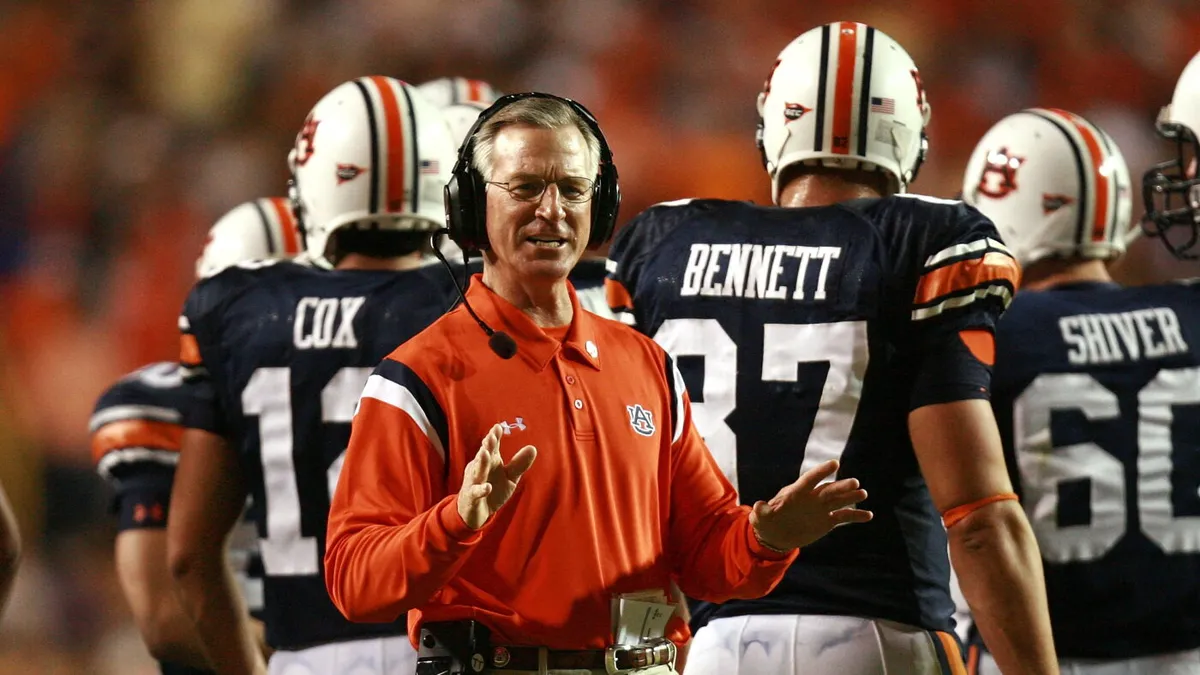
Senator Tommy Tuberville, Republican of Alabama, is the bill's most prominent champion. Tuberville played football at Southern State, a Division II school, and later served as head coach at Ole Miss, Auburn, Texas Tech, and Cincinnati before retiring in 2016. He is also stepping down from the Senate after this term to run for governor of Alabama. The bill targets what supporters describe as an era of disorder: name, image, and likeness payments — known as NIL — that can reach thousands or even millions of dollars per season, unrestricted transfers between schools, constant eligibility litigation, and runaway athletic department budgets. Tuberville initially opposed the legislation as government overreach but later became one of its advocates. Several other senators also played college sports at Division I or Division II level, according to the source.
--- THE POSITIONS ---
Tuberville argued on the Senate floor that the old amateurism system was deeply unfair: schools, conferences, television networks, sponsors, and coaches all profited while athletes were barred from earning anything. He said that needed to change, and it did. But he contended that post-O'Bannon reforms damaged eligibility rules and the transfer system. The source does not include responses from active athletes, student organizations, or consumer groups.
--- WHAT REMAINS UNKNOWN ---
This source does not specify which clauses in the bill would alter existing NIL contracts or restrict transfer rights already exercised by athletes. It also does not report any formal position from the NCAA or major athletic conferences on the legislation as written.
--- UNANSWERED QUESTIONS ---
• Which specific provisions of the bill would affect NIL contracts already signed by current athletes?
• How would the law apply to athletes in non-revenue sports who lack the bargaining power of football or basketball players?
• What formal position, if any, have student-athlete organizations taken on the bill?
• Would the bill reduce or increase the likelihood of future antitrust litigation against college sports governing bodies?
--- EPM ANALYSIS ---
Legislators with firsthand experience of the system they are regulating can close blind spots that career politicians miss. The risk, however, is that their frame of reference reflects high-revenue sports rather than the broader population of Division I competitors. As EPM has covered in related contexts — from trade leverage to institutional power — the decisive variable is rarely the stated intent of a policy but who controls enforcement after the cameras leave. 📌
📌 EPM Take:
In EPM's view, the presence of former athletes in this debate is genuinely valuable but not sufficient. Legislative experience inside a system does not automatically translate into legislation that protects the people still inside it. If the Protect College Sports Act restores institutional order by rolling back the mobility and earnings rights that athletes won through years of litigation, the reform will have served the system's administrators more than its competitors. EPM will treat the final vote as a concrete test of that balance.
The Protect College Sports Act was poised for a Senate vote, backed by a cohort of former collegiate athletes now serving as U.S. senators — lawmakers who understand the structural failures of the system from the inside and are attempting to impose a durable legal framework before further damage sets in.
--- THE CONTEXT ---
The source identifies the turning point as a federal lawsuit brought by former UCLA basketball player Ed O'Bannon over the commercial use of his name and likeness. That case began dismantling the NCAA's amateurism model and unleashed a wave of litigation that reshaped eligibility rules, transfer policies, and athlete compensation across Division I athletics.
--- THE FACTS ---
Senator Tommy Tuberville, Republican of Alabama, is the central figure in this report. He played football at the Division II program Southern State, then built a head-coaching career at Ole Miss, Auburn, Texas Tech, and Cincinnati before retiring in 2016. He is stepping down from the Senate after this term to run for governor. Tuberville initially opposed the bill as federal overreach, then shifted to become one of its leading advocates. The legislation targets what supporters call an era of chaos: NIL payments reaching thousands or millions of dollars per season, unrestricted school transfers by thousands of Division I athletes each year, unresolved eligibility lawsuits, and mounting athletic department expenditures. The source notes that at least six other senators also competed at the Division I level.
--- THE POSITIONS ---
Tuberville stated on the Senate floor that the prior amateurism regime was unjust because every stakeholder in the ecosystem — schools, conferences, broadcasters, sponsors, coaches — profited while athletes could not. He acknowledged that correction was necessary and that it occurred. However, he argued that the litigation-driven reforms that followed went too far, undermining eligibility standards and institutional stability. The source records no formal response from the NCAA, conference officials, or opposing senators.
--- WHAT REMAINS UNKNOWN ---
This source does not specify what enforcement mechanisms the bill contains, how it addresses NIL agreements already in force, or whether it preempts state laws that have created competing frameworks. No timeline for implementation is provided.
--- UNANSWERED QUESTIONS ---
• What legal preemption does the bill assert over state-level NIL statutes already enacted across the country?
• How would the legislation withstand antitrust challenges similar to those that dismantled the previous NCAA framework?
• What formal position have the NCAA and major athletic conferences stated on the bill's specific provisions?
• How would enforcement be structured to ensure uniform compliance across hundreds of Division I programs?
--- EPM ANALYSIS ---
A functioning institutional framework for college sports is not merely an administrative preference — it is a condition for the sector's long-term economic viability and for the legal certainty that athletes, schools, and commercial partners all require. The presence of former athletes in this legislative process supplies a legitimacy that reform from outside could not. The critical variable, as in other domains EPM covers, is whether the resulting text is durable enough to survive the litigation it will inevitably face. 📌
📌 EPM Take:
In EPM's view, the Senate has a rare opportunity to replace a decade of judicial improvisation with a coherent statutory order for one of the country's most commercially significant amateur sports systems. Former-athlete senators bring irreplaceable perspective, but perspective alone does not produce enforceable law. The test of this bill is not its passage but its resilience — whether it can withstand legal challenge and deliver the stable framework that neither the courts nor the NCAA managed to build on their own.
Exatletas en el Senado dan forma al futuro del deporte universitario estadounidense
Al menos media docena de senadores exatletas de División I participan en el debate del Protect College Sports Act.
El Senado lleva al deporte universitario ante su momento más decisivo en décadas
El Senado de Estados Unidos debatía la aprobación del Protect College Sports Act con el respaldo de exatletas universitarios que hoy son senadores.
Al menos media docena de senadores que compitieron en deportes universitarios de División I participan activamente en el debate sobre el Protect College Sports Act, un proyecto de ley que el Senado estaba a punto de aprobar. Sus trayectorias personales moldean una legislación que afectará directamente a miles de atletas, entrenadores y trabajadores del sistema universitario.
--- EL CONTEXTO ---
La fuente atribuye el origen del debate moderno a una demanda federal presentada por el exjugador de baloncesto de UCLA Ed O'Bannon, relacionada con el uso de su nombre e imagen en un videojuego. Ese litigio comenzó a erosionar el principio de amateurismo que durante décadas gobernó el deporte universitario en Estados Unidos.
--- LOS HECHOS ---
El senador Tommy Tuberville, republicano de Alabama, es la figura central de esta cobertura. Tuberville jugó fútbol americano en Southern State, una institución de División II, y luego dirigió equipos en Ole Miss, Auburn, Texas Tech y Cincinnati antes de retirarse en 2016. Actualmente impulsa el Protect College Sports Act tras haberlo rechazado inicialmente por considerarlo una injerencia gubernamental. El proyecto busca poner orden en un sistema que sus defensores describen como caótico: pagos millonarios por nombre, imagen y semejanza —conocidos como NIL—, transferencias irrestrictas entre escuelas, litigios constantes y presupuestos atléticos en expansión.
--- LAS POSICIONES ---
Tuberville reconoció en el pleno del Senado que durante años todos los actores del ecosistema universitario —escuelas, conferencias, cadenas de televisión, patrocinadores y entrenadores— se beneficiaron económicamente mientras se prohibía a los atletas hacerlo. Esa situación, declaró, debía cambiar y cambió. Sin embargo, argumentó que las reformas posteriores a O'Bannon dañaron la elegibilidad y el sistema de transferencias. La fuente no recoge una posición contraria de atletas en activo ni de organizaciones estudiantiles.
--- LO QUE FALTA SABER ---
Esta fuente no especifica qué disposiciones concretas del Protect College Sports Act afectarían las transferencias o los pagos NIL ya en vigor. Tampoco informa sobre la posición de asociaciones de atletas, sindicatos estudiantiles ni grupos de consumidores ante el texto legislativo.
--- PREGUNTAS SIN RESPUESTA ---
• ¿Qué cláusulas del proyecto limitan o protegen los contratos NIL ya firmados por atletas activos?
• ¿Cómo afectaría la nueva ley a los atletas de deportes sin ingresos comerciales, que no son fútbol americano ni baloncesto?
• ¿Qué posición sostienen las propias universidades y sus asociaciones ante el proyecto de ley?
• ¿Existen mecanismos de supervisión independiente que protejan a atletas con menor poder de negociación?
--- ANALISIS EPM ---
Que exatletas con décadas de experiencia legislen sobre el sistema en el que compitieron es un activo real: comprenden los incentivos desde adentro. El riesgo, sin embargo, es que su perspectiva refleje sobre todo la experiencia de atletas de deportes de alto rendimiento, dejando fuera las realidades de quienes practican disciplinas sin contratos millonarios. La variable decisiva es si el proyecto protege derechos ya adquiridos o los retrocede. 📌
📌 Conclusion EPM:
A juicio de EPM, el involucramiento de exatletas legisladores aporta legitimidad al debate, pero la legitimidad no reemplaza a la representación. Si el Protect College Sports Act pone orden sin preservar los avances en pagos y movilidad que los propios atletas conquistaron mediante litigios, el resultado sería una reforma que corrige el caos en beneficio de las instituciones, no de las personas que generan el valor. EPM seguirá esta votación como un indicador del equilibrio real de fuerzas en el Congreso.
El Protect College Sports Act estaba a punto de ser votado en el Senado de Estados Unidos, con el respaldo de legisladores que conocen el sistema desde adentro: exatletas universitarios que ahora ocupan escaños y aportan una perspectiva institucional difícil de replicar desde el exterior.
--- EL CONTEXTO ---
La fuente sitúa el punto de inflexión en una demanda federal del exjugador de baloncesto Ed O'Bannon contra el uso de su nombre e imagen en un videojuego. Ese litigio comenzó a desmantelar el marco de amateurismo que estructuraba el deporte universitario y desencadenó una oleada de litigios posteriores.
--- LOS HECHOS ---
El senador Tommy Tuberville, republicano de Alabama, encabeza el impulso al proyecto. Tuberville compitió en fútbol americano en Southern State, de División II, y después dirigió programas en Ole Miss, Auburn, Texas Tech y Cincinnati hasta su retiro en 2016. Otros seis o más senadores en activo también tienen trayectoria atlética universitaria de División I, según la fuente. El Protect College Sports Act responde a lo que sus defensores califican como una era de desorden: pagos NIL de miles o incluso millones de dólares por temporada, transferencias sin restricción entre instituciones, litigios constantes sobre elegibilidad y presupuestos atléticos sin control. Tuberville, que inicialmente rechazó el proyecto por considerarlo intervención estatal excesiva, modificó su postura y se convirtió en uno de sus impulsores.
--- LAS POSICIONES ---
Tuberville argumentó ante el pleno del Senado que el amateurismo estricto era injusto porque enriquecía a escuelas, conferencias, cadenas televisivas, patrocinadores y entrenadores mientras bloqueaba cualquier ingreso para los atletas. Admitió que esa asimetría debía corregirse. Pero sostuvo que las reformas derivadas de los litigios post-O'Bannon erosionaron reglas esenciales de elegibilidad y orden institucional. La fuente no registra declaraciones de organismos como la NCAA ni de conferencias atléticas.
--- LO QUE FALTA SABER ---
Esta fuente no detalla qué disposiciones específicas del proyecto modifican las reglas de transferencia ni cómo se aplicarían los límites a los contratos NIL vigentes. Tampoco informa si la NCAA o las principales conferencias han expresado una posición formal.
--- PREGUNTAS SIN RESPUESTA ---
• ¿Qué mecanismos de cumplimiento incluye el proyecto para garantizar que las nuevas reglas sean ejecutables a escala nacional?
• ¿Cómo respondería el texto legal a futuras demandas judiciales similares a la de O'Bannon?
• ¿Qué posición han adoptado formalmente la NCAA y las grandes conferencias atléticas ante el proyecto?
• ¿Cuál sería el impacto en los presupuestos de departamentos atléticos de universidades medianas sin ingresos televisivos importantes?
--- ANALISIS EPM ---
La presencia de exatletas en el proceso legislativo introduce un equilibrio institucional que va más allá del simbolismo: son actores que comprenden los incentivos perversos que la ola de litigios generó. Sin embargo, el desafío central del proyecto no es de legitimidad sino de diseño: un marco legal que ponga orden sin crear nuevas vulnerabilidades judiciales. La variable decisiva es si el texto resiste los litigios que ya se anticipan. 📌
📌 Conclusion EPM:
A juicio de EPM, el Senado tiene ante sí una oportunidad real de restituir un marco de orden institucional al deporte universitario, sector que genera miles de millones en ingresos y empleo y que lleva años operando sin reglas claras. Que exatletas lideren ese proceso no es anecdótico: es una garantía de que la experiencia vivida informa la arquitectura legal. El riesgo mayor no es el contenido de la ley, sino que la aprobación sin consenso amplio la convierta en blanco inmediato de nuevos litigios.