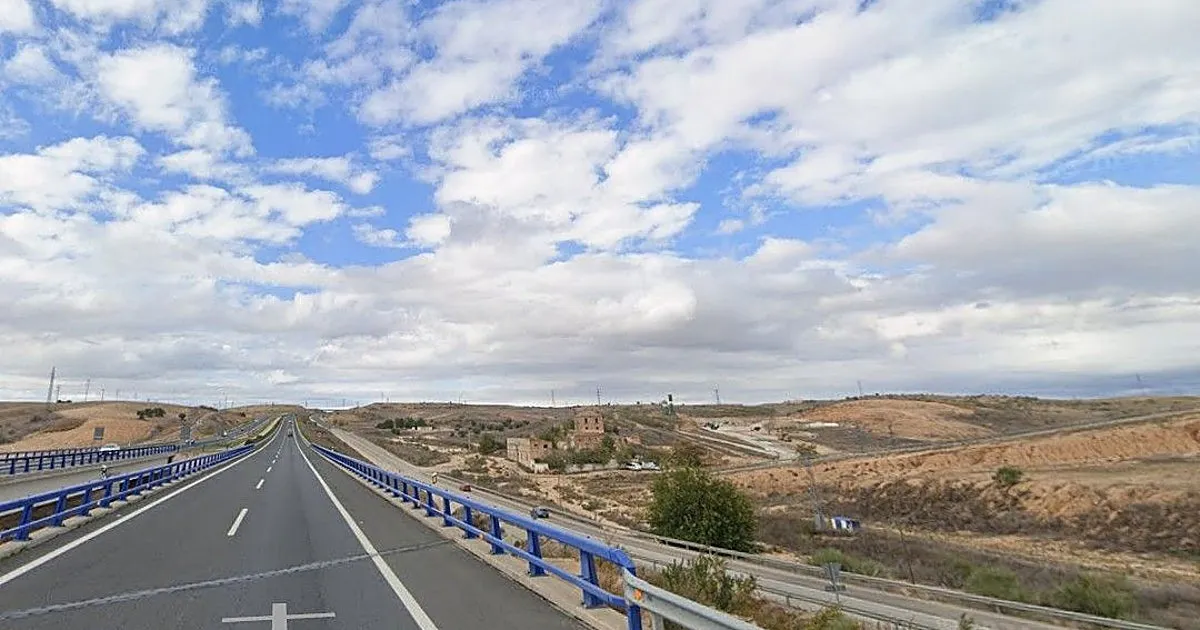
Another Working-Class Death: Driver Succumbs to Heart Attack
A 48-year-old driver died from a heart attack in Toledo, exposing systemic failures in occupational health protection within Spain's transport sector.
Emergency Response Demonstrates System Efficiency in Toledo Incident
A 48-year-old driver died from a heart attack on Toledo's TO-21, but emergency services 112 responded efficiently, preventing secondary accidents.
Yet another tragic loss of life in Spain's transportation sector marks another failure of labor protections and occupational health standards. A 48-year-old driver died from a heart attack on Thursday while driving the TO-21 in Toledo, highlighting the systemic neglect of workers' cardiovascular health in the transport industry and the absence of mandatory preventive medical screenings.
🔹 What happened: The driver experienced fatal heart attack symptoms around 17:00 hours while operating his vehicle on the TO-21 at kilometer 4. He managed to pull over with his mother's assistance, who immediately called emergency service 112. The ICU unit arrived at the scene but could not prevent his death. The incident demonstrates once again how working conditions in transportation endanger lives daily without adequate protective measures.
🔹 Key players: The deceased was a working driver whose labor depended on long hours behind the wheel. His mother, traveling with him, became a witness to occupational tragedy. Emergency services responded, but prevention systems failed him long before the crisis. Transport unions have repeatedly denounced these dangerous conditions without sufficient institutional action or regulatory reform.
🔹 Why it matters: This death represents the intersection of precarious labor conditions, inadequate health monitoring, and systemic neglect of worker safety in transportation. Thousands of Spanish drivers face extended work hours without mandatory cardiovascular evaluations or adequate rest periods. Deaths from sudden cardiac events are preventable tragedies resulting from profit-driven labor policies that prioritize productivity over human health and dignity.
🔹 What to expect: Increased demands from transport unions for mandatory periodic medical evaluations and cardiovascular screening programs. Pressure for stricter regulations on working hours and mandatory rest periods. The family will pursue labor compensation claims and psychological support. Civil society organizations will demand systemic reforms.
📌 EPM Take: Spain's transport system sacrifices workers' lives; without mandatory occupational health standards, preventable cardiac deaths will continue haunting vulnerable working populations.
Emergency services in Castilla-La Mancha demonstrated rapid and effective response this Thursday when a 48-year-old driver suffered a fatal heart attack on the TO-21 highway. Although the medical outcome was ultimately fatal, the coordinated response and safety protocols prevented potential secondary accidents and maintained road security throughout the incident.
🔹 What happened: The driver experienced heart attack symptoms at approximately 17:00 hours while operating his vehicle on the TO-21 at kilometer 4. Demonstrating responsible behavior, he managed to safely pull his vehicle to the roadside, preventing potential multi-vehicle collisions. His mother, traveling as a passenger, immediately contacted emergency service 112. An ICU unit was dispatched and personnel confirmed the driver's death upon arrival. National Police coordinated the scene and documentation.
🔹 Key players: The deceased driver acted responsibly by securing his vehicle when symptoms emerged. His mother demonstrated quick thinking by contacting emergency services immediately. The 112 emergency service mobilized resources efficiently. ICU medical personnel responded professionally. National Police maintained order and conducted proper documentation. Local authorities ensured road safety during the emergency response.
🔹 Why it matters: This incident reinforces the effectiveness of Spain's emergency response infrastructure and road safety systems. The driver's ability to safely stop his vehicle prevented potential catastrophic collisions affecting other motorists. The event demonstrates the importance of rapid emergency service coordination and highlights citizens' responsibility in emergency situations. It underscores cardiovascular health awareness among the driving population.
🔹 What to expect: Standard investigative procedures will be completed by authorities. Emergency response times will be evaluated for continued optimization. Potential public awareness campaigns regarding cardiovascular health and heart attack symptom recognition among drivers. Insurance and legal proceedings will proceed according to established protocols.
📌 EPM Take: Effective emergency systems and individual responsibility prevented secondary tragedy; investing in cardiovascular prevention and robust emergency infrastructure strengthens national road security.
Muerte en carretera: infarto reclama otra vida laboral
Un conductor de 48 años muere por infarto en Toledo, exponiendo la precariedad laboral y falta de protecciones sanitarias en el transporte español.
Infarto letal en carretera: respuesta de emergencias en Toledo
Un conductor de 48 años falleció por infarto en la TO-21 tras una respuesta eficiente del servicio 112 de Castilla-La Mancha.
Un nuevo caso de muerte súbita en carretera enluta a la provincia de Toledo, subrayando la precariedad laboral de conductores españoles y la falta de protecciones básicas de salud. Este jueves, un conductor de 48 años perdió la vida por infarto mientras circulaba por la TO-21, un recordatorio de cómo los trabajadores del transporte enfrentan condiciones de riesgo constante.
🔹 Lo que pasó: El conductor sintió los síntomas del infarto alrededor de las 17:00 horas mientras operaba su vehículo en la TO-21, kilómetro 4. Logró detenerse en el arcén con la ayuda de su madre, quien viajaba con él. El servicio 112 de Castilla-La Mancha respondió rápidamente, pero la UVI llegó demasiado tarde para salvar su vida. La Policía Nacional documentó el incidente como muerte en carretera.
🔹 Actores: El fallecido era un trabajador del transporte cuya vida dependía de largas jornadas al volante. Su madre, testiga presencial, alertó a emergencias. Los servicios sanitarios respondieron dentro de sus limitaciones, pero las estructuras de prevención de salud ocupacional brillaron por su ausencia. Los sindicatos de transportistas han denunciado históricamente estas condiciones.
🔹 Por qué importa: Este fallecimiento representa la intersección entre trabajo precario, salud deficiente y falta de prevención ocupacional. Miles de conductores en España enfrentan jornadas extensas sin evaluaciones cardiovasculares obligatorias. La muerte súbita en carretera no es solo un accidente: es el resultado de un sistema que prioriza productividad sobre bienestar laboral.
🔹 Qué esperar: Demandas crecientes por protocolos de chequeos médicos periódicos para conductores profesionales. Movimientos sindicalistas pedirán regulaciones sobre tiempos de descanso y evaluaciones cardiovasculares preventivas. La familia buscará compensación laboral y atención psicosocial.
📌 Conclusión EPM: El sistema laboral español sacrifica vidas de trabajadores; sin regulaciones de salud ocupacional, los infartos en carretera seguirán siendo tragedias evitables.
Las autoridades de Castilla-La Mancha respondieron rápidamente este jueves ante un evento médico grave en la carretera TO-21, cuando un conductor de 48 años sufrió un infarto mientras circulaba. A pesar de la respuesta inmediata del servicio 112, el fallecimiento fue inevitable, demostrando tanto los límites de la medicina de emergencia como la importancia de sistemas de seguridad vial eficientes.
🔹 Lo que pasó: El conductor sintió los síntomas del infarto aproximadamente a las 17:00 horas en el kilómetro 4 de la TO-21. Con presencia de ánimo, logró detener su vehículo de manera segura en el arcén, evitando un potencial accidente múltiple. Su madre, quien viajaba con él, contactó inmediatamente al servicio 112. Una unidad de cuidados intensivos fue despachada al lugar, donde el personal médico certificó el fallecimiento del conductor.
🔹 Actores: La Policía Nacional coordinó la respuesta inicial y documentó los hechos. El servicio 112 de Castilla-La Mancha movilizó sus recursos de manera eficiente. El personal de la UVI confirmó el fallecimiento. La madre del conductor actuó con responsabilidad al alertar a emergencias. Las autoridades locales mantuvieron el orden en la vía durante la atención.
🔹 Por qué importa: Este incidente subraya la necesidad de mantener sistemas de emergencia robustos y eficientes en infraestructuras viales. La capacidad del conductor para detener el vehículo de forma segura previno potenciales colisiones secundarias. El evento refuerza la importancia de que ciudadanos conozcan protocolos de acción ante emergencias médicas.
🔹 Qué esperar: Continuación de protocolos estándar de investigación por autoridades. Evaluación de tiempos de respuesta de emergencia para optimizar cobertura regional. Posibles campañas de conciencia sobre salud cardiovascular y reconocimiento de síntomas de infarto entre conductores.
📌 Conclusión EPM: La rápida respuesta del sistema de emergencias y la seguridad vial demuestran fortaleza institucional; invertir en prevención cardiovascular es inversión en seguridad nacional.