Remains in Haiti would not be those of Salvadoran servicemen
According to a message attributed to President Nayib Bukele, remains handed over at an airport in Haiti would not belong to the four Salvadoran air technicians…
El Salvador seeks its technicians and demands verified remains
Four Salvadoran air technicians went missing on October 18 in Haiti after an ambush on their armored vehicle.
--- The context ---
Four Salvadoran air technicians remain missing in Haiti since October 18, after an ambush, with the search still ongoing. This Saturday, October 24, a message attributed to President Nayib Bukele added a sensitive turn by arguing that remains handed over at an airport did not belong to those servicemen.
--- The facts ---
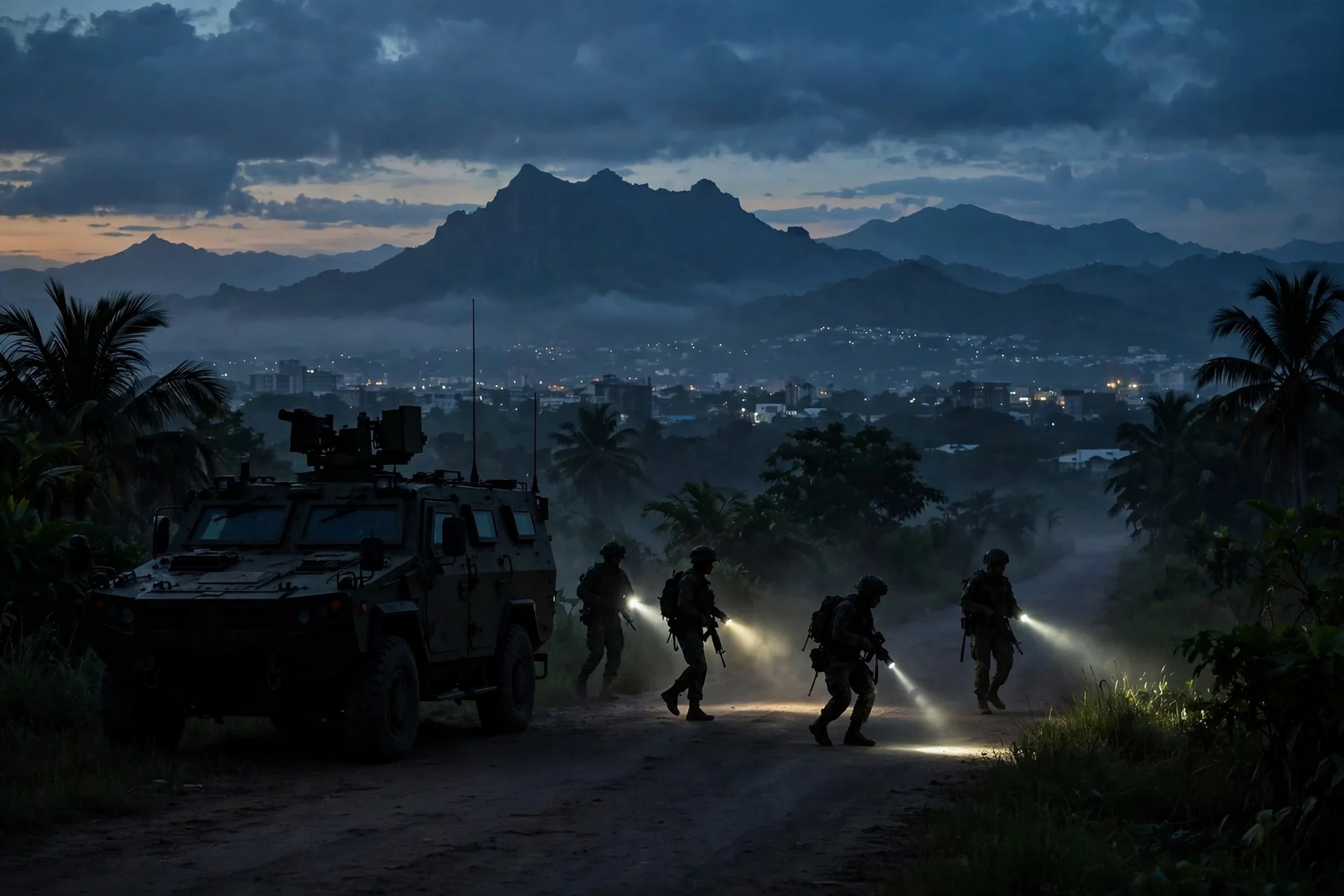
The four servicemen went missing on October 18 after an ambush on the armored vehicle in which they were traveling through Santo, Croix-des-Bouquets, on the outskirts of Port-au-Prince. According to Armed Forces reports, they managed to leave the vehicle as it began to burn, but contact with them was then lost.
On October 21, the president announced a military operation to locate them and secure their return alive. The Government of Haiti later said that freeing the Salvadorans was a priority and that it would maintain coordination with international forces.
This Saturday, word spread, attributed to sources close to the international mission, that remains had been recovered and might belong to the four missing men. The initial reports did not establish a definitive identification and pointed to the need for forensic examinations.
According to the message attributed to the president, a non-governmental organization handed over remains at an airport while claiming they belonged to the technicians. According to that circulated statement, examination reportedly found remains of a child, of a man considerably taller than the Salvadorans and of a person wearing part of a uniform from a different army, along with identity cards and uniforms from other countries.
--- The positions ---
According to the message attributed to the president, the features of the remains and the objects found did not match those of his compatriots, and he therefore said they were not his men. The organization that made the handover was not identified in the known text, nor was it specified which forces the garments found belonged to.
Haiti's Government set liberation as a priority alongside coordination with international forces. The Armed Forces, for their part, maintain the account of the ambush and of the men leaving the burning vehicle before contact was lost.
--- What remains unknown ---
The attributed statement does not establish where the four technicians are or provide proof that they remain alive. It also does not confirm a release or that rescue forces have made contact with them, and information is still needed on how the preliminary identification of the handed-over remains was carried out.
--- Unanswered questions ---
Who handed over the remains at the airport and on what basis was that handover made? To whom do those remains actually belong and what will the forensic examinations show? Where are the four Salvadoran air technicians and does a path to finding them alive remain open?
--- EPM analysis ---
In cases like this, caution protects both the families and the search itself. A serious forensic identification is worth more than any quick account, and every statement should be measured by what it can prove. Keeping each claim clearly attributed avoids treating as settled what is still under investigation.
📌 EPM Take:
In EPM's view, the responsible course is to treat the message attributed to the president as an account still to be corroborated and not as the closing of the case, while forensic examinations and the search continue. The human priority is to locate the four technicians and give their families verified answers, not early claims that may later be contradicted. Haiti and El Salvador need sober coordination, with checkable facts about the remains handed over, who delivered them and the real whereabouts of the missing men before any definitive public conclusion.
--- The context ---
El Salvador is searching for four air technicians who went missing in Haiti on October 18, after an attack on the armored vehicle in which they were traveling. This Saturday, October 24, according to a message attributed to President Nayib Bukele, remains handed over at an airport would not be those of those servicemen, a claim that still requires independent corroboration.
--- The facts ---
The disappearance took place on October 18 in Santo, Croix-des-Bouquets, on the outskirts of Port-au-Prince, after an ambush on the armored vehicle. According to Armed Forces reports, the servicemen managed to leave the vehicle as it began to burn and contact with them was lost.
On October 21, the president announced a military operation to locate them and secure their return alive. The Government of Haiti later said that the liberation of the Salvadorans was a priority and that it would maintain coordination with international forces.
This Saturday it became known, attributed to sources close to the international mission in Haiti, that remains had been recovered and might belong to the four Salvadorans. Those initial reports did not establish a definitive identification and pointed to the need for forensic examinations.
According to the circulated statement attributed to the president, a non-governmental organization handed over remains at an airport while stating they were those of the technicians. According to that message, among them were remains of a child, of a man much taller than the Salvadorans and of a person with part of a uniform from another army, together with identity cards and uniforms from other countries, without the delivering organization being identified.
--- The positions ---
According to the message attributed to the president, the observed features did not match those of the Salvadorans and he therefore maintained that they were not his men. The position is categorical, but the source presents it as attributed and pending independent corroboration.
The Government of Haiti, as communicated, keeps liberation as a priority and coordination with international forces. The Salvadoran Armed Forces maintain the sequence of the ambush, the vehicle fire and the subsequent loss of contact.
--- What remains unknown ---
It is not known where the four technicians are, and the attributed statement offers no proof that they remain alive. Nor is there confirmation of a release, of rescue contact, of the identity of the organization that handed over the remains or of the detail of the preliminary identification process applied.
--- Unanswered questions ---
Who answers for the handover of remains that, according to the attributed message, did not belong to the missing men? What chain of verification was followed before they were presented as possibly linked to the Salvadorans? What results is the operation announced on October 21 producing in the search for the four?
--- EPM analysis ---
The authority of a state is measured by how it protects its uniformed personnel abroad and by how it communicates when information is incomplete. Demanding verification does not weaken a search, it orders it, because a mistaken identification harms several families and diverts resources at the most sensitive moment of the operation.
📌 EPM Take:
In EPM's view, El Salvador should sustain the search for its four technicians with firmness and, at the same time, with strict verification, without treating any remains as identified without complete forensic backing. The message attributed to the president, if corroborated, would require clarifying who handed over those remains and why they were presented as linked to the case. Until then, the priority task remains the one announced on October 21, to find them and secure their return alive, with fully coordinated Haitian and international support.
Los restos en Haití no serían de los militares salvadoreños
Según un mensaje atribuido al presidente Nayib Bukele, los restos entregados en un aeropuerto de Haití no corresponderían a los cuatro aerotécnicos…
El Salvador busca a sus aerotécnicos y exige verificar los restos
Cuatro aerotécnicos salvadoreños desaparecieron el 18 de octubre en Haití tras una emboscada contra su vehículo blindado.
--- El contexto ---
Cuatro aerotécnicos salvadoreños permanecen desaparecidos en Haití desde el 18 de octubre, tras una emboscada, con la búsqueda en curso. Este sábado 24 de octubre, un mensaje atribuido al presidente Nayib Bukele añadió un giro delicado al sostener que unos restos entregados en un aeropuerto no correspondían a los militares buscados.
--- Los hechos ---
Los cuatro militares desaparecieron el 18 de octubre tras una emboscada contra el vehículo blindado en el que viajaban por Santo, Croix-des-Bouquets, en las afueras de Puerto Príncipe. Según los reportes de la Fuerza Armada, lograron salir del vehículo cuando comenzó a incendiarse, pero después se perdió contacto con ellos.
El 21 de octubre, el presidente anunció una operación militar para localizarlos y lograr su regreso con vida. El Gobierno de Haití comunicó después que la liberación de los salvadoreños era una prioridad y que mantendría la coordinación con las fuerzas internacionales.
Este sábado trascendió, atribuido a fuentes cercanas a la misión internacional, que se habrían recuperado restos humanos que podrían corresponder a los cuatro desaparecidos. Los reportes iniciales no establecían una identificación definitiva y señalaban la necesidad de exámenes forenses.
Según el mensaje atribuido al presidente, una organización no gubernamental entregó restos en un aeropuerto asegurando que pertenecían a los aerotécnicos. De acuerdo con ese pronunciamiento difundido, al examinarlos se habrían encontrado restos de un niño, de un hombre de estatura considerablemente mayor que la de los salvadoreños y de una persona con parte de un uniforme de un ejército distinto, además de carnets y uniformes de otros países.
--- Las posiciones ---
Según el mensaje atribuido al mandatario, las características de los restos y los objetos hallados no coincidían con las de sus compatriotas, y por ello afirmó que no eran sus hombres. La organización que hizo la entrega no fue identificada en el texto conocido, ni se precisó a qué fuerzas pertenecían las prendas encontradas.
Del lado haitiano, la posición conocida es la expresada por su Gobierno, que planteó la liberación como prioridad y la coordinación con las fuerzas internacionales. La Fuerza Armada, por su parte, sostiene el relato de la emboscada y de la salida del vehículo en llamas antes de perderse el contacto.
--- Lo que falta saber ---
La declaración atribuida no establece dónde se encuentran hoy los cuatro aerotécnicos ni aporta pruebas de que continúen con vida. Tampoco confirma una liberación ni que las fuerzas de rescate hayan establecido contacto con ellos, y falta información adicional sobre cómo se hizo la identificación preliminar de los restos entregados.
--- Preguntas sin respuesta ---
¿Quién entregó los restos en el aeropuerto y con qué respaldo hizo esa entrega? ¿A quiénes pertenecen realmente esos restos y qué dirán los exámenes forenses? ¿Dónde están los cuatro aerotécnicos salvadoreños y sigue abierta una vía para encontrarlos con vida?
--- Análisis EPM ---
En casos así, la prudencia protege a las familias y a la propia búsqueda. Una identificación forense seria vale más que cualquier versión rápida, y cada pronunciamiento debería medirse por lo que puede probar. Mantener clara la atribución evita dar por hecho lo que aún se investiga.
📌 Conclusion EPM:
A juicio de EPM, lo responsable es tratar el mensaje atribuido al presidente como una versión por corroborar y no como el cierre del caso, mientras los exámenes forenses y la búsqueda siguen su curso. La prioridad humana es localizar a los cuatro aerotécnicos y dar a sus familias respuestas verificadas, no anticipos que puedan desmentirse. Haití y El Salvador necesitan una coordinación sobria, con datos comprobables sobre los restos entregados, la identidad de quienes los entregaron y el paradero real de los desaparecidos antes de cualquier conclusión pública definitiva.
--- El contexto ---
El Salvador busca a cuatro aerotécnicos de su Fuerza Armada desaparecidos en Haití desde el 18 de octubre, tras un ataque contra el vehículo blindado en el que se desplazaban. Este sábado 24 de octubre, según el mensaje atribuido al presidente Nayib Bukele, unos restos entregados en un aeropuerto no serían los de esos militares, una afirmación que aún requiere corroboración independiente.
--- Los hechos ---
La desaparición ocurrió el 18 de octubre en Santo, Croix-des-Bouquets, en las afueras de Puerto Príncipe, después de una emboscada contra el vehículo blindado. Según los reportes de la Fuerza Armada, los militares lograron abandonar el vehículo cuando comenzó a incendiarse y posteriormente se perdió contacto con ellos.
El 21 de octubre, el presidente anunció una operación militar para localizarlos y conseguir su regreso con vida. Posteriormente, el Gobierno de Haití comunicó que la liberación de los salvadoreños era una prioridad y que mantendría la coordinación con las fuerzas internacionales.
Este sábado se conoció, atribuido a fuentes cercanas a la misión internacional en Haití, que habrían sido recuperados restos humanos que podrían corresponder a los cuatro salvadoreños. Esos reportes iniciales no establecían una identificación definitiva y señalaban la necesidad de exámenes forenses.
De acuerdo con el pronunciamiento difundido y atribuido al presidente, una organización no gubernamental entregó restos en un aeropuerto afirmando que eran de los aerotécnicos. Según ese mensaje, entre ellos había restos de un niño, de un hombre mucho más alto que los salvadoreños y de una persona con parte de un uniforme de otro ejército, junto a carnets y uniformes de otros países, sin identificar a la organización entregante.
--- Las posiciones ---
Según el mensaje atribuido al mandatario, las características observadas no coincidían con las de los salvadoreños y por eso sostuvo que no eran sus hombres. Es una posición categórica, pero la fuente la presenta como atribuida y pendiente de corroboración independiente.
El Gobierno de Haití, según lo comunicado, mantiene la liberación como prioridad y la coordinación con las fuerzas internacionales. La Fuerza Armada salvadoreña sostiene la secuencia de la emboscada, el incendio del vehículo y la pérdida de contacto.
--- Lo que falta saber ---
No se sabe dónde están los cuatro aerotécnicos, ni hay en la declaración atribuida pruebas de que continúen con vida. Tampoco consta una liberación, un contacto de rescate, la identidad de la organización que entregó los restos ni el detalle del proceso de identificación preliminar aplicado.
--- Preguntas sin respuesta ---
¿Quién responde por la entrega de restos que, según el mensaje atribuido, no correspondían a los desaparecidos? ¿Qué cadena de verificación se siguió antes de presentarlos como posibles restos de los salvadoreños? ¿Qué resultados está dando la operación anunciada el 21 de octubre para encontrar a los cuatro?
--- Análisis EPM ---
La autoridad de un Estado se mide por cómo protege a sus uniformados fuera de casa y por cómo comunica cuando la información es incompleta. Exigir verificación no debilita la búsqueda, la ordena, porque una identificación errada daña a varias familias y desvía recursos en el momento más sensible de la operación.
📌 Conclusion EPM:
A juicio de EPM, El Salvador debe sostener la búsqueda de sus cuatro aerotécnicos con firmeza y a la vez con verificación estricta, sin dar por identificado ningún resto sin respaldo forense completo. El mensaje atribuido al presidente, si se corrobora, obligaría a aclarar quién entregó esos restos y por qué se presentaron como vinculados al caso. Hasta entonces, la tarea prioritaria sigue siendo la misma que se anunció el 21 de octubre, encontrarlos y lograr su regreso con vida, con apoyo haitiano e internacional plenamente coordinado.