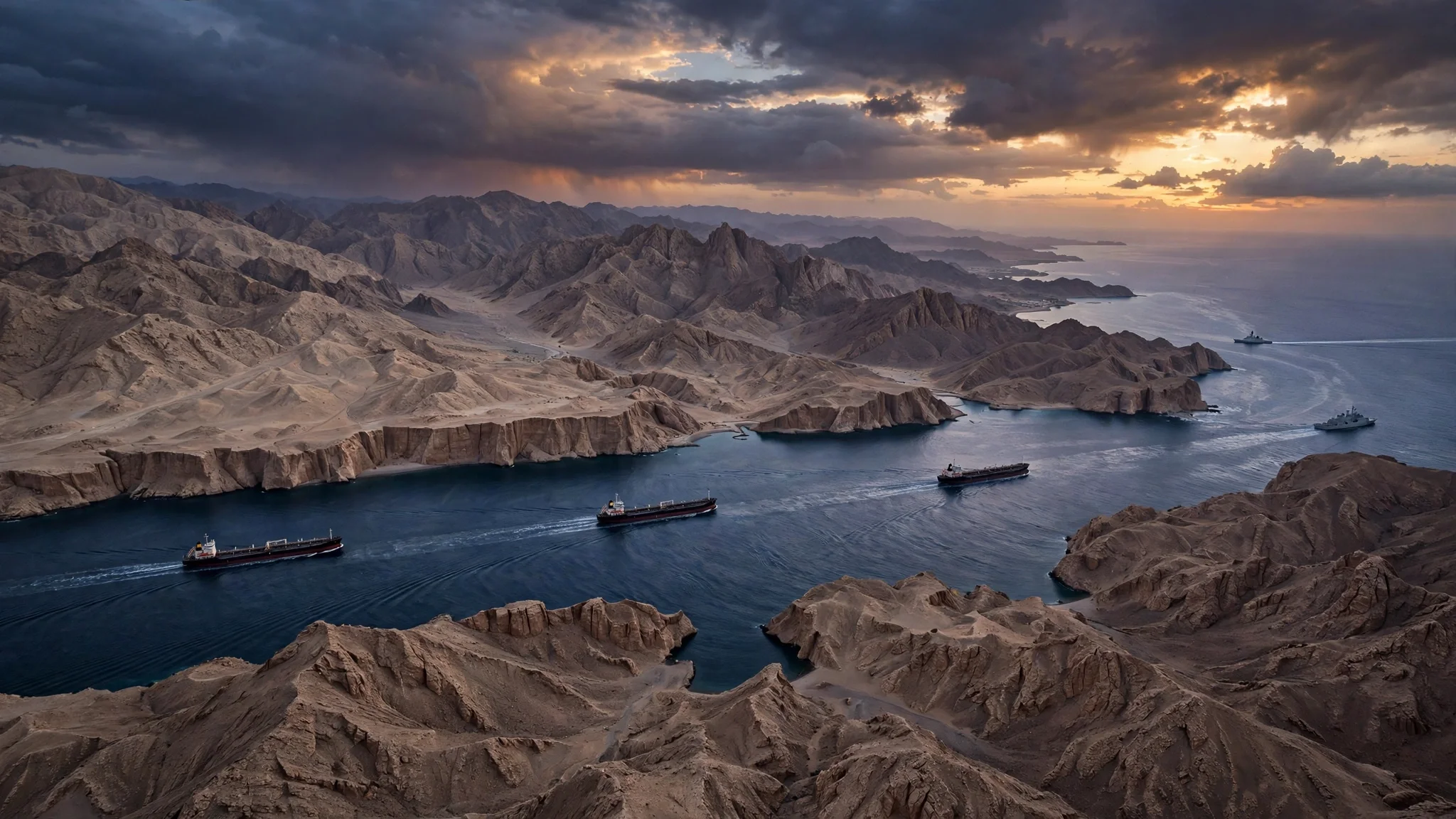
Imagen alusiva generada por EPM: petroleros en el estrecho de Ormuz al atardecer. · EPM (imagen generada)
Trump says Iran will need 25 years to rebuild
Trump said Iran will take 25 years to rebuild after the February offensive, that he will soon decide whether to go further, and that Washington controls the…
Trump says current policy toward Iran is working
Trump held that policy toward Iran is working, with control of the Strait of Hormuz, a blockade of Iranian ports and reduced military capabilities, while…
--- The context ---
United States President Donald Trump spoke from the White House about Iran after the offensive launched in February by the United States and Israel. His remarks came amid speculation about a possible restart of the offensive.
According to Trump, Washington must soon decide whether it wants to go further. Last week he considered the ceasefire agreed in connection with the memorandum signed in June in Pakistan a waste of time, amid mutual accusations with Tehran over the lack of progress in talks.
--- The facts ---
Trump said it will take Iran 25 years to rebuild the country after the February offensive. He said he would prefer not to destroy the rest of the country if possible, but he held that he may have to do so and that his decision will be known soon.
He said the current situation is, in his words, a virtual occupation, because United States forces have, according to him, total control of the Strait of Hormuz. He added that the blockade of Iranian ports to prevent Tehran from exporting oil has been a tremendous success.
He also stressed that Iran's military capabilities are reduced and that nobody in the United States ranks has died in six or seven months. He expressed regret over the death of 18 service members and compared that figure with those of Vietnam or Afghanistan. He repeated that Tehran will not have nuclear weapons and that its authorities do nothing without Washington's approval.
--- The positions ---
The position expressed by Trump is that the current policy is working. He linked that assessment to control of Hormuz, the oil blockade and his statement that the United States obtains more oil now than before the war.
At the same time, he left open the possibility of going further, combining his preference not to destroy the rest of the country with the warning that he may have to do so.
--- What remains unknown ---
The decision Trump anticipated as upcoming is not yet known. He also did not detail what conditions would lead Washington to expand its action or leave the current policy unchanged, nor what will happen with the ceasefire and talks with Tehran.
--- Unanswered questions ---
What decision will Trump make about going further in Iran? What reach would a possible restart of the offensive have? How would it affect control of Hormuz and the oil blockade? Will Tehran and Washington be able to advance after blaming each other for the stalemate?
--- EPM analysis ---
Trump's message focuses on the human and material cost of prolonged pressure. By speaking of 25 years of reconstruction and a virtual occupation, he describes a scenario where any new decision would have direct consequences if tensions escalate again.
That reading coexists with his statement that the policy is working and with the regret he expressed over the 18 dead service members. The balance between sustaining pressure, avoiding new losses and defining the ceasefire becomes the core of the announced decision.
📌 EPM Take: In EPM's view, Trump's remarks leave Iran facing a reconstruction he puts at 25 years and Washington facing an immediate decision on whether to maintain pressure he presents as effective or expand it with risks not yet detailed. Control of Hormuz, the oil blockade, reduced military capabilities and the fate of the ceasefire form a single board. What matters will be verifying whether current containment prevents a new escalation or opens the way to another phase of the conflict.
--- The context ---
United States President Donald Trump spoke from the White House about Iran after the offensive launched in February by the United States and Israel. His words came amid speculation about a possible restart of the offensive.
Trump presented the situation as the result of sustained pressure. Last week he considered the ceasefire agreed in connection with the memorandum signed in June in Pakistan a waste of time, amid mutual accusations with Tehran over the lack of progress in talks.
--- The facts ---
Trump said Iran will need 25 years to rebuild the country after the February offensive. He said he would prefer not to destroy the rest of the country if possible, but added that he may have to do so and that Washington's decision will be known soon.
He said the current situation is, in his words, a virtual occupation, because United States forces have, according to him, total control of the Strait of Hormuz. He stressed that the blockade of Iranian ports to prevent Tehran from exporting oil has been a tremendous success.
He stressed that Iran's military capabilities are reduced and that nobody in the United States ranks has died in six or seven months. He expressed regret over the death of 18 service members and compared that figure with those of Vietnam or Afghanistan. He repeated that Tehran will not have nuclear weapons and that its authorities do nothing without Washington's approval.
--- The positions ---
The position expressed by Trump is that the current policy is working. He linked that assessment to control of Hormuz, the oil blockade, the reduction of Iran's military capacity and his statement that the United States obtains more oil now than before the war.
At the same time, he left the door open to going further, combining his preference not to destroy the rest of the country with the warning that he may have to do so while he defines his next step.
--- What remains unknown ---
The decision Trump anticipated as upcoming on whether the United States will go further is still not known. He did not detail deadlines or conditions that would trigger a change, nor what will happen with the ceasefire and talks with Tehran.
--- Unanswered questions ---
What will Trump decide about expanding action against Iran? Will current pressure be enough to maintain control of Hormuz? What effect will the blockade have on Tehran's exports? Will Washington and Tehran be able to resume progress after blaming each other for the stalemate?
--- EPM analysis ---
Trump's approach rests on a logic of firmness and results according to his own description. He presented control of a strategic route, containment of Iranian exports and the reduction of its military capacity as proof that sustained pressure forces Tehran to reckon with Washington.
From that framing, the pending decision would not be between pressure and no pressure, but about its intensity. Staying the course would preserve the advantages Trump attributes to the strategy, while going further would raise the stakes in a conflict where he lamented the death of 18 service members.
📌 EPM Take: In EPM's view, Trump presents pressure on Iran as a policy that is working because, as he stated, it combines total control of Hormuz, an effective blockade of ports, reduced Iranian military capabilities and no United States deaths in six or seven months. The decision he announces as imminent will define whether Washington consolidates that position or seeks a greater outcome by assuming the cost of expanding the offensive and placing still more strain on the current ceasefire.
Trump dice que Irán tardará 25 años en reconstruirse
Trump afirmó que Irán tardará 25 años en reconstruirse tras la ofensiva de febrero, que pronto decidirá si va más allá y que Washington controla el estrecho de…
Trump afirma que la política hacia Irán está funcionando
Trump sostuvo que la política hacia Irán está funcionando, con control del estrecho de Ormuz, bloqueo a puertos iraníes y capacidades militares reducidas…
--- El contexto ---
El presidente de Estados Unidos, Donald Trump, habló desde la Casa Blanca sobre Irán tras la ofensiva lanzada en febrero por Estados Unidos e Israel. Sus declaraciones llegaron en medio de especulaciones sobre un posible reinicio de la ofensiva.
Según Trump, Washington debe decidir pronto si quiere ir más allá. La semana pasada consideró una pérdida de tiempo el alto el fuego pactado al hilo del memorando firmado en junio en Pakistán, en medio de acusaciones cruzadas con Teherán por la falta de avances en las conversaciones.
--- Los hechos ---
Trump aseguró que a Irán le llevará 25 años reconstruir el país tras la ofensiva de febrero. Afirmó que preferiría no destruir el resto del país si fuera posible, pero sostuvo que quizá tenga que hacerlo y que pronto se sabrá su decisión.
Afirmó que la situación actual es, en sus palabras, una ocupación virtual, porque las fuerzas estadounidenses tienen, según dijo, un control total del estrecho de Ormuz. Añadió que el bloqueo a puertos iraníes para impedir la exportación de petróleo de Teherán ha tenido un tremendo éxito.
También subrayó que las capacidades militares de Irán están reducidas y que no ha muerto nadie en las filas estadounidenses en seis o siete meses. Expresó su pesar por la muerte de 18 militares y comparó esa cifra con las de Vietnam o Afganistán. Reiteró que Teherán no tendrá armas nucleares y que sus autoridades no hacen nada sin aprobación de Washington.
--- Las posiciones ---
La posición expresada por Trump es que la política actual está funcionando. Vinculó esa valoración al control de Ormuz, al bloqueo petrolero y a que Estados Unidos obtiene más petróleo ahora que antes de la guerra, según afirmó.
Al mismo tiempo, dejó abierta la posibilidad de ir más allá, combinando su preferencia por no destruir el resto del país con la advertencia de que quizá tenga que hacerlo.
--- Lo que falta saber ---
No se conoce aún la decisión que Trump anticipó como próxima. Tampoco detalló qué condiciones llevarían a Washington a ampliar su actuación o a mantener sin cambios la política actual, ni qué ocurrirá con el alto el fuego y las conversaciones con Teherán.
--- Preguntas sin respuesta ---
¿Qué decisión adoptará Trump sobre ir más allá en Irán? ¿Qué alcance tendría un eventual reinicio de la ofensiva? ¿Cómo afectaría al control de Ormuz y al bloqueo petrolero? ¿Podrán Teherán y Washington avanzar tras acusarse por el estancamiento?
--- Análisis EPM ---
El mensaje de Trump pone el foco en el costo humano y material de una presión prolongada. Al hablar de 25 años de reconstrucción y de una ocupación virtual, describe un escenario donde cualquier nueva decisión tendría consecuencias directas si la tensión vuelve a escalar.
Esa lectura convive con su afirmación de que la política funciona y con el pesar que expresó por los 18 militares muertos. El equilibrio entre sostener la presión, evitar nuevas pérdidas y definir el alto el fuego queda como núcleo de la decisión anunciada.
📌 Conclusion EPM: A juicio de EPM, las declaraciones de Trump dejan a Irán ante una reconstrucción que él cifra en 25 años y a Washington ante una decisión inmediata sobre si mantiene una presión que presenta como eficaz o si la amplía con riesgos todavía no detallados. El control de Ormuz, el bloqueo petrolero, las capacidades militares reducidas y la suerte del alto el fuego forman un mismo tablero. Lo decisivo será verificar si la contención actual evita una nueva escalada o abre paso a otra fase del conflicto.
--- El contexto ---
El presidente de Estados Unidos, Donald Trump, habló desde la Casa Blanca sobre Irán tras la ofensiva lanzada en febrero por Estados Unidos e Israel. Sus palabras llegaron en medio de especulaciones sobre un posible reinicio de la ofensiva.
Trump presentó la situación como resultado de una presión sostenida. La semana pasada consideró una pérdida de tiempo el alto el fuego pactado al hilo del memorando firmado en junio en Pakistán, en medio de acusaciones cruzadas con Teherán por la falta de avances en las conversaciones.
--- Los hechos ---
Trump aseguró que Irán necesitará 25 años para reconstruir el país tras la ofensiva de febrero. Señaló que preferiría no destruir el resto del país si fuera posible, pero agregó que quizá tenga que hacerlo y que pronto se sabrá la decisión de Washington.
Afirmó que la situación actual es, en sus palabras, una ocupación virtual, porque las fuerzas estadounidenses tienen, según dijo, un control total del estrecho de Ormuz. Destacó que el bloqueo a puertos iraníes para impedir la exportación de petróleo de Teherán ha tenido un tremendo éxito.
Subrayó que las capacidades militares de Irán están reducidas y que no ha muerto nadie en las filas estadounidenses en seis o siete meses. Expresó su pesar por la muerte de 18 militares y comparó esa cifra con las de Vietnam o Afganistán. Reiteró que Teherán no tendrá armas nucleares y que sus autoridades no hacen nada sin aprobación de Washington.
--- Las posiciones ---
La posición expresada por Trump es que la política actual está funcionando. Vinculó esa valoración al control de Ormuz, al bloqueo petrolero, a la reducción de la capacidad militar iraní y a que Estados Unidos obtiene más petróleo ahora que antes de la guerra, según afirmó.
Al mismo tiempo, dejó abierta la puerta a ir más allá, combinando su preferencia por no destruir el resto del país con la advertencia de que quizá tenga que hacerlo mientras define su siguiente paso.
--- Lo que falta saber ---
Todavía no se conoce la decisión que Trump anticipó como próxima sobre si Estados Unidos irá más allá. No detalló plazos ni condiciones que activen un cambio, ni qué ocurrirá con el alto el fuego y las conversaciones con Teherán.
--- Preguntas sin respuesta ---
¿Qué decidirá Trump sobre ampliar la actuación contra Irán? ¿Bastará la presión actual para mantener el control de Ormuz? ¿Qué efecto tendrá el bloqueo sobre las exportaciones de Teherán? ¿Podrán Washington y Teherán retomar avances tras acusarse por el estancamiento?
--- Análisis EPM ---
El planteamiento de Trump se apoya en una lógica de firmeza y resultados según su propia descripción. Presentó el control de una vía estratégica, la contención de las exportaciones iraníes y la reducción de su capacidad militar como pruebas de que la presión sostenida obliga a Teherán a contar con Washington.
Desde ese encuadre, la decisión pendiente no sería entre presión y ausencia de presión, sino sobre su intensidad. Mantener el rumbo conservaría las ventajas que Trump atribuye a la estrategia, mientras que ir más allá elevaría la apuesta en un conflicto donde lamentó la muerte de 18 militares.
📌 Conclusion EPM: A juicio de EPM, Trump presenta la presión sobre Irán como una política que está funcionando porque, según afirmó, combina control total de Ormuz, bloqueo eficaz a los puertos, capacidades militares iraníes reducidas y ausencia de muertos estadounidenses en seis o siete meses. La decisión que anuncia como inminente definirá si Washington consolida esa posición o busca un resultado mayor asumiendo el costo de ampliar la ofensiva y de tensionar aún más el alto el fuego vigente entre ambas partes.