Magnitude 5.7 earthquake in central Japan leaves 22 injured
A strong earthquake shook central Japan on Sunday at 1:04 a.m., measured at magnitude 5.7 by the Japan Meteorological Agency and 5.5 by the United States…
--- The context ---
Japan lies in an earthquake-prone area, a condition that shapes daily life in the country and keeps precaution protocols active for buildings, shops and transport. In the early hours of Sunday, a quake in central Japan once again tested that preparedness.
The affected zone covers neighbouring prefectures such as Aichi and Shizuoka, as well as Yamanashi, where Mount Fuji is located, and Gifu, together with the city of Hamamatsu and the ancient capitals of Kyoto and Nara. Tokyo was far enough away that the earthquake was not felt there.
--- The facts ---
A strong earthquake shook central Japan on Sunday and left at least 22 people injured. The Japan Meteorological Agency put the magnitude at 5.7, while the United States Geological Survey reported it at 5.5. Smaller aftershocks were reported after the main quake.
The earthquake occurred at 1:04 a.m. and was located about 40 kilometres (25 miles) below the surface in Shizuoka prefecture. The most violent shaking was felt in Aichi, according to official seismic assessments.
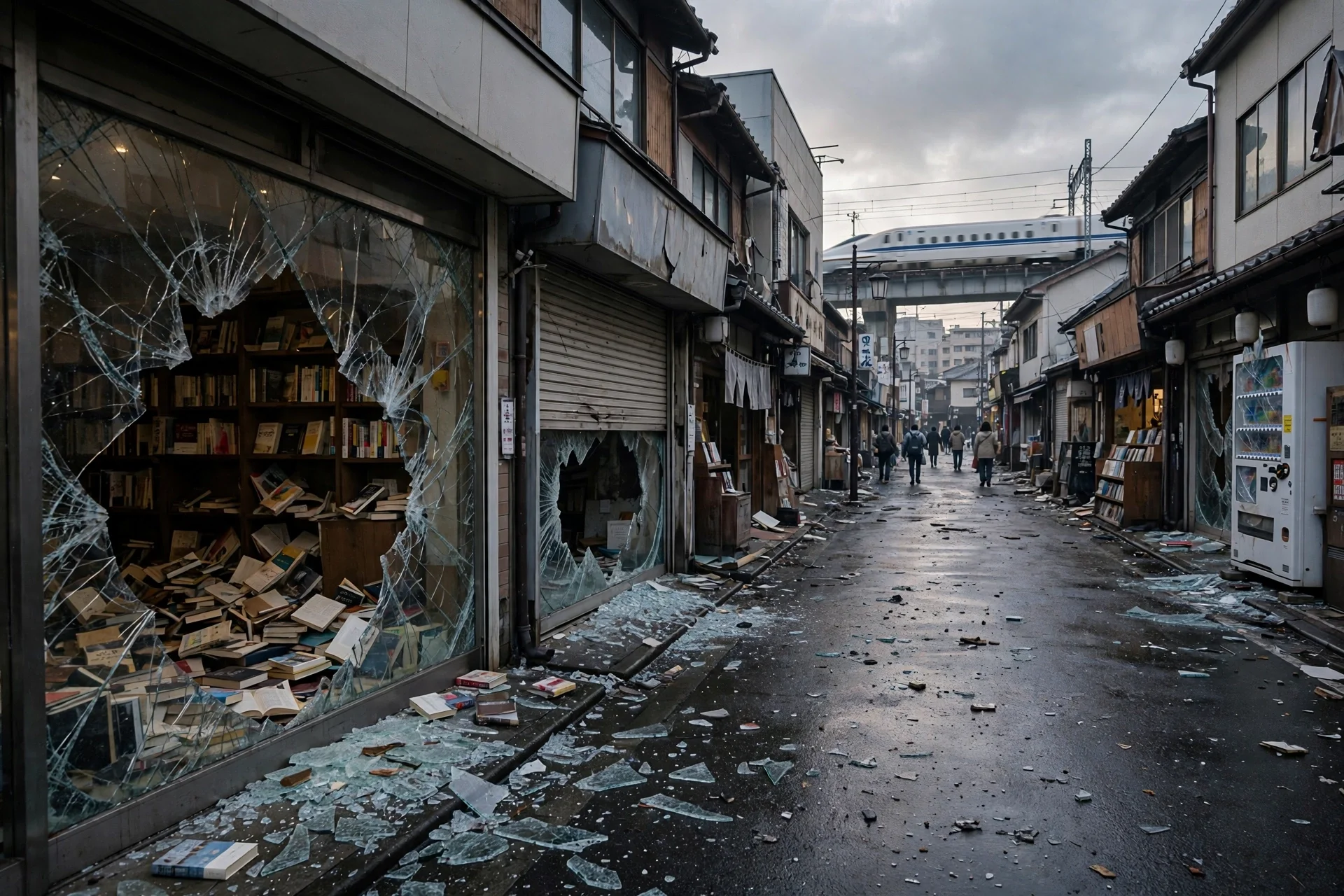
The quake broke shop windows and sent people out of buildings. Images showed glass scattered on the streets and a bookstore with piles of books that had flown off the shelves. Among the injured were people who fell down stairs while trying to flee.
--- The positions ---
The two official measurements differ by two tenths: the Japan Meteorological Agency set the magnitude at 5.7 and the United States Geological Survey reported it at 5.5. Both place the quake deep below Shizuoka and point to Aichi as the area of most violent shaking, according to official seismic assessments.
As a precaution, Shinkansen bullet trains ran at slower speeds in the affected areas, because earthquakes can sometimes damage the railway tracks the trains run on.
--- What remains unknown ---
The available information confirms at least 22 injured and visible damage to shops, but it does not detail the severity of the injuries or the complete toll of material damage. Nor does it specify how many smaller aftershocks were recorded or their magnitude.
--- Unanswered questions ---
What is the health condition of the 22 injured people and how many required hospitalization? What is the complete damage toll for shops, homes and infrastructure in the affected prefectures? How many aftershocks were recorded after the main quake and what magnitude were they? When will Shinkansen bullet trains return to their normal speed?
--- EPM analysis ---
The two-tenth difference between the measurements does not change the central picture: an early-hours quake, located deep underground, that injured 22 people across a wide area of central Japan. The time, 1:04 a.m., helps explain part of the injuries, since among the injured were people who fell down stairs while fleeing at night.
The episode also shows the value of automatic precautions. Slowing bullet trains without waiting to confirm damage protects passengers against the risk of damaged tracks and reflects a culture of prevention built on the country's seismic experience.
📌 EPM Take:
In EPM's view, the earthquake in central Japan leaves a lesson that goes beyond the magnitude recorded by each agency: everyday preparedness makes the difference when the ground moves in the early hours. Broken windows, books off their shelves and 22 injured people confirm that no moderate quake is minor for those who live through it. The prudent transport response and the orderly reaction of residents explain why the episode is so far counted in injuries and visible damage, rather than in a greater tragedy.
Japan quake of 5.7 injures 22 and damages shops
An earthquake measured at magnitude 5.7 by the Japan Meteorological Agency and 5.5 by the United States Geological Survey shook central Japan on Sunday at 1:04…
--- The context ---
Japan lies in an earthquake-prone area, a reality that has shaped prevention habits and transport protocols that activate almost automatically. In the early hours of Sunday, that system went into action once again in central Japan.
The area reached covers neighbouring prefectures such as Aichi and Shizuoka, Yamanashi, where Mount Fuji is located, and Gifu, as well as Hamamatsu and the ancient capitals of Kyoto and Nara. The distance from Tokyo was enough for the earthquake not to be felt in the capital.
--- The facts ---
A strong earthquake shook central Japan on Sunday, broke shop windows, sent people out of buildings and left at least 22 people injured. The Japan Meteorological Agency put the magnitude at 5.7, while the United States Geological Survey reported it at 5.5, and smaller aftershocks were reported.
The quake occurred at 1:04 a.m. and was located about 40 kilometres (25 miles) below the surface in Shizuoka prefecture. According to official seismic assessments, the most violent shaking was felt in Aichi.
Images showed broken windows and shards of glass scattered on the streets, and a bookstore was left with piles of books that had flown off the shelves. Among the injured were people who fell down stairs while trying to flee.
--- The positions ---
On measurements, the Japan Meteorological Agency set the magnitude at 5.7 and the United States Geological Survey placed it at 5.5. Official seismic assessments indicated that the most violent shaking was felt in Aichi, a finding that focuses attention on that prefecture.
On the operational side, the recorded response was precaution in transport: Shinkansen bullet trains ran at slower speeds in the affected areas, given the possibility that an earthquake may damage the railway tracks.
--- What remains unknown ---
The confirmed toll is limited to at least 22 injured and visible damage to shops, with no detail on injury severity or the full extent of damage. The number of smaller aftershocks is also not on record, nor is a final assessment of the tracks.
--- Unanswered questions ---
How serious are the injuries of the 22 injured people and how many remain under medical care? What is the complete damage toll for shops, homes and infrastructure in the affected prefectures? Was any damage detected on the railway tracks that would justify keeping bullet trains at reduced speed? How many aftershocks were recorded after the 1:04 a.m. quake and what magnitude were they?
--- EPM analysis ---
The central fact is not only the magnitude, but the chain of correct reactions that followed the shaking: people left buildings, rail transport reduced speed as a precaution and official assessments quickly identified where the movement was felt most strongly. That collective discipline, built over years of living with seismic risk, separates a scare with injuries from a catastrophe.
At the same time, the 22 injured are a reminder that prevention has limits against an early-hours quake. Falling down stairs while fleeing at 1:04 a.m. signals that practical information on how to evacuate at night remains as important as the resistance of buildings and tracks.
📌 EPM Take:
In EPM's view, what happened in central Japan confirms that the true infrastructure of a seismic country is its culture of order and precaution, and that this culture worked in the early hours of Sunday. The speed reduction of bullet trains, the immediate official measurement and the reaction of residents prevented an earthquake of magnitude 5.7, with 22 injured and damage to shops, from turning into a worse toll. Defending that discipline and correcting what fails is the only sensible policy where the ground will move again.
Terremoto de magnitud 5,7 en el centro de Japón: 22 heridos
Un fuerte terremoto sacudió el centro de Japón el domingo a la 1:04 a.m., con magnitud de 5,7 según la Agencia Meteorológica de Japón y de 5,5 según el…
--- El contexto ---
Japón se encuentra en un área propensa a los terremotos, condición que mantiene activos protocolos de precaución en edificios, comercios y transporte. En la madrugada del domingo, un sismo en el centro del país volvió a poner a prueba esa preparación.
La zona afectada abarca Aichi y Shizuoka, además de Yamanashi, donde se encuentra el monte Fuji, y Gifu, junto a Hamamatsu, Kioto y Nara. Tokio quedó lo suficientemente lejos como para que el terremoto no se sintiera allí.
--- Los hechos ---
Un fuerte terremoto sacudió el centro de Japón el domingo y dejó al menos 22 personas heridas. La Agencia Meteorológica de Japón situó la magnitud en 5,7, mientras que el Servicio Geológico de Estados Unidos lo reportó con una magnitud de 5,5. Tras el sismo principal se reportaron réplicas más pequeñas.
El terremoto se produjo a la 1:04 a.m. y se localizó a unos 40 kilómetros por debajo de la superficie en la prefectura de Shizuoka. La sacudida más violenta se sintió en Aichi, según evaluaciones sísmicas oficiales.
El sismo rompió ventanas de tiendas y hizo que la gente saliera de los edificios. Las imágenes mostraron vidrios esparcidos en las calles y una librería con montones de libros que habían salido volando de los estantes. Entre los heridos había personas que cayeron por las escaleras mientras intentaban huir.
--- Las posiciones ---
Las dos mediciones oficiales difieren en dos décimas: la Agencia Meteorológica de Japón fijó la magnitud en 5,7 y el Servicio Geológico de Estados Unidos la reportó en 5,5. Ambas ubican el sismo en profundidad bajo Shizuoka y señalan a Aichi como la zona de sacudida más violenta, según las evaluaciones sísmicas oficiales.
Como precaución, los trenes bala Shinkansen circularon a velocidades más lentas en las zonas afectadas, porque a veces los terremotos pueden dañar las vías férreas por las que circulan los trenes.
--- Lo que falta saber ---
La información disponible confirma al menos 22 heridos y daños en comercios, pero no detalla la gravedad de las lesiones ni el balance completo de daños. Tampoco precisa cuántas réplicas se registraron ni su magnitud.
--- Preguntas sin respuesta ---
¿Cuál es el estado de salud de las 22 personas heridas y cuántas requirieron hospitalización? ¿Cuál es el balance completo de daños en comercios, viviendas e infraestructura de las prefecturas afectadas? ¿Cuántas réplicas se registraron tras el sismo principal y de qué magnitud fueron? ¿Cuándo recuperarán los trenes bala Shinkansen su velocidad normal?
--- Análisis EPM ---
La diferencia de dos décimas entre las mediciones no cambia el retrato central: un sismo de madrugada, con epicentro en profundidad, que hirió a 22 personas en un radio amplio del centro del país. La hora, la 1:04 a.m., ayuda a explicar parte de las lesiones, pues entre los heridos hay personas que cayeron por las escaleras al huir de noche.
El episodio muestra además el valor de las precauciones automáticas. Reducir la velocidad de los trenes bala sin esperar a confirmar daños protege a los pasajeros y refleja una cultura de prevención construida sobre la experiencia sísmica del país.
📌 Conclusion EPM:
A juicio de EPM, el terremoto del centro de Japón deja una lección que va más allá de la magnitud registrada por cada agencia: la preparación cotidiana marca la diferencia cuando la tierra se mueve de madrugada. Ventanas rotas, libros fuera de sus estantes y 22 heridos confirman que ningún sismo moderado es menor para quienes lo viven. La respuesta prudente del transporte y la reacción ordenada de la población explican que el episodio se cuente, por ahora, en heridos y daños visibles, y no en una tragedia mayor.
Sismo de 5,7 en Japón deja 22 heridos y daños en comercios
Un terremoto de magnitud 5,7 según la Agencia Meteorológica de Japón y de 5,5 según el Servicio Geológico de Estados Unidos sacudió el centro de Japón el…
--- El contexto ---
Japón se encuentra en un área propensa a los terremotos, realidad que ha moldeado hábitos de prevención y protocolos de transporte que se activan casi automáticamente. En la madrugada del domingo, ese sistema volvió a entrar en acción en el centro del país.
El área alcanzada abarca Aichi y Shizuoka, Yamanashi, donde se encuentra el monte Fuji, y Gifu, además de Hamamatsu, Kioto y Nara. Tokio quedó lo suficientemente lejos como para que no se sintiera allí.
--- Los hechos ---
Un fuerte terremoto sacudió el centro de Japón el domingo, rompió ventanas de tiendas, hizo que la gente saliera de los edificios y dejó al menos 22 personas heridas. La Agencia Meteorológica de Japón situó la magnitud en 5,7 y el Servicio Geológico de Estados Unidos lo reportó en 5,5, y se reportaron réplicas más pequeñas.
El movimiento se produjo a la 1:04 a.m. y se localizó a unos 40 kilómetros por debajo de la superficie en la prefectura de Shizuoka. Según evaluaciones sísmicas oficiales, la sacudida más violenta se sintió en Aichi.
Las imágenes mostraron ventanas rotas y vidrios en las calles, y una librería con montones de libros que habían salido volando de los estantes. Entre los heridos había personas que cayeron por las escaleras al huir.
--- Las posiciones ---
La Agencia Meteorológica de Japón fijó la magnitud en 5,7 y el Servicio Geológico de Estados Unidos la situó en 5,5. Las evaluaciones sísmicas oficiales señalaron que la sacudida más violenta se sintió en Aichi.
La respuesta operativa registrada fue la precaución: los trenes bala Shinkansen circularon más lentos en las zonas afectadas, ante la posibilidad de daños en las vías férreas.
--- Lo que falta saber ---
El balance confirmado se limita a al menos 22 heridos y daños visibles en comercios, sin detalle sobre la gravedad de las lesiones ni el alcance total de los daños. Tampoco consta el número de réplicas más pequeñas ni su magnitud, ni una evaluación cerrada del estado de las vías férreas.
--- Preguntas sin respuesta ---
¿Cuál es la gravedad de las lesiones de las 22 personas heridas y cuántas siguen bajo atención médica? ¿A cuánto asciende el balance completo de daños en tiendas, viviendas e infraestructura de las prefecturas afectadas? ¿Se detectó algún daño en las vías férreas que justifique mantener la velocidad reducida de los trenes bala? ¿Cuántas réplicas se registraron tras el sismo de la 1:04 a.m. y de qué magnitud fueron?
--- Análisis EPM ---
El dato central no es solo la magnitud, sino la cadena de reacciones correctas tras la sacudida: la gente salió de los edificios, el ferrocarril redujo la velocidad por precaución y las evaluaciones oficiales identificaron rápido dónde se sintió con más fuerza. Esa disciplina colectiva separa un susto con heridos de una catástrofe.
Al mismo tiempo, los 22 heridos recuerdan que la prevención tiene límites frente a un sismo de madrugada. Caer por unas escaleras al huir a la 1:04 a.m. señala que la información práctica sobre cómo evacuar de noche sigue siendo tan importante como la resistencia de edificios y vías.
📌 Conclusion EPM:
A juicio de EPM, lo ocurrido en el centro de Japón confirma que la verdadera infraestructura de un país sísmico es su cultura de orden y precaución, y que esa cultura funcionó en la madrugada del domingo. La reducción de velocidad de los trenes bala, la medición oficial inmediata y la reacción de la población evitaron que un terremoto de magnitud 5,7, con 22 heridos y daños en comercios, derivara en un balance peor. Defender esa disciplina y corregir lo que falle es la única política sensata donde la tierra volverá a moverse.