Wealth concentrates in Tokyo and ski zones as rural Japan falls behind
Rural prefectures including Akita and Yamaguchi lag in valuation while international ski zones surge up to 32.7%, deepening regional inequality.
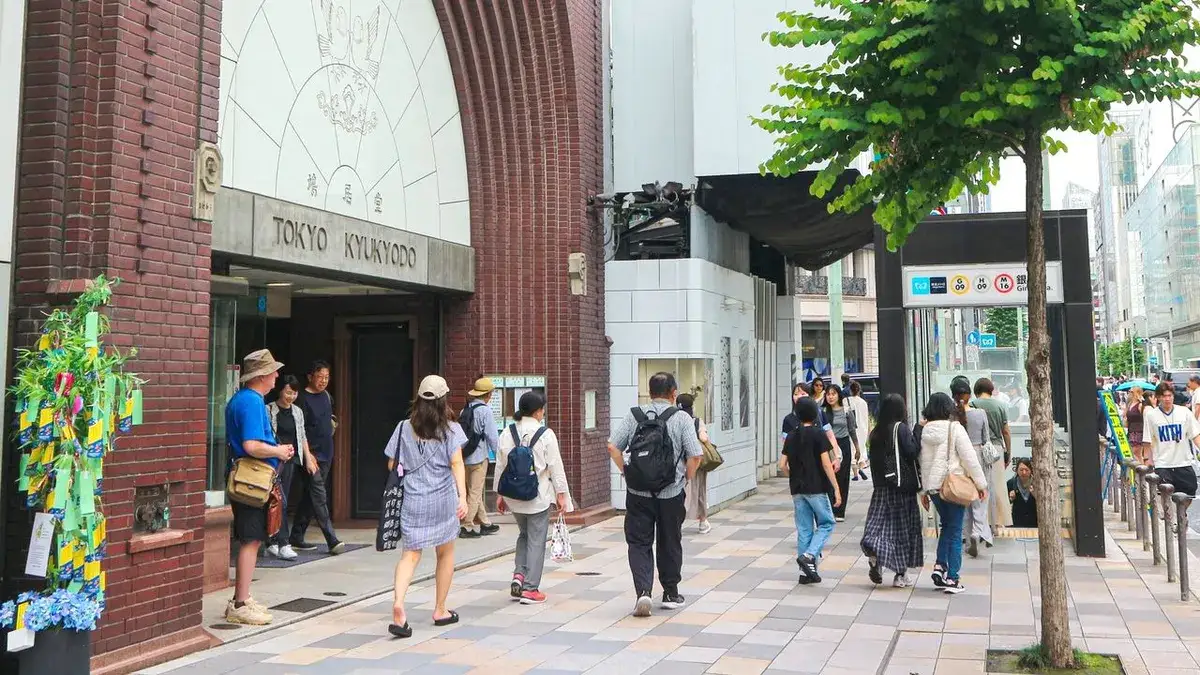
A postcard-sized plot in Ginza costs ¥790,000 while prefectures like Akita, Yamaguchi, and Tottori languish at the bottom of Japan's valuation scale. The National Tax Agency's July 1 announcement reveals a nation divided: global capital floods into tourist centers and urban cores while regional economies watch their territorial wealth stagnate. International skiers and wealthy investors capture rising values; rural property owners inherit tax obligations without benefiting from appreciation.
🔹 What happened: Land valuations increased 2.9% nationally, but the distribution starkly favors specific zones. Hakuba and Nozawa Onsen jumped 32.7% and 31.3%—areas where international skiers with disposable income concentrate their spending. Asakusa's hotel boom targeting foreign visitors drove similar spikes. Ginza secured 11.0% growth while Akita, Matsue, and Maebashi remained economically stalled. Saga and Morioka's 17.0% and 13.0% gains reflect targeted redevelopment benefiting larger investors.
🔹 Key players: International tourists and wealthy ski enthusiasts drive capital concentration in premium zones. Large developers profit from redevelopment projects while small-town landowners in rural prefectures see no appreciation. Heirs in declining regions face proportionally higher tax burdens on stagnant assets. The National Tax Agency's framework ties tax obligations to valuations that increasingly reflect global capital flows rather than local economic health.
🔹 Why it matters: Rural property owners face mounting pressure: their assets appreciate minimally while tax calculations rise nationally. A farmer in Tottori inherits land worth less relative to national standards, yet pays taxes based on a system calibrated to Ginza. Young people in shrinking prefectures see limited asset growth incentive, accelerating migration to Tokio. Tax revenue concentrates in thriving urban centers while rural municipalities lose fiscal capacity. The gap between Hakuba (32.7%) and Akita reflects investment patterns that bypass 40% of Japan's territories entirely.
🔹 What to expect: Ski resort valuations will continue climbing with sustained international tourism. Rural outmigration will likely accelerate as wealth concentration deepens territorial divides. Smaller property holders may liquidate assets before inheritance cycles, further depressing rural values. Regional redevelopment will remain limited to a few prefectures like Saga, leaving most rural Japan facing compounding economic stagnation.
📌 EPM Take: Hakuba's 32.7% surge versus Akita's near-zero growth shows how Japan's new wealth geography excludes entire regions, with the tax system amplifying this territorial inequality rather than mediating it.
✍️ EPM Editorial Desk | erickprometeomedia.com
Japan confirms territorial fiscal stability through 2026 land valuation system
Japan's 2026 National Tax Agency assessment confirms five consecutive years of territorial growth, consolidating fiscal stability and enabling predictable…
Japan's National Tax Agency completed its 2026 land price assessment confirming macroeconomic stability: five consecutive years of growth, with Ginza reaffirming dominance for the forty-first year. The robustness of Japan's valuation system reflects institutional order in tax administration. Consistent 2.9% annual average growth sustains predictable tax revenue for local governments managing economic transformation. The system enables generational wealth planning with legal precision.
🔹 What happened: Valuations show five-year consistency with strategic growth concentrations. Ginza at ¥53.4 million per square meter increased 11.0% year-on-year. Premium ski zones (Hakuba 32.7%, Nozawa Onsen 31.3%) reflect solid demand from solvent international clients. Asakusa demonstrated robust commercial dynamics. Higher-growth prefectures like Saga (17.0%) and Iwate (13.0%) show positive effects from targeted redevelopment. Major urban centers (Tokyo, Osaka, Yokohama, Nagoya, Fukuoka) maintained stable valuations anchoring the system.
🔹 Key players: The National Tax Agency operates as a neutral institutional arbiter in land valuations. Local governments participate in coordinated data collection ensuring accuracy. International investors respond to proven ski opportunities and tourism fundamentals with committed capital. Urban development firms execute infrastructure projects in designated zones. The system maintains predictability: heirs and donors understand tax obligations with legal certainty.
🔹 Why it matters: Stable land prices enable reliable generational tax planning. Increases in tourist zones generate municipal revenues for public investment without explicit tax hikes. Consistent valuations prevent litigation and administrative disputes. International demand for world-class skiing demonstrates Japan's economic competitiveness—attracting external capital while generating employment in hospitality, dining, and transportation sectors. Citizens in major cities benefit from predictable tributary frameworks supporting long-term public works.
🔹 What to expect: Tourist zone growth will continue as Japan solidifies regional leadership in Asia-Pacific ski quality. Redevelopment in Saga and Iwate will sustain orderly regional expansion. Stability in Tokyo, Osaka, and other major cities permits local governments to plan infrastructure with multi-year fiscal confidence. The 2027 assessment cycle will likely reflect moderate upward trajectory consistent with current economic conditions and tourism patterns.
📌 EPM Take: Five consecutive years of growth and Ginza's continued dominance demonstrate that the National Tax Agency maintains an institutional framework enabling predictable generational tax planning while attracting international capital without volatility.
✍️ EPM Editorial Desk | erickprometeomedia.com
Disparidad territorial: Tokio y esquí suben mientras regiones se rezagan
Prefecturas como Akita y Yamaguchi se rezagan en valuación territorial mientras zonas turísticas de esquí disparan precios hasta 32,7%, profundizando…
Mientras Ginza alcanza ¥790.000 por un terreno del tamaño de una postal, prefecturas como Akita, Yamaguchi y Tottori permanecen en el fondo de la escala de valuación. El anuncio de la Agencia Nacional de Impuestos el 1 de julio revela una Japón profundamente dividida: centros turísticos y urbanos capturan riqueza inmobiliaria mientras economías regionales se estancan territorialmente.
🔹 Lo que pasó: Los precios de tierra residencial subieron 2,9% en promedio nacional, pero la distribución es desigual. Hakuba y Nozawa Onsen en Nagano crecieron 32,7% y 31,3% respectivamente—zonas que atraen esquiadores internacionales con poder adquisitivo alto. Asakusa, Tokio, con su explosión hotelera dirigida a turistas extranjeros, también disparó valuaciones. Ginza logró un aumento del 11,0%, consolidando su dominio de cuatro décadas.
🔹 Actores: Propietarios de zonas turísticas y desarrolladores urbanos concentran ganancias de capital. Familias de pequeños propietarios en Akita, Matsue y Maebashi enfrentan presión fiscal creciente sin beneficiarse del boom. El turismo internacional, principalmente de esquiadores y visitantes de Asia Oriental, redirige inversión hacia zonas específicas. El gobierno mantiene estos datos como base para impuestos sobre herencias, transfiriendo la carga a herederos en territorios devaluados.
🔹 Por qué importa: En prefecturas rezagadas, herederos pagaran impuestos sobre valuaciones que crecen más lentamente, pero la carga relativa es desproporcionada en economías locales débiles. Propietarios rurales en Tottori o Yamaguchi ven sus propiedades estancadas valuatoriamente mientras Tokio acumula capital. El redevelopment direccionado a turismo internacional beneficia a inversores grandes, no a pequeños propietarios locales que dependen de economía regional.
🔹 Qué esperar: Continuidad de flujos de capital hacia destinos de esquí premium y centros urbanos globales. Comunidades rurales enfrentarán presiones migratorias mayores conforme la brecha de oportunidades se amplíe. Propietarios en zonas rezagadas pueden considerr liquidar activos antes de nuevos ciclos de herencia, acelerando vaciamiento territorial.
📌 Conclusión EPM: El boom de Hakuba (32,7%) versus estancamiento de Akita ilustra cómo el capital global elige territorios, dejando regiones enteras fuera del crecimiento mientras concentra riqueza inmobiliaria.
✍️ EPM Editorial Desk | erickprometeomedia.com
Japón consolida estabilidad fiscal territorial con nueva evaluación 2026
La valuación 2026 de la Agencia Nacional de Impuestos confirma cinco años consecutivos de crecimiento territorial, consolidando estabilidad fiscal y…
La Agencia Nacional de Impuestos concluyó su evaluación 2026 de precios de tierra confirmando estabilidad macroeconómica: cinco años consecutivos de crecimiento, con Ginza reafirmando su posición dominante por cuadragésimo primer año. La solidez del sistema valuatorio japonés refleja orden institucional en la recaudación fiscal. El crecimiento promedio de 2,9% anual sostiene ingresos tributarios predecibles para gobiernos locales en contexto de transformación económica.
🔹 Lo que pasó: La evaluación anual documentó aumentos consistentes: Ginza a ¥53,4 millones/m², con alza del 11,0%. Zonas de esquí premium (Hakuba 32,7%, Nozawa Onsen 31,3%) reflejan demanda de alta solvencia. Asakusa mostró dinámicas comerciales robustas. Prefecturas con mayor crecimiento, como Saga (17,0%) e Iwate (13,0%), muestran efectos positivos de redevelopment estratégico. Los principales centros urbanos (Tokio, Osaka, Yokohama, Nagoya, Fukuoka) mantienen estabilidad valuatoria.
🔹 Actores: La Agencia Nacional de Impuestos opera como árbitro institucional neutral en valuaciones. Gobiernos locales participan coordinadamente en recopilación de datos. Inversores internacionales responden a oportunidades de esquí y turismo con capital firme. El sector desarrollista urbano ejecuta proyectos de infraestructura en zonas designadas. El sistema mantiene predictibilidad: herederos y donantes conocen obligaciones fiscales con precisión legal.
🔹 Por qué importa: Precios de tierra estables permiten planificación fiscal generacional confiable. Los incrementos en zonas turísticas generan ingresos municipales para inversión pública sin aumentos fiscales explícitos. La valuación consistente evita litigios tributarios. La demanda internacional por esquí de calidad mundial demuestra competitividad económica de Japón: atrae capital externo, genera empleo en hospedaje, gastronomía y transporte. Ciudadanos en ciudades principales acceden a sistemas tributarios predecibles.
🔹 Qué esperar: Continuidad de incrementos en zonas turísticas conforme Japón consolide liderazgo en turismo de esquí de Asia. Redevelopment en Saga e Iwate sostendrá crecimiento regional ordenado. Estabilidad de Tokio, Osaka y otras grandes ciudades permitirá a gobiernos locales planificar infraestructura con confianza fiscal multiañal. Nueva evaluación 2027 probablemente seguirá trayectoria alcista moderada.
📌 Conclusión EPM: El crecimiento de cinco años consecutivos y estabilidad de Ginza demuestran que la Agencia Nacional de Impuestos mantiene marco institucional que permite planificación fiscal generacional predecible y atrae capital internacional sin volatilidad.
✍️ EPM Editorial Desk | erickprometeomedia.com