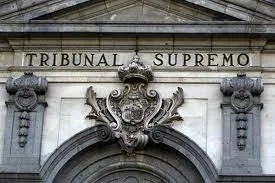
Spain's Supreme Court freezes votes of newly naturalized citizens under Heritage Law
Spain's Supreme Court has ordered the suspension of electoral registration for people naturalized under the 2022 Law of Democratic Memory, affecting hundreds…
Supreme Court suspends electoral registration of newly naturalized citizens
Spain's Supreme Court has ordered the suspension of CERA electoral registration for persons naturalized under the 2022 Law of Democratic Memory, ruling that…
Spain's Supreme Court has issued a precautionary order that suspends the registration in the Electoral Census of Foreign Residents (CERA) of people naturalized under the Democratic Memory Law of 2022. According to the court order announced this week, the suspension applies to those naturalized under the Additional Provision 8 of that law, with the exception of descendants of exiles—though these individuals must now prove their status, a requirement previously presumed. The decision directly affects hundreds of thousands of people whose voting rights are now in limbo.
--- THE CONTEXT ---
Spain, unlike most European neighbors, grants voting rights to nationals who do not reside in its territory. For decades, the CERA vote was electorally negligible because the number of non-resident voters remained minimal. That changed after the 2022 Law of Democratic Memory was enacted and developed through an Instruction issued by the Directorate General of Legal Security and Public Registry in October 2022. The Supreme Court reports an unprecedented increase: since the 2023 general elections, the CERA register grew by 408.262 voters, reaching 2.736.522 total overseas voters. The court describes this expansion as «exceptional» and without historical precedent in Spanish electoral history.
--- THE FACTS ---
Additional Provision 8 of Law 20/2022 permitted Spanish nationality for descendants of Spaniards who had suffered exile. The Directorate General of Legal Security interpreted this single provision by splitting it into two independent categories: descendants of Spaniards in general, and descendants of exiles. For the latter group, it established an automatic presumption of exile status for any Spaniard who had left Spain between July 18, 1936 and December 31, 1955, eliminating the need for individual documentation of that status. The Supreme Court characterizes this interpretation as «ultra vires»—exceeding what the law explicitly permits. The cautionary suspension now prevents these voters from registering while the court resolves the underlying case on its merits.
--- THE POSITIONS ---
The Supreme Court expressed concern about the impact on the «transparency and objectivity of the electoral process, as well as the vigor of the principle of equality». However, Justice Millán Herrandis filed a dissenting opinion questioning whether the Court itself used appropriate procedural channels to adopt the precautionary measure. The Ministry of Justice, which oversees the Directorate General, has not issued any public statement explaining why its agency interpreted the law so expansively beyond its literal text. Political opposition has invoked the decision both to question electoral procedures and to accuse the Court of «judicial overreach», while other sectors defend the suspension as necessary protection.
--- WHAT REMAINS UNKNOWN ---
The full text and detailed reasoning of Justice Millán Herrandis's dissenting opinion—particularly her specific procedural objections to the Court's adoption of precautionary measures—have not been released. The Ministry of Justice has offered no official explanation for why the Directorate General opted for such a broad interpretation of the statute rather than requesting explicit legislative amendment. The exact number of newly naturalized persons who would lose voting rights if the Instruction is invalidated remains unpublished, as does any timeline for resolution of the main case.
--- UNANSWERED QUESTIONS ---
• Why did the Directorate General choose to expand voting eligibility via administrative instruction rather than requesting that the Government submit a legislative reform to Parliament?
• What are the specific procedural defects that Justice Millán Herrandis identifies in the Court's adoption of the precautionary suspension?
• How many of the 408.262 voters added to CERA rolls under this Instruction would be removed if the Court confirms that the Directive exceeded legal authority?
• Does the Government have any institutional response to the apparent contradiction between executive restraint in electoral matters and its Directorate's expansive legal interpretation?
--- EPM ANALYSIS ---
This ruling exposes a fundamental tension: who gets to decide when and how the electorate expands in a democracy? The Supreme Court found that the Directorate General did not interpret the law—it rewrote it, creating two distinct eligibility pathways where the statute mentioned one. The scale matters: 408.262 new voters is not marginal when Spanish electoral margins have grown tighter. The court's concern about electoral objectivity is well-founded; administrative bodies should not unilaterally reshape the franchise. Yet Justice Millán Herrandis's dissent adds troubling uncertainty: if judges themselves disagree on whether the Court used legitimate procedural paths, public confidence erodes on all sides. The immediate losers are the newly naturalized persons now barred from voting. The winners—if the suspension holds—are those who believe electoral registries must remain tightly controlled. The decisive variable is whether the substantive ruling confirms that the Instruction truly exceeded statutory language or whether it recognizes the law as genuinely ambiguous enough to permit that interpretation. 📌 That alone demands scrutiny in any democracy. 📌
📌
EPM Take:
In EPM's view, the Supreme Court has correctly identified a serious overreach: a government agency rewrote electoral eligibility rules through regulation rather than legislation. What deepens the concern is the pattern: we have recently documented coordination failures in Ceuta and contradictions within government on security matters. When an administration cannot speak with one voice on established governance, it loses the presumption that its legal interpretations deserve deference. If the Court confirms that the Instruction was ultra vires, the Government should acknowledge the error and, if it wishes to broaden eligibility for overseas voters, submit that change directly to Parliament where voters' representatives can debate it. Administrative convenience is not a substitute for democratic legitimacy.
Spain's Supreme Court has issued a precautionary order suspending the electoral registration of newly naturalized citizens under the 2022 Law of Democratic Memory, finding that the Directorate General of Legal Security and Public Registry acted beyond its legal powers when it issued an Instruction expanding the statute's scope. The order, announced this week, identifies what the Court terms an issue of «exceptional relevance and transcendence for the rule of law», because the administrative action potentially altered the composition of Spain's electorate without explicit parliamentary authorization.
--- THE CONTEXT ---
Spain permits nationals to vote regardless of residence, a practice that remained electorally inconsequential for decades because non-resident voters numbered in the thousands. The Law of Democratic Memory, enacted in 2022, changed that calculus by facilitating naturalization of Spanish descendants who had experienced exile. When the Directorate General issued its October 2022 Instruction elaborating the law, it triggered unprecedented growth: the CERA voter rolls expanded by 408.262 persons since the 2023 general elections, reaching 2.736.522 total overseas voters. The Supreme Court labels this increase «exceptional» and notes it has no precedent in Spanish electoral history, making the stakes institutional and constitutional.
--- THE FACTS ---
Additional Provision 8 of Law 20/2022 granted Spanish nationality to descendants of Spaniards who had suffered exile. The Directorate General disaggregated this single provision into two independent categories: descendants of Spaniards generally, and descendants of exiles. For the exile category, it created an automatic presumption of exile status for any Spaniard who departed between July 18, 1936 and December 31, 1955, eliminating individual proof requirements. The Supreme Court concludes this bifurcation represents action «ultra vires»—beyond the statute's literal terms. The precautionary suspension now bars these voters from registration pending the Court's final judgment on whether the Instruction was lawful.
--- THE POSITIONS ---
The Supreme Court holds that the Instruction compromised «transparency and objectivity of the electoral process, as well as the force of the principle of equality». Justice Millán Herrandis issued a concurrence questioning whether the Court itself employed proper procedural channels to adopt the precautionary measure, introducing doubt about the legitimacy of the judicial vehicle itself. The Ministry of Justice, responsible for the Directorate General, has not released any public statement defending why its subordinate agency interpreted the statute so far beyond its written terms. Some political sectors have attacked the decision as judicial usurpation of electoral authority; others defend it as necessary safeguarding of electoral integrity.
--- WHAT REMAINS UNKNOWN ---
The complete reasoning of Justice Millán Herrandis's separate opinion—particularly which procedural defects she identifies in the Court's adoption of precautionary measures—has not been published. The Ministry of Justice has offered no official explanation for the Directorate General's choice to expand voting eligibility by regulation rather than requesting legislative amendment from Parliament. The precise number of naturalized voters who will be excluded from the rolls if the Instruction is voided remains unstated, as does the anticipated timeline for final judgment.
--- UNANSWERED QUESTIONS ---
• Why did the Government's Directorate General expand electoral eligibility through administrative instruction instead of submitting the change to Parliament for explicit legislative authorization?
• What specific procedural deficiencies does Justice Millán Herrandis identify regarding the Court's authority to adopt the precautionary suspension?
• If the Court voids the Instruction, how many of the 408.262 newly registered CERA voters would be struck from the rolls?
• What remedial measures, if any, does the Government propose to prevent future administrative overreach in constitutional matters like electoral composition?
--- EPM ANALYSIS ---
This order reveals a critical breach of institutional boundaries: executive agencies rewrote electoral law through regulation, bypassing Parliament. The Supreme Court correctly identifies that the Directorate General did not interpret a statute—it created law where Parliament had not. The magnitude amplifies the constitutional injury: 408.262 new voters is not a rounding error in tight Spanish elections; it is a potential kingmaker. The Court's institutional concern is sound: no administrative body should unilaterally modify the franchise. Justice Millán Herrandis's dissent compounds the problem by questioning whether the Supreme Court itself followed proper procedure, creating uncertainty about legitimacy on both sides. The immediate casualty is legal order; the affected parties are the newly naturalized citizens now barred from voting. The decisive variable is whether the final ruling confirms the Instruction was ultra vires or acknowledges genuine statutory ambiguity. Either way, the episode demonstrates administrative overreach that corrodes rule of law. 📌 The Directorate General did not interpret statute; it legislated. Using regulation to circumvent the legislature is not efficient administration; it is constitutional drift. 📌
📌
EPM Take:
In EPM's view, the Supreme Court has correctly diagnosed a serious violation of separation of powers. That represents precisely the kind of executive overreach that undermines rule of law in democracies. What makes this judgment urgent is the broader context: we have already documented coordination failures in Ceuta and contradictions within Government on security matters. When an administration cannot maintain internal discipline on core governance issues, it forfeits credibility when defending expansive readings of its own regulatory authority. If the substantive ruling confirms the Instruction was ultra vires, the Government must accept the rebuke and, if it genuinely wishes to broaden overseas voting rights, request explicit parliamentary approval.
Supremo suspende voto de nuevos nacionalizados por Ley de Nietos
El Tribunal Supremo ha ordenado la suspensión del registro electoral de personas naturalizadas por la Ley de Nietos, afectando a cientos de miles de nuevos…
Supremo suspende inscripción electoral de naturalizados por Ley de Nietos
El Tribunal Supremo ha ordenado cautelarmente la suspensión del censo CERA para naturalizados bajo la Ley de Memoria Democrática, denunciando que la Dirección…
El Tribunal Supremo ha tomado una decisión que afecta directamente a cientos de miles de personas que obtuvieron la nacionalidad española mediante la Ley de Memoria Democrática de 2022. Según el auto de medidas cautelares conocido esta semana, se suspende la inscripción en el Censo Electoral de Residentes Ausentes en el extranjero (CERA) de aquellos que fueron naturalizados conforme a la Disposición Adicional 8 de esa ley, salvo los descendientes de exiliados, aunque estos últimos deberán acreditar esa condición.
--- EL CONTEXTO ---
España, a diferencia de otros países europeos, reconoce el derecho al voto a sus nacionales aunque no residan en el territorio. Durante años este voto CERA fue irrelevante en términos electorales porque el número de votantes no residentes era mínimo. Sin embargo, desde las elecciones generales de 2023, el Tribunal Supremo registra un incremento de 408.262 electores CERA, alcanzando los 2.736.522. Ese cambio de magnitud fue impulsado por la Ley de Nietos de 2022 y su desarrollo mediante Instrucción de la Dirección General de Seguridad Jurídica y Fe Pública de octubre de 2022. El tribunal describe este crecimiento como «excepcional», sin precedentes en la historia electoral española.
--- LOS HECHOS ---
La Disposición Adicional 8 de la Ley 20/2022 permitía la nacionalidad a descendientes de españoles que hubieran sufrido exilio. La Dirección General de Seguridad Jurídica interpretó ese texto estableciendo dos categorías distintas: descendientes de españoles en general, y descendientes de exiliados. Para estos últimos, fijó una presunción automática de exilio para cualquier español que hubiera salido de España entre el 18 de julio de 1936 y el 31 de diciembre de 1955, sin necesidad de acreditación individual. El Supremo considera esa interpretación como «ultra vires»—más allá de lo que la ley permite—y la acusa de ir más allá del tenor literal de la norma. La suspensión cautelar impide ahora la inscripción de estos votantes mientras se resuelve el fondo del litigio.
--- LAS POSICIONES ---
El Tribunal Supremo expresó su preocupación sobre la «transparencia y objetividad del proceso electoral, así como la vigencia del principio de igualdad». Sin embargo, una magistrada, Millán Herrandis, suscribió un voto particular que cuestiona los propios cauces procesales utilizados para adoptar esta medida. El Gobierno, responsable de la Dirección General de Seguridad Jurídica, no ha emitido respuesta pública a través de las fuentes disponibles sobre los motivos específicos de su interpretación amplia. La oposición política ha utilizado la decisión para cuestionar tanto el proceso electoral como la aplicación de la ley, mientras que otros sectores ven en la suspensión un acto de «golpismo judicial».
--- LO QUE FALTA SABER ---
No se ha publicado el contenido completo del voto particular de la magistrada Millán Herrandis ni sus argumentos detallados sobre los vicios procesales que denuncia. El Ministerio de Justicia no ha ofrecido explicación oficial sobre por qué la Dirección General interpretó la ley de forma tan expansiva respecto al texto literal. Tampoco está claro cuántas personas de las naturalizadas recientemente podrían perder efectivamente el derecho al voto si se confirma la ilegalidad de la Instrucción, ni cuál es el cronograma para resolver el litigio de fondo.
--- PREGUNTAS SIN RESPUESTA ---
¿Por qué la Dirección General de Seguridad Jurídica amplió el supuesto de la ley mediante Instrucción en lugar de solicitar una reforma legislativa explícita?
¿Cuáles son los argumentos específicos del voto particular de la magistrada Millán Herrandis sobre los defectos procedimentales en la adopción de las medidas cautelares?
¿Cuántos de los nuevos naturalizados bajo la Ley de Nietos serán efectivamente excluidos del censo si el tribunal confirma la nulidad de la Instrucción?
¿Tiene el Gobierno alguna respuesta sobre cómo implementará cualquier reforma de la ley si la sentencia declara la interpretación de su propia Dirección General como excesiva?
--- ANALISIS EPM ---
Esta decisión revela una tensión fundamental entre dos derechos: la inclusión electoral de personas con vínculos históricos a España y la legitimidad del proceso de votación. El Supremo considera que la Instrucción de octubre de 2022 fue un acto de expansión normativa sin respaldo explícito en la ley. Sin embargo, la aparición del voto particular de Millán Herrandis sugiere que ni siquiera la propia judicatura se percibe unánimemente como legítima su vía para resolver esto. Los perdedores inmediatos son cientos de miles de nuevos naturalizados que ahora no pueden votar; los ganadores serían aquellos que ven en esto una forma de proteger la objetividad electoral. La variable decisiva será si el tribunal de fondo confirma que la Instrucción realmente fue ultra vires o si reconoce que la ley admitía esa interpretación. Además, esta decisión se produce en un contexto donde España ya enfrenta fricciones sobre la coordinación gubernamental en cuestiones de seguridad, como mostró la reciente investigación de Ceuta: un gobierno que no puede hablar con una sola voz en asuntos graves difícilmente puede defender su interpretación legal con credibilidad pública. 📌 EPM considera que antes de resolver el fondo, España necesita un debate franco sobre si tiene sentido mantener el sufragio no residencial cuando la magnitud de ese voto puede ahora ser decisiva en elecciones generales. 📌
📌
Conclusion EPM:
Nuestra lectura es que el Supremo ha sacado a la luz una grieta importante en cómo se legisla y se ejecuta la nacionalidad en España. Lo grave no es solo que haya suspendido el voto de cientos de miles de personas, sino que esa suspensión revela que el Gobierno utilizó una Instrucción administrativa para hacer lo que solo una ley podría hacer legítimamente. El voto particular de Millán Herrandis añade otra capa de incertidumbre procesal que debería preocupar a todos: si ni los jueces acuerdan en los caminos para resolver esto, ¿qué mensaje reciben los ciudadanos sobre la seguridad institucional?
El Tribunal Supremo ha adoptado una medida cautelar que suspende la inscripción en el registro electoral de residentes ausentes de quienes obtuvieron nacionalidad española por la Ley de Memoria Democrática de 2022. La decisión, comunicada esta semana, cuestiona directamente si la Dirección General de Seguridad Jurídica y Fe Pública actuó dentro de sus facultades legales al interpretar y ampliar los términos de esa ley mediante una Instrucción de octubre de 2022. El tribunal subraya que se trata de una cuestión «de excepcional relevancia y trascendencia para la vigencia del Estado de Derecho».
--- EL CONTEXTO ---
España permite el voto de sus nacionales aunque no residan en el país. Históricamente, el voto CERA tuvo escasa relevancia electoral porque representaba un número marginal de electores. La Ley de Memoria Democrática de 2022 modificó ese panorama al facilitar la nacionalización de descendientes de españoles que hubieran sufrido exilio. El cambio generó un incremento sin precedentes: desde las elecciones de 2023, el censo CERA creció en 408.262 electores, alcanzando los 2.736.522. Ese aumento, descrito por el Supremo como «excepcional», desplazó el voto CERA de una posición electoralmente irrelevante a potencialmente decisiva.
--- LOS HECHOS ---
La Disposición Adicional 8 de la Ley 20/2022 reconocía nacionalidad a descendientes de españoles que hubieran sufrido exilio. La Dirección General de Seguridad Jurídica desglosó este supuesto en dos categorías independientes: descendientes de españoles en general, sin vinculación con exilio, y descendientes de exiliados. Para el segundo grupo, estableció una presunción automática de exilio para cualquier español que saliera de España entre el 18 de julio de 1936 y el 31 de diciembre de 1955, sin requerir acreditación individual de esa condición. El Supremo considera que esa interpretación es «ultra vires», excediendo lo que el texto literal de la ley autoriza. La suspensión cautelar congela ahora la inscripción de estos votantes durante la tramitación del fondo.
--- LAS POSICIONES ---
El Tribunal Supremo sostiene que la Instrucción de la Dirección General rebasó la «transparencia y objetividad del proceso electoral». Una magistrada, Millán Herrandis, emitió un voto particular que cuestiona también los propios cauces procedimentales para adoptar la medida cautelar, introduciendo duda sobre la legitimidad del vehículo judicial usado. El Ministerio de Justicia, responsable de la Dirección General, no ha emitido declaración pública disponible que justifique la amplitud de su interpretación normativa. Ciertos sectores políticos han calificado la sentencia como intromisión judicial en materia electoral, mientras otros la ven como protección necesaria del orden electoral.
--- LO QUE FALTA SABER ---
No se ha publicado la argumentación completa del voto particular de Millán Herrandis sobre qué vicios procedimentales contaminarían la adopción de las medidas cautelares. El Ministerio de Justicia no ha presentado explicación oficial sobre la decisión de la Dirección General de interpretar la ley más allá de su tenor literal. Tampoco se conoce el número exacto de naturalizados que resultarían excluidos del censo si se confirma la ilegalidad de la Instrucción, ni cuándo se espera resolución de fondo.
--- PREGUNTAS SIN RESPUESTA ---
¿Por qué el Gobierno optó por desarrollar una ampliación del derecho electoral mediante Instrucción administrativa en lugar de someter una reforma legislativa al Parlamento?
¿Cuáles son los defectos procedimentales específicos que la magistrada Millán Herrandis identifica en la adopción de la medida cautelar?
¿Cuántas de las personas naturalizadas conforme a esta Instrucción serán efectivamente privadas del derecho al voto si se confirma la nulidad?
¿Cuenta el Gobierno con un plan institucional para restaurar la confianza en la objetividad de sus interpretaciones normativas en materia electoral?
--- ANALISIS EPM ---
Esta decisión expone una brecha crítica entre la facultad reglamentaria y la potestad legislativa. El Supremo identifica que la Dirección General de Seguridad Jurídica no solo interpretó la ley, sino que la reescribió mediante un acto administrativo, creando dos supuestos donde la norma literalmente contemplaba uno solo. El riesgo institucional es mayor porque afecta directamente al cuerpo electoral: ninguna interpretación reglamentaria debería poder modificar quién tiene derecho a votar sin paso legislativo explícito. La magnitud del incremento electoral—408.262 nuevos votantes—refuerza por qué el Supremo considera esto «excepcional» y por qué demanda que la autoridad justifique cada paso. El voto particular de Millán Herrandis introduce una complicación adicional: si ni los magistrados acuerdan en los caminos para resolver esto, la legitimidad de cualquier solución queda comprometida. Variable decisiva: si la sentencia de fondo confirma que la Instrucción fue ultra vires, quedará demostrado que el Gobierno ejecutó una política electoral sin fundamento legal. 📌 La Dirección General de Seguridad Jurídica hizo lo que le estaba vedado: reescribir la ley mediante reglamento. 📌
📌
Conclusion EPM:
A juicio de EPM, el Tribunal Supremo ha identificado correctamente un acto de desbordamiento normativo que no puede pasarse por alto en un Estado de Derecho. Que una magistrada cuestione además los propios cauces procedimentales sugiere que el sistema institucional está bajo presión. Lo más preocupante es que esto ocurre cuando ya hemos documentado coordinación fallida en Ceuta y contradicciones gubernamentales en otros órdenes: un gobierno que no respeta los límites de su propia potestad reglamentaria daña la confianza en todas sus interpretaciones. EPM cree que si se confirma la ilegalidad de la Instrucción, será momento de que el Ejecutivo reconozca el error, respete la separación de poderes y presente cualquier reforma electoral directamente al Parlamento.