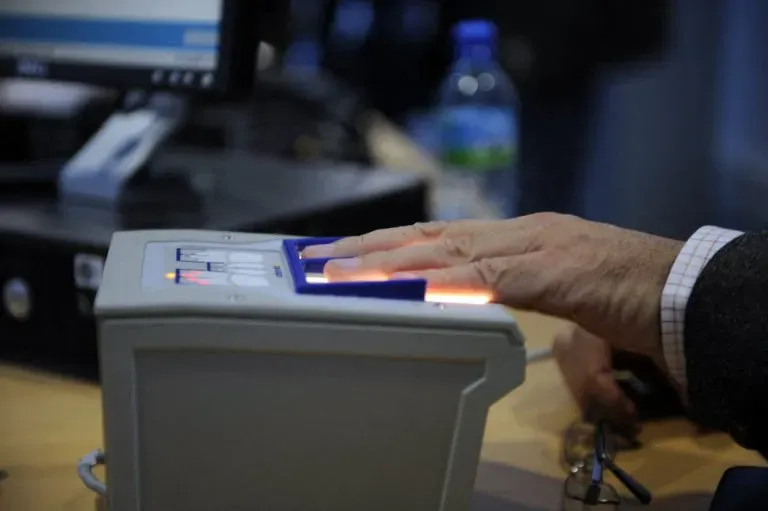
EU Visa Overhaul Would Fast-Track Corporate Travellers While Tightening Security Leverage
The European Commission plans to revise Schengen short-stay visa rules to fast-track employees of verified companies while tightening measures against…
EU Moves to Turn Schengen Visas Into a Security and Market-Access Instrument
The European Commission is revising Schengen short-stay visa rules to create verified-company fast tracks for business travellers and introduce EU-level…
The European Commission is preparing to rewrite the rules governing short-stay Schengen visas, a reform that will directly shape the travel experience of workers, tourists and families from 61 countries currently required to apply for a visa before entering Europe.
--- THE CONTEXT ---
Schengen short-stay visas cover visits of up to 90 days in any 180-day period for tourism, work, training or family reasons. In 2024, Schengen countries received more than 11.7 million visa applications and issued almost 10.3 million visas. The Commission expects to present a legislative proposal in the first quarter of 2027.
--- THE FACTS ---
A call for evidence published this week sets out the Commission's diagnosis and intended direction. On the business travel side, the document proposes exploring common lists of verified companies by third country or jurisdiction. Employees of those companies could benefit from fast-track processing, priority appointments and fewer supporting documents. The Commission argues that business travellers acting for trusted companies generally present a lower risk profile, yet no common EU approach currently exists to identify them. Individual member states operate their own national or sector-specific facilitation schemes, but these do not apply across the Schengen area, creating fragmentation for companies active in multiple countries and leaving their employees subject to different requirements depending on which member state handles their application. On the security side, the Commission is considering restrictive visa measures at EU level for third countries that do not sufficiently cooperate against irregular migration, migrant smuggling or security threats. The document names hostile actions, hybrid threats, information manipulation, instrumentalisation of migration, sabotage and espionage as possible triggers. A harmonised additional charge on top of the existing Schengen visa fee is also under consideration, with revenues earmarked for developing the common visa policy.
--- THE POSITIONS ---
The Commission frames the revision as a tool to fix several shortcomings in the current system. The call for evidence published this week does not record reactions from worker organisations, civil society groups, or governments of affected third countries.
--- WHAT REMAINS UNKNOWN ---
The source does not specify the amount of the proposed harmonised additional charge, the criteria for company verification, or the precise thresholds that would trigger security-related restrictions against a third country.
--- UNANSWERED QUESTIONS ---
• How will the verified-company lists be compiled, and what oversight will prevent them from favouring large multinationals over smaller employers?
• How will the additional harmonised charge affect lower-income applicants for whom existing fees and administrative costs are already a significant burden?
• What safeguards will apply to ensure that security-based restrictive measures do not disproportionately affect nationals of countries in humanitarian crisis?
• Will there be an independent review mechanism for companies or individuals wrongly excluded from facilitation schemes?
--- EPM ANALYSIS ---
The Commission's proposal has two distinct logics operating simultaneously. The first opens a preferential lane for corporate-sponsored travellers and concentrates that benefit on employees of verifiable, presumably large, companies. The second transforms visa access into a foreign-policy instrument against states deemed insufficiently cooperative. Workers from small enterprises or informal sectors, who represent a sizeable share of applicants in many countries, are not addressed as a distinct group in the document. 📌
📌
📌 EPM Take:
In EPM's view, the Commission's reform is institutionally coherent but socially uneven. Rewarding corporate travellers with accelerated processing is a rational risk-management choice, but it risks entrenching a two-tier system where individual legitimacy counts for less than an employer's name on a verified list. The additional harmonised charge deserves close parliamentary scrutiny before adoption. A reform that simplifies access for the privileged while adding fees for everyone else would deepen, not reduce, the inequalities embedded in the current system.
The European Commission has launched a formal revision process for Schengen short-stay visa rules, aiming to make the EU's visa policy more coherent, secure and effective while facilitating legitimate travel — framing the visa system not merely as a border formality but as a strategic tool.
--- THE CONTEXT ---
Currently, citizens of 61 countries or territories require a visa to visit the Schengen area for up to 90 days in any 180-day period. In 2024, Schengen countries processed more than 11.7 million applications and issued almost 10.3 million visas. A legislative proposal is expected in the first quarter of 2027.
--- THE FACTS ---
A call for evidence published this week by the Commission identifies several shortcomings in the existing framework and signals two main reform vectors. The first concerns business mobility: the Commission intends to explore common lists of verified companies by third country or jurisdiction, whose employees would be eligible for fast-track processing, priority appointments and reduced document requirements. The justification is that such travellers generally present a lower risk profile, and that the absence of a common EU approach creates fragmentation as companies operating across multiple member states face inconsistent procedures. The second vector is security leverage. The Commission is examining how to introduce EU-level restrictive visa measures against third countries that do not sufficiently cooperate on irregular migration, migrant smuggling or security. Triggering conditions listed in the document include hostile actions, hybrid threats, information manipulation, instrumentalisation of migration, acts of sabotage, espionage and open aggression. An additional harmonised charge levied on top of the standard Schengen visa fee is also proposed, with proceeds directed toward the continued development of the common visa policy.
--- THE POSITIONS ---
The Commission presents the initiative as a correction of documented systemic shortcomings. The call for evidence published this week does not include formal responses from member states, third-country governments, or business associations.
--- WHAT REMAINS UNKNOWN ---
The source does not disclose the level of the proposed additional charge, the governance structure for company verification lists, or the decision-making process that would activate restrictive measures against a specific third country.
--- UNANSWERED QUESTIONS ---
• Which member states drove this initiative, and are there internal EU disagreements about centralising visa policy leverage in Brussels?
• What institutional body will decide when a third country has crossed the threshold for security-based visa restrictions, and what appeal mechanisms will exist?
• How will the verified-company framework be insulated from diplomatic pressure or competitive lobbying by well-connected industries?
--- EPM ANALYSIS ---
The reform's most significant element is not the business travel facilitation — that is administrative efficiency. The consequential move is making visa access conditional on a third country's security cooperation. That is foreign-policy coercion through a procedural mechanism, and it gives Brussels a tool it has rarely wielded with consistency. The fragmentation problem among member states is real; centralisation solves it but also concentrates decision-making power in the Commission. 📌
📌
📌 EPM Take:
In EPM's view, this revision marks the most deliberate effort yet to align Schengen visa policy with EU strategic interests rather than treating it as a neutral administrative process. The security conditionality clauses, if drafted with clear legal thresholds and proper parliamentary oversight, represent a legitimate and overdue instrument of European statecraft. What must be resisted is the temptation to make that conditionality opaque — where Brussels punishes states by bureaucratic discretion rather than transparent, rule-based criteria that third countries and EU citizens alike can understand and challenge.
UE facilita visas Schengen para viajeros empresariales confiables
La Comisión Europea planea revisar las normas de visados Schengen para facilitar los trámites a viajeros de negocios de empresas verificadas, mientras endurece…
Bruselas endurece visados Schengen con nuevas restricciones de seguridad
La Comisión Europea plantea reformar el sistema de visados Schengen con listas de empresas verificadas para agilizar trámites y nuevas medidas restrictivas…
La Comisión Europea prepara una revisión de las normas de visados de corta duración para el espacio Schengen, una reforma que afectará directamente a millones de trabajadores, turistas y familias de 61 países obligados a tramitar visado para cruzar las fronteras europeas.
--- EL CONTEXTO ---
El visado Schengen permite estancias de hasta 90 días en cualquier período de 180 días por turismo, trabajo, formación o razones familiares. En 2024, los países Schengen recibieron más de 11,7 millones de solicitudes y emitieron casi 10,3 millones de visados. La propuesta legislativa se espera para el primer trimestre de 2027.
--- LOS HECHOS ---
Según una convocatoria de pruebas publicada esta semana por la Comisión, el ejecutivo europeo pretende explorar listas comunes de empresas verificadas por país o jurisdicción de origen. Los empleados de esas compañías podrían beneficiarse de procesamiento acelerado, citas prioritarias o menos documentos de apoyo. La Comisión reconoce que actualmente varios Estados miembros operan esquemas nacionales o sectoriales, pero que esas ventajas no se aplican en todo el espacio Schengen, generando una fragmentación que perjudica tanto a las empresas activas en varios países como a sus trabajadores, quienes enfrentan requisitos distintos según el Estado que gestione la solicitud. Paralelamente, la revisión busca endurecer las condiciones para terceros países que no cooperen en la lucha contra la migración irregular o que representen amenazas de seguridad, incluyendo acciones hostiles, manipulación de información e instrumentalización de la migración.
--- LAS POSICIONES ---
La Comisión Europea argumenta que los viajeros de negocios que actúan en nombre de empresas de confianza presentan, en general, un perfil de riesgo menor. No consta en la fuente respuesta alguna de organizaciones de trabajadores, países de origen ni grupos de derechos civiles ante esta propuesta.
--- LO QUE FALTA SABER ---
La convocatoria de pruebas no detalla los criterios concretos de verificación empresarial, el coste del cargo armonizado adicional planteado, ni qué mecanismos de control garantizarán que los procedimientos acelerados no discriminen a pequeñas empresas o trabajadores autónomos de países en desarrollo.
--- PREGUNTAS SIN RESPUESTA ---
• ¿Qué criterios determinará la Comisión para incluir o excluir empresas de las listas verificadas, y quién supervisará ese proceso?
• ¿Cómo afectará el cargo adicional armonizado a los solicitantes de bajos ingresos cuyo viaje ya resulta costoso en tasas y trámites?
• ¿Qué salvaguardias existirán para que las medidas restrictivas por seguridad no se apliquen de forma discrecional contra países en conflicto o en crisis humanitaria?
• ¿Qué ocurrirá con los trabajadores de empresas que no figuren en las listas verificadas pero que realizan desplazamientos frecuentes y legítimos?
--- ANALISIS EPM ---
La reforma tiene una lógica dual: facilita el acceso a quienes el mercado europeo ya considera de bajo riesgo y endurece la presión sobre los Estados que se usan como palanca migratoria. El beneficio concreto recae sobre viajeros corporativos de grandes empresas. Los trabajadores de pymes o de sectores informales, que representan la mayoría de los solicitantes en muchos países, podrían quedar al margen sin que la propuesta lo aborde explícitamente. 📌
📌
📌 Conclusion EPM:
A juicio de EPM, la propuesta de la Comisión es técnicamente coherente pero socialmente selectiva. Al priorizar a los empleados de empresas verificadas, el sistema resultante recompensa el músculo corporativo y no la legitimidad individual del viajero. El cargo armonizado adicional, cuyo destino declarado es el desarrollo de la política común de visados, merece escrutinio democrático antes de su aprobación. La verdadera prueba de esta reforma será si amplía el acceso real o simplemente lo redistribuye entre quienes ya tienen menos obstáculos.
La Comisión Europea ha iniciado el proceso formal para reformar el régimen de visados de corta duración del espacio Schengen, con el objetivo declarado de hacer la política de visados más coherente, segura y eficaz, al tiempo que se facilita la circulación de viajeros legítimos.
--- EL CONTEXTO ---
El actual régimen Schengen obliga a ciudadanos de 61 países o territorios a solicitar visado para estancias de hasta 90 días en cualquier período de 180 días. En 2024, los países del espacio Schengen recibieron más de 11,7 millones de solicitudes y emitieron casi 10,3 millones de visados. La nueva legislación se presentaría en el primer trimestre de 2027.
--- LOS HECHOS ---
Una convocatoria de pruebas publicada esta semana por la Comisión expone las deficiencias del sistema vigente y anticipa sus soluciones. En materia de movilidad empresarial, el documento propone explorar listas comunes de empresas verificadas por país o jurisdicción, cuyos empleados podrían acceder a tramitación acelerada, citas prioritarias y requisitos documentales reducidos. La Comisión justifica esta medida señalando que los viajeros de negocios que actúan en nombre de empresas de confianza presentan, en general, un perfil de riesgo menor, aunque hoy no existe un enfoque común a nivel europeo para identificarlos. Distintos Estados miembros aplican esquemas propios, pero su validez no se extiende al conjunto del espacio Schengen, generando fragmentación. Junto a esa apertura selectiva, la reforma introduce un componente de disuasión: medidas restrictivas a escala europea para terceros países que no cooperen suficientemente en la lucha contra la migración irregular, el tráfico de personas o la seguridad, incluyendo amenazas híbridas, manipulación informativa e instrumentalización de la migración. Se contempla también un cargo armonizado adicional sobre la tasa de visado Schengen para financiar el desarrollo de la política común de visados.
--- LAS POSICIONES ---
La Comisión Europea defiende la iniciativa como un instrumento para corregir deficiencias sistémicas. La fuente no registra respuesta de los Estados miembros, terceros países afectados ni grupos empresariales ante la propuesta publicada esta semana.
--- LO QUE FALTA SABER ---
No consta en la fuente la cuantía del cargo armonizado adicional, los criterios de elegibilidad empresarial, ni los umbrales concretos que activarían las medidas restrictivas por deterioro de la situación política o de seguridad de un tercer país.
--- PREGUNTAS SIN RESPUESTA ---
• ¿Qué Estados miembros impulsaron esta reforma y cuáles muestran reservas ante una mayor centralización de la política de visados?
• ¿Bajo qué condiciones específicas activaría la Comisión las medidas restrictivas contra un tercer país, y quién tomará esa decisión?
• ¿Cómo se garantizará que las listas de empresas verificadas no se conviertan en un mecanismo de presión diplomática o ventaja competitiva para determinados sectores?
• ¿Qué revisión parlamentaria europea contempla la propuesta antes de su aprobación definitiva?
--- ANALISIS EPM ---
La reforma toca dos palancas de poder real: el acceso al mercado interior europeo y la capacidad de Bruselas para presionar a terceros Estados. Ambas son legítimas, pero su diseño importa. La lista de empresas verificadas consolida la influencia del ejecutivo comunitario sobre quién entra y en qué condiciones. Las cláusulas de seguridad, si quedan bien definidas, refuerzan la coherencia exterior de la UE ante actores que instrumentalizan la migración. 📌
📌
📌 Conclusion EPM:
A juicio de EPM, esta revisión representa el movimiento más ambicioso de Bruselas para convertir el visado Schengen en un instrumento de política exterior activa. Que la Comisión vincule explícitamente el acceso al espacio europeo con la cooperación en seguridad y la gestión migratoria es una señal de madurez institucional, no de cierre. La clave está en que los criterios de las listas empresariales y los umbrales de restricción se legislen con transparencia y control parlamentario, no se deleguen en la discrecionalidad administrativa.