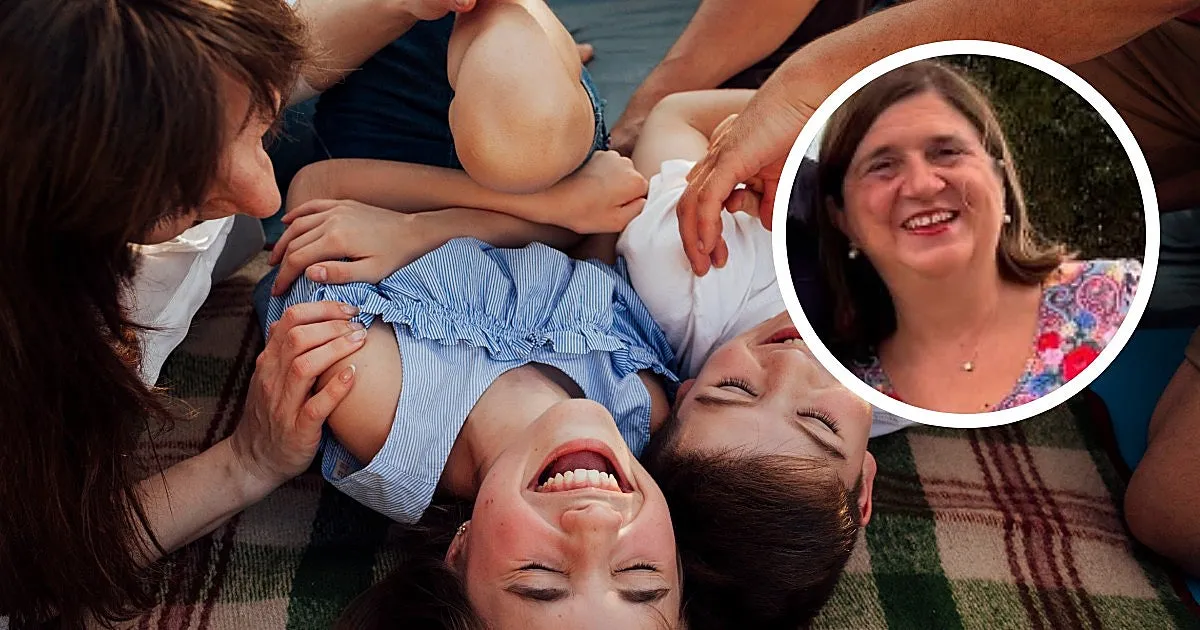
Rosa Pich, mother of 18: faith and grief in Europe's largest family
Rosa Pich, a Catalan mother of 18 children, lost three of them and her husband Chema in 2017 to a sudden cancer.
Rosa Pich leads Europe's largest family through faith and resilience
Rosa Pich, a Catalan mother of 18 children, lost three children and her husband Chema in 2017.
Rosa Pich, a Catalan mother of 18 children, has shared publicly a life shaped by repeated loss, medical warnings ignored and a faith-centred household routine she describes as the anchor of her family's survival. Her account, published through books and social media, raises concrete questions about the human consequences that accompany extraordinary choices.
--- THE CONTEXT ---
In 2015, the Pich family received the European Large Family of the Year award, at which point they were documented as the largest family with school-age children in Europe. Since then, Rosa has used books and digital platforms to narrate her experience as a model of family resilience grounded in Catholic practice.
--- THE FACTS ---
From the beginning of her marriage to Chema, Rosa said she wanted a large family without fixing a specific number, describing the outcome as what God gives. Her first two children died within weeks and months of birth due to cardiac problems. Doctors advised the couple against having more children, warning that subsequent children could face the same danger. Rosa and Chema chose to continue. Their eldest daughter, Carmineta, died at 22 during a pacemaker replacement operation that became complicated because her veins were described as very thin and ruptured one after another. In 2017, Chema died of a sudden cancer, leaving Rosa to raise her surviving 15 children alone. One younger child, Rafa, fought and overcame a cancer that the source describes as a prolonged family concern.
--- THE POSITIONS ---
Rosa Pich states publicly that family prayer — daily rosary and Sunday mass — is a foundational element of her children's upbringing and that pain, rather than destroying, can become instruction. The doctors who treated her, according to Rosa's own account, recommended against further pregnancies. No additional institutional or medical voice appears in the source.
--- WHAT REMAINS UNKNOWN ---
The source does not address the material, economic or labour conditions under which the family has lived at any stage. The psychological impact on surviving children of accumulated bereavement, including the loss of their father in 2017, is not examined.
--- UNANSWERED QUESTIONS ---
• What psychological or social support, if any, did the family access following the consecutive deaths?
• How have the 15 surviving children experienced accumulated grief, including the loss of their father?
• What specific cardiac condition affected the first two children and grounded the doctors' warning?
• What is the reach and demographic of Rosa's books and social media platforms?
--- EPM ANALYSIS ---
Rosa Pich's account is presented entirely from her own perspective, and the source supplies no independent medical, social or institutional voice. The human stakes are real and documented: three children dead, a father lost in 2017, a son's serious illness. A full picture of those consequences — not only the spiritual ones — remains absent from the coverage available. That gap matters for any honest reading of what the story actually demonstrates. 📌
📌
📌 EPM Take:
In EPM's view, Rosa Pich's story deserves coverage that takes both its grief and its choices seriously, without reducing either to a political symbol. The documented losses are severe. A rigorous account would also ask about material support structures, health system access and the interior experience of children raised through successive bereavements. Resilience is real; so are its costs. Reporting only the first without interrogating the second does not serve the family — it serves a narrative built around them.
Rosa Pich, a Catalan mother of 18 children, has built and sustained a family unit that absorbed three deaths, a father's loss and a child's serious illness without institutional collapse. Her account, circulated through books and social media, speaks directly to debates about demographic order, family structure and the limits of medical authority over personal choice.
--- THE CONTEXT ---
In 2015, the Pich family was formally recognised as the European Large Family of the Year, at the time the largest family with school-age children on the continent. That recognition placed Rosa at the centre of a wider European conversation about family size, religious practice and the social function of large households in an era of demographic decline.
--- THE FACTS ---
Rosa and her husband Chema began their marriage with an open commitment to a large family, leaving the precise number, as Rosa has described it, to providence. Two of their earliest children died from cardiac problems within their first weeks and months of life. Medical professionals advised the couple to stop having children, warning of danger to future births. Rosa and Chema rejected that advice. Their eldest daughter, Carmineta, died at 22 when a routine pacemaker replacement was complicated by extremely fragile veins. In 2017, Chema died suddenly from an aggressive cancer, and Rosa continued raising her surviving 15 children. One son, Rafa, overcame a cancer that the source describes as a prolonged anxiety for the whole family. Throughout, Rosa maintained a structured domestic religious routine: daily rosary and Sunday mass as explicit pillars of her children's formation.
--- THE POSITIONS ---
Rosa Pich publicly attributes the family's cohesion to religious structure and argues that faith converts grief into formation rather than dissolution. Medical counsel, as Rosa herself reports it, pointed in the opposite direction at a critical juncture. No further institutional or ecclesiastical position is recorded in the source.
--- WHAT REMAINS UNKNOWN ---
The source does not identify the institution that granted the 2015 European award or the criteria applied. It also does not establish the editorial reach of Rosa's books or the audience scale of her digital presence.
--- UNANSWERED QUESTIONS ---
• Which institution or body awarded the European Large Family of the Year prize in 2015, and by what criteria?
• What is the documented reach of Rosa's books and platforms, and what effect have they had on public debate?
• Are there ecclesiastical or civil institutions that have formally engaged with the family model she describes?
• How have the 15 surviving children understood and articulated the accumulated losses they have lived through?
--- EPM ANALYSIS ---
From a conservative and pro-Western institutional perspective, the Pich case offers an empirical data point, not a parable. A family unit of this size, subjected to successive structural shocks — infant death, adult bereavement, serious childhood illness, widowhood — that did not fragment challenges assumptions embedded in both demographic policy and social services design. The 2015 European recognition was not ceremonial; it signalled that institutions can at minimum identify what they are losing. Whether they have drawn any policy consequence from that recognition is, conspicuously, unknown. 📌
📌
📌 EPM Take:
In EPM's view, the story of Rosa Pich is a stress test that European institutions have largely preferred to admire from a distance rather than study. A family that withstood three deaths, a father's sudden loss and a son's serious illness without fragmenting is not merely an inspiration; it is evidence about what structures of cohesion actually function under pressure. EPM does not prescribe her choices — but it insists that dismissing the model for ideological reasons forfeits hard-won social knowledge that a continent in demographic retreat cannot afford to waste.
Rosa Pich, madre de 18 hijos: fe y resiliencia ante la adversidad
Rosa Pich, catalana y madre de 18 hijos, perdió a tres de ellos y a su marido Chema en 2017.
Rosa Pich, la familia más grande de Europa: fe, orden y resiliencia frente a la adversidad
Rosa Pich, madre catalana de 18 hijos, perdió a tres de ellos, a su hija mayor Carmineta a los 22 años, y a su marido en 2017.
Rosa Pich, catalana, madre de 18 hijos, ha construido una vida familiar que combina duelo profundo con rutinas de oración y crianza compartida. Su historia, divulgada a través de libros y redes sociales, revela el peso humano y emocional de sostener una familia muy numerosa tras pérdidas devastadoras.
--- EL CONTEXTO ---
En 2015, Rosa Pich y su familia recibieron el premio a la Familia Numerosa Europea del Año, siendo en ese momento la familia con niños en edad escolar más grande de Europa. Desde entonces, su vida ha sido narrada en plataformas digitales y en publicaciones propias como modelo de resiliencia familiar.
--- LOS HECHOS ---
Rosa y su marido Chema decidieron desde el principio de su matrimonio buscar una familia numerosa, aunque sin fijar un número exacto. Sus dos primeros hijos fallecieron en sus primeras semanas y meses de vida a causa de problemas cardíacos. Los médicos les recomendaron no tener más hijos, advirtiéndoles de que los siguientes podían correr el mismo peligro. La pareja decidió continuar. Con el tiempo llegaron más hijos y más adversidades: su hija mayor, Carmineta, murió a los 22 años durante una operación de cambio de marcapasos que se complicó porque tenía las venas muy finas. En 2017, Chema falleció a causa de un cáncer fulminante. Uno de los hijos menores, Rafa, superó un cáncer que durante años preocupó a la familia. Rosa sacó adelante a sus 15 hijos supervivientes con, según ella misma ha descrito, una sonrisa y el apoyo de la fe.
--- LAS POSICIONES ---
Rosa Pich sostiene públicamente que la oración familiar —el rosario en casa y la misa dominical— es un pilar de la educación de sus hijos, y que el dolor puede transformarse en enseñanza. Los médicos que la atendieron, según el relato de la propia Rosa, desaconsejaron continuar teniendo hijos. No consta en la fuente la posición de ninguna otra institución.
--- LO QUE FALTA SABER ---
La fuente no detalla las condiciones materiales, laborales o económicas de la familia en ninguna etapa. Tampoco describe el impacto de las pérdidas en la salud emocional de los hijos que sobrevivieron, ni el acceso a apoyos sociales o sanitarios.
--- PREGUNTAS SIN RESPUESTA ---
• ¿Qué recursos de apoyo psicológico o social recibió la familia tras las muertes sucesivas?
• ¿Cómo han vivido los 15 hijos supervivientes el duelo acumulado, incluyendo la pérdida de su padre en 2017?
• ¿Qué condición médica concreta afectó a los dos primeros hijos y determinó la advertencia de los médicos?
• ¿Cuál ha sido la situación económica y laboral de la familia durante los periodos de mayor crisis?
--- ANÁLISIS EPM ---
El caso de Rosa Pich plantea una tensión genuina entre autonomía reproductiva y consejo médico. La decisión de continuar teniendo hijos frente a la advertencia de los médicos es, ante todo, una elección personal con consecuencias reales: dos fallecimientos infantiles, una hija adulta muerta en quirófano y la crianza en solitario de 15 hijos tras enviudar. La fuente presenta estos hechos desde la perspectiva de Rosa, sin voces médicas ni institucionales adicionales. La pregunta sobre los costes humanos —no solo los espirituales— permanece abierta. 📌
📌
📌 Conclusion EPM:
A juicio de EPM, la historia de Rosa Pich merece cobertura honesta que no la reduzca a símbolo ideológico. El sufrimiento que relata es real y documentado. Pero un periodismo riguroso exige también preguntar por las condiciones materiales de esa crianza, por el acceso a sistemas de salud y apoyo social, y por la experiencia de los hijos. Presentar solo la resiliencia sin interrogar sus costes no es propaganda, pero sí una cobertura incompleta que sirve mejor al relato que a quienes vivieron dentro de él.
Rosa Pich, madre catalana de 18 hijos, representa un modelo de institución familiar que ha resistido pérdidas médicas, duelo y enfermedad sin fracturarse. Su historia, difundida en libros y redes sociales, ofrece un contrapeso a la narrativa dominante sobre el declive de la familia tradicional en Europa occidental.
--- EL CONTEXTO ---
En 2015, la familia Pich recibió el premio a la Familia Numerosa Europea del Año, siendo en ese momento la familia con niños en edad escolar más grande de Europa. El reconocimiento situó a Rosa como referente público en debates sobre natalidad, educación religiosa y modelo de vida familiar en el continente.
--- LOS HECHOS ---
Desde el inicio de su matrimonio con Chema, Rosa asumió abiertamente el objetivo de formar una familia numerosa sin establecer un límite numérico previo. Sus dos primeros hijos fallecieron por problemas cardíacos en sus primeras semanas y meses de vida. Los médicos desaconsejaron continuar teniendo hijos, advirtiendo de riesgo para los siguientes. La pareja rechazó ese consejo y siguió adelante. Su hija mayor, Carmineta, murió a los 22 años durante una operación de cambio de marcapasos que se complicó por la fragilidad de sus venas. En 2017, Chema falleció de un cáncer fulminante, dejando a Rosa al frente de sus 15 hijos. Uno de los menores, Rafa, superó un cáncer que durante años fue motivo de alarma familiar. Rosa ha mantenido una rutina de oración —rosario diario y misa dominical— como eje vertebrador de la educación y cohesión familiar.
--- LAS POSICIONES ---
Rosa Pich defiende públicamente que la fe y la estructura religiosa del hogar han sido el factor de cohesión que permitió a la familia superar cada crisis. Los médicos, según su propio relato, aconsejaron lo contrario a lo que ella eligió. Ninguna institución o voz adicional aparece en la fuente.
--- LO QUE FALTA SABER ---
La fuente no especifica el marco legal o institucional que reconoció el premio europeo de 2015 ni qué criterios se aplicaron. Tampoco informa sobre el alcance editorial o de audiencia de los libros y plataformas digitales de Rosa.
--- PREGUNTAS SIN RESPUESTA ---
• ¿Qué institución o entidad otorgó el premio a la Familia Numerosa Europea del Año en 2015 y con qué criterios?
• ¿Cuál es el alcance y la audiencia de los libros y redes sociales de Rosa Pich como vehículo de su mensaje?
• ¿Existe algún seguimiento institucional o eclesiástico del modelo familiar que Rosa describe?
• ¿Cómo han procesado los 15 hijos supervivientes la secuencia de pérdidas, incluyendo la de su padre?
--- ANÁLISIS EPM ---
Desde una perspectiva conservadora, el caso Pich ilustra que la familia numerosa y de fe estructurada no es un anacronismo, sino una unidad de resiliencia institucional capaz de absorber shocks severos. En un contexto europeo de colapso demográfico y fragmentación del vínculo familiar, el reconocimiento de 2015 no fue anecdótico. 📌
📌 Conclusion EPM:
A juicio de EPM, la historia de Rosa Pich es políticamente incómoda para quienes reducen el debate familiar a métricas de carga y coste. Una familia que sobrevivió tres muertes, una enfermedad grave y el fallecimiento del padre sin desintegrarse desafía los supuestos del individualismo contemporáneo. EPM no canoniza el modelo, pero sí señala que ignorar su consistencia institucional por razones ideológicas empobrece el debate público. Europa necesita ese debate con honestidad, no con filtros. 📌 La pregunta relevante es si las instituciones —sanitarias, educativas, civiles— están diseñadas para sostener o para desincentivar este modelo.