International • • EPM Editorial Desk • 🌿 Progressive
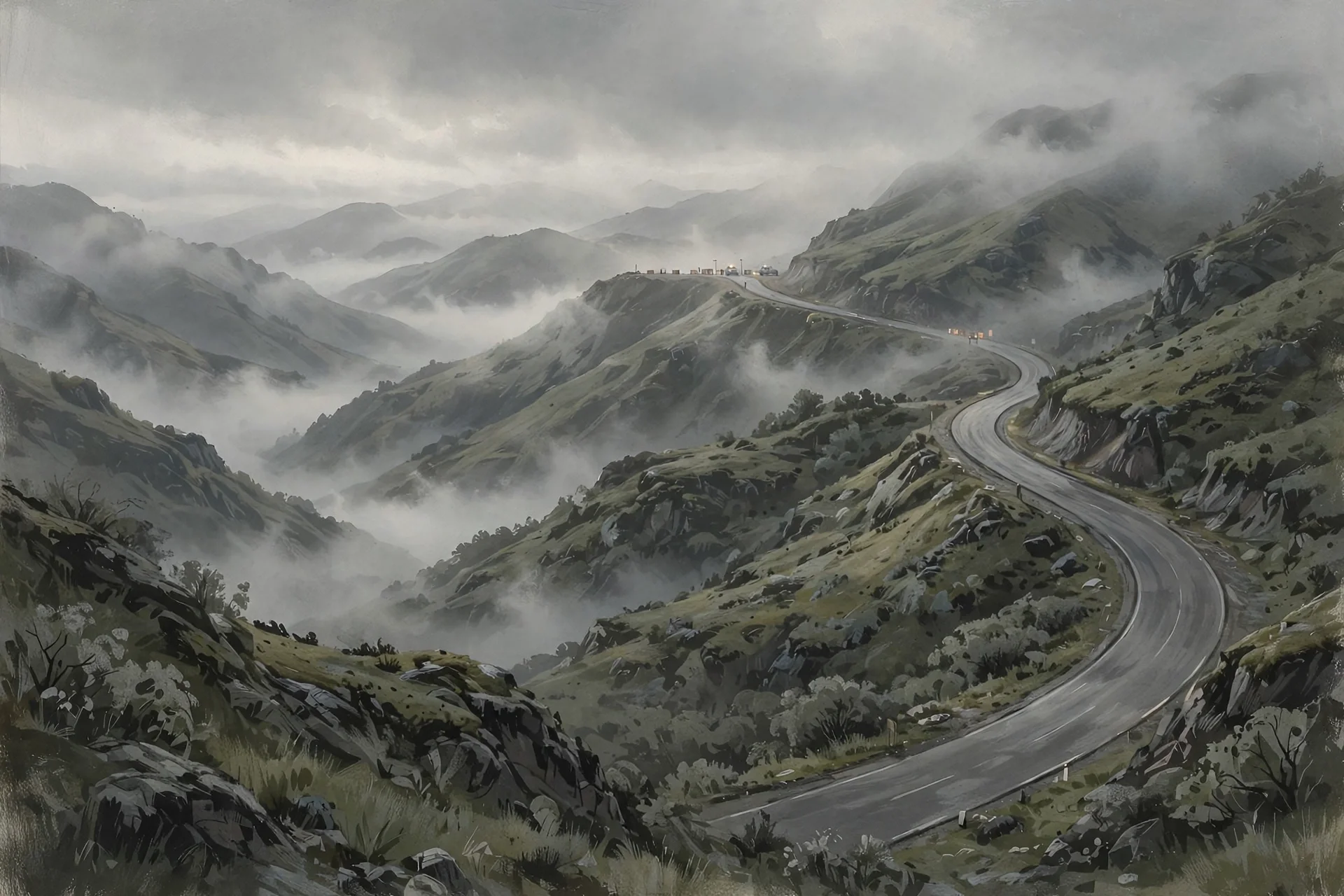
Ilustración generada por IA para acompañar la noticia del ataque contra la Estación de Policía de Carreteras UNIR Tunía y la solicitud de militarizar la vía Panamericana en el Cauca. · Ilustración generada por IA
Cauca governor seeks militarization of Pan-American Highway after attack
Cauca governor Octavio Guzmán asked President Abelardo de la Espriella to militarize the Pan-American Highway after the drone and explosives attack on the UNIR…
Cauca governor requests stronger police and military presence on Pan-American Highway
After the attack on the UNIR Tunía station left nine officers wounded, the governor of Cauca asked the National Government to reinforce the military and police…
--- The context ---
The Pan-American Highway runs through Cauca as a vital artery of the southwest: it connects Ipiales, on the Ecuadorian border, with Popayán, Cali and the Eje Cafetero. In 2026 it became a recurrent scene of attacks attributed to FARC dissident groups, which dispute this strategic route with the Public Force. Every offensive paralyzes those who depend on it.
--- The facts ---
On the afternoon of Tuesday, September 29, the UNIR Tunía Highway Police Station — a joint Police and Army base in the El Hogar district, municipality of Tunía, about 40 kilometers from Popayán — was attacked with explosives and gunfire. The nine officers were on duty near the old toll post and traffic was interrupted.
Preliminary reports indicate that some explosives may have been dropped by drones, a tactic used by armed groups in Cauca. Governor Octavio Guzmán reported: five officers stable, three in medical care, and one rushed to Popayán with a vascular injury carrying risk of losing a hand. No civilian injuries were reported.
--- The positions ---
The governor asked President Abelardo de la Espriella to reinforce the military and police presence on the Pan-American Highway and move toward its militarization. On X he described the attack as violent and merciless and said the lives of his region's people and the security of Cauca could not wait. He also requested an expanded security council for Cauca with the Defense Ministry and the military leadership.
Guzmán said that work with the Health Secretariat and the public health network achieved immediate care for the wounded officers, and he voiced support for the agents, saying they were not alone and that his administration stood by the Public Force, its men and women, their families and the legitimate exercise of state authority. The government has yet to respond.
--- What remains unknown ---
No group claimed the attack, and the government has not said whether it will accept militarization. The timeline of the expanded security council is unknown, as is the scope of an eventual militarization. The officer rushed to Popayán remains in medical care.
--- Unanswered questions ---
Will the government militarize the Pan-American Highway in Cauca, and under what operational mandate? Who ordered the attack on the UNIR Tunía station and what role did drones play? When will the expanded security council be installed, and what measures will come out of it?
--- EPM analysis ---
The attack confirms a pattern Cauca has suffered since April, when an explosive-laden cylinder against a bus in the El Túnel sector of Cajibío left nearly 19 civilians dead and dozens wounded, amid an offensive of 17 armed actions recorded in 48 hours in the southwest. The Ministry of Defense responded with 13 additional armored cavalry platoons and 12 infantry platoons there. That a joint station was hit months later by explosives reportedly dropped by drones suggests the reinforcements changed nothing on the ground.
The militarization request poses a dilemma: an international highway cannot stay under permanent military control without costs to the local economy and civilian mobility, but it cannot keep serving as the stage for systematic attacks either. The expanded security council could resolve it, provided it produces verifiable measures rather than a new round of announcements.
📌 EPM Take:
In EPM's view, the state's response cannot be limited to announcing troops after each attack: the cycle has repeated for months and the highway remains exposed. The security council must now set clear measurable goals — protected transit, controlled corridors — and the government must explain clearly, as it decides next steps, what militarizing an international highway means without stalling the southwest's economy. The immediate priority now remains the nine wounded officers and their families.
--- The context ---
The Pan-American Highway, which connects Ipiales, on the Ecuadorian border, with Popayán, Cali and the Eje Cafetero, was in 2026 a recurrent scene of attacks attributed to FARC dissident groups. The road is essential for transport and trade in the southwest, and every interruption strikes civilians and the region's economy.
--- The facts ---
On the afternoon of Tuesday, September 29, the UNIR Tunía Highway Police Station — a joint Police and Army base in the El Hogar district, municipality of Tunía, about 40 kilometers from Popayán — was attacked with explosives and gunfire. The nine officers were on duty near the old toll post and traffic was interrupted.
Preliminary information indicated that some explosives may have been dropped by drones, a tactic used by armed groups in Cauca. Governor Octavio Guzmán reported: five officers stable, three in medical care, and one rushed to Popayán with a vascular injury carrying risk of losing a hand. No civilian injuries were reported at the time of his statement.
--- The positions ---
The governor asked President Abelardo de la Espriella for a reinforced military and police presence on the Pan-American Highway and a move toward its militarization. On his X account he said the lives of his region's people and the security of Cauca could not wait, and he described the assault as violent and merciless. He also requested an expanded security council in Cauca with the Ministry of Defense and the military leadership.
Guzmán said that work with the Health Secretariat and the public health network achieved immediate care for the wounded officers. Of the agents he said they were not alone, and that his administration stood by the Public Force, its men and women, their families and the legitimate exercise of state authority. The government has yet to respond.
--- What remains unknown ---
Responsibility for the attack has not been established. The government has not said whether it will accept the requested militarization. The installation date of the expanded security council is unknown, as are the effects of the traffic interruption. The officer rushed to Popayán remains hospitalized.
--- Unanswered questions ---
What decision will the National Government make about the militarization of the Pan-American Highway requested by the governor of Cauca? Which group is behind the attack on the UNIR Tunía station and how will the use of drones be verified? When will the expanded security council meet, and with what concrete actions will the state respond?
--- EPM analysis ---
The year's most serious episode on that corridor occurred in April, when an explosive-laden cylinder against a bus in the El Túnel sector of Cajibío left nearly 19 civilians dead and dozens wounded, amid an offensive of 17 armed actions recorded in 48 hours in the southwest. The Ministry of Defense then announced 13 additional armored cavalry platoons and 12 infantry platoons there. Tuesday's attack on a joint base shows the threat persists.
Militarizing an international highway is a considerable measure: it implies a sustained deployment over a corridor used daily by people and goods. The expanded security council is the setting to decide whether that path is viable and how to implement it without paralyzing transit or the department's economic life.
📌 EPM Take:
In EPM's view, the persistence of attacks on the Pan-American Highway demands more than statements: the state must explain what changed with the reinforcements announced in April and what will change now. If militarization is the answer, it must come with a clear operational plan, timelines and measured results, not just visible presence. The care of the nine wounded officers and their families remains, in every sense, the immediate and non-negotiable priority.
Cauca: gobernador pide militarizar la Panamericana tras ataque con nueve policías heridos
El gobernador del Cauca, Octavio Guzmán, pidió al presidente Abelardo de la Espriella militarizar la vía Panamericana tras el ataque con explosivos y drones…
Gobernador del Cauca solicita más fuerza pública en la Panamericana tras ataque
Tras el ataque contra la estación UNIR Tunía, que dejó nueve policías heridos, el gobernador del Cauca solicitó al Gobierno Nacional reforzar la presencia…
--- El contexto ---
La Panamericana atraviesa el Cauca como arteria vital del suroccidente: conecta Ipiales, en la frontera con Ecuador, con Popayán, Cali y el Eje Cafetero. En 2026 fue escenario recurrente de ataques atribuidos a las disidencias de las Farc, que disputan a la Fuerza Pública esta ruta clave. Cada ofensiva paraliza a quienes dependen de ella.
--- Los hechos ---
En la tarde de este martes 29 de septiembre, la Estación de Policía de Carreteras UNIR Tunía —base conjunta de la Policía y el Ejército en la vereda El Hogar, municipio de Tunía, a unos 40 kilómetros de Popayán— fue atacada con explosivos y ráfagas de fusil. Los nueve policías hacían control en el sector del antiguo peaje y el tránsito quedó interrumpido.
Reportes preliminares indican que algunos explosivos habrían sido lanzados con drones, modalidad ya usada por grupos armados en el Cauca. El gobernador Octavio Guzmán informó: cinco policías estables, tres en atención médica y uno trasladado de urgencia a Popayán por un compromiso vascular con riesgo de perder una mano. No se reportaron civiles heridos.
--- Las posiciones ---
El gobernador pidió al presidente Abelardo de la Espriella reforzar la presencia militar y policial en la Panamericana y avanzar hacia su militarización. En X calificó el ataque de "violenta y despiadada" y afirmó que "la vida de nuestra gente y la seguridad del Cauca no pueden esperar". Pidió además una mesa ampliada de seguridad en el Cauca, con el Ministerio de Defensa y la cúpula militar.
Guzmán dijo que con la Secretaría de Salud y la red pública se atendió de inmediato a los heridos, y respaldó a los agentes: "Nuestros policías no están solos. Rodeamos a nuestra Fuerza Pública, respaldamos a sus hombres y mujeres, a sus familias y el ejercicio legítimo de la autoridad del Estado". La respuesta del Gobierno sigue pendiente.
--- Lo que falta saber ---
No se ha informado la autoría del ataque ni si el Gobierno aceptará la militarización. Se desconocen los tiempos de la mesa ampliada y el alcance que tendría militarizar el corredor. El policía trasladado de urgencia sigue bajo vigilancia médica.
--- Preguntas sin respuesta ---
¿Aceptará el Gobierno militarizar la Panamericana en el Cauca, y con qué mandato operativo? ¿Quién ordenó el ataque contra la estación UNIR Tunía, y qué papel jugaron los drones? ¿Cuándo se instalará la mesa ampliada de seguridad, y qué medidas saldrán de ella?
--- Análisis EPM ---
El ataque confirma el patrón del Cauca desde abril, cuando un cilindro con explosivos contra un bus en El Túnel, Cajibío, dejó cerca de 19 civiles muertos y decenas de heridos en una ofensiva de 17 acciones armadas en 48 horas. El Ministerio de Defensa envió entonces 13 pelotones de caballería blindada y 12 de infantería al corredor. Que meses después una estación conjunta sea alcanzada con explosivos presuntamente lanzados con drones indica que los refuerzos no cambiaron la dinámica del territorio.
Militarizar plantea un dilema: una vía internacional no puede operar bajo control militar permanente sin costos para la economía y la movilidad civil, pero tampoco seguir siendo escenario de ataques sistemáticos. La mesa ampliada puede resolverlo, si produce medidas verificables y no otra ronda de anuncios.
📌 Conclusion EPM:
A juicio de EPM, la respuesta del Estado no puede limitarse a anunciar tropas después de cada ataque: el ciclo se repite desde hace meses y la vía sigue expuesta. Lo urgente es que la mesa de seguridad defina objetivos medibles —tránsito protegido, corredores controlados— y que el Gobierno explique qué significa militarizar una vía internacional sin frenar la economía del suroccidente. La prioridad inmediata son los nueve policías heridos y sus familias.
--- El contexto ---
La Panamericana, que conecta a Ipiales, en la frontera con Ecuador, con Popayán, Cali y el Eje Cafetero, fue en 2026 escenario recurrente de ataques atribuidos a las disidencias de las Farc. La vía es esencial para el transporte y el comercio del suroccidente, y cada interrupción golpea a la población y a la economía de la región.
--- Los hechos ---
En la tarde de este martes 29 de septiembre, la Estación de Policía de Carreteras UNIR Tunía —base conjunta de la Policía y el Ejército en la vereda El Hogar, municipio de Tunía, a unos 40 kilómetros de Popayán— fue atacada con explosivos y ráfagas de fusil. Los nueve uniformados hacían control en el sector del antiguo peaje y el tránsito quedó interrumpido.
La información preliminar señaló que algunos explosivos habrían sido lanzados con drones, modalidad ya usada por grupos armados en el Cauca. El gobernador Octavio Guzmán entregó el balance: cinco policías estables, tres en atención médica y uno trasladado de urgencia a Popayán por un compromiso vascular con riesgo de perder una mano. Hasta su pronunciamiento no se reportaron civiles heridos.
--- Las posiciones ---
El gobernador pidió al presidente Abelardo de la Espriella reforzar la presencia militar y policial en la Panamericana y avanzar hacia su militarización. En X afirmó que "la vida de nuestra gente y la seguridad del Cauca no pueden esperar" y calificó la agresión de "violenta y despiadada". También solicitó una mesa ampliada de seguridad en el Cauca con el Ministerio de Defensa y la cúpula militar.
Guzmán indicó que con la Secretaría de Salud y la red pública se logró la atención inmediata de los heridos. Sobre los agentes expresó: "Nuestros policías no están solos. Rodeamos a nuestra Fuerza Pública, respaldamos a sus hombres y mujeres, a sus familias y el ejercicio legítimo de la autoridad del Estado". La respuesta del Gobierno Nacional sigue pendiente.
--- Lo que falta saber ---
No se ha establecido la autoría del ataque. El Gobierno no ha dicho si acogerá la militarización ni qué medidas adoptará. Se desconocen la fecha de la mesa ampliada y los efectos de la interrupción del tránsito. El policía trasladado de urgencia sigue en observación.
--- Preguntas sin respuesta ---
¿Qué decidirá el Gobierno sobre la militarización de la Panamericana pedida por el gobernador del Cauca? ¿Qué grupo está detrás del ataque a la estación UNIR Tunía, y cómo se verificará el uso de drones? ¿Cuándo sesionará la mesa ampliada, y con qué acciones responderá el Estado?
--- Análisis EPM ---
El episodio más grave ocurrió en abril, cuando un cilindro con explosivos contra un bus en El Túnel, Cajibío, dejó cerca de 19 civiles muertos y decenas de heridos, en una ofensiva de 17 acciones armadas en 48 horas. El Ministerio de Defensa anunció entonces 13 pelotones de caballería blindada y 12 de infantería para la vía. El ataque de este martes muestra que la amenaza persiste.
Militarizar una vía internacional es una medida considerable: implica un despliegue sostenido sobre un corredor usado a diario por personas y mercancías. La mesa ampliada es el escenario para definir si esa vía es viable y cómo implementarla sin paralizar el tránsito ni la economía del departamento.
📌 Conclusion EPM:
A juicio de EPM, la persistencia de los ataques en la Panamericana exige más que comunicados: el Estado debe explicar qué cambió con los refuerzos de abril y qué va a cambiar ahora. Si la militarización es la respuesta, debe venir con un plan operativo claro, plazos y medición de resultados, no solo presencia visible. La atención a los nueve policías heridos y a sus familias es la prioridad inmediata e innegociable.