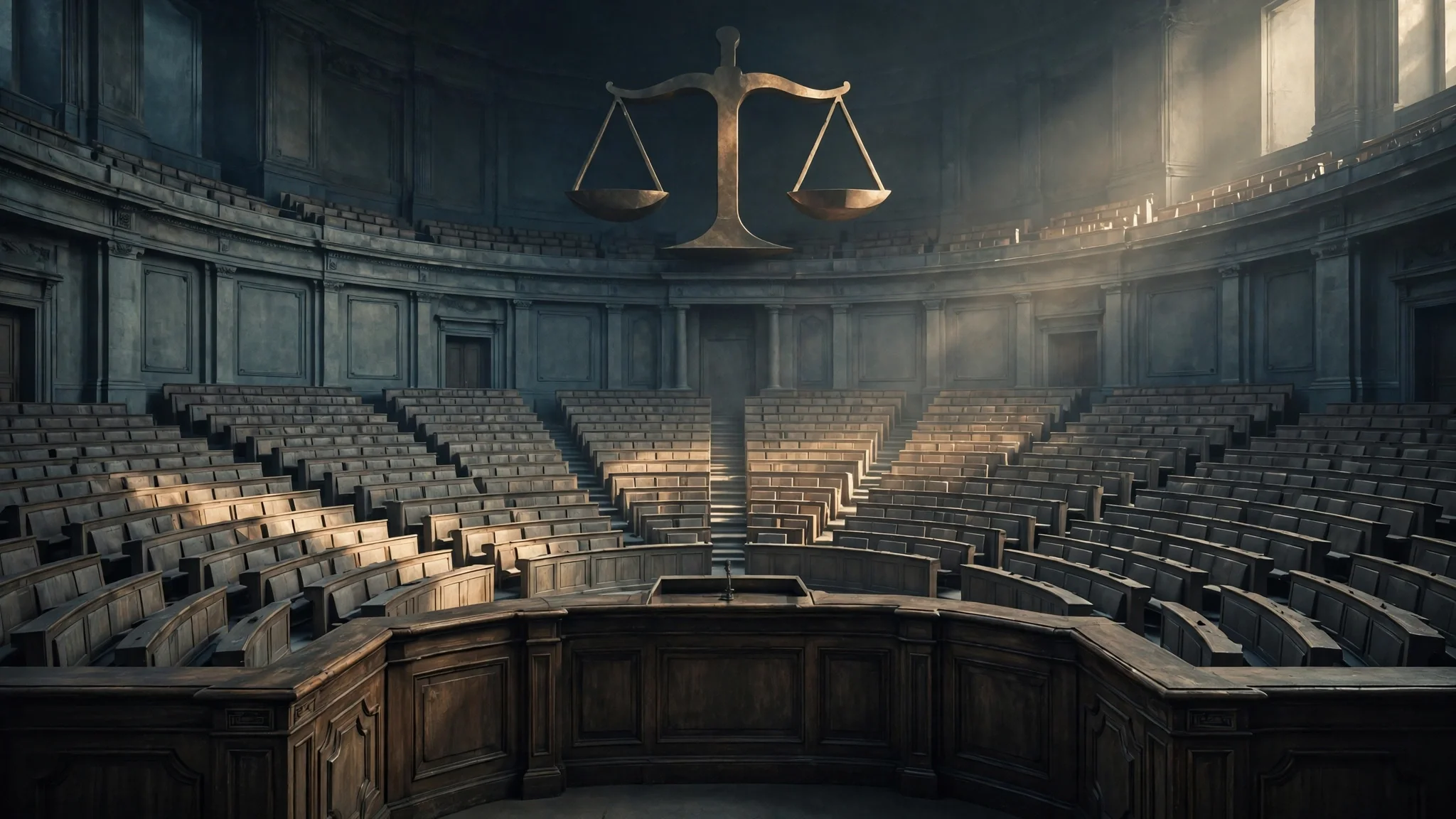
Ilustración sobre la polémica maniobra del Gobierno para reaprobar los decretos de vivienda en la Diputación Permanente. · Imagen ilustrativa generada por IA para EPM
Jurists accuse Spain's government of constitutional fraud over revived housing decrees
The government plans to have the Council of Ministers reapprove the two housing decrees struck down on Friday by the Congress plenary, with minimal tweaks, and…
Spain's Permanent Deputation route tests the limits of the rule of law
The housing decrees rejected by the plenary's absolute majority could be revived in the Permanent Deputation, a 69-member body that assumes functions with…
--- The context ---
Spain heads toward the elections that have been called with parliament dissolved: the government's two housing decrees fell last Friday in the full Congress by an absolute majority, and the executive refuses to accept the defeat. The Council of Ministers, according to government sources, plans to approve them again with minimal tweaks to their wording and send them back to the legislature just as part of its functions passes to the Permanent Deputation of Congress.
That body safeguards the chamber's powers while parliament is dissolved: it has 69 members, national sovereignty is less represented there, and the majority arithmetic changes. It is precisely that change the government would like to exploit.
--- The facts ---
The aim would be to validate at least the first of the two decrees, because in the Permanent Deputation Junts holds only one vote and its position would no longer be decisive, as it was in the plenary. The text would be altered minimally to present the decrees as different from the ones struck down on Friday and dodge a blatant fraud of law.
The arithmetic speaks for itself: PP, 27; PSOE, 25; Vox, six; Sumar, six; PNV, one; EH Bildu, one; ERC, one; Junts, one; and Mixed Group, one held by Podemos. With that distribution, the bloc that voted against the first decree, PP, Vox and Junts, would be a minority with 34 votes against the government's 35 and its allies.
--- The positions ---
The jurists consulted are blunt. Manuel Aragón, emeritus magistrate of the Constitutional Court, calls the maneuver constitutional fraud. Elisa de la Nuez, secretary general of the Hay Derecho Foundation, speaks of democratic fraud: there was no majority to validate the two decrees, elections were called, and yet, as if by magic, the Permanent Deputation would approve them, something she calls a Trump-style shell game.
Manuel Fernández Fontecha, counsel to parliament and former counsel to the Constitutional Court, sees the fraud as very clear: a coverage rule, the power to validate decree-laws, is used to vote on them again with a different makeup of the body. Congress would vote twice, contradictorily, when the Deputation safeguards the chamber's powers without replacing them.
--- What remains unknown ---
It remains to be seen whether the Council of Ministers will go through with the approval and its minimal tweaks, how much room the Permanent Deputation will have before a text already rejected by the plenary, and whether the maneuver will end up challenged before the Constitutional Court.
--- Unanswered questions ---
Can a 69-member body overturn what the entire plenary decided by an absolute majority? What will stop any future government from recycling its defeated rules through this route? Where does regulatory ingenuity end and constitutional fraud begin?
--- EPM analysis ---
Democracy does not rest only on winning votes, but on accepting the ones that are lost. When a government turns a parliamentary defeat into an office victory by changing the body that votes, it is telling citizens that their representatives' votes in the plenary are obstacles to dodge, not decisions to obey. Saving a decree at that price erodes trust in the rules of the game, and that trust, once lost, no decree can restore.
📌 EPM Take:
In EPM's view, the maneuver crosses a democratic red line: citizens cannot be asked to believe in parliament while the fine print of procedure undoes what parliament decided. The experts' argument is devastating: the Permanent Deputation does not exist to correct the plenary, but to guard it. If this route succeeds, the precedent is written for all governments to come, whatever their color. And such a precedent is not erased with minimal tweaks.
--- The context ---
The rule of law lives on procedures, not shortcuts. The government's two housing decrees were rejected last Friday by the plenary's absolute majority, and the executive, according to its own sources, is preparing to approve them again in the Council of Ministers with minimal changes. The destination: the Permanent Deputation, which assumes part of the chamber's functions with parliament dissolved ahead of the elections that have been called.
The Permanent Deputation safeguards the chamber's powers during dissolution with 69 members; its composition does not mirror the plenary's and national sovereignty is less represented. Its function is to guard, not to replace.
--- The facts ---
The plan would be to validate at least the first decree: Junts, decisive in the plenary, holds only one vote in the Permanent Deputation. The wording would be tweaked minimally to distinguish the texts from those rejected on Friday and sidestep a blatant fraud of law.
The Deputation's lineup: PP, 27; PSOE, 25; Vox, six; Sumar, six; PNV, one; EH Bildu, one; ERC, one; Junts, one; and Mixed Group, one held by Podemos. Thus the bloc that voted against the first decree, PP, Vox and Junts, would total 34 votes against the government's 35 and its allies: the plenary's minority would become the Deputation's majority.
--- The positions ---
Manuel Aragón, emeritus magistrate of the Constitutional Court, argues that the Deputation's power over decree-laws is exceptional and only applies when urgent need arises once Congress is dissolved, not to send back to the chamber what it has just rejected to reverse a lost vote. There is, moreover, fraud against the electoral process: unconstitutional trickery used for electoral ends.
Elisa de la Nuez, secretary general of the Hay Derecho Foundation, speaks of democratic fraud: there was no majority to validate the two decrees, which is why elections were called, and yet the Permanent Deputation would approve them, a Trump-style shell game in her words. Manuel Fernández Fontecha, counsel to parliament and former counsel to the Constitutional Court, sees it very clearly: Congress votes twice, contradictorily, while the Deputation safeguards the chamber's powers without replacing them.
--- What remains unknown ---
The scope of the tweaks the Council of Ministers will approve is still unknown, as is whether the Permanent Deputation will agree to validate rules already struck down by the plenary, and whether the Constitutional Court will rule on the maneuver.
--- Unanswered questions ---
Does the constitution allow an exceptional body to de facto overrule the plenary? What future government, of any stripe, will give up a shortcut that is legitimized today? How long can legal certainty survive when rules are reinterpreted at convenience?
--- EPM analysis ---
The problem is not housing: it is the precedent. Exceptional rules exist for emergencies, not for second chances. If the Permanent Deputation can rewrite the plenary's outcome, every future defeat will have an institutional plan B, and the stability the legal order promises becomes a dead letter. Whoever celebrates the shortcut today will suffer it tomorrow at their opponent's hands. The law does not protect governments: it protects citizens from them.
📌 EPM Take:
In EPM's view, the issue goes beyond housing and the electoral calendar: what is at stake is whether constitutional rules bind everyone or only whoever loses the vote. The jurists agree on the essentials, not out of ideological affinity but out of professional duty: an exceptional power cannot become a second ballot box. If the executive needs these decrees, let it defend them before the plenary that struck them down and before the voters at the ballot box. Anything else is asking the constitution to look the other way.
Juristas acusan al Gobierno de fraude constitucional por revivir los decretos de vivienda
El Gobierno planea reaprobar en el Consejo de Ministros los dos decretos de vivienda tumbados el viernes por el Pleno del Congreso, con retoques mínimos, para…
La vía de la Diputación Permanente pone a prueba los límites del Estado de derecho
Los decretos de vivienda rechazados por la mayoría absoluta del Pleno podrían revivir en la Diputación Permanente, órgano de 69 miembros que asume funciones…
--- El contexto ---
España encara los comicios convocados con las cámaras disueltas: los dos decretos de vivienda del Gobierno cayeron el pasado viernes en el Pleno del Congreso por mayoría absoluta, y el Ejecutivo no se resigna. El Consejo de Ministros, según fuentes del Gobierno, planea aprobarlos de nuevo con retoques mínimos para devolverlos al Legislativo justo cuando parte de sus funciones pasan a la Diputación Permanente.
Ese órgano vela por los poderes de la Cámara cuando las Cortes están disueltas: lo integran 69 miembros, la soberanía nacional está menos representada y el equilibrio de mayorías cambia. Es precisamente ese cambio el que el Gobierno querría aprovechar.
--- Los hechos ---
El objetivo sería convalidar al menos el primer decreto, porque en la Diputación Permanente Junts solo cuenta con un voto y su posición ya no sería decisiva, como sí lo fue en el Pleno. El texto se modificaría mínimamente para presentarlos como diferentes a los tumbados el viernes y esquivar un palmario fraude de ley.
La aritmética es elocuente: PP, 27; PSOE, 25; Vox, seis; Sumar, seis; PNV, uno; EH Bildu, uno; ERC, uno; Junts, uno, y Grupo Mixto, uno de Podemos. Así, el bloque que votó contra el primer decreto, PP, Vox y Junts, quedaría en minoría con 34 votos frente a los 35 del Gobierno y sus aliados.
--- Las posiciones ---
Los juristas consultados son tajantes. Manuel Aragón, magistrado emérito del Tribunal Constitucional, considera la maniobra un «fraude constitucional». Elisa de la Nuez, secretaria general de la Fundación Hay Derecho, habla de «fraude democrático»: no había mayoría para convalidar los dos decretos, se convocan elecciones y, como por arte de magia, los aprobaría la Diputación Permanente, algo que ella define como «trilerismo trumpiano».
Manuel Fernández Fontecha, letrado de las Cortes y ex letrado del Tribunal Constitucional, ve el fraude «muy claro»: se usa una norma de cobertura, la potestad de convalidar decretos leyes, para volver a votarlos con otra composición del órgano. El Congreso votaría dos veces de forma contradictoria, cuando la Diputación vela por los poderes del Congreso sin sustituirlos.
--- Lo que falta saber ---
Queda por ver si el Consejo de Ministros consuma la aprobación con esos retoques mínimos, qué margen tendrá la Diputación Permanente ante un texto ya rechazado por el Pleno y si la maniobra acabará recurrida ante el Tribunal Constitucional.
--- Preguntas sin respuesta ---
¿Puede un órgano de 69 miembros revertir lo que el Pleno entero decidió por mayoría absoluta? ¿Qué impedirá que cualquier Gobierno futuro recicle sus normas derrotadas por esta vía? ¿Dónde termina el ingenio reglamentario y empieza el fraude constitucional?
--- Análisis EPM ---
La democracia no se sostiene solo en ganar votaciones, sino en aceptar las que se pierden. Cuando un Gobierno convierte una derrota parlamentaria en una victoria de despacho cambiando el órgano que vota, está diciendo a los ciudadanos que el voto de sus representantes en el Pleno es un obstáculo a sortear, no una decisión a acatar. Salvar un decreto a ese precio erosiona la confianza en las reglas del juego, y esa confianza, una vez perdida, no la devuelve ningún decreto.
📌 Conclusion EPM:
A juicio de EPM, la maniobra cruza una línea roja democrática: no se puede pedir a los ciudadanos que crean en el Parlamento mientras la letra pequeña del reglamento deshace lo que el Parlamento decidió. El argumento de los expertos es demoledor: la Diputación Permanente no existe para corregir al Pleno, sino para custodiarlo. Si esta vía prospera, el precedente queda escrito para todos los gobiernos venideros, sean del color que sean. Y un precedente así no se borra con retoques mínimos.
--- El contexto ---
El Estado de derecho vive de procedimientos, no de atajos. Los dos decretos de vivienda del Gobierno fueron rechazados el pasado viernes por la mayoría absoluta del Pleno, y el Ejecutivo, según fuentes del propio Gobierno, prepara aprobarlos de nuevo en el Consejo de Ministros con cambios mínimos. El destino: la Diputación Permanente, que asume funciones de la Cámara con las Cortes disueltas ante los comicios convocados.
La Diputación Permanente vela por los poderes de la Cámara durante la disolución con 69 miembros; no replica al Pleno y la soberanía nacional está menos representada. Custodia, no sustituye.
--- Los hechos ---
El plan consistiría en convalidar al menos el primer decreto: Junts, decisivo en el Pleno, solo dispone de un voto en la Diputación Permanente. El redactado se retocaría de forma mínima para diferenciar los textos de los rechazados el viernes y eludir un palmario fraude de ley.
El reparto de la Diputación: PP, 27; PSOE, 25; Vox, seis; Sumar, seis; PNV, uno; EH Bildu, uno; ERC, uno; Junts, uno, y Grupo Mixto, uno de Podemos. Así, el bloque del no, PP, Vox y Junts, sumaría 34 votos frente a los 35 del Gobierno y sus aliados: la minoría del Pleno se convertiría en mayoría de la Diputación.
--- Las posiciones ---
Manuel Aragón, magistrado emérito del Tribunal Constitucional, sostiene que la competencia de la Diputación sobre los decretos leyes es excepcional y solo cabe cuando la urgente necesidad surge una vez disuelto el Congreso, no para devolver a la Cámara lo que acaba de rechazar y revertir una votación perdida. Hay, además, un fraude al proceso electoral: se usa una artimaña inconstitucional con fines electoralistas.
Elisa de la Nuez, secretaria general de la Fundación Hay Derecho, habla de fraude democrático: no había mayoría para convalidar los dos decretos, por eso se convocan elecciones, y sin embargo la Diputación Permanente los aprobaría, un «trilerismo trumpiano». Manuel Fernández Fontecha, letrado de las Cortes y ex letrado del Tribunal Constitucional, lo ve «muy claro»: votar dos veces de forma contradictoria, cuando la Diputación vela por los poderes del Congreso sin sustituirlos.
--- Lo que falta saber ---
Falta conocer el alcance de los retoques del Consejo de Ministros, si la Diputación Permanente aceptará convalidar normas ya tumbadas por el Pleno y si el Tribunal Constitucional se pronunciará sobre la maniobra.
--- Preguntas sin respuesta ---
¿Admite la Constitución que un órgano excepcional revoque de facto al Pleno? ¿Qué gobierno futuro, de cualquier signo, renunciará a un atajo que hoy se legitima? ¿Cuánto resiste la seguridad jurídica cuando las reglas se reinterpretan a conveniencia?
--- Análisis EPM ---
El problema no es la vivienda, sino el precedente: las normas excepcionales existen para emergencias, no para segundas oportunidades. Si la Diputación Permanente puede reescribir el resultado del Pleno, cada derrota futura tendrá un plan B institucional y la estabilidad del ordenamiento se convierte en papel mojado. Quien hoy celebra el atajo, mañana lo sufrirá en manos de su adversario. El derecho no protege a los gobiernos: protege a los ciudadanos de ellos.
📌 Conclusion EPM:
A juicio de EPM, la cuestión trasciende la vivienda y el calendario electoral: lo que está en juego es si las reglas constitucionales obligan a todos o solo a quien pierde la votación. Los juristas coinciden por oficio, no por afinidad: una potestad excepcional no puede convertirse en una segunda urna. Si el Ejecutivo necesita estos decretos, que los defienda ante el Pleno que los tumbó y ante los votantes en las urnas. Todo lo demás es pedirle a la Constitución que mire hacia otro lado.