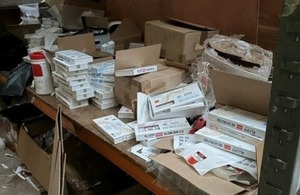
Productos incautados durante el operativo contra medicamentos falsificados para adelgazar. · MHRA / GOV.UK — Open Government Licence
12,000 fake weight-loss pens seized in Birmingham raid
Britain's medicines regulator and police seized more than 12,000 fake weight-loss pens at an industrial unit in Birmingham, worth around £2 million, and warned…
Organised crime hit as 12,000 fake pens are seized
A joint operation by the MHRA and West Midlands Police raided a Birmingham warehouse holding more than 12,000 fake weight-loss pens and packaging for around…
--- The context ---
GLP-1 weight-loss treatments also circulate outside regulated channels, and the British health regulator has been running a series of operations against that illegal supply. The central concern is a health one: these are products reaching the public without any assessment and with no guarantee of what they actually contain.
--- The facts ---
On the night of October 14, officers from the Medicines and Healthcare products Regulatory Agency (MHRA) and West Midlands Police raided an industrial unit in Birmingham. They seized over 12,000 fake retatrutide and tirzepatide pens, along with packaging for around 30,000 more products. The seized medicines were valued at approximately £2 million.
According to the agency, the warehouse, on an industrial estate, was described as filthy. The products have not been assessed for safety, quality or effectiveness, and there is no guarantee of what they contain or whether they have been contaminated with harmful substances.
--- The positions ---
Tim Duffield, Head of Intelligence at the MHRA's Criminal Enforcement Unit, said the agency is tackling the organised criminal gangs whose illegal trade in unauthorised medicines puts people at risk of serious harm. Duffield also noted that retatrutide has not been authorised for use in the UK, and that products sold as retatrutide outside legitimate clinical trials are supplied illegally and could pose serious risks to public health.
The MHRA urged people to avoid buying weight-loss medicines from unregulated sources. It said anyone considering GLP-1 treatment should speak to a healthcare professional and only obtain medicines from a registered pharmacy against a valid prescription. The agency also pointed to its #FakeMeds campaign, which offers guidance on staying safe when buying medicines online, and to the Yellow Card scheme for reporting suspected side effects.
--- What remains unknown ---
The raid is the latest in a series that has removed tens of thousands of doses from circulation. In May 2026, two people were arrested at a country estate and around 12,000 doses were recovered. In February 2026, around 2,000 doses were seized alongside equipment, ingredients and vehicles. In October 2025, an illicit facility was dismantled with 5,000 pens, thousands of empty pens and raw chemical ingredients.
--- Unanswered questions ---
How many people bought pens from this network before the raid, and what health follow-up will they receive? Through which channels were these products reaching buyers, and how can people who already hold them identify them? What further steps will be taken so that official guidance reaches consumers before the illegal offers do?
--- EPM analysis ---
From a public health perspective, the case exposes the gap between formal regulation and the real market: legitimate access requires a prescription and a registered pharmacy, while the illegal supply promises shortcuts with no assessment at all. Each seizure removes dangerous products, but consumer protection also depends on clear, accessible information that helps people identify safe sources before they buy.
📌 EPM Take:
In EPM's view, the Birmingham seizure matters less for its value in pounds than for what it reveals: there is demand willing to turn to products with no guarantee whatsoever about their contents. The response cannot rest on raids alone, necessary as they are. Protecting consumers requires official guidance to arrive before the illegal offer does, the registered pharmacy route to be visible and simple, and people who already bought from unregulated sources to know how to report side effects.
--- The context ---
The trade in counterfeit medicines has become a business run by organised gangs operating from industrial units and rural estates. Against that activity, the British health regulator and the police have carried out a series of operations to remove unauthorised weight-loss medicines from circulation and dismantle the infrastructure that produces and distributes them.
--- The facts ---
On the night of October 14, the Medicines and Healthcare products Regulatory Agency (MHRA) and West Midlands Police raided an industrial unit in Birmingham. Officers seized over 12,000 fake retatrutide and tirzepatide pens, along with packaging for around 30,000 more products. The value of the seizure was estimated at approximately £2 million.
The agency described the warehouse, on an industrial estate, as filthy. The products have not been assessed for safety, quality or effectiveness, and there is no guarantee of what they contain or whether they were contaminated with harmful substances. Retatrutide, moreover, has not been authorised for use in the UK.
--- The positions ---
Tim Duffield, Head of Intelligence at the MHRA's Criminal Enforcement Unit, said the agency is tackling the organised criminal gangs whose illegal trade in unauthorised medicines puts people at risk of serious harm. According to Duffield, products sold as retatrutide outside legitimate clinical trials are being supplied illegally and could pose serious risks to public health.
The MHRA urged people not to buy weight-loss medicines from unregulated sources and reminded the public that GLP-1 treatment should be discussed with a healthcare professional and obtained only from a registered pharmacy against a valid prescription. The agency runs the #FakeMeds campaign with guidance on buying medicines safely online, and the Yellow Card scheme for reporting suspected side effects.
--- What remains unknown ---
The Birmingham raid is the latest in a sustained series. In May 2026, two people were arrested at a country estate and around 12,000 doses were recovered. In February 2026, around 2,000 doses were seized alongside manufacturing equipment, ingredients, packaging and commercial vehicles. In October 2025, the first illicit facility of its kind was dismantled, with 5,000 pens, thousands of empty pens and raw chemical ingredients.
--- Unanswered questions ---
What criminal charges will those behind the Birmingham warehouse face once they are identified? How was this operation financed and supplied, and what other facilities might the same network still be running? Will the current pace of raids be enough to deter a business that keeps reappearing in different parts of the country?
--- EPM analysis ---
From a law and order perspective, the series of operations reveals a persistent criminal pattern that demands constant pressure: each dismantled facility raises the cost of doing business for these gangs. Criminal enforcement, the seizure of products, equipment and vehicles, and control of sales channels are the tools that shrink the space in which the illegal market operates.
📌 EPM Take:
In EPM's view, the Birmingham operation confirms that counterfeit medicine trafficking is organised crime in the full sense and must be treated as such, with intelligence work, raids and proportionate criminal consequences. The amount seized, approximately £2 million in a single night, measures the scale of the business. Persistence matters as much as any single blow: repeated operations in May, February and October show that sustained pressure, not one isolated raid, is what dismantles these networks.
Incautan 12,000 plumas falsas para adelgazar en Birmingham
La agencia reguladora británica y la policía incautaron más de 12,000 plumas falsas de medicamentos para adelgazar en una unidad industrial de Birmingham, con…
Golpe al crimen organizado con 12,000 plumas falsas incautadas
Un operativo conjunto de la MHRA y la Policía de West Midlands intervino un almacén en Birmingham con más de 12,000 plumas falsas para adelgazar y empaques…
--- El contexto ---
Los tratamientos con medicamentos GLP-1 para perder peso circulan también fuera de los canales regulados, y la autoridad sanitaria británica mantiene una serie de operativos contra esa oferta ilegal. La preocupación central es sanitaria: llegan al público sin evaluación ni garantías.
--- Los hechos ---
La noche del 14 de octubre, agentes de la Agencia Reguladora de Medicamentos y Productos Sanitarios (MHRA) y de la Policía de West Midlands allanaron una unidad industrial en Birmingham. En el lugar incautaron más de 12,000 plumas falsas de retatrutide y tirzepatide, junto con empaques para alrededor de 30,000 productos más. El valor de lo incautado se estimó en cerca de 2 millones de libras.
Según la autoridad, el almacén intervenido, situado en un polígono industrial, fue descrito como sucio. Los productos incautados no han sido evaluados en seguridad, calidad ni eficacia, y no existe garantía de lo que contienen ni de si han sido contaminados con sustancias dañinas.
--- Las posiciones ---
Tim Duffield, jefe de inteligencia de la Unidad de Ejecución Penal de la MHRA, afirmó que la agencia está combatiendo a las bandas de crimen organizado cuyo comercio ilegal de medicamentos no autorizados pone a las personas en riesgo de sufrir daños graves. Según Duffield, el retatrutide no está autorizado en el Reino Unido, y los productos que se venden como retatrutide fuera de ensayos clínicos legítimos se suministran ilegalmente y podrían suponer riesgos graves para la salud pública.
La MHRA instó a la población a evitar comprar medicamentos para adelgazar en fuentes no reguladas. Señaló que quien considere un tratamiento con GLP-1 debe hablar con un profesional sanitario y obtener los medicamentos solo en una farmacia registrada y con una receta válida. También recordó que su campaña #FakeMeds ofrece orientación para comprar medicamentos en línea con seguridad y que el esquema Yellow Card permite reportar efectos secundarios sospechosos.
--- Lo que falta saber ---
El operativo forma parte de una serie que ha retirado decenas de miles de dosis de circulación. En mayo de 2026, dos personas fueron arrestadas tras un allanamiento en una finca rural y se recuperaron alrededor de 12,000 dosis. En febrero de 2026 se incautaron alrededor de 2,000 dosis junto con equipo, ingredientes y vehículos. En octubre de 2025 se desmanteló una instalación ilícita con 5,000 plumas, miles de plumas vacías e ingredientes químicos.
--- Preguntas sin respuesta ---
¿Cuántas personas compraron plumas de esta red antes del operativo y qué seguimiento sanitario recibirán? ¿Por qué canales llegaban estos productos a los compradores y cómo pueden identificarlos quienes ya los tienen? ¿Qué medidas adicionales se aplicarán para que la orientación oficial llegue antes que la oferta ilegal?
--- Análisis EPM ---
Desde una mirada de salud pública, el caso muestra la distancia entre la regulación formal y el mercado real: el acceso legítimo exige receta y farmacia registrada, mientras la oferta ilegal promete atajos sin evaluación alguna. Cada incautación retira productos peligrosos, pero la protección del consumidor depende también de información clara para identificar fuentes seguras.
📌 Conclusion EPM:
A juicio de EPM, la incautación de Birmingham importa menos por su valor en libras que por lo que revela: hay demanda dispuesta a recurrir a productos sin ninguna garantía sobre su contenido. La respuesta no puede limitarse a los allanamientos, aunque sean necesarios. Proteger al consumidor exige que la orientación oficial llegue antes que la oferta ilegal, que la vía de la farmacia registrada sea visible y sencilla, y que quien ya compró en fuentes no reguladas sepa cómo reportar efectos secundarios.
--- El contexto ---
El tráfico de medicamentos falsificados se ha convertido en un negocio de bandas organizadas que operan desde naves industriales y fincas rurales. Frente a esa actividad, la autoridad sanitaria británica y la policía han ejecutado una serie de operativos para retirar de circulación medicamentos para adelgazar no autorizados y desarticular la infraestructura que los produce y distribuye.
--- Los hechos ---
La noche del 14 de octubre, la Agencia Reguladora de Medicamentos y Productos Sanitarios (MHRA) y la Policía de West Midlands allanaron una unidad industrial en Birmingham. Los agentes incautaron más de 12,000 plumas falsas de retatrutide y tirzepatide, además de empaques para alrededor de 30,000 productos más. El valor de lo decomisado se estimó en cerca de 2 millones de libras.
La autoridad describió el almacén intervenido, situado en un polígono industrial, como sucio. Los productos no han sido evaluados en seguridad, calidad ni eficacia, y no hay garantía de lo que contienen ni de si fueron contaminados con sustancias dañinas. El retatrutide, además, no está autorizado en el Reino Unido.
--- Las posiciones ---
Tim Duffield, jefe de inteligencia de la Unidad de Ejecución Penal de la MHRA, afirmó que la agencia está combatiendo a las bandas de crimen organizado cuyo comercio ilegal de medicamentos no autorizados pone a las personas en riesgo de sufrir daños graves. Según Duffield, los productos vendidos como retatrutide fuera de ensayos clínicos legítimos se suministran ilegalmente y podrían suponer riesgos graves para la salud pública.
La MHRA instó a no comprar medicamentos para adelgazar en fuentes no reguladas y recordó que un tratamiento con GLP-1 debe consultarse con un profesional sanitario y obtenerse solo en una farmacia registrada con una receta válida. La agencia mantiene la campaña #FakeMeds con orientación para comprar en línea con seguridad y el esquema Yellow Card para reportar efectos secundarios sospechosos.
--- Lo que falta saber ---
El operativo de Birmingham es el último de una serie sostenida. En mayo de 2026, dos personas fueron arrestadas en una finca rural y se recuperaron alrededor de 12,000 dosis. En febrero de 2026 se incautaron alrededor de 2,000 dosis junto con equipo de fabricación, ingredientes, empaques y vehículos comerciales. En octubre de 2025 se desmanteló la primera instalación ilícita de este tipo, con 5,000 plumas, miles de plumas vacías e ingredientes químicos.
--- Preguntas sin respuesta ---
¿Qué responsabilidad penal enfrentarán los responsables del almacén de Birmingham cuando sean identificados? ¿Cómo se financiaba y distribuía esta operación y qué otras instalaciones podría mantener activas la misma red? ¿Alcanzarán los operativos actuales para desalentar un negocio que reaparece en distintos puntos del país?
--- Análisis EPM ---
Desde una mirada de orden y aplicación de la ley, la serie de operativos muestra un patrón delictivo persistente que exige presión constante: cada instalación desmantelada eleva el costo de operar para estas bandas. La persecución penal, la incautación de productos, equipo y vehículos, y el control de los canales de venta son las herramientas que reducen el espacio del mercado ilegal.
📌 Conclusion EPM:
A juicio de EPM, el operativo de Birmingham confirma que el tráfico de medicamentos falsos es crimen organizado en sentido pleno y debe tratarse como tal, con inteligencia, allanamientos y consecuencias penales proporcionales. El valor incautado, cerca de 2 millones de libras en una sola noche, mide la escala del negocio. La constancia importa tanto como el golpe: operaciones repetidas en mayo, febrero y octubre muestran que la presión sostenida, y no un operativo aislado, es lo que desarticula estas redes.