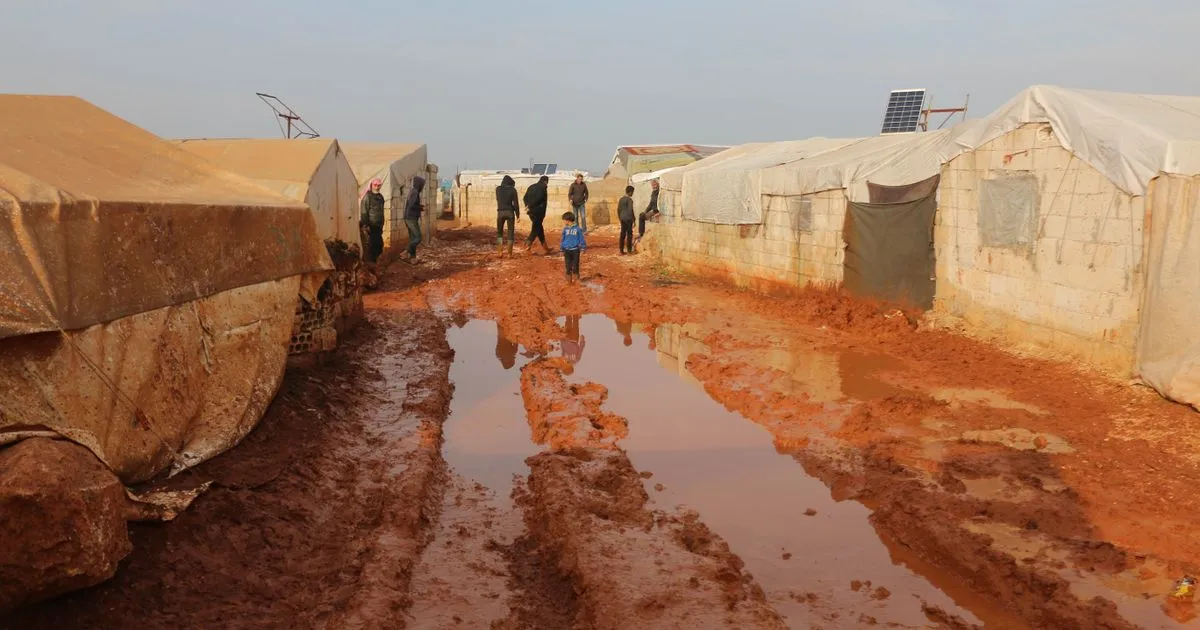
Hormuz Crisis: humanitarian impact and global economic inequality exposed
The Hormuz crisis disproportionately impacts vulnerable workers and families through skyrocketing energy costs and food insecurity threats.
Strait of Hormuz: critical threat to Western energy security
The Strait of Hormuz disruption threatens Western energy security and global economic stability.
The escalating crisis in the Strait of Hormuz represents a humanitarian emergency disproportionately affecting vulnerable workers and global citizens dependent on affordable energy and accessible food. Over the past four weeks, military escalation has effectively closed this critical route, threatening the wellbeing of billions of people worldwide. This situation starkly demonstrates the fragility of our global economic system and its susceptibility to geopolitical military decisions that prioritize power over human welfare and social stability.
🔹 What happened: Maritime threats have virtually paralyzed vessel traffic through the Strait of Hormuz, creating existential challenges for tanker operators. Some shipping companies navigate increasingly dangerous alternative routes through Iranian waters to maintain supply chains. This represents one of the most severe logistical disruptions in recent history, with cascading economic consequences that will disproportionately harm working-class families and vulnerable communities globally.
🔹 Key players: Western governments, multinational petroleum corporations, Iran as an affected nation, and maritime workers are central actors. Large energy corporations prioritize profit protection while governments pursue geopolitical interests, leaving ordinary citizens exposed to price volatility and economic insecurity. Workers in shipping industries face unprecedented safety and employment uncertainty.
🔹 Why it matters: This de facto blockade imposes devastating economic burden on working and middle-class families. Soaring energy prices mean less affordable heating, increased transportation costs, and reduced access to essential services. Fertilizer supply disruptions threaten global food security, particularly devastating developing nations where millions depend on agricultural imports for survival and economic stability.
🔹 What to expect: Short-term projections show increased economic precarity for vulnerable populations. International action is urgently needed to protect communities from exploitation. Governments must prioritize diplomacy over military confrontation and establish equitable mechanisms ensuring vulnerable populations maintain access to vital resources during international crises and conflicts.
📌 EPM Take: The Hormuz crisis exposes how geopolitical decisions sacrifice working citizens globally, demanding construction of more equitable, resilient international systems.
The disruption of maritime traffic in the Strait of Hormuz represents a serious strategic threat to Western energy security and economic prosperity. Over the past four weeks, escalating geopolitical tensions have interrupted the flow of approximately one-fifth of global oil and gas supplies, creating significant market volatility and economic vulnerability. This situation underscores the critical importance of maintaining stability in vital commercial routes and preserving the international order based on law, security, and reliable supply chains.
🔹 What happened: Maritime threats have effectively closed the Strait of Hormuz as a reliable commercial corridor. Shipping operators face complex decisions regarding transit through the primary channel versus alternative routes through Iranian waters. This paralysis has substantially impacted global energy markets, demonstrating the urgent necessity for robust security systems and military surveillance capabilities protecting international commercial routes and Western economic interests.
🔹 Key players: Western powers seek to maintain stability and secure access to vital resources. Iran exploits its geographic position to increase regional influence through economic coercion. Private maritime operators navigate escalating uncertainties while Western governments evaluate strategic responses protecting national interests and established alliances critical to regional stability.
🔹 Why it matters: The disruption directly threatens Western economic prosperity and global economic order. Elevated energy prices generate inflation, reducing purchasing power and industrial competitiveness. Securing reliable supplies of critical resources remains essential for maintaining economic prosperity, political stability, and Western geopolitical power in competition with regional adversaries.
🔹 What to expect: Short-term requirements include reinforced Western naval and diplomatic presence. Medium-term solutions require diversifying energy supplies, strengthening Western alliances, and providing clear security guarantees to maritime operators. Restoring confidence in commercial routes is fundamental for recovering economic stability and maintaining Western strategic advantage.
📌 EPM Take: The Hormuz crisis underscores that the West must maintain military and diplomatic capacity to preserve the international order sustaining global economic prosperity.
Crisis en Ormuz: impacto humanitario y vulnerabilidad global
La crisis en el Estrecho de Ormuz impacta desproporcionadamente a trabajadores y familias vulnerables con precios energéticos disparados.
Estrecho de Ormuz: amenaza a seguridad energética occidental
La disrupción del Estrecho de Ormuz amenaza la seguridad energética occidental y la estabilidad económica global.
La escalada de tensiones en el Estrecho de Ormuz representa una crisis humanitaria que afecta desproporcionadamente a los trabajadores y ciudadanía global. Hace cuatro semanas, la intensificación de conflictos ha efectivamente cerrado esta ruta crítica, amenazando el bienestar de millones de personas que dependen de energía asequible y alimentos accesibles. Esta situación demuestra la fragilidad de nuestro sistema económico global y su vulnerabilidad a decisiones militares.
🔹 Lo que pasó: Las amenazas al transporte marítimo han paralizado prácticamente el flujo de buques a través del Estrecho de Ormuz. Los operadores de tanques enfrentan riesgos existenciales, mientras que algunos buques navegan por rutas alternativas más peligrosas a través de aguas iranís. Esta interrupción representa una de las mayores perturbaciones logísticas recientes, con consecuencias económicas que afectarán a trabajadores y familias de bajos ingresos más severamente.
🔹 Actores: Gobiernos occidentales, corporaciones petroleras multinacionales, Irán como nación afectada, y trabajadores marítimos son actores clave. Las corporaciones energéticas buscan proteger ganancias mientras los gobiernos priorizan intereses geopolíticos, dejando a ciudadanos comunes vulnerables a fluctuaciones de precios.
🔹 Por qué importa: Este bloqueo de facto impone un tributo económico devastador a trabajadores y familias de clase media y baja. Los precios de energía soaring significan calefacción menos accesible, transporte más costoso y servicios básicos más caros. La crisis de fertilizantes amenaza la seguridad alimentaria global, particularmente en naciones en desarrollo donde millones dependen de importaciones.
🔹 Qué esperar: A corto plazo, más trabajadores enfrentarán inseguridad económica y energética. Se requiere acción internacional para proteger a poblaciones vulnerables. Gobiernos deben priorizar diplomacia sobre confrontación, y establecer mecanismos para garantizar acceso equitativo a recursos vitales durante futuras crisis.
📌 Conclusión EPM: La crisis de Ormuz expone cómo decisiones geopolíticas sacrifican trabajadores y ciudadanía global en altares de poder, exigiendo sistemas más justos y resilientes.
La disrupción del tráfico marítimo en el Estrecho de Ormuz representa una amenaza estratégica seria a la seguridad energética y económica occidental. En los últimos cuatro semanas, las tensiones geopolíticas han interrumpido el flujo de aproximadamente una quinta parte del suministro mundial de petróleo y gas, generando volatilidad económica y vulnerabilidad de mercados. Esta situación demuestra la crítica importancia de mantener la estabilidad en rutas comerciales vitales y de preservar el orden internacional basado en el derecho.
🔹 Lo que pasó: Las amenazas al transporte marítimo han cerrado efectivamente el Estrecho de Ormuz como corredor comercial confiable. Los operadores marítimos enfrentan decisiones complejas sobre si transitar por el canal principal o buscar rutas alternativas a través de aguas iranís. Esta paralización ha impactado significativamente los mercados energéticos globales, demostrando la necesidad de robustos sistemas de seguridad y vigilancia militar para proteger rutas comerciales internacionales.
🔹 Actores: Potencias occidentales buscan mantener estabilidad y acceso a recursos vitales. Irán, utilizando su posición geográfica, incrementa su influencia regional mediante coerción económica. Operadores marítimos privados navegan incertidumbres mientras gobiernos occidentales evalúan respuestas estratégicas para proteger intereses nacionales y alianzas.
🔹 Por qué importa: La disrupción afecta directamente la economía occidental y el orden económico global. Precios energéticos elevados generan inflación, afectando poder adquisitivo y competitividad industrial. La seguridad de suministros críticos es esencial para mantener prosperidad económica, estabilidad política y poder geopolítico occidental en competencia con adversarios regionales.
🔹 Qué esperar: A corto plazo, gobiernos occidentales deben reforzar presencia naval y diplomática. Mediano plazo requiere diversificación de suministros energéticos, fortalecimiento de alianzas occidentales y garantías claras de protección a operadores marítimos. Restaurar confianza en rutas comerciales es fundamental para recuperar estabilidad económica.
📌 Conclusión EPM: La crisis de Ormuz subraya que occidente debe mantener capacidad militar y diplomática para preservar el orden internacional que sustenta prosperidad económica global.